
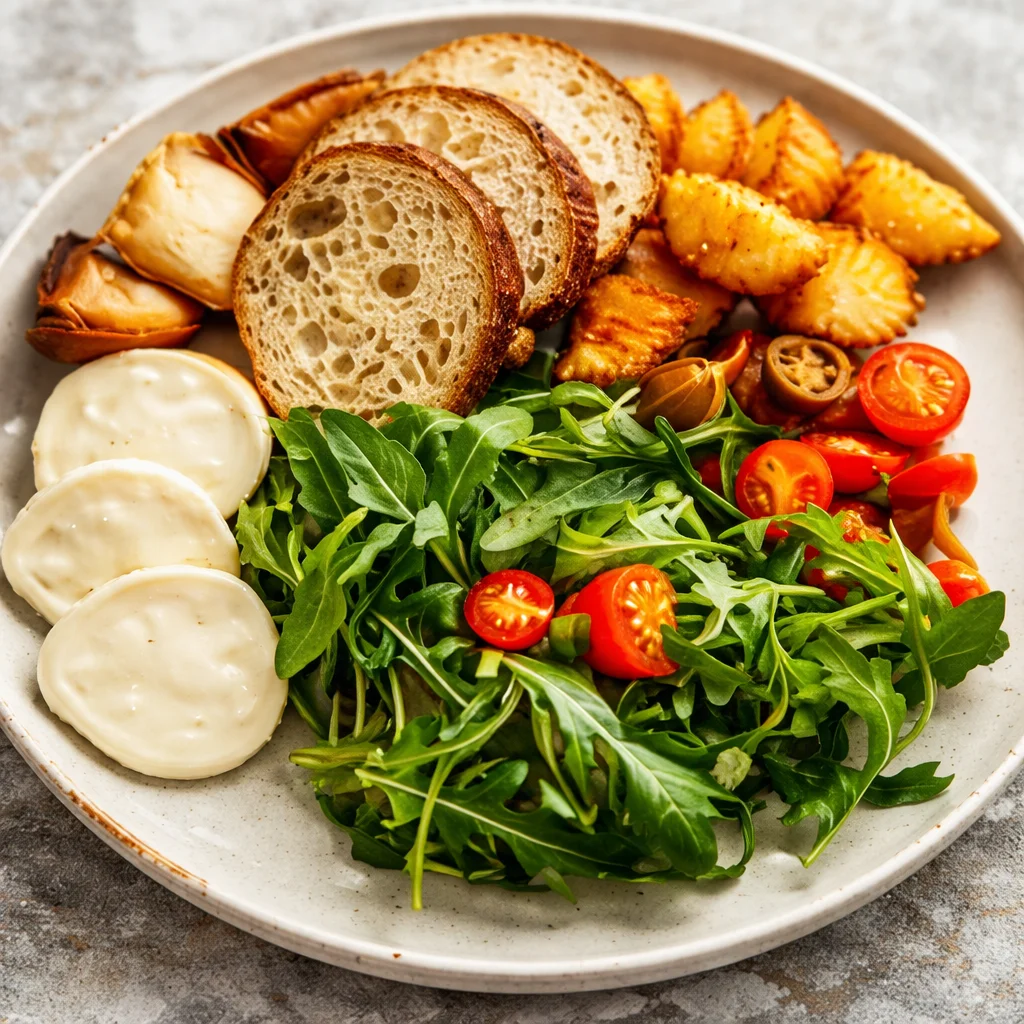
Bloating detox starts with one simple question, why does your belly feel worse even when you think you are eating normal? The truth is, some everyday foods silently trigger bloating, slow digestion, and leave you feeling heavy. If your goal is a flatter, calmer stomach, identifying these hidden gut disruptors is the first step to real relief.
- Foods That Cause Gut Inflammation: 12 Worst Foods to Avoid for Better Digestion
- Why These Foods Destroy Gut Health and Trigger Bloating
- 12 Foods That Cause Gut Inflammation and Disrupt Your Microbiome
- How These Inflammatory Foods Affect Digestion, Energy, and Gut Balance
- Hidden Ingredients That Damage Gut Health (Additives, Sugar, Processed Oils)
- Foods That Cause Immediate Bloating vs Long-Term Gut Inflammation
- Signs Your Gut Is Reacting to These Foods (Bloating, Gas, Fatigue)
- What to Eat Instead: Gut-Friendly Alternatives to Inflammatory Foods
- How to Transition to a Gut-Healing Diet Without Digestive Stress
- Daily Habits That Worsen Gut Inflammation (Beyond Food)
- Grocery List: Foods to Avoid for Gut Health and Clean Eating
- Common Mistakes When Trying to Fix Gut Health
- Nutritional Insights: How Diet Impacts Gut Microbiome and Inflammation
- Internal Linking: Gut Healing Foods, Anti-Inflammatory Diet, Bloating Relief Guides
- Common Questions
- A calmer belly starts with a couple simple swaps
Foods That Cause Gut Inflammation: 12 Worst Foods to Avoid for Better Digestion
I know the title says “two foods,” and we are getting there, but I want you to see the bigger picture first. A lot of bloating comes from patterns, not one random bite. These are common Foods That Cause Gut Inflammation, and they show up in everyday meals more than you would think.
Here is a simple “watch list” you can screenshot in your head:
- Sugary drinks like soda, sweet tea, fancy coffee drinks
- Ultra processed snacks like chips, cheese puffs, packaged pastries
- Fried foods (especially deep fried)
- Processed meats like bacon, sausages, deli meats
- Refined grains like white bread, many bagels, regular pasta
- Artificial sweeteners (some people bloat fast from these)
- Alcohol (even “just one” can stir things up)
- Processed oils used in lots of packaged foods
- Very spicy meals if you are already sensitive
- Heavy cream sauces (especially if dairy bothers you)
- Fast food meals that combine sugar, fried stuff, and additives
- Big desserts right after a large meal
And if you want a deeper dive, I saved a guide I reference all the time: worst foods for gut health to avoid for better digestion. It helped me connect the dots without feeling like I had to guess.
Why These Foods Destroy Gut Health and Trigger Bloating
Here is the real truth. Bloating is not always about eating too much. Sometimes your gut gets irritated, slows down, and starts producing excess gas from foods that do not sit well.
When I say ‘destroy your gut,’ I mean it builds up over time. Some foods irritate your gut lining and disrupt the balance of bacteria that keep digestion smooth.
Bloating, stubborn gas, bathroom chaos, and that heavy feeling where you swear your stomach is stretching your shirt.
And the kicker is, the foods that cause the biggest issues often taste amazing in the moment. Which is why this is tricky.
12 Foods That Cause Gut Inflammation and Disrupt Your Microbiome
Okay, quick gut reality check. Your microbiome is basically your gut’s little community. When you feed it stuff that supports it, digestion feels smoother. When you feed it stuff that irritates it, the whole vibe changes.
I am repeating it because it matters: Foods That Cause Gut Inflammation tend to be the ones that are heavily processed, sugar heavy, and oil heavy.
Out of the full list, the two I see wreck people the fastest (including me) are:
1) Sugary drinks
This one hurts because it is so easy to drink calories without noticing. For me, sugary drinks cause that immediate “swollen belly” feeling. They can also spike cravings, which leads to more snacking, which leads to more bloating. It is a chain reaction.
2) Ultra processed snacks and packaged baked goods
I am talking about the stuff that comes with a long ingredient list. These are often a mix of refined flour, added sugar, and processed oils. I used to have an afternoon snack like this and then wonder why dinner felt uncomfortable. Now I know.
If you want to nerd out a bit more on the broader category, this resource connects a lot of dots: foods that destroy gut health.
How These Inflammatory Foods Affect Digestion, Energy, and Gut Balance
One thing I did not expect was the energy part. I thought gut issues were just belly stuff. Nope.
When I overdo Foods That Cause Gut Inflammation, I notice:
Digestion: slower and heavier, like food just sits there.
Energy: that afternoon crash, plus feeling blah even after sleeping.
Gut balance: more random reactions, like foods that used to be fine suddenly feel “too much.”
It is like your body is already irritated, so it gets pickier.
Hidden Ingredients That Damage Gut Health (Additives, Sugar, Processed Oils)
This is the tricky part. You might think you are eating normally, but hidden ingredients can still irritate your gut.
Stuff I personally watch for:
Added sugars hiding in sauces, dressings, flavored yogurt, granola bars.
Processed seed oils that show up in most packaged snacks and many restaurant meals.
Gums and thickeners in certain “diet” foods that can upset sensitive stomachs.
Artificial sweeteners that can cause gas and bloating for some people.
My simple rule: if I cannot explain the ingredient list to a friend in one breath, I do not eat it every day.
Foods That Cause Immediate Bloating vs Long-Term Gut Inflammation
Not all bloating is the same. Some foods hit you fast, and some build up problems over time.
Immediate bloating often comes from:
Carbonated drinks, sugary drinks, sugar alcohols, super salty processed meals, huge portions, and “eat too fast” days.
Long term gut inflammation tends to be tied to:
Frequent ultra processed foods, lots of fried meals, high sugar patterns, low fiber days, and not enough real whole foods.
So yes, you can bloat from one meal, but the deeper gut healing comes from what you do most days.
Signs Your Gut Is Reacting to These Foods (Bloating, Gas, Fatigue)
If you are not sure your gut is reacting, here are signs I wish I noticed sooner:
Bloating that shows up after most meals, not just big ones.
Gas that feels painful or constant.
Fatigue after eating, like you need a nap.
Cravings that get stronger the more processed snacks you eat.
Bathroom changes, either direction, that keep repeating.
If these are your everyday normal, it is worth testing a few food swaps for two weeks and seeing what changes.
What to Eat Instead: Gut-Friendly Alternatives to Inflammatory Foods
I promised this would feel like a real blog, so here is what I actually do in my kitchen when I am trying to calm things down.
Instead of sugary drinks: I do sparkling water with a squeeze of lemon or iced herbal tea. If sparkling water bloats you, go still.
Instead of ultra processed snacks: I keep easy stuff around like bananas, berries, yogurt if you tolerate it, nuts, or rice cakes with peanut butter.
Instead of fried foods: I do oven roasted potatoes or air fried sweet potato wedges.
And when I want a meal that feels comforting but does not wreck my belly, I make my go to ginger chicken and rice soup. It is not fancy, but it is soothing and it smells amazing.
How to Transition to a Gut-Healing Diet Without Digestive Stress
This matters because going from “processed everything” to “raw salad mountain” can backfire. Your gut needs a gentle ramp, not a shock.
My simple transition plan:
Week 1: Remove one thing that you know is a problem, like sugary drinks.
Week 2: Add one gut friendly habit, like a protein plus fiber breakfast.
Week 3: Replace one snack with a whole food option.
Week 4: Cook one simple gut friendly dinner you can repeat.
Slow changes stick. And they are way less stressful.
Daily Habits That Worsen Gut Inflammation (Beyond Food)
Even if you eat “perfect,” these habits can keep bloating around:
Eating too fast and swallowing air.
Late night heavy meals then lying down.
Not sleeping enough which messes with hunger hormones and cravings.
High stress that makes digestion feel tight and reactive.
Not drinking enough water, especially if you increased fiber.
For me, the biggest fix was slowing down. Like actually sitting, chewing, and not eating over the sink.
Grocery List: Foods to Avoid for Gut Health and Clean Eating
Here is a realistic grocery checkpoint. If your cart is heavy on these, bloating is more likely.
Try to limit: soda, candy, packaged pastries, chips, frozen fried foods, sugary cereal, flavored coffee creamers, deli meats, and heavy bottled sauces.
Instead, build around: eggs, chicken, fish, beans or lentils if tolerated, rice, oats, potatoes, olive oil, plain yogurt or kefir if tolerated, bananas, berries, leafy greens, carrots, zucchini, and herbs like ginger and parsley.
Common Mistakes When Trying to Fix Gut Health
I have made every mistake, so let me save you time.
Mistake 1: Cutting too many foods at once, then bingeing later.
Mistake 2: Swapping sugar for artificial sweeteners and wondering why gas gets worse.
Mistake 3: Eating tons of raw veggies right away. Cooking veggies can be easier at first.
Mistake 4: Ignoring stress and sleep while only blaming food.
Mistake 5: Expecting instant results. Gut changes can take a couple of weeks.
Nutritional Insights: How Diet Impacts Gut Microbiome and Inflammation
I am not here to sound like a textbook, but the science basics are pretty simple. Your gut bacteria respond to what you feed them. More whole foods and fiber generally supports a healthier balance. More ultra processed food patterns tend to push things the other way.
That is why Foods That Cause Gut Inflammation keep showing up in bloating stories. They are not just “calories.” They can change how your gut behaves.
Also, protein, fiber, and healthy fats together usually keep blood sugar steadier, which helps cravings calm down. When cravings calm down, you naturally eat fewer of the foods that set you off.
Internal Linking: Gut Healing Foods, Anti-Inflammatory Diet, Bloating Relief Guides
If you want more practical ideas, I like keeping a few guides open when I meal plan. This one is packed with ideas for calmer digestion: gut healing foods for bloating. And when you are ready to upgrade your everyday meals, this science backed list is super helpful: best foods for gut health and digestion.
Also, here is the little cheat sheet I use when I am deciding if something will likely bother me: ;
If a food is high sugar plus processed oil plus additives, I treat it like an occasional treat, not an everyday thing.
Common Questions
1) Are dairy and gluten always Foods That Cause Gut Inflammation?
Not always. Some people tolerate them fine. But if you notice bloating or fatigue after them, try a two week break and see what changes.
2) How fast will I feel less bloated if I cut sugary drinks?
Some people feel better in a few days. For others it is one to two weeks, especially if stress and sleep are also factors.
3) What is the easiest snack swap that actually works?
For me, it is fruit plus a protein. Like a banana with peanut butter, or yogurt with berries if you tolerate dairy.
4) Can I still eat out and avoid the worst triggers?
Yes. I pick grilled or baked options, ask for sauces on the side, and skip soda. Simple changes help a lot.
5) What if “healthy food” makes me bloat too?
That is common if you increase fiber too quickly. Start with cooked veggies, smaller portions, and drink more water.
A calmer belly starts with a couple simple swaps
If you only take one thing from this post, let it be this: cut sugary drinks and ultra processed snacks first, because they are two Foods That Cause Gut Inflammation that hit a lot of people hard. Then build meals that feel simple and steady, like soups, roasted foods, and basic protein plus rice or potatoes. If you want a trustworthy overview of the bigger picture, the Anti Inflammatory Diet | Johns Hopkins Medicine page is a solid reference I actually recommend to friends. Now go make a cozy gut friendly meal tonight, and if you try my ginger chicken and rice soup idea, keep it simple and make a little extra for tomorrow.