
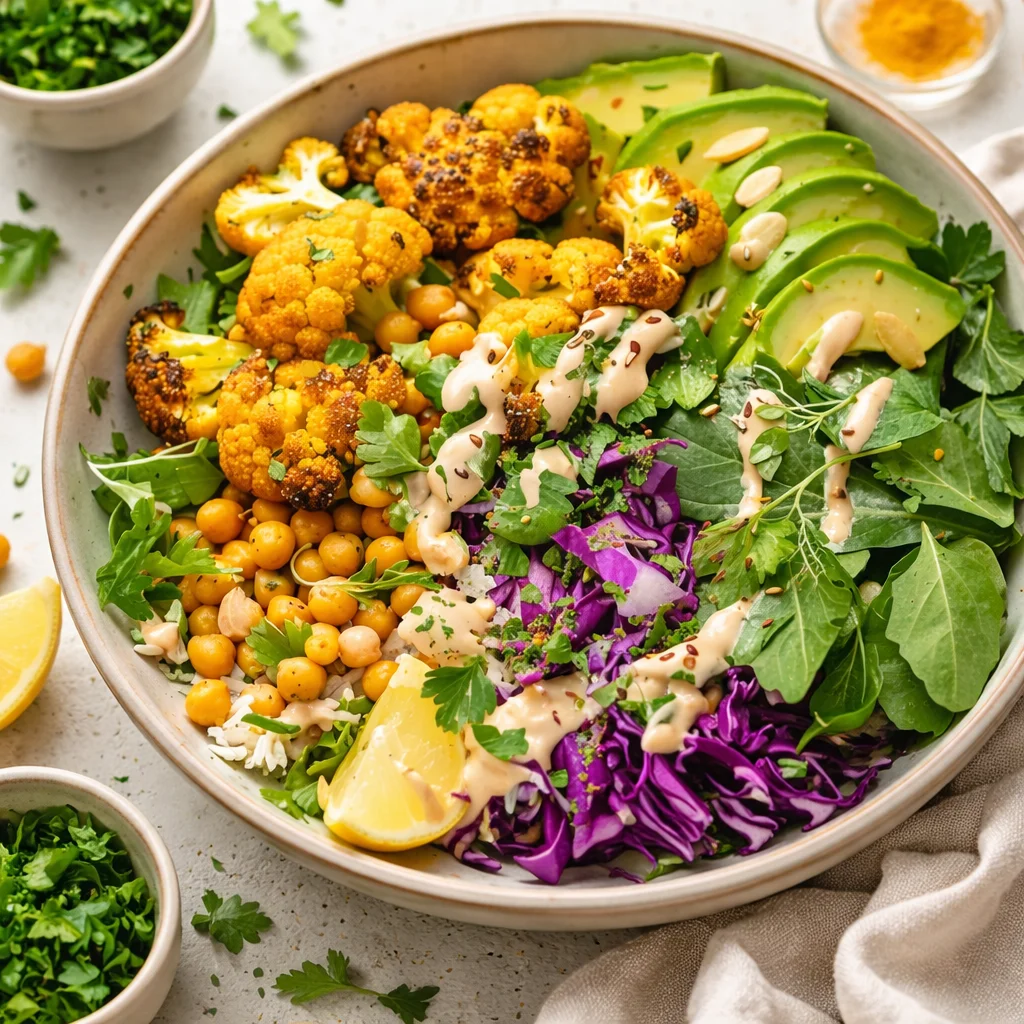
Bowls are one of the easiest ways to enjoy anti-inflammatory meals that actually taste good, but many still leave you feeling bloated or unsatisfied. These 7 anti-inflammatory bowls you’ll love are simple, nourishing, and designed to help you feel lighter and more energized every day.
- Why Anti-Inflammatory Bowls Are the Best Meals for Gut Health and Energy
- 7 Anti-Inflammatory Bowl Recipes for a Flat Belly, Better Digestion, and All-Day Energy
- Key Ingredients in Anti-Inflammatory Bowls and Their Gut Health Benefits
- How to Build the Perfect Anti-Inflammatory Bowl (Protein, Fiber, Healthy Fats Balance)
- Ingredient Substitutions: Gluten-Free, Dairy-Free, Low-FODMAP, and Vegan Options
- Step-by-Step Guide to Preparing Anti-Inflammatory Bowls at Home
- Quick Anti-Inflammatory Bowl Ideas for Busy Days (Ready in 15 Minutes)
- Pro Tips to Maximize Anti-Inflammatory Benefits and Avoid Bloating
- Common Mistakes That Reduce the Benefits of Anti-Inflammatory Meals
- Anti-Inflammatory Bowl Variations: High-Protein, Low-Carb, Vegan, and Weight Loss Options
- Best Toppings and Add-Ons to Enhance Flavor and Gut Healing
- How to Store, Meal Prep, and Reheat Anti-Inflammatory Bowls
- Nutritional Highlights: Anti-Inflammatory Nutrients, Fiber, and Microbiome Support
- Common Questions
- A Realistic Way to Feel Better This Week
- Anti-Inflammatory Bowls
Why Anti-Inflammatory Bowls Are the Best Meals for Gut Health and Energy
Bowls work so well because they naturally bring everything your body needs into one meal. When you combine protein, fiber, and healthy fats, you stay full longer and avoid those energy crashes between meals.
They also work well for gut health because you can load them with foods that tend to be gentle and supportive like cooked veggies, fermented add ons, and easy carbs like rice or sweet potato. Another big plus is you can control spice, dairy, and portion sizes, which matters a lot when you are trying to calm inflammation and avoid bloating.
If you want more dinner style inspiration beyond bowls, I also pull ideas from this roundup on busy nights: anti-inflammatory dinner recipes for busy weeknights. It helps when my brain is too tired to be creative.
7 Anti-Inflammatory Bowl Recipes for a Flat Belly, Better Digestion, and All-Day Energy
These are the seven bowls I actually make, not the ones that look pretty but take 42 ingredients. Each one has a simple base, a solid protein, a rainbow of plants, and a sauce that makes it feel exciting.
1) Salmon, Sweet Potato, and Greens Bowl
Roast cubed sweet potato, pan sear salmon, then add a big handful of baby spinach or arugula. Top with avocado and a squeeze of lemon. If I have dill, I throw it on like confetti. This one feels like instant energy without feeling heavy.
2) Turmeric Chicken and Rice Bowl
This is my comfort bowl. I season chicken with turmeric, garlic, and a little ginger, then serve over warm rice with sautéed zucchini and carrots. Add cucumber on the side for crunch. If you love chicken bowls, this one is also a great cousin to the best anti-inflammatory chicken bowl for gut health.
3) Lentil and Roasted Veggie Bowl with Lemon Tahini
Cook lentils until tender, then pile on roasted broccoli, red pepper, and onion. Drizzle with lemon tahini sauce and add pumpkin seeds for crunch. Lentils are filling, and the fiber is a gut friendly win when your body tolerates them well.
4) Shrimp, Quinoa, and Pineapple Bowl
This combo might sound unusual, but it really works. Light shrimp with quinoa, sweet pineapple, and crunchy cabbage creates a fresh, balanced bowl that feels energizing without being heavy.
5) Miso Ginger Tofu Bowl
Pan crisp tofu, add steamed rice or cauliflower rice, plus cooked greens like bok choy. Mix a quick sauce with miso, ginger, and a little maple syrup. If you are dairy free, this is one of the easiest ways to get a creamy tasting vibe without any cream.
6) Sardine and White Bean Mediterranean Bowl
Okay hear me out. Sardines are underrated. I toss white beans with chopped parsley, cucumber, tomato, and olive oil, then add sardines on top with lemon. It is fast, high protein, and packed with omega 3s.
7) Cozy Carrot Ginger Bowl with Soft Eggs
This one is perfect when your stomach wants gentle food. I make quick sautéed carrots with ginger and a splash of broth, then serve with rice and soft boiled eggs. If you like cozy carrot flavors, you might also love this: anti-inflammatory carrot soup.
Quick note: these bowls are meant to be mixed and matched. If salmon is too pricey this week, use canned salmon or swap to chicken or tofu. The bowl still works.
Key Ingredients in Anti-Inflammatory Bowls and Their Gut Health Benefits
I am not a doctor, but I am someone who has learned the hard way that certain foods can make you feel puffy, tired, or foggy. These ingredients usually help me feel lighter and more energized.
My go to anti inflammatory bowl ingredients:
- Omega 3 fats: salmon, sardines, chia, flax
- Colorful plants: leafy greens, carrots, peppers, berries, cabbage
- Gentle carbs: rice, quinoa, sweet potato, oats
- Fermented foods: sauerkraut, kimchi, miso, plain coconut yogurt
- Gut friendly flavor: ginger, turmeric, garlic infused oil, lemon
If you want a bigger list to shop from, I keep this handy: 20 anti-inflammatory foods for gut health and energy.
How to Build the Perfect Anti-Inflammatory Bowl (Protein, Fiber, Healthy Fats Balance)
This is my simple bowl formula. I use it when I do not want to follow a recipe and I just want dinner to happen.
Base: rice, quinoa, sweet potato, or greens
Protein: chicken, salmon, tofu, lentils, eggs, beans
Fiber: at least 2 veggies, ideally one cooked and one crunchy
Healthy fat: avocado, olive oil, tahini, nuts or seeds
Sauce: lemon tahini, olive oil and vinegar, miso ginger, salsa style blends
The secret is not perfection. It is getting enough protein and fiber so your blood sugar stays steady. That is where the energy boost comes from for most people.
Ingredient Substitutions: Gluten-Free, Dairy-Free, Low-FODMAP, and Vegan Options
This is where bowls shine, because you can tweak them without ruining the whole meal.
Gluten-free: use rice, quinoa, or gluten free oats. Choose tamari instead of soy sauce.
Dairy-free: skip cheese, use tahini or avocado for creaminess. Coconut yogurt also works as a tangy topping.
Low-FODMAP (gentler option): try rice, eggs, firm tofu, carrots, zucchini, spinach, cucumber. Use garlic infused olive oil instead of chopped garlic and go easy on onions and beans.
Vegan: tofu, tempeh, lentils, and chickpeas work well. Add seeds for extra staying power.
If your gut is in a sensitive season, start simple and add ingredients one at a time so you can tell what feels good.
Step-by-Step Guide to Preparing Anti-Inflammatory Bowls at Home
This is my realistic method for making bowls without turning my kitchen into chaos.
- Step 1: Pick your base and cook it first (rice, quinoa, or roast sweet potato).
- Step 2: Cook your protein (sheet pan chicken, pan seared fish, sauté tofu, or boiled eggs).
- Step 3: Add 2 veggies (one cooked, one fresh is my favorite combo).
- Step 4: Make a quick sauce (lemon plus olive oil, or tahini plus water plus salt).
- Step 5: Top and taste (salt, lemon, seeds, herbs).
I usually cook enough base for 3 to 4 bowls, then I can mix different toppings so I do not get bored.
Quick Anti-Inflammatory Bowl Ideas for Busy Days (Ready in 15 Minutes)
These are the panic bowls I make when I am hungry now.
My fastest combos:
Greek-ish tuna bowl: canned tuna, rice, cucumber, olive oil, lemon, oregano.
Egg and avocado bowl: microwaved rice, soft eggs, avocado, sauerkraut, sesame seeds.
Rotisserie chicken shortcut bowl: chicken, bagged greens, microwavable sweet potato, olive oil and vinegar.
Freezer shrimp bowl: shrimp sautéed in olive oil, spinach, quinoa, jarred roasted peppers.
If you want more set it and forget it meals that make bowl prep easier, this list is great: 40 plus slow cooker anti-inflammatory recipes.
Pro Tips to Maximize Anti-Inflammatory Benefits and Avoid Bloating
I learned these the messy way, usually after eating something that sounded healthy but did not feel good.
Tips that help me:
Choose cooked veggies when your stomach is touchy. Raw kale salads can be a lot.
Go easy on beans at first. Start with a small scoop and build up.
Add acid like lemon or vinegar to wake up flavor without needing heavy sauces.
Chew more than you think you need to. It sounds silly, but it matters.
Keep spice reasonable. A little ginger is soothing, but super hot sauces can be a gamble if your gut is irritated.
Common Mistakes That Reduce the Benefits of Anti-Inflammatory Meals
Even the best Anti Inflammatory Bowl Recipes can backfire if a few things get out of balance.
Mistake 1: Skipping protein. You end up hungry again fast and craving sugar.
Mistake 2: Going too heavy on raw roughage. A mountain of raw broccoli can feel like a rock in your stomach.
Mistake 3: Using sauces loaded with sugar. Sweet dressings can spike your energy then crash it.
Mistake 4: Eating too fast. This one gets me when I am working and inhaling lunch.
Mistake 5: Making the bowl too complicated. If it is stressful, you will not stick with it.
Anti-Inflammatory Bowl Variations: High-Protein, Low-Carb, Vegan, and Weight Loss Options
Here is how I tweak Anti Inflammatory Bowl Recipes depending on what my week looks like.
High-protein: double the chicken, fish, tofu, or eggs. Add hemp seeds or Greek style dairy free yogurt.
Low-carb: swap rice for cauliflower rice or greens, keep sweet potato portions smaller, add extra avocado and protein.
Vegan: tofu plus lentils is a surprisingly filling combo. Add tahini and seeds for richness.
Weight loss friendly: use a lighter base (greens or cauliflower rice), keep sauce to a couple tablespoons, and load up on cooked veggies for volume.
Best Toppings and Add-Ons to Enhance Flavor and Gut Healing
This is the part that makes bowls feel like something you would pay for at a cafe.
My favorite toppings: sauerkraut, kimchi, toasted sesame seeds, pumpkin seeds, chopped herbs, sliced cucumber, pickled ginger, olives, and a little lemon zest.
If you want a super pretty bowl vibe that still feels doable, I love browsing bowls like this for ideas: ultimate anti-inflammatory glow bowl for gut health and radiant energy. I usually steal the sauce idea and use whatever veggies I have.
How to Store, Meal Prep, and Reheat Anti-Inflammatory Bowls
Meal prep is the reason I actually stick with Anti Inflammatory Bowl Recipes. When the parts are ready, the bowl basically builds itself.
My storage rules:
Store base, protein, and veggies in separate containers if you can. Sauces go in a small jar.
Keep crunchy toppings dry so they stay crunchy.
Reheat base and protein, then add fresh toppings after. This keeps greens from turning sad and soggy.
Most cooked components last 3 to 4 days in the fridge. If something smells off, trust yourself and toss it.
Nutritional Highlights: Anti-Inflammatory Nutrients, Fiber, and Microbiome Support
What I like about bowls is that they naturally push you toward a balanced plate. You get fiber from plants, amino acids from protein, and fats that help you feel satisfied.
What you are often getting in these bowls:
Fiber to support regular digestion and feed your gut microbes.
Omega 3s from fish and seeds, which are linked with lower inflammation patterns in the body.
Polyphenols from colorful produce like greens, berries, and herbs.
Minerals like magnesium and potassium from leafy greens, beans, and sweet potatoes.
Most importantly, these meals are easier to repeat, and consistency is what usually moves the needle.
Common Questions
1) Can I eat anti-inflammatory bowls every day?
Yes, and it is actually easier on your routine. Just rotate proteins and veggies so you are not eating the exact same thing nonstop.
2) What if beans bloat me?
Start with lentils or small amounts of well rinsed canned beans. Or skip them and focus on eggs, fish, chicken, or tofu for a while.
3) Are these bowls good for breakfast too?
Totally. I do a savory breakfast bowl with rice, eggs, spinach, and avocado and it keeps me full for hours.
4) What is the easiest sauce that still tastes amazing?
Tahini plus lemon plus water plus salt. Add garlic infused oil if you want extra flavor without the roughness of raw garlic.
5) How do I make it kid friendly?
Keep ingredients separate and let them build their own. Most kids like simple rice, chicken, cucumbers, and a little sweet potato.
A Realistic Way to Feel Better This Week
If you try just one of these Anti Inflammatory Bowl Recipes, make it the one that sounds the easiest for your life right now. Bowls are forgiving, and your gut usually likes that gentle consistency. For even more lunch inspiration, this roundup is packed with smart ideas: 33 Anti-Inflammatory Lunch Recipes That Are High in Fiber. And if you want fresh seasonal bowl combos that feel light but still healing, I also like this collection: Anti-Inflammatory Bowls: Fresh & Healing Spring Lunches. Now go pick a base, grab a protein, and make a bowl that actually makes you feel good after you eat it.
Ingredients
Method
- Pick your base and cook it first – rice, quinoa, or roast sweet potato.
- Cook your protein – sheet pan chicken, pan-seared fish, sautéed tofu, or boiled eggs.
- Add 2 veggies – one cooked, and one fresh.
- Make a quick sauce (e.g., lemon plus olive oil, or tahini plus water plus salt).
- Top and taste with toppings and herbs.