
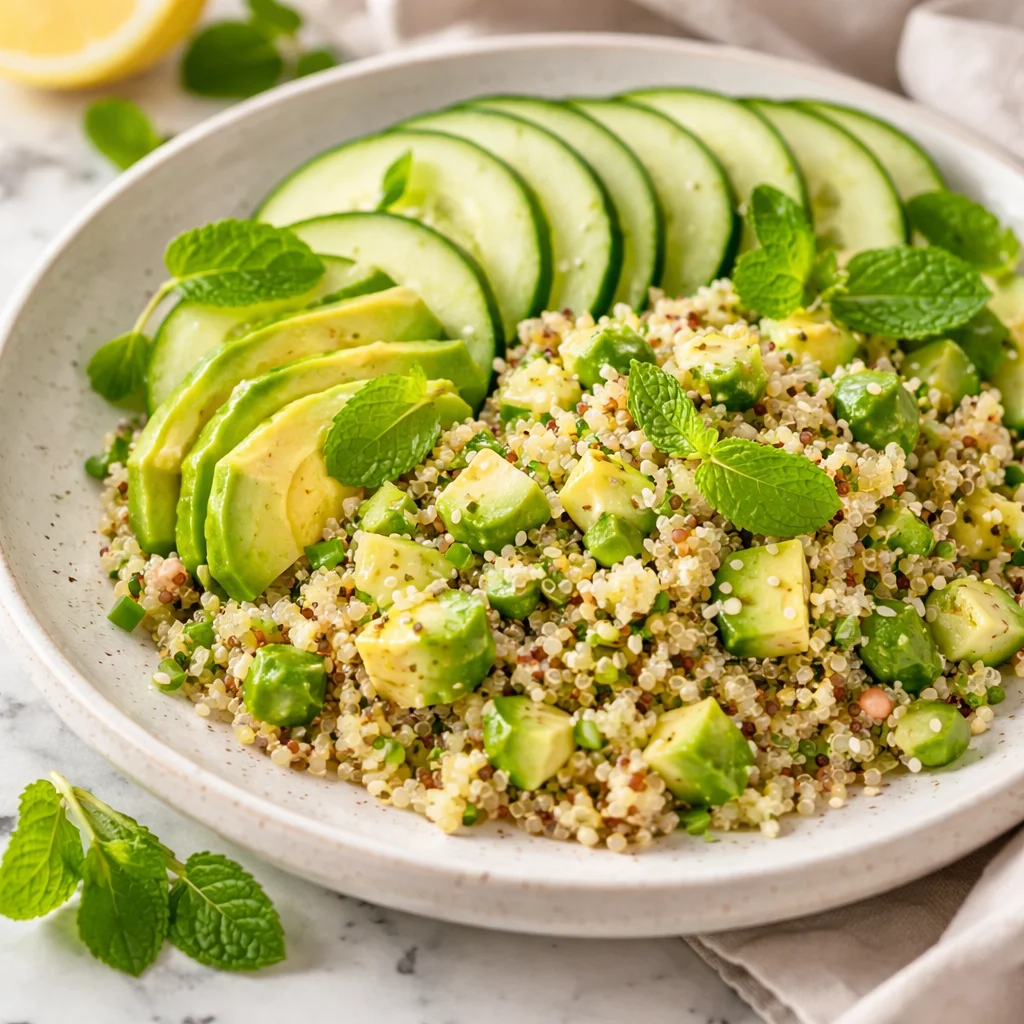
Bloating can turn even a normal meal into an uncomfortable experience. If your stomach feels heavy, tight, or swollen after eating, the foods you choose can either calm things down or make it worse. The right gut-friendly foods can help you feel lighter, reduce discomfort, and improve digestion without complicated rules.
- What to Eat to Stop Bloating: 10 Gut-Friendly Foods That Work Fast
- Why These Gut-Friendly Foods Reduce Bloating and Improve Digestion
- 10 Best Foods to Stop Bloating Naturally (Backed by Gut Health Science)
- Foods to Avoid That Cause Bloating and Digestive Discomfort
- How to Build a Daily Anti Bloating Diet for a Flat Stomach
- Key Nutrients That Help Reduce Bloating (Fiber, Probiotics, Enzymes)
- Best Gut-Friendly Food Combinations to Improve Digestion
- Common Mistakes That Make Bloating Worse (Even with Healthy Foods)
- Quick Snack Ideas Using Anti Bloating Foods (No Cooking Required)
- Daily Routine: When and How to Eat to Prevent Bloating
- Grocery List: Anti Bloating Foods to Always Keep at Home
- How to Transition to a Gut-Friendly Diet Without Digestive Stress
- Nutritional Benefits: Gut Health, Inflammation Reduction, Energy Boost
- Internal Linking: Related Gut Health Guides, Anti Inflammatory Foods, Meal Plans
- Common Questions
- A Calm Belly Game Plan You Can Actually Stick To
What to Eat to Stop Bloating: 10 Gut-Friendly Foods That Work Fast
When I feel puffy and uncomfortable, I lean on simple foods that are gentle, hydrating, and easy to digest. These are my go to picks. They are not magic, but they are some of the easiest ways I have found to calm my stomach.
- Ginger: ginger tea or fresh ginger in warm water
- Peppermint: peppermint tea after meals (skip if reflux bothers you)
- Cucumber: crunchy, watery, and super soothing
- Banana: especially when your gut feels touchy (great source of potassium)
- Plain yogurt or kefir: choose unsweetened if you can
- Oats: soft, comforting, and easy to build into breakfast
- Kiwi: small but mighty for regularity
- Cooked carrots: gentle fiber without the raw crunch irritation
- Rice: plain white rice is often calming during flare ups
- Bone broth or simple soup: warm, hydrating, and easy on digestion
I keep it basic: I pick two or three from the list and build a day around them instead of trying to overhaul everything at once. If you want a deeper dive into food choices when your belly is already swollen, this guide is handy: what to eat when bloated.
Why These Gut-Friendly Foods Reduce Bloating and Improve Digestion
Bloating often comes down to a few repeat offenders: too much gas from fermentation, water retention, constipation, or irritation from foods that do not agree with you. The foods above tend to help because they are easier to break down, they support hydration, and they encourage smoother movement through your digestive system.
Here is the simple way I think about it at home: warm liquids relax the system, watery produce dilutes the heavy feeling, and gentle carbs can calm things down when your stomach is being dramatic. Also, a little fermented food can be helpful if you tolerate it, because it supports a healthier gut environment over time.
10 Best Foods to Stop Bloating Naturally (Backed by Gut Health Science)
One cucumber will not fix everything, but there is real nutrition behind these choices. For example, potassium rich foods like bananas can help balance sodium and reduce that puffy water logged feeling. Oats and kiwis support regular bowel movements for many people, which matters because constipation can make your stomach feel tight and swollen.
Ginger and peppermint have a long history of use for digestive comfort, and many people find them helpful for gas and cramping. Fermented foods like yogurt or kefir can support your gut microbiome, which is a fancy way of saying the community of helpful bacteria in your digestive tract.
And if you are trying to eat in a way that is gentler overall, I like keeping a list of anti inflammatory foods around since irritation and bloating can be connected. This is a solid read when you want more options: anti-inflammatory foods for bloating.
Foods to Avoid That Cause Bloating and Digestive Discomfort
This part is not about fear or food shaming. It is just about noticing patterns. Some foods are more likely to create gas, pull in water, or irritate your gut lining, especially if you are already bloated.
Common ones that trip people up:
Carbonated drinks, sugar alcohols (often in gum and diet snacks), huge servings of raw cruciferous veggies, heavy fried foods, and very salty packaged meals. Dairy can also be an issue for some people, especially if lactose does not sit well. Beans and lentils are healthy, but if you are in a flare, big portions can backfire.
One more sneaky one: eating too fast. Even with gut-friendly foods, inhaling your meal can mean swallowing a lot of air. Your stomach will absolutely report you for that.
How to Build a Daily Anti Bloating Diet for a Flat Stomach
I like a simple day structure instead of strict rules. Here is what works for me when I want my stomach to feel calm and not tight.
Breakfast: oats cooked soft with sliced banana and a spoon of yogurt if I tolerate it.
Lunch: rice bowl with cooked carrots, cucumber on the side, and a small portion of protein.
Dinner: soup night. Bone broth style soup with tender veggies is my comfort move.
If I snack, I keep it boring in the best way: kiwi, yogurt, or a small bowl of oats. This simple routine helps me avoid switching between healthy meals and snacks that upset my stomach.
Key Nutrients That Help Reduce Bloating (Fiber, Probiotics, Enzymes)
Fiber is helpful, but it is not always “more is better.” If you jump from low fiber to high fiber overnight, bloating can get worse for a bit. I do better when I increase fiber slowly and focus on cooked foods.
Probiotics can help some people, especially from foods like yogurt or kefir, but they are not one size fits all. Start with small servings and see how you feel.
Enzymes are your body’s natural tools for breaking down food. You can support them by chewing well and not rushing meals. Some people also do well with enzyme rich foods like kiwi and fermented foods, depending on tolerance.
Best Gut-Friendly Food Combinations to Improve Digestion
I am a big fan of simple combos that do not feel heavy. These are the ones I make on repeat:
Oats + banana for gentle energy, rice + cooked carrots when my stomach feels fragile, and cucumber + yogurt as a cool snack if dairy is okay for you. I also love ginger tea after dinner, especially if I ate out and suspect extra salt.
If you want a “set it and forget it” meal that feels clean and soothing, soup is the easiest option in my opinion. It is warm, it hydrates you, and it is hard to overdo. I rotate simple soups a lot when I am focusing on What to Eat to Stop Bloating.
Common Mistakes That Make Bloating Worse (Even with Healthy Foods)
I have made all of these mistakes, so no judgment.
First, going too hard on raw foods. Raw salads can be great, but when you are bloated, raw kale mountain salads can feel like a brick. Second, eating “healthy” protein bars with sugar alcohols. Those can cause major gas for some people.
Third, switching to high fiber overnight. Fourth, skipping water, because fiber without water can feel like traffic in your gut. And finally, eating while stressed or distracted. I swear my stomach knows when I am answering emails with one hand and eating with the other.
Quick Snack Ideas Using Anti Bloating Foods (No Cooking Required)
When I want something fast and gut friendly, I keep these in rotation:
Kiwi with a spoon of yogurt, cucumber slices with a pinch of salt, a banana, or a mug of ginger tea. If I need something more filling, I do overnight oats I made the night before. Not fancy, just effective.
This is also where What to Eat to Stop Bloating becomes super practical. If your snacks are calm, your whole day feels easier.
Daily Routine: When and How to Eat to Prevent Bloating
I do best with regular meal times and smaller portions at night. A huge late dinner is almost guaranteed to make me wake up feeling puffy.
My personal routine looks like this: breakfast within a couple hours of waking, lunch when I actually feel hungry, dinner a bit earlier than I used to, then herbal tea. I also try to take a short walk after meals, even just around the kitchen while I clean up. It sounds silly, but it helps move things along.
Grocery List: Anti Bloating Foods to Always Keep at Home
If you want to shop once and feel prepared, this is my basic list: oats, bananas, kiwis, cucumbers, carrots, rice, ginger, peppermint tea, plain yogurt or kefir, and broth. When those are in the house, I can build calm meals without thinking too much.
How to Transition to a Gut-Friendly Diet Without Digestive Stress
Go slow. Pick two swaps per week. Maybe you start by trading soda for peppermint tea and adding one kiwi a day. Then you add oats for breakfast a few days a week.
Also, do not change everything at once and then blame “healthy eating” when your stomach complains. Your gut likes consistency. When I focus on What to Eat to Stop Bloating, I aim for gentle changes that I can actually keep doing.
Nutritional Benefits: Gut Health, Inflammation Reduction, Energy Boost
When you eat more gut friendly foods, you usually notice more than just less bloating. Many people feel steadier energy because they are not bouncing between heavy meals and quick sugar hits. You may also notice better regularity and less of that sluggish, uncomfortable feeling after eating.
Over time, the combination of hydration, balanced fiber, and fermented foods can support overall gut health. And when your gut is calmer, your whole day feels a little calmer too.
Internal Linking: Related Gut Health Guides, Anti Inflammatory Foods, Meal Plans
If you are still trying to figure out your personal triggers, it helps to read a few targeted guides and compare notes with your own patterns. I linked my favorite resources above, and I will say it again because it is worth saving: what to eat when bloated is a great starting point. And if you want more food ideas that focus on calming inflammation and discomfort, this one is useful too: anti-inflammatory foods for bloating.
Common Questions
How fast can these foods help with bloating?
Sometimes I feel better the same day, especially with warm tea, hydration, and a simple dinner. If constipation is part of it, it might take a day or two.
Is yogurt always gut friendly?
Not for everyone. If lactose bothers you, try lactose free yogurt or kefir, or skip dairy and focus on oats, rice, ginger, and cooked veggies.
Should I avoid all fiber when I am bloated?
No, but I would keep it gentle. Cooked carrots, oats, and kiwi tend to be easier than giant raw salads.
What is the easiest dinner when my stomach feels swollen?
Soup. Broth based soup with soft cooked veggies and a small portion of protein is my safest choice.
Why do I bloat even when I eat “clean”?
Portion size, speed of eating, stress, and high fiber too fast can all do it. “Healthy” does not always mean “easy to digest.”
A Calm Belly Game Plan You Can Actually Stick To
If I had to boil this down, I would say keep it simple: choose a few gut friendly staples, avoid the foods that reliably puff you up, and give your body a calm routine for a couple of days. What to Eat to Stop Bloating is really about consistency, not perfection. If you want a few extra habits that pair well with these food tips, this UCLA guide is genuinely helpful: 6 things you can do to prevent bloating | UCLA Health. Try one soothing meal tonight, like a simple rice bowl or a warm soup, and see how your body responds tomorrow.