
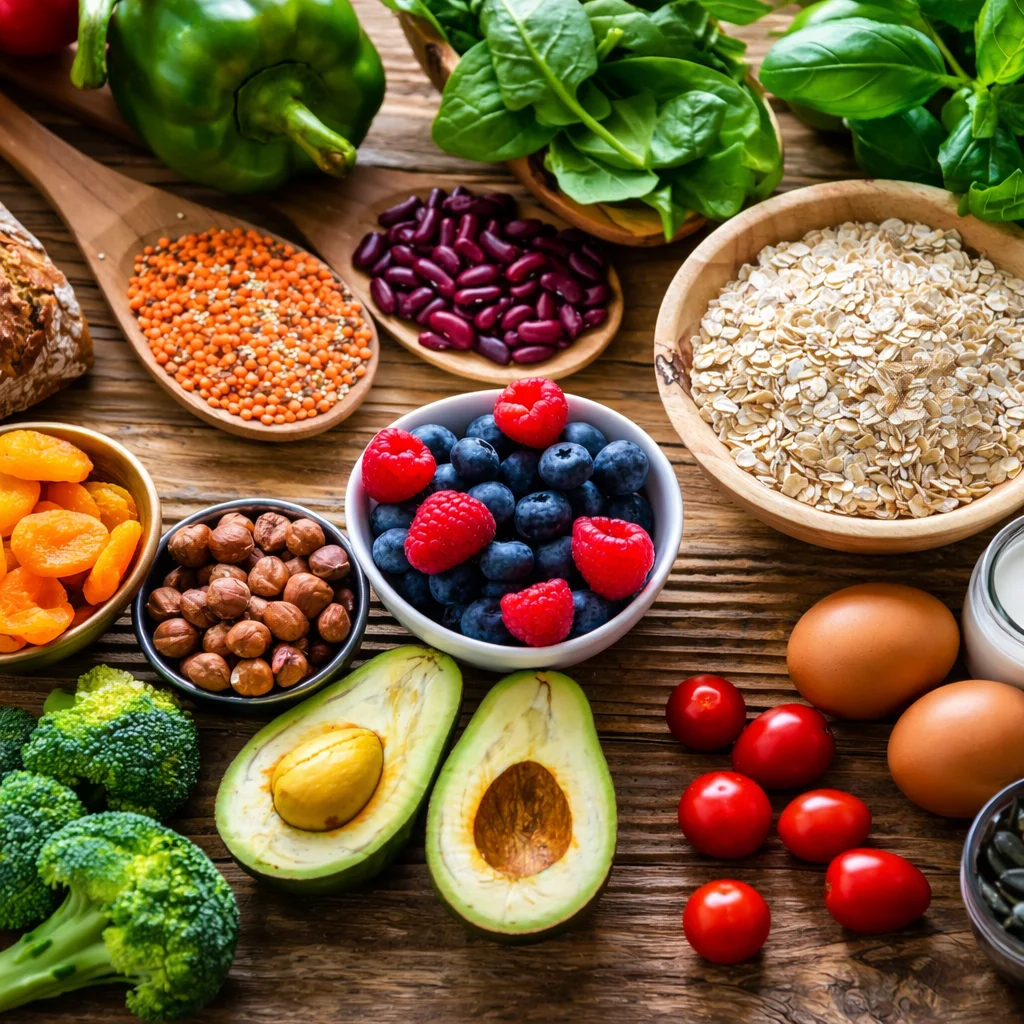
foods that destroy gut health are probably sitting in your kitchen right now, and you might be eating them every day without realizing the damage they cause. If you deal with bloating, low energy, or random digestive issues, your diet could be the hidden trigger. The truth is, certain everyday foods quietly disrupt your gut bacteria and fuel inflammation. Once you know what to avoid, improving your digestion becomes much easier.
- What Happens to Your Gut When You Eat the Wrong Foods
- Understanding the Gut Microbiome and Inflammation Connection
- How Certain Foods Disrupt Gut Bacteria Balance (Dysbiosis Explained)
- 12 Foods That Destroy Gut Health and Trigger Inflammation
- Ultra-Processed Foods and Their Impact on Digestive Health
- Sugar, Artificial Sweeteners, and Gut Microbiome Damage
- Hidden Ingredients That Harm Your Gut (Emulsifiers, Additives, Preservatives)
- Common Symptoms of Poor Gut Health and Digestive Imbalance
- Root Causes of Gut Damage Beyond Diet (Stress, Antibiotics, Lifestyle)
- How to Start Healing Your Gut Naturally (Science-Based Strategies)
- Best Foods to Restore Gut Health and Improve Microbiome Diversity
- Anti-Inflammatory Diet Plan for Better Digestion and Gut Repair
- Simple Daily Routine to Support Gut Health and Reduce Bloating
- Foods to Avoid vs Foods to Eat for a Healthy Gut (Quick Comparison)
- Internal Gut Health Resources and Recommended Reads (Gut-Friendly Recipes, Anti-Inflammatory Meals, Microbiome Guides)
- Common Questions
- Your Gut Will Thank You Promise!
What Happens to Your Gut When You Eat the Wrong Foods
- Your good bacteria start to lose the fight (and trust me, you want them winning).
- Inflammation kicks up a sneaky troublemaker lurking behind the scenes.
- You might see bloating, sluggishness, and random stomach pain pop up.
- Sometimes, the impact shows up way later (so annoying, right?).
Understanding the Gut Microbiome and Inflammation Connection
- Your gut works like a complex ecosystem, with different bacteria constantly interacting to keep your body balanced.
- Junky foods increase “bad” bacteria, letting inflammation take over.
- Chronic inflammation doesn’t just affect your gut, it can impact your mood, skin, and mental focus too.
- It’s all connected (sound wild, but it’s true).
How Certain Foods Disrupt Gut Bacteria Balance (Dysbiosis Explained)
- Certain foods, especially fast food, can quickly disrupt the balance of your gut bacteria.
- “Dysbiosis” is a fancy way to say your gut’s unbalanced.
- Less diversity = more digestive weirdness and sluggish afternoons.
- You might not even realize it’s your food doing this!
12 Foods That Destroy Gut Health and Trigger Inflammation
Alright, here’s the no-nonsense list nobody wants to hear (but someone has to say):
- Artificial sweeteners yes, even in your “healthy” soda.
- Sugary snacks/candy (gummies, cakes, you know the culprits).
- Deep-fried foods (sometimes it’s worth it, but not every day).
- White bread and pastries (lookin’ at you, breakfast bagels).
- Soda and other sugar-loaded drinks.
- Processed deli meats yep, ham and salami, too.
- Margarine and hydrogenated oils.
- Packaged snack cakes and crackers.
- Fast food everything (those nuggets don’t love you back).
- Some low-fat “diet” foods they sneak in extra junk.
- Processed cheeses.
- Alcohol (heavy drinking equals unhappy gut).
Regularly eating these foods can lead to noticeable digestive discomfort over time. Need more specifics? This worst foods for gut health guide breaks it down more.
Ultra-Processed Foods and Their Impact on Digestive Health
- Examples include boxed meals, frozen dinners, and highly processed snacks.
- These foods lack the nutrients that beneficial gut bacteria rely on.
- Additives and preservatives really tick off good bacteria.
- An occasional treat is fine, but daily? Your gut says, “No thanks.”
Sugar, Artificial Sweeteners, and Gut Microbiome Damage
- Excess sugar sends bad bacteria into overdrive.
- Artificial sweeteners like aspartame and sucralose may negatively affect gut bacteria balance.
- Your gut lining can get irritated, leaving you hungrier and crankier.
- Whole fruits are a much better choice than artificial sweeteners or added sugars.
Hidden Ingredients That Harm Your Gut (Emulsifiers, Additives, Preservatives)
- Emulsifiers can weaken the gut lining and allow harmful substances to pass through more easily.
- Preservatives slow spoilage, but also slow gut healing.
- Reading ingredient labels often reveals hidden additives in so called healthy foods.
- If you can’t pronounce it, do you really wanna eat it?
Common Symptoms of Poor Gut Health and Digestive Imbalance
- Persistent bloating or gas (the un-glamorous truth).
- Random food cravings often for more junk, go figure.
- Feeling tired after eating, or sluggish all day.
- Skin breakouts and mystery headaches, too.
Root Causes of Gut Damage Beyond Diet (Stress, Antibiotics, Lifestyle)
- Chronic stress your gut literally “feels” your stress.
- Overusing antibiotics wipes out good bacteria, not just the bad guys.
- Sitting around all day? Not helping digestion.
- Not enough sleep yep, even your gut likes a proper nap.
How to Start Healing Your Gut Naturally (Science-Based Strategies)
- Simple: eat fewer processed foods, more fiber (veggies/fruit).
- Fermented foods like yogurt or sauerkraut give gut bacteria a much-needed boost.
- Drink water. Maybe not exciting, but your belly says “thank you.”
- Move your body. Walks work wonders.
Best Foods to Restore Gut Health and Improve Microbiome Diversity
- Focus on prebiotics (like onions, garlic, oats) for daily meals.
- Colorful fruits and veggies your gut bugs love variety.
- Try fermented stuff: kefir, kimchi, miso (so tasty, seriously).
- For more, don’t miss these gut-healthy recipes.
Anti-Inflammatory Diet Plan for Better Digestion and Gut Repair
- Cut back on sugar, eat more whole foods (grandma was right).
- Add healthy fats: olive oil, salmon, avocados.
- Spices! Turmeric and ginger are gut’s best friends.
- More simple ideas over at anti-inflammatory diet for gut health.
Simple Daily Routine to Support Gut Health and Reduce Bloating
- Start your morning with water skip the soda, seriously.
- Have at least one plant-based meal per day.
- Snack on nuts, seeds, or yogurt not chips.
- Get outside for a walk after eating (plus, fresh air never hurt).
Foods to Avoid vs Foods to Eat for a Healthy Gut (Quick Comparison)
- Avoid: White bread, fried food, deli meats, sugary drinks, fake cheese.
- Eat: Whole fruits, fermented veggies, oats, lean fish, plain yogurt.
- Think of it like a see-saw when your gut feels off, tip back toward the “good” side.
- Want a deeper guide? See foods that cause inflammation.
Internal Gut Health Resources and Recommended Reads (Gut-Friendly Recipes, Anti-Inflammatory Meals, Microbiome Guides)
- Check gut-healing foods for more inspiration.
- Easy chickpea avocado salad so simple, so tasty, so good for you.
- Curated gut health resources can steer you right every time.
Common Questions
Can I undo years of bad eating?
You totally can your gut is pretty forgiving if you switch to good habits most days. A little patience pays off!
What’s the deal with bloating after eating healthy?
Your digestive system may need time to adapt, especially when increasing fiber intake. Go easy, start small, and let your body catch up.
Should I cut out all processed foods?
It is not necessary to eliminate processed foods completely. Just cut back, pick whole foods most of the time, and save the junk for rare splurges.
Does stress really wreck gut health?
Yes, stress can disrupt gut bacteria, so managing stress is important for digestive health.
Are probiotics actually worth taking?
They can help, but food variety matters way more for most people. (And your wallet’ll thank you.)
Your Gut Will Thank You Promise!
Cutting back on foods that destroy gut health can completely change how your body feels day to day. You don’t need to be perfect, just more intentional with your choices. Focus on real, whole foods, support your gut bacteria, and give your digestive system a break from constant irritation. Over time, better energy, less bloating, and improved digestion will follow naturally.