
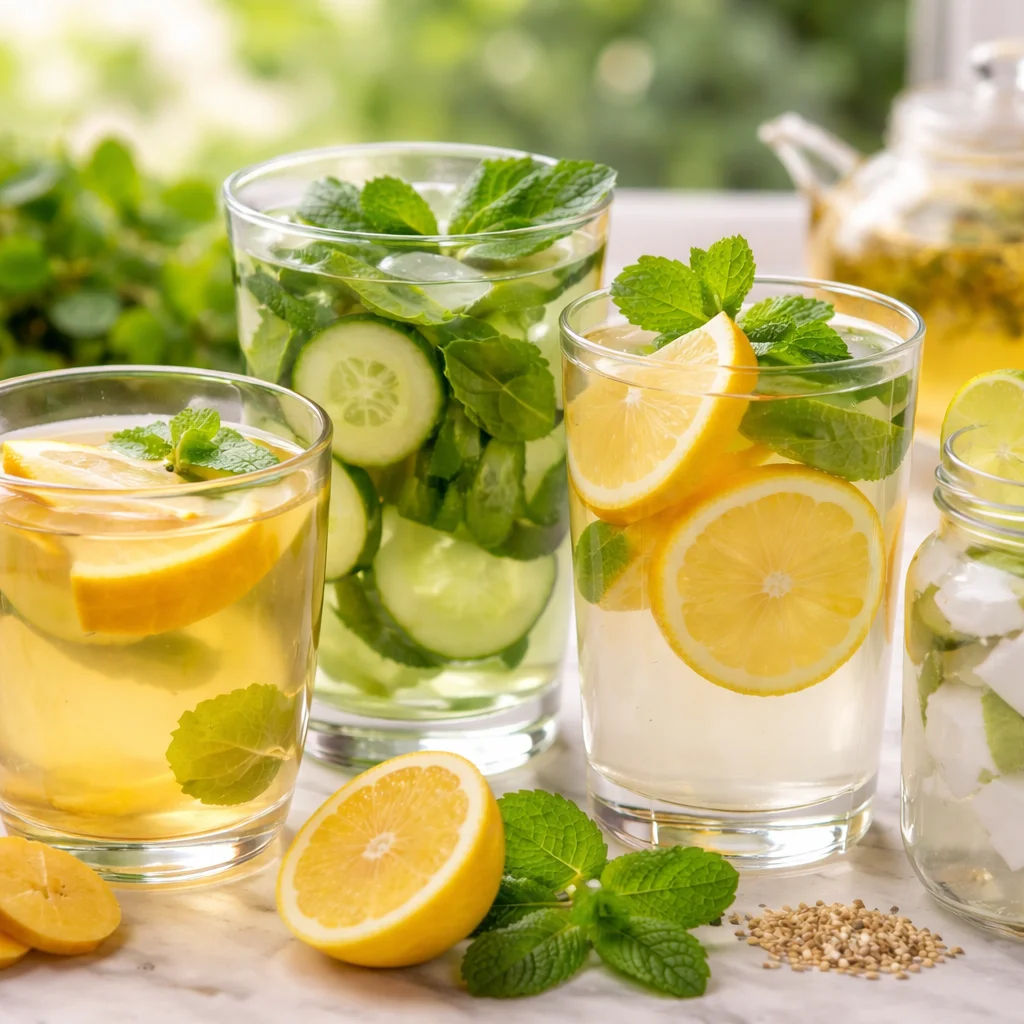
drinks that reduce bloating might be exactly what you need if your stomach feels tight, heavy, or uncomfortable after eating. That sudden bloated feeling can show up even after a simple meal, leaving you sluggish and frustrated. The good news is you do not need extreme diets or complicated solutions. With the right gut friendly drinks, you can ease digestion, reduce pressure, and feel lighter much faster than you think.
- Key Ingredients That Help Reduce Bloating and Inflammation
- Gut-Healthy Benefits of Ginger, Peppermint, Fennel, and Lemon
- Ingredient Substitutions (Low-FODMAP, Dairy-Free, Caffeine-Free Options)
- How to Make Anti-Bloating Drinks at Home (Step-by-Step Recipes)
- Pro Tips to Maximize Bloating Relief and Improve Digestion
- Common Mistakes That Can Make Bloating Worse
- Best Time to Drink These Beverages for Maximum Results
- Anti-Bloating Drink Variations (Detox, Weight Loss, Vegan, Low-Carb)
- Serving Ideas for a Flat Belly and Digestive Comfort
- How to Store and Meal Prep Gut-Friendly Drinks
- Nutritional Benefits for Gut Health, Inflammation, and Hydration
- Common Questions
- A little pep talk before you go
- Anti-Bloating Drinks
Key Ingredients That Help Reduce Bloating and Inflammation
If you want drinks that reduce bloating, it helps to know what actually works. I am not talking about miracle cures, just ingredients that have a solid reputation for soothing digestion, easing gas, and helping your body handle water balance better.
These are the go to ingredients I always keep on hand.
- Ginger for that warm, settling feeling after meals
- Peppermint when your belly feels tight or gassy
- Fennel for that classic, old school bloat relief vibe
- Lemon to perk up flavor and support hydration
- Cucumber when you want something cooling and light
- Plain water because dehydration can make bloating feel worse
- Unsweetened herbal teas to soothe without added sugar
Quick note, if your bloating feels constant or painful, it is a good idea to talk to a healthcare professional. For everyday bloating though, these ingredients can be a big comfort.
Gut-Healthy Benefits of Ginger, Peppermint, Fennel, and Lemon
I lean on these four the most because they are simple, affordable, and easy to use. They also taste great together, which matters when you are trying to actually stick with something.
Here is why I keep coming back to these four.
Ginger is my top pick when I feel heavy after eating. It is warming and can help you feel less stuck. I usually grate it fresh because the flavor is brighter, but powder works too.
Peppermint is that clean, cool sip that makes you feel like you can unbutton your pants in peace. A strong peppermint tea is my favorite after a big dinner.
Fennel has a gentle licorice taste. If you have never tried it, do not worry, it is not intense. I lightly crush fennel seeds and steep them like tea.
Lemon is more about making water and tea taste good so you drink more. Hydration helps your digestion work better, and lemon makes it easier to keep sipping.
If you want more ideas beyond today’s list, I have a helpful roundup of gut friendly drinks for better digestion that I reference all the time when I am stuck in a rut.
Ingredient Substitutions (Low-FODMAP, Dairy-Free, Caffeine-Free Options)
The best drinks are the ones your body feels good with. If you are sensitive to certain ingredients, you can still make these work with a few swaps.
Low-FODMAP friendly ideas: use ginger tea, peppermint tea, or lemon water. If fennel bothers you, skip it and lean on ginger plus peppermint.
Dairy free: any recipe that calls for kefir or yogurt can be swapped with unsweetened coconut yogurt or just left out completely. Honestly, most of my bloat relief drinks are naturally dairy free anyway.
Caffeine free: choose herbal teas. Green tea can be great for some people, but if caffeine makes you jittery or worsens reflux, stick to peppermint, ginger, or chamomile.
Sweetener swap: if honey feels too heavy, skip sweetener entirely or use a tiny splash of maple syrup. Avoid sugar alcohols if they make you gassy.
Also, if you suspect certain foods are behind the problem, this guide on why bloating happens after eating is super helpful for connecting the dots.
How to Make Anti-Bloating Drinks at Home (Step-by-Step Recipes)
Now let’s get to the good part. These are my 7 powerful go to drinks that reduce bloating. I kept these simple and practical because no one wants a complicated recipe when they feel bloated.
My 7 favorites (with quick steps)
1) Ginger lemon tea
What I do: boil water, add 1 to 2 teaspoons freshly grated ginger, steep 7 minutes. Add lemon juice at the end. Sip warm.
2) Peppermint tea “reset”
What I do: steep 1 peppermint tea bag for 8 to 10 minutes. I like it strong. This one is best after meals.
3) Fennel seed tea
What I do: crush 1 teaspoon fennel seeds with the bottom of a mug, cover with hot water, steep 10 minutes, strain if you want.
4) Cucumber lemon water
What I do: slice half a cucumber, add to a pitcher with lemon slices and cold water. Let it sit 30 minutes in the fridge. It tastes spa fancy with zero effort.
5) Pineapple ginger “smooth sip”
What I do: blend pineapple (fresh or frozen), a small chunk of ginger, and water or coconut water. Keep it light and not too thick. This is my afternoon pick when I crave something sweet.
6) Warm lemon water with a pinch of salt
What I do: warm water, lemon juice, and a tiny pinch of salt for electrolytes. Not salty, just balanced. Great if you have been under hydrated.
7) Chamomile tea with ginger
What I do: steep chamomile, add a few thin ginger slices while it steeps. This is my nighttime choice when stress is part of the bloating story.
If you enjoy simple blends, gut friendly smoothies can also be a great option, especially on busy mornings.
Pro Tips to Maximize Bloating Relief and Improve Digestion
Drinks help, but small daily habits make a big difference. Here are the tips I use when I want the “ahh” feeling to actually last.
Go warm when you feel tight. Warm tea often feels more soothing than cold drinks.
Sip, do not chug. Chugging can pull in air and make you feel more swollen.
Pair your drink with a slow walk. Even 10 minutes after eating can help you feel less stuffed.
Keep it lightly flavored. Too much citrus or super strong tea can irritate reflux for some people.
Be consistent for a few days. If you only do it once, you might feel better briefly, but the real payoff is when you repeat the basics.
Common Mistakes That Can Make Bloating Worse
I have made every single one of these mistakes, so no judgment.
Overdoing carbonated drinks, even sparkling water. Bubbles can equal more pressure.
Going too hard on “detox” ingredients like tons of lemon, cayenne, or vinegar. Some people feel worse, not better.
Using sugar free sweeteners that your gut does not like. They can be sneaky gas triggers.
Drinking through a straw. It can pull in extra air and make you feel puffier.
Ignoring the food side. If you are eating lots of salty foods or known triggers, the drink is fighting an uphill battle. If you want a practical, no stress plan, check out this guide on how to reduce bloating naturally with foods and habits.
Best Time to Drink These Beverages for Maximum Results
Timing matters more than you think, just in a natural way that supports your body.
Morning: warm lemon water or ginger tea if you wake up feeling puffy or sluggish.
After meals: peppermint or fennel tea when you feel full, gassy, or tight.
Mid afternoon: cucumber water or pineapple ginger if you want something refreshing and light.
Evening: chamomile with ginger if stress is messing with your stomach.
If you are super bloated at night, I also like stopping big drinks right before bed so I am not waking up to pee. Small sips are perfect.
Anti-Bloating Drink Variations (Detox, Weight Loss, Vegan, Low-Carb)
I do not believe in big promises, but small changes can really match your goals.
“Detox” vibe without the drama: cucumber lemon water with a little grated ginger. Hydrating and simple.
Weight loss friendly: peppermint tea or plain ginger tea. No sugar, no extras, just a calm belly and fewer cravings for random snacks.
Vegan: all of the teas and infused waters here are vegan. For smoothies, use water or coconut water instead of dairy.
Low carb: stick to herbal teas, lemon water, cucumber water. Skip the pineapple smoothie if you are keeping carbs very low.
The point is not perfection. It is finding drinks that reduce bloating that you actually enjoy drinking.
Serving Ideas for a Flat Belly and Digestive Comfort
I like pairing these drinks with simple, gut calm foods so my stomach does not have to work overtime.
- After dinner: peppermint tea with a small bowl of berries
- Breakfast: ginger tea alongside eggs and sautéed spinach
- Lunch: cucumber lemon water with rice and grilled chicken
- Snack: chamomile tea with a banana if you tolerate it
If you want meal ideas that go with these drinks, I keep a list of anti bloating meals that I use when my stomach is in a mood.
How to Store and Meal Prep Gut-Friendly Drinks
I am big on prepping because when you are bloated, you do not want to think. Here is what works in my kitchen.
Infused water: make a pitcher and keep it in the fridge up to 24 hours for best flavor. Cucumber can get bitter if it sits too long, so I usually refill daily.
Tea concentrate: brew ginger tea strong, cool it, store in a jar for up to 3 days. Then just add hot water to a splash of concentrate when you want it.
Freezer smoothie packs: portion pineapple chunks and ginger into small bags. Blend with water when you are ready. It feels like cheating in the best way.
And yes, you can reheat tea. Just do it gently so it still tastes fresh.
Nutritional Benefits for Gut Health, Inflammation, and Hydration
One reason I keep coming back to these is they do more than just help you feel less puffy for an hour.
Hydration support: infused water and herbal tea help you drink more, which can reduce water retention and keep digestion moving.
Gentle digestion support: ginger, peppermint, and fennel are well known for calming the stomach and supporting comfortable digestion.
Lower inflammation habits: choosing soothing drinks over sugary sodas can be a small but meaningful shift if you deal with regular digestive flare ups.
These are not magic, but they are reliable. And when you stack them with good meals and better pacing while eating, it adds up fast.
Common Questions
How fast do these work?
For me, peppermint or ginger tea can help within 30 to 60 minutes, especially after a big meal. If the bloating is from hormones or constipation, it may take longer and need food changes too.
Can I drink these every day?
Yep, most of them are gentle enough for daily use. Just keep lemon reasonable if you have reflux, and do not overdo any single ingredient.
What if peppermint makes reflux worse?
That happens for some people. Swap peppermint for chamomile or ginger, and keep drinks warm, not super hot.
Are smoothies always a good idea for bloating?
Not always. If you pack in too much fruit or add sweeteners, it can backfire. Keep it simple and watch your portion size.
Should I avoid sparkling water?
If you are actively bloated, I would skip it. Once you feel normal again, you can test it and see how your body reacts.
A little pep talk before you go
drinks that reduce bloating can make a real difference when you choose the right ingredients and stay consistent. Simple options like ginger tea or peppermint can gently support digestion and help your gut feel more at ease. Start with one drink you enjoy, build it into your routine, and pay attention to how your body responds. Small daily choices like these can lead to lasting comfort and better gut health over time.
Anti-Bloating Drinks
Ingredients
Method
- For Ginger Lemon Tea: Boil water, add freshly grated ginger, steep for 7 minutes. Add lemon juice at the end and sip warm.
- For Peppermint Tea ‘Reset’: Steep peppermint tea bag for 8 to 10 minutes.
- For Fennel Seed Tea: Crush fennel seeds, cover with hot water, steep for 10 minutes, and strain if desired.
- For Cucumber Lemon Water: Slice cucumber and lemon, add to a pitcher with cold water, and let sit in the fridge for 30 minutes.
- For Pineapple Ginger ‘Smooth Sip’: Blend pineapple, a small chunk of ginger, and water or coconut water until smooth.
- For Warm Lemon Water with Salt: Warm water, add lemon juice and a small pinch of salt.
- For Chamomile Tea with Ginger: Steep chamomile with ginger slices.