
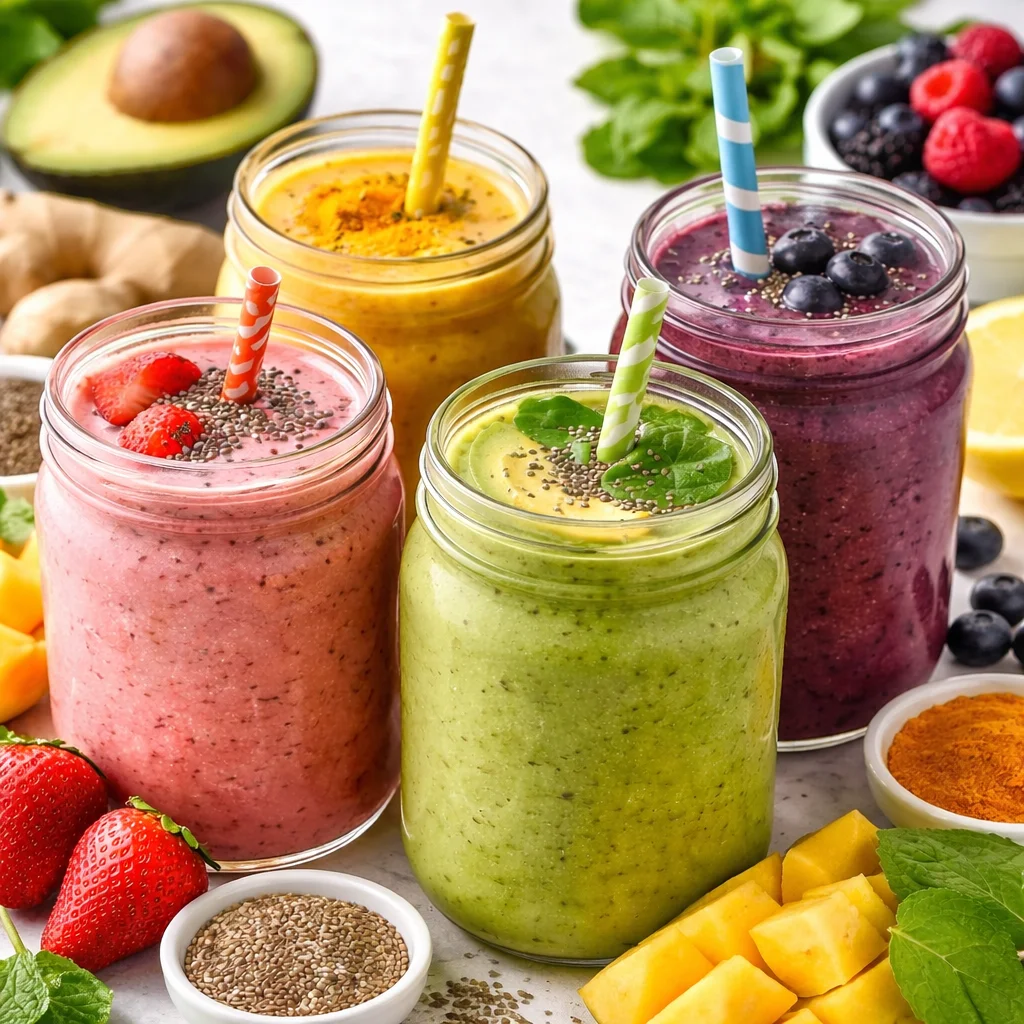
anti inflammatory smoothies can be a game changer when your stomach feels off and your energy drops before the day even starts. If you want a quick breakfast or snack that supports gut health without leaving you feeling heavy, these blends are a smart place to start. With the right mix of fiber, healthy fats, and gentle ingredients, anti inflammatory smoothies can help ease bloating, support digestion, and keep your energy steady.
- Anti-Inflammatory Smoothies for Gut Health and Energy (Easy, Healthy Recipes)
- Why Anti-Inflammatory Smoothies Support Gut Health and Reduce Inflammation
- What Makes a Smoothie Anti-Inflammatory? Key Ingredients Explained
- Best Ingredients for Anti-Inflammatory Smoothies (Gut-Friendly Superfoods)
- 8 Anti-Inflammatory Smoothie Recipes for Energy, Digestion, and Gut Health
- How to Make Anti-Inflammatory Smoothies (Step-by-Step Guide)
- Ingredient Substitutions (Dairy-Free, Low-Sugar, Vegan, Low-FODMAP Options)
- Pro Tips to Make the Best Anti-Inflammatory Smoothies Every Time
- Common Smoothie Mistakes That Can Increase Inflammation
- Anti-Inflammatory Smoothie Variations (High-Protein, Low-Carb, Detox, Meal Replacement)
- How to Use Smoothies for Gut Health, Energy, and Bloating Relief
- Serving Suggestions and When to Drink Anti-Inflammatory Smoothies
- Storage, Freezing, and Meal Prep Tips for Smoothies
- Nutritional Benefits of Anti-Inflammatory Smoothies (Fiber, Probiotics, Energy Support)
- Common Questions
- A final sip before you go
- Anti-Inflammatory Smoothies
Anti-Inflammatory Smoothies for Gut Health and Energy (Easy, Healthy Recipes)
I treat smoothies like my easiest wellness habit because they are fast, flexible, and you can stack a lot of good stuff into one glass. The goal here is not perfection. It is making a drink that feels good in your body, tastes great, and fits real life.
I am sharing my go to anti inflammatory smoothies that I make when I want calmer digestion, less bloating, and steady energy. They are not complicated, and you do not need fancy powders to make them work. If you have a blender and a few staples, you are set.
Quick note: if you have a medical condition, are pregnant, or take medications (especially blood thinners), check with your healthcare provider before going heavy on ingredients like turmeric or ginger.
Why Anti-Inflammatory Smoothies Support Gut Health and Reduce Inflammation
Your gut affects how you feel more than most people realize. When it is happy, you feel lighter, clearer, and more energetic. When it is irritated, everything feels harder, including focus and sleep.
Anti inflammatory smoothie ingredients can support digestion in a few ways, including adding fiber, plant compounds, and sometimes probiotics.
They also help me stay full longer, which makes it easier to avoid sugary snacks later.
Also, smoothies can be a gentle way to get nutrition when you are not in the mood to chew a big breakfast. That alone can be a relief on sensitive stomach days.
What Makes a Smoothie Anti-Inflammatory? Key Ingredients Explained
A smoothie is only as good as the ingredients you use. What matters is what you put in the blender and what you skip. Here is the simple formula I follow: colorful plants, healthy fats, fiber, and not too much added sugar.
A simple gut-friendly base
I usually start with unsweetened options like almond milk, coconut water, or plain kefir. If dairy works for you, plain yogurt or kefir can add helpful probiotics. If dairy does not love you back, coconut yogurt or a dairy free kefir style drink is a good swap.
Anti-inflammatory boosters that actually help
These are the add ins I use most often because they work well in a simple routine.
Ginger for that warm, calming kick, turmeric (with a pinch of black pepper) for a deeper anti inflammatory boost, berries for antioxidants, chia or ground flax for fiber and omega 3 fats, and leafy greens for minerals without a lot of sugar.
Best Ingredients for Anti-Inflammatory Smoothies (Gut-Friendly Superfoods)
If I were stocking a small smoothie corner in my kitchen, this is what I would keep around. You do not need all of it at once. Pick a few that sound doable.
- Frozen blueberries and frozen cherries for easy antioxidants
- Spinach or baby kale (mild flavor, big nutrients)
- Banana adds creaminess, and using half can help keep the sugar lower
- Avocado for healthy fats and that milkshake texture
- Chia seeds or ground flaxseed for fiber support
- Plain kefir or plain yogurt for probiotics if tolerated
- Ginger and turmeric (fresh or powdered)
- Cinnamon for cozy flavor and better balance
- Rolled oats for extra staying power
One helpful trick is to keep frozen fruit on hand. It makes smoothies cold and thick without needing ice, and it is usually cheaper than fresh berries.
8 Anti-Inflammatory Smoothie Recipes for Energy, Digestion, and Gut Health
These are my regular rotation. All recipes make one large smoothie or two smaller ones. If you are new to these flavors, start with less ginger and turmeric, then build up.
1) Blueberry Ginger Gut Cooler
Blend: 1 cup frozen blueberries, 1 small banana, 1 inch fresh ginger, 1 tablespoon chia, 1 cup unsweetened almond milk, squeeze of lemon.
This one tastes fresh, bright, and slightly zesty.
2) Golden Turmeric Mango Smoothie
Blend: 1 cup frozen mango, 1 cup coconut milk (light is fine), 1 teaspoon turmeric, pinch black pepper, 1 tablespoon ground flax, 1 teaspoon honey (optional).
Tip: if you skip honey, add a splash of vanilla for sweetness vibes without sugar.
3) Cherry Cacao Recovery Blend
Blend: 1 cup frozen cherries, 1 tablespoon cocoa powder, 1 tablespoon almond butter, 1 cup oat milk, pinch cinnamon, handful spinach.
This smoothie tastes rich and comforting, but still feels easy on digestion.
4) Green Avocado Lime Smoothie
Blend: 1 cup spinach, 1 half avocado, 1 kiwi, juice of 1 lime, 1 tablespoon chia, 1 to 1.5 cups coconut water.
If you want it sweeter, add a few pineapple chunks.
5) Oatmeal Berry Belly Soother
Blend: 3 tablespoons rolled oats, 1 cup mixed berries, 1 cup plain kefir (or dairy free), 1 tablespoon ground flax, dash cinnamon.
This is the one I make when I need breakfast to actually hold me.
6) Pineapple Mint Bloat Helper
Blend: 1 cup pineapple, handful mint, 1 inch ginger, 1 tablespoon chia, 1 cup cold water or coconut water, squeeze of lime.
It tastes like a vacation and feels light after a heavy meal day.
7) Apple Cinnamon Yogurt Smoothie
Blend: 1 chopped apple (or unsweetened applesauce), 3/4 cup plain yogurt, 1 cup almond milk, 1 tablespoon chia, lots of cinnamon, pinch salt.
A small pinch of salt brings out the apple flavor nicely.
8) Beet Berry Energy Builder
Blend: 1/2 small cooked beet (or vacuum packed), 1 cup berries, 1 banana, 1 tablespoon hemp seeds, 1 cup water or almond milk.
This one is great before a walk. Also, beet stains, so rinse your blender fast.
How to Make Anti-Inflammatory Smoothies (Step-by-Step Guide)
I keep this process super simple. The only real trick is layering so your blender does not struggle.
- Add liquids first (milk, water, kefir).
- Add soft stuff next (yogurt, avocado, banana).
- Add powders and seeds (chia, flax, cocoa, spices).
- Add frozen fruit and greens last.
- Blend until smooth, then taste and adjust.
Adjusting is normal. If it is too thick, add a splash more liquid. If it is too thin, add frozen fruit or a few ice cubes. If it tastes flat, add lemon, lime, or a tiny pinch of salt.
Ingredient Substitutions (Dairy-Free, Low-Sugar, Vegan, Low-FODMAP Options)
This is where smoothies become easier to adapt to different dietary needs.
Dairy-free: use almond milk, coconut milk, oat milk, or coconut yogurt. Look for unsweetened.
Low-sugar: use half a banana, lean on berries, add cinnamon and vanilla for sweetness.
Vegan: skip honey, use maple syrup if needed, or just ripe fruit.
Low-FODMAP: keep portions of avocado small, choose strawberries or blueberries, use lactose free yogurt or a dairy free option, and go easy on apples and mango if they bother you.
Also, if you are sensitive to seeds, start with 1 teaspoon chia or flax and see how you feel.
Pro Tips to Make the Best Anti-Inflammatory Smoothies Every Time
These tips made a big difference after plenty of trial and error.
Use frozen fruit for thickness without extra ice.
Add protein if you want longer energy: Greek yogurt, hemp seeds, or an unsweetened protein powder you tolerate.
Balance the flavors with lemon or lime so greens taste fresh, not grassy.
Start small with spices like turmeric and ginger, then build up as your taste buds adjust.
And my favorite tip: if you want a smoother texture, blend your greens with the liquid first, then add the rest.
Common Smoothie Mistakes That Can Increase Inflammation
Some common smoothie habits can quietly turn a healthy blend into a high sugar drink.
Big mistakes I see a lot:
Too much fruit and no fiber or fat to balance it.
Sweetened yogurt or flavored milk that adds a lot of sugar.
Going heavy on fruit juice as the base instead of water or unsweetened milk.
Skipping protein if you need the smoothie to be a real meal.
If your smoothie leaves you hungry fast or jittery, it probably needs more fat, fiber, or protein.
Anti-Inflammatory Smoothie Variations (High-Protein, Low-Carb, Detox, Meal Replacement)
You can tweak these depending on what your day looks like.
High-protein: add Greek yogurt, collagen peptides, or a clean protein powder, plus hemp seeds.
Low-carb: use berries, greens, avocado, and unsweetened almond milk, skip banana and mango.
Detox style: keep it simple with greens, lemon, ginger, cucumber, and a small amount of fruit for taste.
Meal replacement: include protein plus fat plus fiber, like yogurt, nut butter, chia, and berries.
I usually make meal replacement smoothies on busy days when I need something filling and convenient.
How to Use Smoothies for Gut Health, Energy, and Bloating Relief
Consistency matters more than perfection. I like having anti inflammatory smoothies a few times a week, especially after heavier meals or during stressful weeks when my digestion gets weird.
For bloating, I reach for ginger, mint, pineapple, and chia, and I keep the portion reasonable. Huge smoothies can backfire if your gut is sensitive. For energy, I focus on adding protein and not relying on a ton of fruit.
If you are rebuilding your gut routine, start with simpler blends and fewer ingredients. Your body usually tells you what works.
Serving Suggestions and When to Drink Anti-Inflammatory Smoothies
Timing is flexible, but these are the times that tend to work best.
- Morning: as breakfast with protein added for steady energy
- Mid afternoon: when you want a snack that does not wreck dinner
- Pre-walk or post-workout: cherry cacao or beet berry are great choices
- After a heavy meal day: pineapple mint or green avocado lime feels refreshing
If caffeine bothers your gut, try having your smoothie first, then coffee after. That one change can feel surprisingly helpful.
Storage, Freezing, and Meal Prep Tips for Smoothies
Fresh is best, but life is busy, so here is the realistic version.
You can prep freezer packs: add frozen fruit, greens, and seeds to a bag, then dump into the blender with your liquid when ready. If you blend ahead, store in a sealed jar in the fridge and drink within 24 hours for best taste. It may separate, just shake it up.
For freezing, pour the smoothie into silicone molds, then blend the cubes later with a little liquid.
Nutritional Benefits of Anti-Inflammatory Smoothies (Fiber, Probiotics, Energy Support)
What I love about these is they support your body in more than one way. Fiber from berries, chia, flax, and greens helps digestion and keeps you full. Probiotics from kefir or yogurt can support a healthier gut balance if you tolerate dairy or choose dairy free versions with live cultures.
Healthy fats from avocado, nuts, and seeds help with steady energy and make the smoothie feel satisfying. And those colorful fruits and greens bring antioxidants that support your body’s natural response to stress. It is not a quick fix, but it can be a smart daily habit.
Common Questions
Can I drink these every day?
Yes, if the ingredients agree with you. I would rotate recipes and keep an eye on added sweeteners so sugar does not creep up.
What if smoothies make me bloated?
Try smaller portions, fewer ingredients, and less chia at first. Also blend longer and avoid loading up on high sugar fruit.
Do I need turmeric with black pepper?
It helps your body use turmeric better, but keep it tiny. A small pinch is plenty, and you can skip it if pepper irritates your stomach.
What is the best liquid base for gut health?
Plain kefir or plain yogurt thinned with water is great if you tolerate dairy. Otherwise, unsweetened almond milk or coconut water are gentle options.
Can I make anti inflammatory smoothies without banana?
Absolutely. Use avocado for creaminess, or add frozen cauliflower rice for thickness with a mild taste.
A final sip before you go
anti inflammatory smoothies are one of the easiest ways to support gut health without making your routine complicated. A few simple ingredients can help you build a drink that feels light, satisfying, and easier on digestion. Start with one recipe, see how your body responds, and keep the combinations that make you feel your best. Over time, anti inflammatory smoothies can become a simple habit that supports both energy and digestive comfort.
Anti-Inflammatory Smoothies
Ingredients
Method
- Add the liquids (almond milk) to the blender first.
- Follow with the banana and any soft ingredients.
- Add the ginger, turmeric, and chia seeds next.
- Lastly, add the frozen fruit.
- Blend until smooth, then taste and adjust as necessary.