
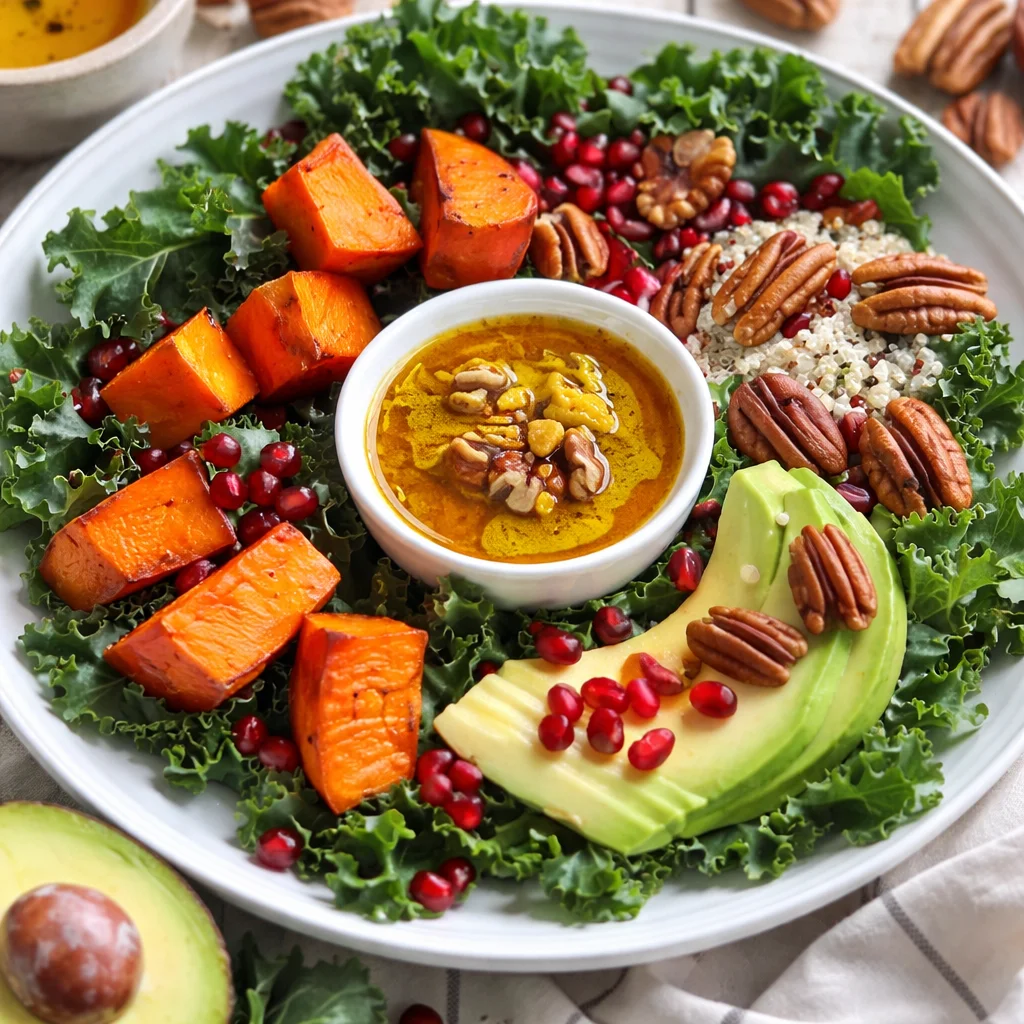
anti inflammatory salads can feel disappointing when they leave you hungry an hour later, especially when you are trying to eat clean and support your digestion. What if your salad could actually keep you full and energized? These recipes show you how to build satisfying, gut-friendly meals that truly work.
- Why These Anti Inflammatory Salad Recipes Are Gut-Friendly and Reduce Inflammation
- 10 Anti Inflammatory Salad Recipes for a Filling and Balanced Meal
- Key Anti Inflammatory Ingredients That Support Gut Health and Satiety
- Health Benefits of Anti Inflammatory Salads (Digestion, Energy, Weight Balance)
- How to Build a High-Protein Anti Inflammatory Salad That Keeps You Full
- Ingredient Substitutions (Gluten-Free, Dairy-Free, Low-FODMAP, Vegan Options)
- Step-by-Step Guide to Making the Perfect Anti Inflammatory Salad
- Pro Tips to Make Anti Inflammatory Salads More Flavorful and Satisfying
- Common Mistakes That Make Your Salad Less Filling or Harder to Digest
- Easy Variations (High-Protein, Vegan, Low-Carb, Mediterranean Style)
- Serving Ideas for Anti Inflammatory Salads (Lunch, Dinner, Meal Prep Bowls)
- How to Store and Meal Prep Anti Inflammatory Salads for the Week
- Nutritional Highlights (Macros, Fiber, Gut Health Benefits, Anti-Inflammation Support)
- Common Questions
- A little pep talk before you chop and toss
- Anti Inflammatory Salad
- Salmon, Avocado, and Cucumber Crunch
- Turmeric Chicken and Roasted Sweet Potato Salad
- Chickpea, Tomato, and Olive Mediterranean Bowl
- Lentil and Roasted Carrot Tahini Salad
- Berry, Walnut, and Goat Cheese Spinach Salad
- Quinoa, Cucumber, and Herb Power Salad
- Ginger Sesame Tuna and Edamame Salad
- Warm Roasted Veggie and White Bean Salad
- Turkey, Apple, and Pecan Salad
- Shrimp, Mango, and Lime Cilantro Salad
- Preparation
- Assembly
Why These Anti Inflammatory Salad Recipes Are Gut-Friendly and Reduce Inflammation
I am not a doctor, but I have cooked my way through enough bloating days to notice patterns. When my salad is built around whole foods like leafy greens, beans, salmon, olive oil, berries, and herbs, my stomach feels calmer and I stay satisfied longer.
These anti inflammatory salads support digestion by avoiding common triggers that often lead to bloating or low energy. No huge piles of raw cruciferous veggies with nothing else. No sugar bombs disguised as dressing. Instead, you get balanced meals with fiber plus protein plus fat, which is the combination that helps steady energy and keeps cravings down.
If you like the anti inflammatory vibe and want more meal ideas beyond salads, I also keep this one bookmarked for weeknights: anti-inflammatory dinner recipes for busy weeknights.
10 Anti Inflammatory Salad Recipes for a Filling and Balanced Meal
These are the salads I actually want to eat, not the ones I force myself to finish. I am giving you simple combos with a quick dressing idea for each. Use them as a blueprint and adjust what you have in the fridge.
1) Salmon, Avocado, and Cucumber Crunch
Base: mixed greens or arugula. Add: cooked salmon flakes, cucumber, avocado, pumpkin seeds. Dressing: olive oil, lemon, Dijon, pinch of salt. This one feels like a fancy lunch but takes 10 minutes if your salmon is already cooked.
2) Turmeric Chicken and Roasted Sweet Potato Salad
Base: spinach. Add: turmeric seasoned chicken, roasted sweet potato cubes, red onion, cilantro. Dressing: olive oil, lime, honey. If you need chicken inspo, this is a great companion read: 10 easy anti-inflammatory chicken recipes for a healthy gut.
3) Chickpea, Tomato, and Olive Mediterranean Bowl
Base: romaine plus chopped parsley. Add: chickpeas, cherry tomatoes, olives, cucumbers, roasted red peppers. Dressing: olive oil, red wine vinegar, oregano. Add feta if you tolerate dairy.
4) Lentil and Roasted Carrot Tahini Salad
Base: baby kale (massage it a little with olive oil). Add: cooked lentils, roasted carrots, chopped dates, walnuts. Dressing: tahini, lemon, warm water, garlic. It is sweet, savory, and honestly addictive.
5) Berry, Walnut, and Goat Cheese Spinach Salad
Base: spinach. Add: blueberries or strawberries, walnuts, goat cheese, cucumber. Dressing: olive oil, balsamic, pinch of salt. Great for when you want something light but still satisfying.
6) Quinoa, Cucumber, and Herb Power Salad
Base: mixed greens. Add: quinoa, cucumber, dill, mint, scallions, sunflower seeds. Dressing: lemon, olive oil, a little grated ginger. This is my “meal prep hero” because quinoa holds up well.
7) Ginger Sesame Tuna and Edamame Salad
Base: shredded cabbage plus greens. Add: tuna, shelled edamame, carrots, cucumber. Dressing: sesame oil, rice vinegar, ginger, tamari. If cabbage is rough on you, swap to romaine.
8) Warm Roasted Veggie and White Bean Salad
Base: arugula. Add: warm roasted zucchini, peppers, onions, white beans. Dressing: olive oil, lemon, basil. The warmth makes it extra comforting and easier to digest for some people.
9) Turkey, Apple, and Pecan Salad
Base: romaine. Add: sliced turkey, apple, pecans, celery. Dressing: olive oil, lemon, a little mustard. This one hits that crunchy sweet vibe without going overboard.
10) Shrimp, Mango, and Lime Cilantro Salad
Base: mixed greens. Add: shrimp, mango, cucumber, cilantro, avocado. Dressing: lime, olive oil, pinch of chili flakes. It tastes like a mini vacation and still keeps you full.
Quick note: if you prefer bowl style meals that feel like salads but eat like dinner, I love this roundup too: anti-inflammatory bowls you will love.
Key Anti Inflammatory Ingredients That Support Gut Health and Satiety
This is where the magic comes from. When I stock these basics, I can throw together Anti Inflammatory Salad Recipes without thinking too hard.
Protein keeps you full: salmon, chicken, turkey, tuna, eggs, lentils, chickpeas, tofu.
Fiber feeds your gut microbes: leafy greens, beans, quinoa, berries, apples, sweet potatoes.
Healthy fats help satisfaction and flavor: olive oil, avocado, nuts, seeds, tahini.
Anti inflammatory boosters: turmeric, ginger, garlic, cinnamon, herbs, citrus, berries.
If you want a bigger list to shop from, check out this guide I refer to a lot: anti-inflammatory foods for gut health and energy.
Health Benefits of Anti Inflammatory Salads (Digestion, Energy, Weight Balance)
When I eat these salads regularly, I notice clear improvements in digestion, energy, and overall satiety. My digestion feels more regular, my afternoon slump is less dramatic, and I snack less at night because dinner actually satisfied me.
From a practical standpoint, balanced salads help because:
1) Fiber plus protein slows digestion in a good way, so you stay full longer.
2) Less added sugar means fewer energy crashes.
3) Whole foods bring in potassium, magnesium, and antioxidants that support overall wellness.
4) When you feel steady, it is easier to keep a comfortable weight without feeling deprived.
How to Build a High-Protein Anti Inflammatory Salad That Keeps You Full
If you only take one thing from this post, make it this: a filling salad needs a structure. I use a simple formula and it works every time.
My full-and-happy salad formula:
Start with 2 big handfuls of greens, then add:
- 1 to 2 palms of protein (chicken, salmon, beans, tofu, eggs)
- 1 fist of fiber carbs (quinoa, lentils, sweet potato, fruit)
- 1 thumb of healthy fat (olive oil dressing, avocado, nuts, seeds)
- Something crunchy (cucumber, carrots, pepitas, cabbage)
- Something punchy (lemon, vinegar, herbs, pickled onions)
That is the difference between “rabbit food” and a real meal. And yes, you can absolutely do this with Anti Inflammatory Salad Recipes even if you are short on time.
Ingredient Substitutions (Gluten-Free, Dairy-Free, Low-FODMAP, Vegan Options)
I am big on flexibility because food should fit your body, not the other way around.
Gluten-free: skip croutons, use quinoa, rice, or roasted potatoes for heft.
Dairy-free: swap feta or goat cheese for avocado, olives, or a tahini dressing.
Vegan: use chickpeas, lentils, tofu, tempeh, or edamame as your protein.
Low-FODMAP-ish: choose greens, cucumber, carrots, bell pepper, citrus. Use garlic infused olive oil instead of raw garlic. Go easy on onions and large bean portions.
Step-by-Step Guide to Making the Perfect Anti Inflammatory Salad
I keep this super simple. No fancy tools, no chef stuff.
- Wash and dry your greens well so the dressing sticks and nothing gets soggy.
- Cook your protein ahead if you can. Leftover chicken or salmon makes salads so easy.
- Roast one tray of veggies (sweet potato, carrots, zucchini) for the week.
- Mix dressing in a jar. Taste it before you pour it on.
- Layer smart: hearty items on the bottom, greens on top if you are packing it.
When I do this, Anti Inflammatory Salad Recipes stop feeling like a chore and start feeling like a plan I can actually stick to.
Pro Tips to Make Anti Inflammatory Salads More Flavorful and Satisfying
Flavor is what makes you come back tomorrow. Here are my not-boring tricks:
Use herbs like they are salad greens. Parsley, cilantro, dill, mint. They make everything taste fresher.
Add a warm element. Warm roasted veggies or warm protein makes the salad feel more like dinner.
Go for contrast. Creamy avocado plus crunchy seeds. Sweet berries plus salty olives. It keeps every bite interesting.
Salt matters. A tiny pinch on tomatoes and cucumbers brings out flavor fast.
Common Mistakes That Make Your Salad Less Filling or Harder to Digest
I have made every mistake on this list, so no judgment.
1) Only greens and watery veggies. You will be hungry again soon.
2) Fat-free dressing. It rarely satisfies, and some nutrients are better absorbed with fat.
3) Raw overload when your stomach is sensitive. Mix in roasted veggies or cooked grains.
4) Too many sweet toppings. Dried fruit, candied nuts, sugary dressing can spike hunger later.
5) Giant bean portions without easing in. Beans are great, but your gut might need time.
Easy Variations (High-Protein, Vegan, Low-Carb, Mediterranean Style)
Once you have a base recipe, it is easy to switch it up:
High-protein: double the chicken or add an egg plus seeds.
Vegan: chickpeas plus quinoa plus tahini dressing is the easiest combo.
Low-carb: skip grains, add extra avocado, olives, nuts, and a bigger protein portion.
Mediterranean style: tomatoes, cucumbers, olives, herbs, lemon, olive oil, and a protein of choice.
Serving Ideas for Anti Inflammatory Salads (Lunch, Dinner, Meal Prep Bowls)
This is where salads become real life friendly. Here are my favorite ways to serve them:
- Lunch: pack dressing separately and add right before eating.
- Dinner: serve with a warm protein on top so it feels extra filling.
- Meal prep bowls: build in a container with grains and protein at the bottom, greens on top.
- Side salad: keep it simple and pair with soup or a sheet pan meal.
On weeks when I am really planning ahead, I like pairing these salads with quick mains from this guide: 30-minute anti-inflammatory dinners.
How to Store and Meal Prep Anti Inflammatory Salads for the Week
Meal prep salads can be amazing or totally miserable, depending on moisture. Here is what works for me.
Store components separately when possible: greens, protein, crunchy toppings, and dressing.
Jar method: dressing on bottom, then hearty veg and grains, then protein, then greens on top.
Keep crunchy items dry: nuts and seeds in a little bag or container.
Timing: most cooked proteins and grains are good for about 3 to 4 days in the fridge. If something smells off, toss it. I do not mess around with food safety.
Nutritional Highlights (Macros, Fiber, Gut Health Benefits, Anti-Inflammation Support)
You do not need to count macros to benefit from these, but it helps to know what makes them satisfying.
Typical balanced salad range: 25 to 40 grams protein if you add a solid portion of chicken, fish, turkey, tofu, or beans. Fiber can easily hit 8 to 14 grams when you add beans, berries, apples, quinoa, or sweet potato. Healthy fats from olive oil, avocado, nuts, and seeds help your body feel satisfied and support nutrient absorption.
And for anti inflammation support, you are getting antioxidants from colorful produce, omega 3 fats from fish or seeds, plus helpful compounds from spices like turmeric and ginger. That is why Anti Inflammatory Salad Recipes can feel like “light food” but still do big things for energy and digestion.
Common Questions
1) Can I eat these salads every day?
Yes, and you will probably feel best if you rotate proteins and veggies so you do not get bored and your gut gets variety.
2) What if raw greens bother my stomach?
Try softer greens like butter lettuce, add warm roasted veggies, or do a partly cooked base like quinoa plus herbs.
3) What is the easiest protein to meal prep for salads?
Chicken thighs, shredded chicken, hard boiled eggs, and canned tuna are the easiest in my kitchen.
4) How do I keep salads from getting soggy?
Keep dressing separate, dry your greens well, and put juicy stuff like tomatoes closer to the bottom.
5) Are store bought dressings okay?
Sometimes, yes. I just check the label and avoid ones with lots of added sugar or mystery oils when I can.
A little pep talk before you chop and toss
If you take anything from this post, let it be that Anti Inflammatory Salad Recipes do not have to feel punishing, and they definitely do not have to leave you hungry. Start with one recipe, pick a protein you love, and build from there. If you want extra ideas for what to add at a salad bar, I found this helpful guide: 7 Best Anti-Inflammatory Salad Bar Foods – BREADLESS. Now grab a bowl, make it colorful, and give yourself permission to enjoy eating well this week.
Anti Inflammatory Salad
Ingredients
Method
- Wash and dry the greens thoroughly.
- Cook proteins ahead if needed (e.g., chicken or salmon).
- Roast sweet potatoes or other vegetables if applicable.
- Mix dressings in a jar; taste and adjust as necessary.
- Layer the salads with hearty items at the bottom and greens on top.
- Add toppings right before serving to maintain crunch.