
store egg roll in a bowl correctly can be the difference between a fresh, satisfying meal and leftovers that feel heavy and hard to enjoy. Ever opened your fridge and wondered if your meal still feels “safe” or just off? The way you store and reheat this dish matters more than you think, not just for taste, but for digestion too.
- How to Store Egg Roll in a Bowl (Complete Meal Prep & Food Safety Guide)
- Why Proper Storage Matters for Gut Health, Digestion & Inflammation
- What Happens to Nutrients, Gut Bacteria & Inflammation When Food Is Stored Improperly
- How Long Egg Roll in a Bowl Lasts in the Fridge (US Food Safety Guidelines)
- Can You Freeze Egg Roll in a Bowl Without Damaging Gut-Friendly Nutrients?
- Best Containers for Meal Prep (Glass vs Plastic for Microbiome & Toxin Reduction)
- Step-by-Step: How to Store Egg Roll in a Bowl for Meal Prep (Weekly Plan)
- How to Reheat Egg Roll in a Bowl Without Destroying Nutrients or Causing Bloating
- Common Storage Mistakes That Can Trigger Bloating, Inflammation & Digestive Issues
- Ingredients Breakdown: Gut-Friendly vs Inflammatory Components in Egg Roll Bowls
- Foods to Add for Better Gut Health (Fiber, Prebiotics, Anti-Inflammatory Boosters)
- Foods to Avoid or Modify (High Sodium, Processed Oils, Gut Irritants)
- Daily Meal Prep Routine for Gut Health, Weight Loss & Stable Digestion
- Prevention Tips: Safe Meal Prep Habits to Protect Your Microbiome
- Common Questions
- A cozy final pep talk before you meal prep
How to Store Egg Roll in a Bowl (Complete Meal Prep & Food Safety Guide)
If you are meal prepping, the storage part is not just a boring afterthought. It is the difference between a lunch you are excited about and a container you side eye like, do I really trust this?
Here is the basic goal: cool it safely, seal it well, and keep it at a steady cold temperature. Egg roll in a bowl is mostly cooked meat plus cabbage, so it is fairly forgiving, but it still deserves proper handling.
My simple food safety rhythm: cook, portion, cool, refrigerate. If you are new to this recipe, you might like my go to version here: Egg Roll in a Bowl.
Quick rules that actually matter:
- Do not leave it sitting out for hours. Aim to refrigerate within 2 hours (1 hour if your kitchen is super warm).
- Let steam escape a bit before sealing the lid, so you do not trap moisture and create sogginess.
- Store in single meal portions if you can. It cools faster and reheats more evenly.
Why Proper Storage Matters for Gut Health, Digestion & Inflammation
I used to think food storage was just about avoiding food poisoning. True, yes, but for me it is also about avoiding that heavy, bloated feeling after lunch. When leftovers are stored poorly, they can get watery, overly salty tasting, or just kind of funky. Even if they are still safe to eat, they may feel heavier and harder to digest.
Egg roll in a bowl is already a meal that can be really kind to your body because it is packed with cooked veggies and protein. But if it sits too long at room temp, or keeps getting warmed and cooled over and over, it is not going to feel as friendly.
If your main reason for making it is to feel better day to day, you might also like this quick read on gut reset basics: how to reset your gut naturally in 7 days.
What Happens to Nutrients, Gut Bacteria & Inflammation When Food Is Stored Improperly
Ok, super simple version. When food is left out too long, bacteria can grow fast in the so called danger zone (between fridge cold and piping hot). That is when your stomach may pay the price later.
Repeated reheating can ruin the texture and leave the veggies soft and less enjoyable, which usually makes you want to drown it in sauce. And too much sauce, especially high sodium or sugary ones, can be a trigger for water retention and digestive discomfort for some people.
In egg roll in a bowl, the cabbage is a star for fiber. But if it gets soggy and overcooked from multiple reheats, you lose that fresh bite that makes it so satisfying. It still has nutrients, but the texture and flavor make it less satisfying, and that matters because enjoyment helps consistency. You actually want to keep eating the meals that make you feel good.
How Long Egg Roll in a Bowl Lasts in the Fridge (US Food Safety Guidelines)
Here is the timeline I stick to, and it lines up well with common US food safety guidance for cooked meat leftovers.
Fridge life: 3 to 4 days for best safety and quality.
I personally try to eat it by day 3 because the cabbage keeps a nicer texture. Day 4 is still usually fine if it has been cold the whole time and smells normal, but it is not at its peak.
Extra tip: if you know you will not eat it within 3 to 4 days, freeze it right away. Do not play fridge chicken with it.
Can You Freeze Egg Roll in a Bowl Without Damaging Gut-Friendly Nutrients?
Yes, you can freeze it. The nutrition is still there, but the texture can change a little. Cabbage and carrots can soften after thawing, so it will not be quite as crisp. But honestly, if you reheat it the right way and add a fresh crunchy topping, it is still really good.
Freezer best practices:
Freeze in flat portions (like in freezer bags laid flat) so it thaws faster. Label with the date. Try to eat within 2 to 3 months for best flavor.
If you are into freezer planning, you can also browse this style of prep and compare notes with what you like: Egg Roll in a Bowl (freezer meal).
Best Containers for Meal Prep (Glass vs Plastic for Microbiome & Toxin Reduction)
I am not here to scare you about containers, but I will tell you what I do in my own kitchen. I mostly use glass for meals I reheat often. It keeps smells out, it does not stain from sauces, and I feel better microwaving it.
Glass containers: great for reheating, less staining, lasts forever, usually heavier.
Plastic containers: lighter, cheaper, easy to pack, but they can hold odors and stain, and I personally avoid microwaving them if I can.
If you do use plastic, let the food cool a bit before lidding, and consider reheating in a ceramic bowl instead of the plastic container.
Step-by-Step: How to Store Egg Roll in a Bowl for Meal Prep (Weekly Plan)
This is my actual weekly routine when I make a big batch on Sunday or Monday.
My simple weekly storage plan
- Cook the full recipe and taste for seasoning before you portion it.
- Spread it out in the pan for 5 to 10 minutes so it stops steaming like crazy.
- Portion into 3 to 4 containers for the fridge.
- If you made extra, portion 1 to 2 servings into freezer containers immediately.
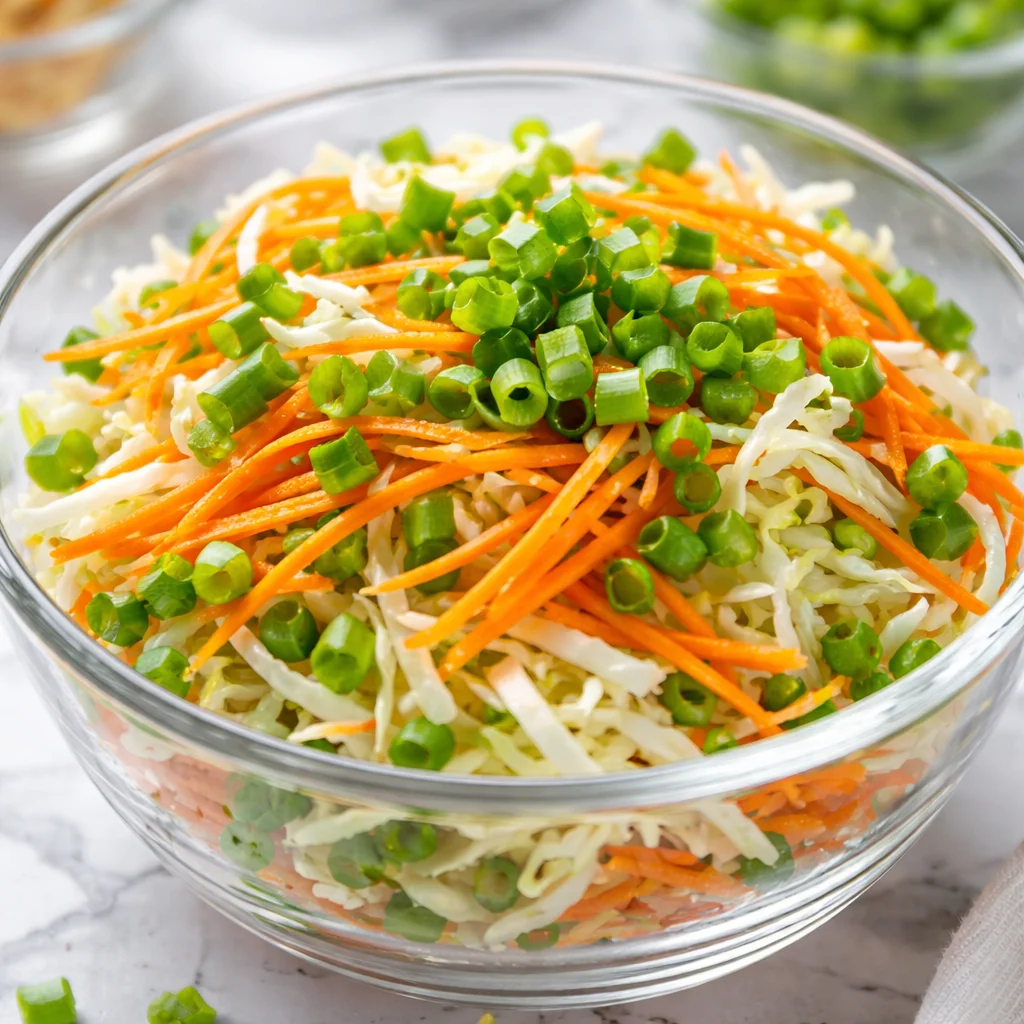
- Store toppings separately (green onions, sesame seeds, crunchy slaw, sriracha mayo).
If you want a meal prep focused version with extra planning ideas, I have another helpful post here: easy egg roll bowl meal prep.
How to Reheat Egg Roll in a Bowl Without Destroying Nutrients or Causing Bloating
Reheating is where people accidentally turn a great meal into a mushy one. You want it hot, not overcooked again.
Microwave method (fast and still tasty)
Put your portion in a bowl, add a tiny splash of water or broth (like 1 teaspoon) if it looks dry, then cover loosely. Heat in 45 second bursts, stirring once, until hot. This keeps the cabbage from getting blasted into limp sadness.
Skillet method (best texture)
Add a small drizzle of oil or a splash of broth to a pan, toss in the leftovers, and stir for 3 to 5 minutes over medium heat until it is hot. This brings back a little bit of that just cooked flavor.
Oven method (good for big batches)
Put it in a baking dish, cover with foil, and warm at 350 F until hot. This is great if you are reheating several servings for a family dinner.
Bloating prevention tip: if you are sensitive to cabbage, go gentler on the portion size at lunch and add extra protein or rice. Also chew slowly. I know, boring advice, but it helps.
Common Storage Mistakes That Can Trigger Bloating, Inflammation & Digestive Issues
I have made all of these mistakes, so no judgment.
Common issues to avoid:
Leaving the pan on the stove to cool for way too long. Sealing containers while the food is still steaming hot (hello condensation and sog). Reheating the same big container over and over instead of portioning. Over saucing leftovers to cover up dull flavor. Also, storing it next to really smelly foods can make it taste weird, especially if your container is not airtight.
If bloating is a frequent thing for you, this breakdown can be eye opening: why your gut health is causing bloating.
Ingredients Breakdown: Gut-Friendly vs Inflammatory Components in Egg Roll Bowls
Not all egg roll bowls are created equal. The base is usually great: cabbage, carrots, garlic, ginger, and protein. But the extras can push it in either direction depending on how you feel after eating them.
Gut-friendly basics: cabbage, carrots, green onion, ginger, garlic, lean ground meat, mushrooms, sesame seeds.
Potential troublemakers for some people: very salty sauces, lots of added sugar, deep fried crunchy toppings, processed oils used heavily, giant portions if cabbage makes you gassy.
If you want a lighter spin that still tastes like takeout, I love this version too: best egg roll in a bowl salad.
Foods to Add for Better Gut Health (Fiber, Prebiotics, Anti-Inflammatory Boosters)
This is where you can make egg roll in a bowl feel like a real gut loving meal instead of just a random low carb dinner.
My favorite add-ins:
Extra shredded cabbage for more fiber, mushrooms for that savory bite, a spoon of kimchi on top after reheating (not cooked, so it keeps that tang), fresh cilantro, and a squeeze of lime. If you tolerate it, a little toasted sesame oil at the end makes it smell amazing.
Sometimes I serve it with rice or cauliflower rice depending on the day. If I am doing a harder workout week, rice helps me feel more stable and less snacky later.
Foods to Avoid or Modify (High Sodium, Processed Oils, Gut Irritants)
This meal can get super salty fast because soy sauce, coconut aminos, and bottled stir fry sauces add up. My move is to start with less, then add more after reheating if needed.
Easy modifications:
Use lower sodium soy sauce or dilute it with a splash of broth. Skip the sugary bottled sauces and season with garlic, ginger, and a little rice vinegar instead. If spicy sauces make your stomach burn, add heat with a small amount of fresh jalapeno, or skip it and add crunch instead.
Also, if you are using ground pork, keep an eye on how greasy it is. Too much fat can feel heavy for some people, especially at lunch.
Daily Meal Prep Routine for Gut Health, Weight Loss & Stable Digestion
This is not a strict plan, just what has helped me stay consistent without getting annoyed.
I prep 2 proteins and 2 veggie heavy meals each week. Egg roll in a bowl is one of them because it is fast and it reheats well when stored correctly. I portion it into grab and go containers, and I keep a small bag of toppings ready so it does not feel like the same meal on repeat.
My daily rhythm: eat a steady breakfast, do egg roll in a bowl for lunch or dinner, then keep snacks simple like fruit, yogurt, or nuts. When my meals are consistent, my digestion is calmer, and I crave less random junk.
Prevention Tips: Safe Meal Prep Habits to Protect Your Microbiome
You do not need a sterile lab kitchen. You just need a few habits you repeat every time.
Wash your hands before and after handling raw meat. Use a separate cutting board for meat if you can. Chill leftovers fast by portioning them instead of storing one giant hot container. Keep your fridge temp cold (around 40 F or below is the common target). And when in doubt, toss it. I hate wasting food too, but a questionable container is not worth a messed up stomach.
For another gut friendly variation, especially if you are avoiding certain ingredients, you might like: paleo egg roll in a bowl.
Common Questions
Can I store egg roll in a bowl with rice already mixed in?
Yes, but the rice will soak up moisture. If you hate dry rice, store rice separately and combine after reheating. If you do mix it, add a splash of broth when reheating.
Why does my egg roll bowl get watery in the fridge?
Usually it is from trapped steam or extra moisture from cabbage. Cool it a bit before sealing, and reheat in a skillet to evaporate excess liquid.
Is it safe to reheat egg roll in a bowl more than once?
I try not to. Reheat only the portion you will eat. Reheating the whole batch repeatedly is a quality and safety downgrade.
What is the best way to thaw frozen portions?
Overnight in the fridge is easiest. If you are in a rush, use the microwave defrost setting, then reheat gently and stir often.
My stomach feels gassy after eating it. Any quick tweaks?
Try smaller portions, cook the cabbage a little longer (some people digest it better that way), and go easy on garlic and spicy sauces. Adding rice can also make it feel gentler for some folks.
A cozy final pep talk before you meal prep
If you remember nothing else, remember this: cool it fast, store it airtight, and reheat gently. When you do that, egg roll in a bowl stays tasty for days and it is way less likely to leave you feeling bloated and blah. If you want more cooking inspiration, I sometimes cross check ideas with sources like Egg Roll in a Bowl Recipe | The Kitchn, and I love having a freezer option bookmarked like Egg Roll in a Bowl (freezer meal) for extra busy weeks. Now go portion up your containers, add a little crunchy topping when you reheat, and enjoy future you being very grateful.