
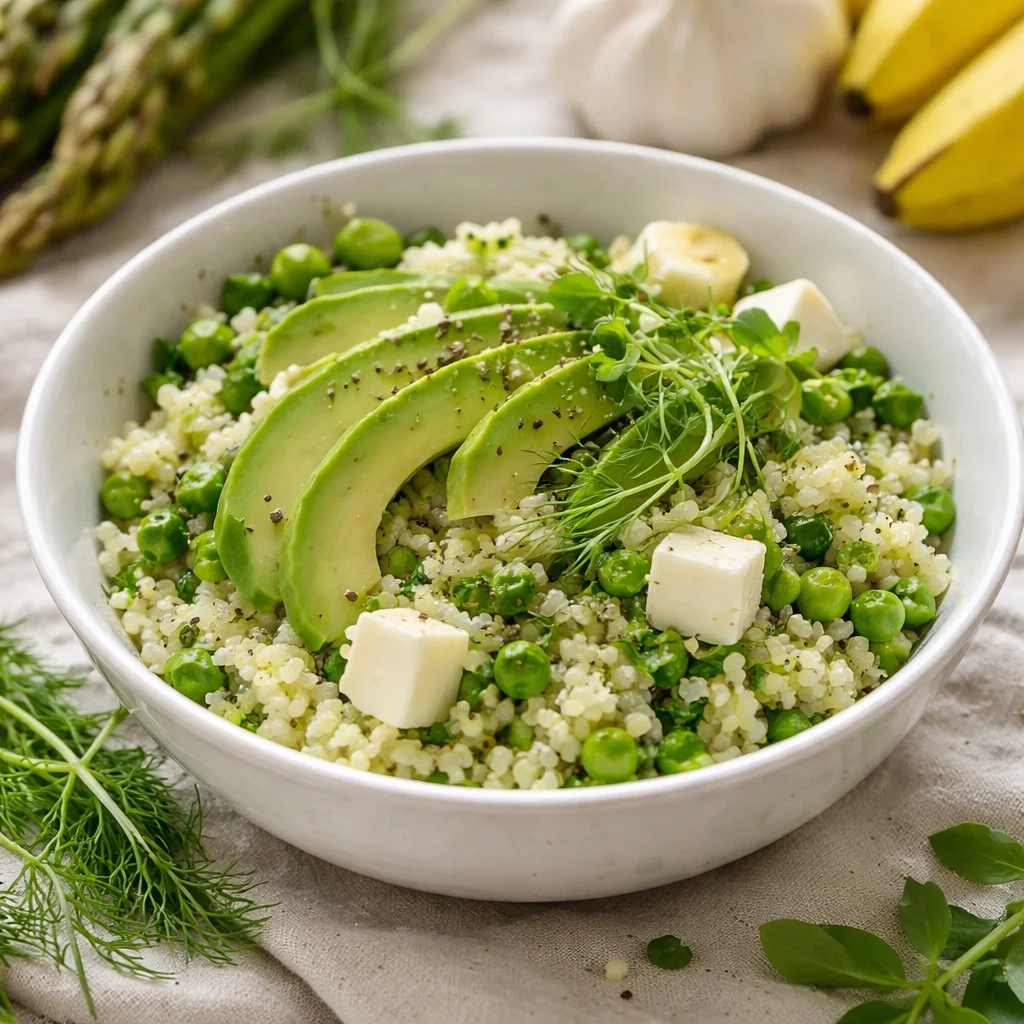
Prebiotic meals can feel confusing, especially when you want lighter spring food but still struggle with bloating or low energy. What if your meals could actually support your digestion instead of working against it? These simple, fresh recipes make it easy to nourish your gut without overcomplicating your routine.
- Spring Prebiotic Recipes for Gut Health: 5 Fresh Recipes to Revitalize Your Digestion
- Why Prebiotic Foods Are Essential for Gut Health and Microbiome Balance
- Best Spring Prebiotic Ingredients (Seasonal, Fiber-Rich, Gut-Friendly Foods)
- How Prebiotics Improve Digestion, Reduce Bloating, and Boost Energy
- Key Prebiotic Foods to Include (Asparagus, Leeks, Garlic, Onions, Bananas)
- Ingredients List for These Fresh Spring Gut-Healthy Recipes
- 5 Easy Spring Prebiotic Recipes (Light, Seasonal, and Digestive-Friendly)
- Step-by-Step Instructions for Each Prebiotic Recipe
- Pro Tips to Maximize Prebiotic Benefits in Your Meals
- Common Mistakes That Reduce Prebiotic Effectiveness
- Healthy Substitutions (Low-FODMAP, Gluten-Free, Dairy-Free Options)
- Recipe Variations for Vegan, High-Protein, and Anti-Inflammatory Diets
- How to Build a Prebiotic-Rich Meal for Daily Gut Support
- Storage and Meal Prep Tips for Fresh Spring Recipes
- Common Questions
- A Fresh April Reset You Can Actually Stick With
- Spring Prebiotic Recipes for Gut Health
Spring Prebiotic Recipes for Gut Health: 5 Fresh Recipes to Revitalize Your Digestion
When I say “spring on a plate,” I mean meals that feel clean and alive, but still satisfying. For me, the sweet spot is prebiotic rich foods plus a little protein, healthy fat, and a warm element so my belly stays calm. These Spring Prebiotic Recipes for Gut Health are the ones I make on repeat in April because they are quick, flexible, and they do not leave me feeling heavy.
If you also care about building a full gut friendly week, I keep a list of go to dinner ideas here: gut healthy recipes for better digestion tonight. I pull from it constantly when I am bored of my own cooking.
Why Prebiotic Foods Are Essential for Gut Health and Microbiome Balance
Prebiotics feed the beneficial bacteria in your gut, helping your digestion run more smoothly in a natural and steady way. They are usually certain fibers and plant compounds your body does not fully digest, so they make it to the gut where your microbes can use them.
When I eat enough prebiotic foods, my digestion feels more regular, cravings drop, and my energy stays more stable throughout the day. It is not magic, but it is noticeable, especially in spring when I want to feel lighter and more active.
If you are building a grocery list and want the bigger picture, this is a helpful guide: best foods for gut health and digestion.
Best Spring Prebiotic Ingredients (Seasonal, Fiber-Rich, Gut-Friendly Foods)
Spring makes this easy because so many naturally gut friendly foods start showing up again. Here are a few that fit the vibe and taste great together.
My spring favorites:
- Asparagus for that fresh, green flavor
- Leeks when you want onion flavor but softer
- Garlic and onions for depth and comfort
- Green bananas or slightly under ripe bananas for a prebiotic boost
- Radishes and leafy greens for crunch and bite
- Oats for easy, gentle fiber
I also like adding a small fermented element sometimes, like sauerkraut or kimchi, especially when the meal is cooked. If you are curious about that side of gut support too, check out fermented vegetables for gut health.
How Prebiotics Improve Digestion, Reduce Bloating, and Boost Energy
I used to think bloating was just random, but for me it is usually a pattern. When my meals are low in fiber and high in ultra processed snacks, I feel it. When I bring in more prebiotic plants, it is like my digestion gets back into rhythm.
Here is what prebiotics can help with in real life:
They can support regular bathroom trips by adding gentle bulk and helping the gut move normally. They can also help you feel less “ballooned” over time, especially when you are consistent. And because fiber rich meals tend to be more filling, your energy can feel more stable instead of spiking and crashing.
One heads up: if you are new to prebiotics, start small. More is not always better on day one.
Key Prebiotic Foods to Include (Asparagus, Leeks, Garlic, Onions, Bananas)
These five show up across my recipes because they are simple, cheap, and they actually taste like food you want to eat. Asparagus and leeks feel very springy. Garlic and onions make everything taste like you tried harder than you did. Bananas are the easy button for breakfast or snacks.
If onions and garlic bother your stomach, do not panic. You can still do prebiotic style meals with smaller portions, cooked versions, or swaps I share later in the substitutions section.
Ingredients List for These Fresh Spring Gut-Healthy Recipes
I am keeping this realistic. No fancy powders. No hard to find items. Here is what I use for all five recipes, and you can mix and match based on what you have.
Grab these basics:
- Asparagus, leeks, garlic, onions
- Baby spinach or arugula
- Radishes, cucumbers, carrots
- Green or slightly under ripe bananas
- Old fashioned oats
- Canned chickpeas or white beans
- Brown rice or quinoa
- Eggs and or chicken, tofu, or salmon
- Olive oil, salt, pepper, lemon
- Plain yogurt or coconut yogurt (optional)
- Dijon mustard, honey or maple (optional)
Quick note: if you are trying to eat more anti inflammatory meals in general, this list of foods is a solid add on: anti inflammatory foods for gut health and energy.
5 Easy Spring Prebiotic Recipes (Light, Seasonal, and Digestive-Friendly)
These are my April staples. I rotate them through the week so I do not get bored, and I can usually reuse leftovers in a smart way.
1) Lemon Garlic Asparagus and Chickpea Skillet
This is the “I need dinner in 15 minutes” meal. It is warm, bright, and surprisingly filling.
2) Creamy Leek and White Bean Soup (No Cream Needed)
This one feels cozy on rainy spring days. The beans make it creamy when blended a little, and the leeks taste mellow and sweet when cooked down.
3) Crunchy Radish and Cucumber Salad with Onion Dijon Dressing
I make this when I want something super fresh. It is perfect next to grilled chicken, tofu, or even eggs.
4) Savory Oat Bowl with Sauteed Greens and Jammy Egg
If you think oats are only sweet, this will convert you. It is like a lazy risotto situation, but much easier.
5) Green Banana Yogurt Smoothie with Oats and Cinnamon
This is my “I overslept” breakfast. It still feels like you did something good for yourself.
Step-by-Step Instructions for Each Prebiotic Recipe
I am writing these the way I actually cook at home, so you can follow along without overthinking it.
1) Lemon Garlic Asparagus and Chickpea Skillet
Heat a big pan with olive oil. Add chopped onion and cook 3 to 4 minutes until soft. Add garlic for 30 seconds. Toss in chopped asparagus and a pinch of salt. Cook until bright green and tender crisp, about 5 to 7 minutes. Add drained chickpeas, black pepper, and a squeeze of lemon. Finish with lemon zest if you have it. I like it over rice or quinoa, or just eat it out of the bowl while standing at the counter.
2) Creamy Leek and White Bean Soup
Slice leeks and rinse well, they hold dirt. Cook leeks in olive oil with a pinch of salt for 8 minutes until soft. Add minced garlic for 30 seconds. Add two cans of white beans (drained), and enough broth to cover. Simmer 10 minutes. Blend about one third of the soup right in the pot if you can, or scoop into a blender carefully and return. Add lemon juice, pepper, and a handful of spinach to wilt. Taste and adjust salt.
3) Crunchy Radish and Cucumber Salad with Onion Dijon Dressing
Thin slice radishes and cucumber. Add a small amount of very thin sliced onion. For dressing, stir olive oil, lemon juice, Dijon, a tiny drizzle of honey or maple, salt, and pepper. Toss and let it sit 5 minutes. It gets better as it chills.
4) Savory Oat Bowl with Sauteed Greens and Jammy Egg
Cook oats with water or broth and a pinch of salt, like you normally would. In a pan, saute garlic and greens in olive oil. Add salt and pepper. Top oats with greens, a jammy egg, and a squeeze of lemon. If you want extra flavor, add a spoon of yogurt or a sprinkle of parmesan.
5) Green Banana Yogurt Smoothie with Oats and Cinnamon
Blend one green or slightly under ripe banana, yogurt (or coconut yogurt), a spoon of oats, cinnamon, and a splash of water or milk. Blend until smooth. If you want it colder, add ice. If you want it sweeter, add a few berries instead of extra sweetener.
Pro Tips to Maximize Prebiotic Benefits in Your Meals
I learned these the hard way, aka after eating a giant bowl of beans and wondering why my body was mad at me.
My simple tips:
Go slow if you are increasing fiber. Cook your onions, garlic, and leeks if raw versions feel too intense. Drink water throughout the day because fiber needs fluid to do its job. And try to be consistent for a couple of weeks. Prebiotic support is more of a routine than a one time fix.
Common Mistakes That Reduce Prebiotic Effectiveness
The biggest mistake is doing too much too fast. If you jump from low fiber eating to huge servings of beans, onions, and raw veggies, you might feel more bloated at first. Another common issue is skipping protein and fat, then feeling hungry an hour later and reaching for snacks that do not support digestion.
Also, not chewing enough is real. When I eat quickly, my stomach notices. Slowing down helps more than people think.
Healthy Substitutions (Low-FODMAP, Gluten-Free, Dairy-Free Options)
If you need swaps, you have options.
Low-FODMAP-ish ideas (personal tolerance matters): use the green tops of scallions instead of onions, use garlic infused olive oil instead of garlic cloves, and try smaller servings of chickpeas or swap to lentils only if they work for you.
Gluten-free: use certified gluten free oats, and stick to rice or quinoa.
Dairy-free: choose coconut yogurt or skip yogurt and add avocado or tahini for creaminess.
Recipe Variations for Vegan, High-Protein, and Anti-Inflammatory Diets
Vegan: use tofu or tempeh in the asparagus skillet, and use coconut yogurt in the smoothie. For the savory oats, swap the egg for crispy chickpeas or sauteed mushrooms.
High-protein: add shredded chicken to the soup, or serve the salad with salmon. If you want chicken ideas that still feel gut friendly, I like pulling inspiration from easy anti inflammatory chicken recipes.
Anti-inflammatory: add turmeric and ginger to the soup, use extra virgin olive oil, and toss berries or chia into the smoothie. Keep added sugar low, and go heavy on herbs and lemon.
How to Build a Prebiotic-Rich Meal for Daily Gut Support
Here is the easy template I use when I want a meal that “gets me” and does not leave me uncomfortable.
My quick plate formula: prebiotic veggie (like leeks or asparagus) + steady protein (eggs, beans, chicken, tofu) + gentle carb (rice, quinoa, oats) + healthy fat (olive oil, avocado) + something bright (lemon, herbs).
When you build meals like this consistently, Spring Prebiotic Recipes for Gut Health start to feel normal, not like a special project. And your body tends to respond better to steady routines than random health kicks.
Storage and Meal Prep Tips for Fresh Spring Recipes
I love these recipes because they actually store well, which is rare for springy meals.
Store the soup in the fridge up to 4 days. It thickens, so add a splash of broth when reheating. The asparagus chickpea skillet keeps 3 days, and I like it cold the next day in a wrap. For the salad, keep dressing separate and slice veggies ahead so it stays crisp. Smoothies are best fresh, but you can freezer prep smoothie packs with banana, oats, and cinnamon, then blend with yogurt when you are ready.
These habits make it easier to keep Spring Prebiotic Recipes for Gut Health in your week even when life gets busy.
Common Questions
1) Will prebiotics make me gassy at first?
They can, especially if you increase fiber quickly. Start with smaller portions, choose more cooked veggies, and build up over 1 to 2 weeks.
2) Are bananas really prebiotic?
Yes, especially slightly under ripe bananas. They contain resistant starch that can act like a prebiotic for many people.
3) Do I need to eat prebiotics and probiotics together?
You do not need to do it every time, but they can pair well. Something like the leek soup plus a spoon of yogurt on top can be a nice combo if dairy works for you.
4) Can I do these recipes if I have IBS?
Often yes, but you may need swaps, especially for onions and garlic. Try garlic infused oil, scallion greens, and smaller portions, and pay attention to your personal triggers.
5) How often should I eat prebiotic foods?
A little bit daily tends to work best. Consistency beats a huge one day fiber overload.
A Fresh April Reset You Can Actually Stick With
If you try anything from this post, start with the lemon garlic asparagus and chickpea skillet, it is the easiest win. Then add one more recipe the next week and build from there. Spring Prebiotic Recipes for Gut Health are not about being perfect, they are about feeding yourself in a way that feels good after you eat. For extra support, I also like using the Gut Health Diet & Recipes – App Store to save meal ideas when my brain is tired. Let me know which recipe you make first, and if you want, tell me what is in season where you live because I love stealing spring produce ideas.
Spring Prebiotic Recipes for Gut Health
Ingredients
Method
- Heat a large pan with olive oil. Add chopped onion and cook for 3 to 4 minutes until soft.
- Add garlic and sauté for 30 seconds.
- Toss in chopped asparagus and a pinch of salt. Cook until bright green and tender crisp, about 5 to 7 minutes.
- Add drained chickpeas, black pepper, and a squeeze of lemon. Finish with lemon zest if desired.
- Serve over rice or quinoa, or enjoy straight from the bowl.
- Slice leeks and rinse well as they hold dirt. Cook leeks in olive oil with a pinch of salt for 8 minutes until soft.
- Add minced garlic and sauté for 30 seconds.
- Add two cans of drained white beans and enough broth to cover. Simmer for 10 minutes.
- Blend about one third of the soup in the pot or carefully scoop into a blender and return to the pot.
- Add lemon juice, pepper, and a handful of spinach to wilt. Adjust salt to taste.
- Thinly slice radishes and cucumbers. Add a small amount of very thinly sliced onion.
- For dressing, mix olive oil, lemon juice, Dijon, and a little honey or maple, salt, and pepper.
- Toss everything together and let it sit for at least 5 minutes to enhance the flavors.
- Cook oats with water or broth and a pinch of salt according to package instructions.
- In a separate pan, sauté garlic and greens in olive oil with salt and pepper.
- Top the cooked oats with sautéed greens, a jammy egg, and a squeeze of lemon. Adding yogurt or parmesan can enhance the flavor.
- Blend one green or slightly under ripe banana with yogurt (or coconut yogurt), a spoonful of oats, cinnamon, and a splash of water or milk.
- Add ice if desired for a colder smoothie and berries for extra sweetness.