
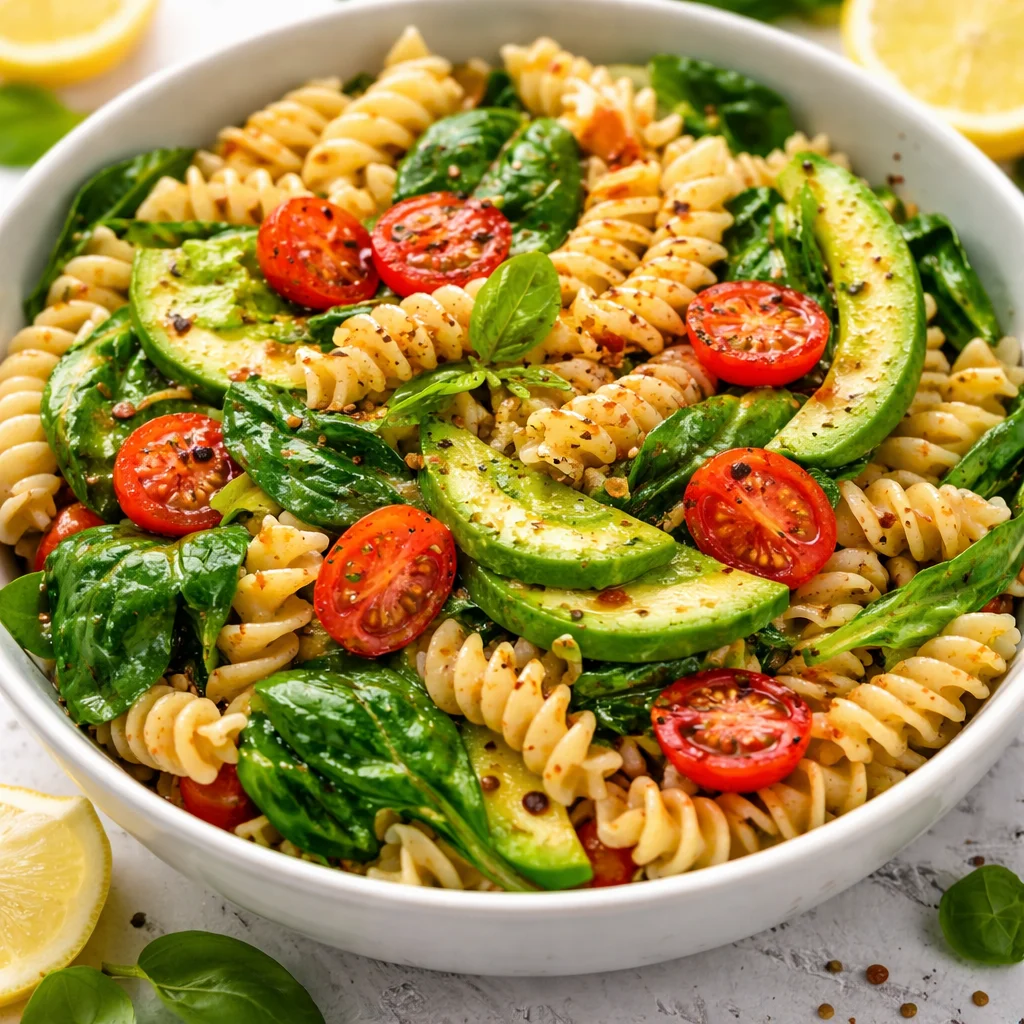
Anti inflammatory pasta can actually feel light and easy on your stomach, so why do most pasta meals leave you bloated and heavy? If you choose the right ingredients and keep things simple, you can enjoy cozy pasta dishes that support digestion instead of slowing you down.
- Why These Anti Inflammatory Pasta Recipes Are Gut-Friendly and Reduce Bloating
- Key Anti-Inflammatory Ingredients That Support Gut Health in Pasta Recipes
- Best Pasta Types for a Healthy Anti-Inflammatory Diet (Gluten-Free, Whole Grain, Legume-Based)
- 7 Healthy Anti Inflammatory Pasta Recipes You Can Make in Under 30 Minutes
- Step-by-Step Guide to Cooking Light and Easy-to-Digest Pasta Meals
- Ingredient Substitutions for Gluten-Free, Dairy-Free, and Low-FODMAP Pasta Recipes
- Pro Cooking Tips for Perfect Healthy Pasta Texture and Flavor Every Time
- Common Mistakes That Make Pasta Hard to Digest (And How to Avoid Them)
- Easy Variations: Vegan, High-Protein, Low-Carb Anti Inflammatory Pasta Recipes
- How to Build a Balanced Gut-Friendly Pasta Bowl (Protein, Fiber, Healthy Fats)
- Serving Ideas and Pairings for a Complete Anti-Inflammatory Meal
- Storage, Meal Prep, and Reheating Tips for Healthy Pasta Recipes
- Nutritional Benefits of Anti Inflammatory Pasta Recipes for Gut Health and Weight Balance
- Common Questions
- A cozy pasta night you can actually feel good after
- Anti Inflammatory Pasta Recipes
Why These Anti Inflammatory Pasta Recipes Are Gut-Friendly and Reduce Bloating
I used to think pasta automatically meant a food coma. The big shift for me was switching from heavy cream sauces and huge portions to lighter bowls with lots of plants and simple proteins. These recipes focus on ingredients that are naturally soothing, plus cooking methods that keep things easy to digest.
What makes them feel “gut friendly” is mostly this: less grease, more fiber you can tolerate, and flavors that do not rely on tons of cheese or processed stuff. Also, I keep portions reasonable and add protein so I do not end up snacking an hour later.
If you want more weeknight options that follow the same vibe, I keep a list of ideas from here handy: anti-inflammatory dinner recipes for busy weeknights.
Key Anti-Inflammatory Ingredients That Support Gut Health in Pasta Recipes
When I build Anti Inflammatory Pasta Recipes Healthy at home, I lean on a small group of ingredients that show up again and again. They are simple, easy to find, and they play really nicely with pasta.
- Extra virgin olive oil for a lighter sauce base
- Garlic infused oil if you want flavor without the garlic bite (great for sensitive digestion)
- Leafy greens like spinach or arugula for gentle fiber
- Tomatoes and tomato paste for brightness and natural umami
- Ginger and turmeric for that classic anti inflammatory support
- Salmon, chicken, lentils, or tofu for protein
- Fresh herbs like basil and parsley to wake everything up
I also keep a quick cheat sheet of foods that help with energy and gut comfort, especially when I am planning meals for the week: anti-inflammatory foods for gut health and energy.
Best Pasta Types for a Healthy Anti-Inflammatory Diet (Gluten-Free, Whole Grain, Legume-Based)
Not all pasta sits the same. If regular wheat pasta makes you feel heavy, try swapping the noodle before you give up on pasta entirely.
Here are my favorites:
Brown rice pasta is mild and usually easy on the stomach. Just do not overcook it or it turns mushy fast.
Quinoa or corn quinoa blends have a nice bite and feel light.
Lentil or chickpea pasta is awesome for protein, but if you are not used to it, start with a small portion since it can feel like a lot of fiber at once.
Whole wheat pasta works for many people, especially if you cook it to al dente and keep the sauce simple.
I always stick to pasta I know my stomach handles well, then I build the bowl with veggies and a simple protein so it feels balanced and easy to digest.
7 Healthy Anti Inflammatory Pasta Recipes You Can Make in Under 30 Minutes
These are the meals I rely on during busy weeknights, quick, simple, and no long cooking times. And yes, these are Anti Inflammatory Pasta Recipes Healthy that still taste like comfort food.
1) Lemon Olive Oil Spinach Pasta
Cook pasta, then toss with olive oil, lemon zest, a squeeze of lemon, spinach, salt, pepper, and a little parmesan if you tolerate it. Add toasted pine nuts if you want it fancy.
2) Ginger Turmeric Chicken Noodle Bowl Style Pasta
Saute sliced chicken with ginger and turmeric, then toss with rice noodles or spaghetti. Add shredded carrots and a splash of low sodium broth to keep it silky, not dry.
3) Salmon and Dill Yogurt Pasta
Flake cooked salmon into warm pasta. Stir together a quick sauce with plain Greek yogurt, lemon, dill, and a little olive oil. Keep the heat low so the yogurt does not split.
4) Tomato Basil White Bean Pasta
Warm canned crushed tomatoes with olive oil and basil. Stir in rinsed white beans for protein and creaminess without cream. This one is my “pantry win” meal.
5) Zucchini Ribbon and Pea Pasta
Use half pasta, half zucchini ribbons. Toss with peas, olive oil, lemon, and mint or basil. Super light, super fresh.
6) Mushroom Miso Sesame Pasta
Saute mushrooms, then stir in a spoon of miso with a bit of hot pasta water to make a glossy sauce. Finish with sesame seeds and scallion greens.
7) Simple Pesto Lentil Pasta with Arugula
Cook lentil pasta, toss with a simple pesto, then fold in arugula so it wilts. Add cherry tomatoes if you have them.
If you are on a big chicken kick and want more ideas that match these flavors, this list is a solid bookmark: 10 easy anti-inflammatory chicken recipes for a healthy gut.
Step-by-Step Guide to Cooking Light and Easy-to-Digest Pasta Meals
My simple method that keeps pasta from feeling heavy
This is the routine that helps me avoid that overfull feeling:
1) Bring water to a real boil, then salt it. Not aggressively salty, just enough to flavor the noodles.
2) Cook pasta to al dente. Soft pasta tends to feel heavier for a lot of people.
3) Save a mug of pasta water before draining. This is how you make a sauce creamy without adding cream.
4) Toss pasta with sauce in the pan for 30 to 60 seconds. It helps everything coat evenly, so you do not need as much oil.
5) Add tender greens at the end so they just wilt. Overcooked greens can turn dull and watery.
Ingredient Substitutions for Gluten-Free, Dairy-Free, and Low-FODMAP Pasta Recipes
I love recipes that do not fall apart when you swap things. Here are the swaps I use the most:
Gluten-free: brown rice pasta, quinoa pasta, or corn quinoa blends. Cook them carefully and rinse only if the package suggests it.
Dairy-free: use extra olive oil plus a little pasta water for body. For creamy vibes, blend a little white bean or soaked cashew if you tolerate it.
Low-FODMAP: try garlic infused oil instead of garlic, skip onions, and use lactose free yogurt or skip yogurt sauces. Choose toppings like chives or scallion greens.
If you are sorting out digestion and want more gentle dinner ideas, you might like this: gut healthy recipes for better digestion tonight.
Pro Cooking Tips for Perfect Healthy Pasta Texture and Flavor Every Time
Little upgrades that make a big difference
I am not trying to be a chef, but I do have a few tricks that make these Anti Inflammatory Pasta Recipes Healthy taste way better:
Use lemon zest, not just lemon juice. Zest gives big flavor without making the dish too sharp.
Toast your spices in oil for 20 seconds before adding liquids. Turmeric and ginger smell amazing when warmed up.
Finish with herbs right before serving. Basil and parsley taste fresher that way.
Do not drown the pasta. A lighter coating is easier to digest and still satisfying.
Common Mistakes That Make Pasta Hard to Digest (And How to Avoid Them)
I have made all these mistakes at some point, usually when I am hungry and impatient.
Mistake: Overcooking pasta into softness.
Fix: Go al dente and stop cooking one minute before you think it is done.
Mistake: Huge portions with no protein.
Fix: Add beans, fish, chicken, tofu, or a side of eggs and keep the pasta portion moderate.
Mistake: Heavy sauces with lots of cream and cheese.
Fix: Use olive oil, tomato, yogurt if tolerated, or blended beans for creaminess.
Mistake: Too many raw crunchy veggies on top.
Fix: Lightly saute or steam them so your gut does less work.
Easy Variations: Vegan, High-Protein, Low-Carb Anti Inflammatory Pasta Recipes
Once you have the basic idea, you can tweak these a bunch.
Vegan: tomato basil white bean pasta, zucchini and pea pasta, mushroom miso pasta, or pesto with tofu cubes.
High-protein: use lentil pasta and add salmon, chicken, or extra beans. You will be shocked how filling it is.
Low-carb: do half pasta and half zucchini noodles, or go full zucchini and keep the same sauce ideas.
I like having options because some days I want a bigger bowl, and some days I want something super light but still comforting.
How to Build a Balanced Gut-Friendly Pasta Bowl (Protein, Fiber, Healthy Fats)
A quick formula I actually use
If you are staring into the fridge wondering what to do, use this simple build:
1) Pasta base: 1 to 2 cups cooked, depending on your hunger and tolerance.
2) Protein: salmon, chicken, beans, lentils, tofu, or shrimp.
3) Gentle fiber: spinach, zucchini, carrots, peas, or roasted peppers.
4) Healthy fat: olive oil, avocado, tahini, or a sprinkle of nuts.
5) Flavor boost: lemon, herbs, miso, tomato paste, ginger, turmeric.
This is how I keep Anti Inflammatory Pasta Recipes Healthy from turning into sad diet food. You still get comfort, just with smarter building blocks.
Serving Ideas and Pairings for a Complete Anti-Inflammatory Meal
If you want your pasta night to feel like a full dinner without being heavy, here are my go to pairings:
- Simple side salad with olive oil and lemon
- Roasted carrots or zucchini on the side
- Brothy soup if your stomach wants something extra soothing
- Fruit and yogurt for dessert if you tolerate dairy
And if you are in a serious planning mood, I also like pulling ideas from meal plans so I am not reinventing dinner every day.
Storage, Meal Prep, and Reheating Tips for Healthy Pasta Recipes
Pasta is totally meal prep friendly, you just have to reheat it the right way.
Storage: Keep pasta and sauce separate when you can, especially for gluten free noodles. Store in airtight containers for up to 3 days.
Reheating: Add a splash of water or broth in a pan, then warm gently. Microwave works too, but stir halfway and add a tiny splash of liquid so it does not dry out.
Meal prep tip: Prep add ins like cooked chicken, flaked salmon, rinsed beans, and chopped herbs. Then dinner is basically just boiling pasta and tossing.
Nutritional Benefits of Anti Inflammatory Pasta Recipes for Gut Health and Weight Balance
These bowls are not about cutting everything out. They are about building meals that leave you satisfied and comfortable.
When you choose better noodles and add protein and plants, you usually get:
More steady energy because you are not eating plain carbs alone.
Better fullness from protein and fiber, which can help with weight balance over time.
Less bloating compared to heavy sauces and oversized portions, especially if you use ingredients you tolerate well.
And honestly, the biggest benefit is consistency. These are simple enough to make often, and that is what usually helps people stick with healthier eating.
Common Questions
1) Can pasta really be anti inflammatory?
Yes, it can. The noodle is just one part. The ingredients you toss with it, like olive oil, salmon, herbs, and veggies, are where the anti inflammatory benefits really show up.
2) What is the easiest pasta to digest?
For many people, brown rice pasta or a simple wheat pasta cooked al dente works well. If legumes bother you, go easy on lentil or chickpea pasta at first.
3) How do I make creamy pasta without heavy cream?
Use pasta water plus olive oil, or blend white beans into the sauce. Greek yogurt can work too if you keep the heat low.
4) Are these okay for meal prep?
Absolutely. Just store sauce separately if possible, and reheat with a splash of water or broth.
5) What if garlic and onion upset my stomach?
Try garlic infused oil and skip onion. Use herbs, lemon zest, and ginger for flavor instead.
A cozy pasta night you can actually feel good after
If you try even one of these Anti Inflammatory Pasta Recipes Healthy, I think you will be surprised by how light they feel while still hitting that comfort food craving. Keep it simple, cook the pasta al dente, and build your bowl with protein and greens so your stomach is not doing overtime. If you want a fun extra read that proves pasta can fit this lifestyle, check out Anti-Inflammatory Pasta – It’s a thing – Rise Shine Cook. Now pick one recipe, put on some music, and make pasta night feel easy again.
Anti Inflammatory Pasta Recipes
Ingredients
Method
- Bring a pot of water to a boil and salt it lightly.
- Cook the pasta to al dente according to the package instructions.
- While pasta cooks, prepare your proteins and vegetables.
- Save a mug of pasta water before draining the pasta.
- Toss the drained pasta in the pot with olive oil, lemon zest, and the reserved pasta water.
- Fold in the cooked protein and then add the greens until wilted.
- Add fresh herbs just before serving.