
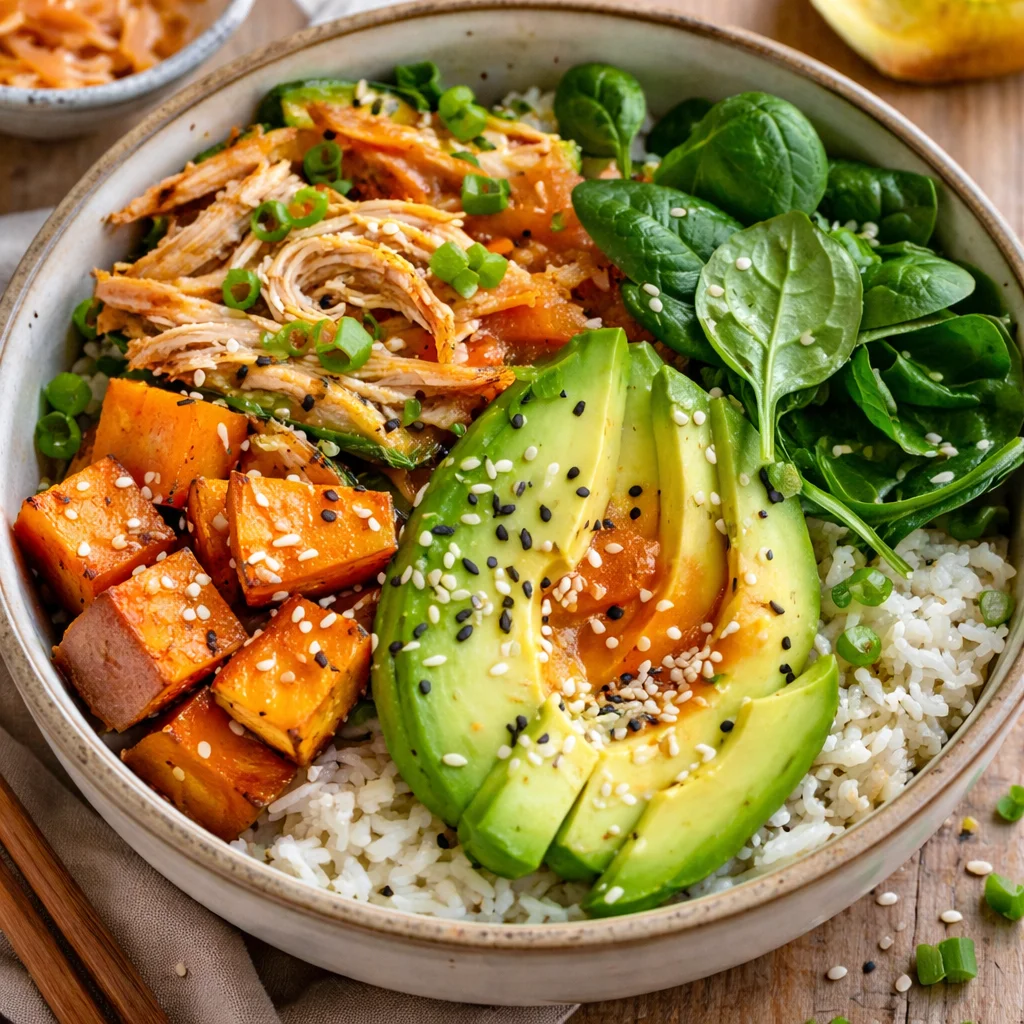
Rice recipes can be one of the easiest ways to calm your digestion, but are you choosing the right ingredients to feel light, satisfied, and bloat-free?
- Why These Gut-Friendly Rice Bowl Recipes Support Digestion and Reduce Bloating
- Key Ingredients for Gut Health Rice Bowls (Fiber, Probiotics, Anti-Inflammatory Foods)
- Health Benefits of Rice Bowls for Gut Health and Microbiome Balance
- Best Types of Rice for Gut-Friendly Bowls (White vs Brown vs Low-FODMAP Options)
- Ingredient Substitutions for Dietary Needs (Gluten-Free, Dairy-Free, Low-FODMAP, Vegan)
- How to Build the Perfect Gut-Friendly Rice Bowl (Balanced Protein, Fiber, Healthy Fats)
- Step-by-Step Instructions to Make Easy Gut-Friendly Rice Bowls at Home
- 6 Gut-Friendly Rice Bowl Recipes (Simple, Anti-Inflammatory, Easy to Digest)
- Pro Tips for Cooking the Best Healthy Rice Bowls (Flavor, Texture, Digestion-Friendly Cooking)
- Common Mistakes That Cause Bloating in Rice Bowls and How to Avoid Them
- Recipe Variations: High-Protein, Vegan, Low-Carb, Anti-Inflammatory Rice Bowls
- Serving Ideas for Healthy Rice Bowls (Lunch, Dinner, Meal Prep, Quick Meals)
- Storage and Meal Prep Tips for Gut-Friendly Rice Bowl Recipes
- Nutritional Benefits of Gut-Friendly Rice Bowls (Macros, Fiber, Gut Health Support)
- Common Questions
- A Simple Bowl Night You Will Actually Repeat
- Gut Friendly Rice Bowl
Why These Gut-Friendly Rice Bowl Recipes Support Digestion and Reduce Bloating
The big reason I lean on Gut Friendly Rice Bowl Recipes is that they are easy to simplify. When digestion is touchy, I do better with meals that are warm, not greasy, and not overloaded with raw stuff. A rice bowl lets you pick cooked vegetables, a simple protein, and a sauce that does not wreck your stomach.
One thing that really helps is portion control without feeling restricted. A bowl naturally gives you balance with rice, protein, and vegetables in the right proportions.Plus, when you cook veggies instead of leaving them raw, they are often easier to handle for people who bloat easily.
If you want more ideas that follow the same vibe, I keep a running list of recipes here: gut-friendly recipes.
Key Ingredients for Gut Health Rice Bowls (Fiber, Probiotics, Anti-Inflammatory Foods)
I’m not a doctor, but I have learned from trial and error what usually feels good in a bowl. The goal is gentle fiber, steady protein, and flavor from herbs and simple spices instead of heavy sauces.
Here are my favorite gut friendly building blocks:
- Cooked veggies like carrots, zucchini, spinach, green beans, and peeled cucumber (lightly sautéed is great)
- Easy proteins like shredded chicken, salmon, eggs, tofu, or lentils if you tolerate them
- Anti-inflammatory add ons like ginger, turmeric, olive oil, and fresh herbs
- Probiotic style toppings like a small spoon of yogurt sauce or a little fermented veg (only if you know it sits well)
- Gentle crunch like toasted sesame seeds or chopped walnuts in small amounts
For meal ideas that are already designed around digestion, this page is handy: easy gut-friendly meals.
Health Benefits of Rice Bowls for Gut Health and Microbiome Balance
A rice bowl can be a pretty steady choice when your gut is unpredictable. Rice is generally easy to digest for a lot of people, especially when cooked well and eaten warm. When you add a mix of cooked veggies and a protein, you get a meal that keeps you full without the heavy aftermath.
What I like most is the consistency. You can keep the base the same and rotate toppings, which helps you notice patterns. If something does not sit well, it is easier to identify what caused it. You can also support your microbiome by slowly adding new ingredients one at a time in a way that feels safe.
Also, rice bowls are naturally flexible for lunch and dinner, so they fit real life. I share more dinner leaning options here: gut-friendly dinner recipes.
Best Types of Rice for Gut-Friendly Bowls (White vs Brown vs Low-FODMAP Options)
I get asked this a lot: which rice is best? Honestly, it depends on your body. Here is the simple breakdown from my kitchen experience.
White rice is usually the most gentle and the fastest to digest. It is my pick when my stomach is cranky.
Brown rice has more fiber, which can be great for some people, but too much fiber can feel like a brick if you are already bloated. If you want to use it, start with a smaller portion and cook it until very tender.
Jasmine rice and sushi rice tend to be soft and comforting, which is why I love them for easy bowls.
For low FODMAP needs, plain white rice is usually a safe bet for many people. Just watch what you pile on top, because that is where things get tricky.
Ingredient Substitutions for Dietary Needs (Gluten-Free, Dairy-Free, Low-FODMAP, Vegan)
The easiest way to keep these bowls friendly is to swap ingredients without making it a whole project. Here are some simple switches that work well.
Gluten-free: Use tamari instead of soy sauce. Also check spice blends, since some sneak in wheat.
Dairy-free: Swap yogurt sauces for tahini lemon sauce or olive oil plus herbs. Or try mashed avocado if you tolerate it.
Low-FODMAP: Skip onion and garlic. Use garlic infused olive oil, chives, or the green tops of scallions.
Vegan: Use tofu, tempeh, or a small serving of canned lentils rinsed really well if that works for you.
How to Build the Perfect Gut-Friendly Rice Bowl (Balanced Protein, Fiber, Healthy Fats)
I keep my bowl formula super basic so I can repeat it without thinking. If you want a bowl that feels filling but still light, aim for this balance.
My simple bowl formula:
Start with 3 quarters to 1 cup cooked rice. Add a palm sized protein. Add 1 to 2 cups cooked veggies. Finish with 1 to 2 teaspoons healthy fat like olive oil, sesame oil, or tahini.
Then pick one flavor direction so it does not turn into a messy buffet. Ginger and soy style. Lemon and herb style. Or mild curry style. Keeping it focused is surprisingly soothing for digestion.
Step-by-Step Instructions to Make Easy Gut-Friendly Rice Bowls at Home
This is my lazy but reliable method. Once you do it a couple times, you can basically make a bowl on autopilot.
- Cook rice until soft and fluffy. If you want it extra gentle, add a bit more water and cook a little longer.
- Cook your protein simply: bake, pan sear, or simmer. Keep spices light if you are sensitive.
- Sauté or steam veggies until tender.
- Stir together a quick sauce in a cup.
- Assemble warm rice, then protein, then veggies, then sauce.
That is it. It sounds almost too simple, but simple is kind of the whole point when your gut needs a break.
6 Gut-Friendly Rice Bowl Recipes (Simple, Anti-Inflammatory, Easy to Digest)
These are the six bowls I actually make at home. I am calling them recipes, but they are more like friendly templates. Adjust portions to your needs.
1) Ginger Chicken and Carrot Rice Bowl
Cooked jasmine rice, shredded chicken, sautéed carrots and spinach, then a sauce of tamari, grated ginger, and a tiny drizzle of maple syrup. I finish with sesame seeds. This one feels like a warm hug.
2) Salmon and Cucumber Dill Bowl
White rice, baked salmon, peeled cucumber (lightly warmed in the pan if raw veg bothers you), and a quick dill yogurt sauce. If dairy is a no, do lemon olive oil with dill instead.
3) Soft Egg and Zucchini Bowl
Rice, scrambled eggs cooked gently, zucchini sautéed until soft, and a little grated ginger or chives. This is my low effort dinner when I do not want to think.
4) Turmeric Tofu and Green Bean Bowl
Pan sear tofu with turmeric and a pinch of salt. Add steamed green beans and rice. Drizzle with tahini lemon sauce. It is mild but still flavorful.
5) Miso Mushroom Comfort Bowl
Use white rice, sautéed mushrooms, and a light miso broth spooned over the top like a cozy shortcut soup bowl. Add spinach at the end to wilt. If miso is too strong for you, skip it and use a simple ginger broth.
6) Simple Lentil and Roasted Carrot Bowl
This one is for days you want more fiber but still want it easy. Rice, a small scoop of lentils, roasted carrots, and a lemon herb dressing. Go slow with lentils if they usually bloat you.
If you are in a chicken phase, you might also like this collection for more ideas: anti-inflammatory chicken recipes for a healthy gut.
Pro Tips for Cooking the Best Healthy Rice Bowls (Flavor, Texture, Digestion-Friendly Cooking)
These tiny tweaks make a bigger difference than people think.
Cook rice fully, even a little past al dente. Softer rice is often easier to digest.
Go easy on raw toppings if you bloat. Lightly cooking veggies can be a game changer.
Use infused oils like garlic infused olive oil if garlic upsets you but you miss the flavor.
Keep sauces simple. A little salt, acid, and herb goes far without overloading your stomach.
Common Mistakes That Cause Bloating in Rice Bowls and How to Avoid Them
I have definitely made bowls that looked healthy but felt awful later. Here is what usually causes trouble.
Mistake 1: Too many raw vegetables at once. Fix: cook them or pick just one raw topping.
Mistake 2: Overdoing beans or cruciferous veggies. Fix: use a small portion, rinse canned beans well, and cook broccoli or cauliflower until very soft.
Mistake 3: Heavy sauces. Fix: swap creamy bottled sauces for yogurt lemon, tahini lemon, or simple tamari ginger.
Mistake 4: Eating too fast. Fix: I know, annoying advice, but slowing down really helps.
Recipe Variations: High-Protein, Vegan, Low-Carb, Anti-Inflammatory Rice Bowls
You can keep the same idea and shift it depending on what your body needs that day.
High-protein: Add extra chicken, salmon, eggs, or Greek yogurt sauce. Keep the rice portion a bit smaller if you want.
Vegan: Tofu plus tahini sauce is my favorite. Add roasted carrots or sautéed zucchini for softness.
Low-carb: Do half rice and half zucchini noodles or cauliflower rice if you tolerate it, then increase protein and fats.
Anti-inflammatory: Focus on ginger, turmeric, olive oil, salmon, and leafy greens.
Serving Ideas for Healthy Rice Bowls (Lunch, Dinner, Meal Prep, Quick Meals)
Rice bowls are one of the easiest things to fit into a busy schedule. They are basically built for leftovers.
Here are a few ways I serve them:
- Lunch: pack rice and toppings separate, then heat rice and protein, add sauce after
- Dinner: serve family style and let everyone build their own bowl
- Quick meal: frozen rice plus pre cooked chicken plus a bag of spinach is totally valid
- Meal prep: make 2 sauces so the same ingredients taste different all week
For more lunch focused ideas, I keep some favorites here: gut-friendly lunch recipes.
Storage and Meal Prep Tips for Gut-Friendly Rice Bowl Recipes
This is how I store everything so it stays tasty and does not get weird.
Rice: Cool it within an hour, then store in an airtight container. Reheat with a splash of water so it gets soft again.
Proteins: Store cooked chicken, tofu, or fish for up to 3 days. Fish is best in the first 1 to 2 days if you are picky about smell, like me.
Sauces: Keep sauces separate. Yogurt sauces hold 3 days. Tahini lemon sauce can last closer to 5 days.
Veggies: Roast or sauté, then store. If they release water, drain before packing your bowl so the rice does not get soggy.
Nutritional Benefits of Gut-Friendly Rice Bowls (Macros, Fiber, Gut Health Support)
Here is the practical nutrition view, without making it complicated. A balanced bowl typically gives you carbs from rice for energy, protein for fullness and steady blood sugar, and fiber from veggies for regular digestion.
If you add healthy fats like olive oil or tahini, you also help with satisfaction and flavor, which makes it easier to stick with simple meals.
The best part is that Gut Friendly Rice Bowl Recipes can be adjusted to your needs. More protein on workout days, softer cooked veggies on sensitive days, or smaller portions when your appetite is off.
Common Questions
Are rice bowls good when my stomach feels sensitive?
Usually, yes. Use white rice, cooked veggies, and a simple protein. Skip heavy sauces and raw onions.
What if I only have microwave rice?
Use it. Warm it with a splash of water, then add whatever cooked protein and veggies you have. The bowl still works.
Can I make these bowls low FODMAP?
Yes. Keep it simple: white rice, eggs or chicken, zucchini or carrots, and garlic infused oil instead of garlic.
How do I keep my bowl from tasting bland?
Add one strong but simple flavor: ginger, lemon, fresh herbs, or a small spoon of miso. Also do not forget salt.
Do I need probiotics in every bowl?
No. If yogurt or fermented foods feel good, add a little. If not, focus on cooked veggies and steady meals.
A Simple Bowl Night You Will Actually Repeat
If you take one thing from this post, let it be this: Gut Friendly Rice Bowl Recipes work because they are flexible and calm, not because they are fancy. Pick a gentle rice, cook your veggies, keep the sauce simple, and you will have a meal that feels good and still fills you up. When you want even more inspiration, I like browsing 21 Rice Bowl Recipes – Love and Lemons and then adapting the combos to be easier on digestion. Try one bowl this week, take notes on what feels best, and make it your new comfort meal.
Gut Friendly Rice Bowl
Ingredients
Method
- Cook rice according to package instructions until soft and fluffy.
- Prepare your protein: bake, pan sear, or simmer lightly.
- Cook vegetables until tender by sautéing or steaming.
- Mix together a simple sauce in a small bowl.
- Layer warm rice in a bowl, followed by your chosen protein, veggies, and sauce.
- Top with optional toppings if desired.