
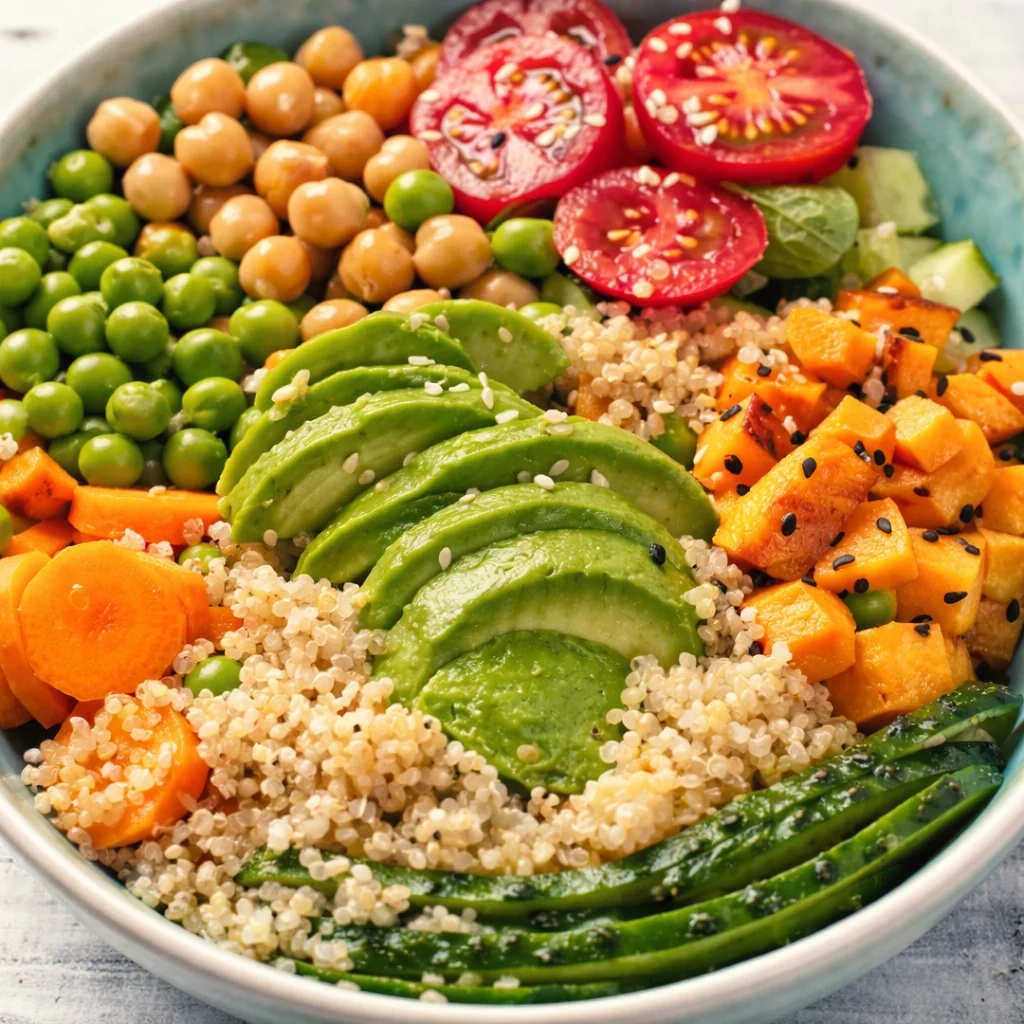
anti inflammatory bowl recipes can be a lifesaver when your stomach feels off and you just want a meal that feels light, satisfying, and easy to digest. Ever had those days where everything you eat leaves you feeling bloated or sluggish? These bowls solve that. They are simple, flexible, and built to help your gut feel calm again while still tasting like real comfort food you actually enjoy.
- Anti Inflammatory Bowl Recipes: 8 Easy Gut-Healing Bowls for Everyday Meals
- Why Anti Inflammatory Bowl Recipes Support Gut Health and Reduce Inflammation
- Key Anti-Inflammatory Ingredients That Make These Bowls Gut-Friendly
- How to Build the Perfect Anti Inflammatory Bowl (Step-by-Step Formula)
- Essential Ingredients List for These Gut Healthy Bowl Recipes
- Ingredient Substitutions (Gluten-Free, Dairy-Free, Low-FODMAP, Vegan Options)
- 8 Anti Inflammatory Bowl Recipes to Heal Your Gut
- Step-by-Step Instructions to Prepare These Anti Inflammatory Bowls
- Pro Tips to Make the Best Anti Inflammatory Meal Bowls Every Time
- Common Mistakes to Avoid When Making Gut Healthy Bowl Recipes
- Easy Variations: High-Protein, Low-Carb, Vegan, and Weight Loss Bowls
- Serving Ideas and Toppings to Boost Flavor and Nutrition
- Meal Prep and Storage Tips for Anti Inflammatory Bowls
- Nutritional Benefits: How These Bowls Improve Digestion and Gut Health
- Common Questions
- My favorite way to make these bowls a weekly habit
- Anti Inflammatory Bowl
Anti Inflammatory Bowl Recipes: 8 Easy Gut-Healing Bowls for Everyday Meals
I call these my weeknight rescue bowls because they are flexible, forgiving, and you can mix and match what you have. The whole idea is to keep things simple: a base, a protein, lots of color, and a sauce you want to lick off the spoon. I make these even when I am not inflamed, because they just make me feel good.
If you already love bowl style dinners, you might also like this one I make on repeat: the best anti inflammatory chicken bowl for gut health. It is the same vibe as what we are doing here, just extra high protein and super straightforward.
Why Anti Inflammatory Bowl Recipes Support Gut Health and Reduce Inflammation
Here is the simple version. When you eat more whole foods like vegetables, beans, fish, olive oil, herbs, and a bit of fermented food, your gut starts to feel more balanced. And when your gut feels balanced, digestion usually gets easier and your stomach feels lighter.
These bowls also help because they avoid a lot of the stuff that can make people feel rough, like heavy fried foods, super sugary sauces, and big piles of ultra processed ingredients. And since bowls are balanced, you are less likely to do that snack spiral later.
I also like that anti inflammatory bowl recipes naturally encourage variety. Different colors and textures usually means different fibers and plant compounds, and your gut loves that kind of diversity.
Key Anti-Inflammatory Ingredients That Make These Bowls Gut-Friendly
This is where things really start to make a difference. Not magic like fairy dust, but the kind that shows up as less bloating and more steady energy.
My go-to gut friendly “boosters”
I rotate these depending on what is in my fridge:
Olive oil for richness and those healthy fats that help you stay full.
Leafy greens like spinach or arugula for easy nutrients.
Ginger and turmeric for warmth and that cozy, calming feel.
Fermented foods like sauerkraut or kimchi, just a forkful.
Beans and lentils for fiber, but I start small if my gut is sensitive.
Berries for sweetness without the crash.
When I need more ideas for what to keep stocked, I refer back to lists like this: anti inflammatory foods for gut health and energy. It is a helpful reminder when grocery shopping feels like a blur.
How to Build the Perfect Anti Inflammatory Bowl (Step-by-Step Formula)
This is the formula I use so I do not have to think too hard at dinner time:
1) Pick a base: quinoa, brown rice, cauliflower rice, sweet potato, or greens.
2) Add a protein: salmon, chicken, tofu, lentils, chickpeas, or eggs.
3) Add 2 to 3 veggies: one cooked, one crunchy, one leafy if you can.
4) Add a healthy fat: olive oil, avocado, tahini, walnuts, pumpkin seeds.
5) Finish with a sauce: lemon tahini, herby yogurt, miso ginger, salsa verde.
6) Add a gut topper: sauerkraut, kimchi, pickled onions, or fresh herbs.
The best part is you can keep it mild for sensitive days or spicy when you want a little kick.
Essential Ingredients List for These Gut Healthy Bowl Recipes
If you want to shop once and build bowls all week, this is the short list that makes it easy. I am keeping this practical, not precious.
- Bases: quinoa, brown rice, oats, sweet potatoes, mixed greens
- Proteins: salmon or sardines, chicken, tofu, lentils, canned chickpeas
- Veggies: broccoli, zucchini, carrots, cucumber, spinach, cabbage
- Flavor builders: garlic, ginger, turmeric, lemon, apple cider vinegar
- Sauces: tahini, plain yogurt or coconut yogurt, miso, extra virgin olive oil
- Toppers: sauerkraut, pumpkin seeds, walnuts, hemp seeds, fresh herbs
When I know I will be busy, I also peek at dinner roundups like anti inflammatory dinner recipes for busy weeknights for extra inspiration.
Ingredient Substitutions (Gluten-Free, Dairy-Free, Low-FODMAP, Vegan Options)
This is where you can make these bowls work for you, not the other way around.
Gluten-free: Use quinoa, rice, or certified gluten free oats. Skip soy sauce and use tamari.
Dairy-free: Swap yogurt sauces for tahini lemon sauce or coconut yogurt. Nutritional yeast can add that cheesy vibe.
Low-FODMAP: Go easy on onions and garlic. Use garlic infused olive oil. Choose canned lentils in small amounts or stick to eggs, chicken, or fish. Keep cauliflower portions modest if it bothers you.
Vegan: Use tofu, tempeh, chickpeas, or lentils. Add seeds and a creamy tahini sauce for that satisfying feel.
If you have a sensitive gut, it is totally fine to keep toppings minimal at first, then add more variety as you feel better.
8 Anti Inflammatory Bowl Recipes to Heal Your Gut
These are my favorite anti inflammatory bowl recipes because they taste good and they are not complicated. Each one is written like a bowl blueprint so you can adjust it.
1) Salmon and Sweet Potato Glow Bowl
Roasted sweet potato, flaked salmon, arugula, cucumber, and a lemon tahini drizzle. Add a spoon of sauerkraut if you like tang.
2) Ginger Miso Tofu Veggie Bowl
Brown rice, crispy tofu, steamed broccoli, shredded carrots, and ginger miso sauce. Top with sesame seeds.
3) Chicken Turmeric Rice Bowl
Turmeric rice, warm shredded chicken, sautéed spinach, and avocado. Finish with olive oil and lemon. If you like chicken bowls, you will probably love browsing these easy anti inflammatory chicken recipes.
4) Lentil and Roasted Veggie Bowl
Green lentils, roasted zucchini and peppers, a big handful of greens, and a quick herby yogurt sauce.
5) Berry Breakfast Oat Bowl
Warm oats, chia, blueberries, a swirl of almond butter, and cinnamon. It is cozy and gentle on the stomach.
6) Mediterranean Chickpea Salad Bowl
Greens, chickpeas, cucumber, tomatoes, olives, and olive oil with lemon. Add feta if you tolerate dairy, or keep it dairy free.
7) Kimchi Egg and Greens Bowl
Rice or cauliflower rice, sautéed greens, soft eggs, and a small scoop of kimchi. Add avocado to cool it down.
8) Harvest Squash and Walnut Bowl
Roasted squash, quinoa, kale, walnuts, and a maple mustard vinaigrette. This one tastes like a warm sweater.
Step-by-Step Instructions to Prepare These Anti Inflammatory Bowls
Here is exactly how I make bowl night happen without turning it into a whole production.
- Step 1: Cook your base (quinoa, rice, or roast sweet potatoes). Make enough for 2 to 3 meals.
- Step 2: Cook a protein (sheet pan salmon, pan tofu, shredded chicken, or quick lentils).
- Step 3: Prep veggies (one tray roasted, one bowl of crunchy raw stuff).
- Step 4: Stir together a sauce in a mug (tahini plus lemon plus water, or yogurt plus herbs).
- Step 5: Assemble: base first, then protein, veggies, sauce, toppers.
If you want more set it and forget it cooking, slow cooker prep can be a lifesaver. I keep lists like slow cooker anti inflammatory recipes bookmarked for busy weeks.
Pro Tips to Make the Best Anti Inflammatory Meal Bowls Every Time
Keep one sauce ready. Even a basic lemon olive oil dressing makes leftovers taste brand new.
Roast extra veggies. A sheet pan of broccoli and carrots turns into three different meals.
Start mild, then build. If your gut is sensitive, go easy on spicy stuff and big amounts of raw veggies.
Use acid. Lemon or vinegar brightens everything and helps it taste fresh.
Make it pretty on purpose. I know it sounds silly, but a colorful bowl makes me actually want to sit down and eat slowly.
Common Mistakes to Avoid When Making Gut Healthy Bowl Recipes
Going too heavy on raw cruciferous veggies. They are healthy, but huge portions can feel like a rock in your stomach.
Forgetting fat. Without olive oil, avocado, or tahini, bowls can feel like rabbit food and you will be hungry fast.
Using sauces loaded with sugar. Sweet sauces are fine sometimes, but for a calmer gut, I keep it balanced.
Not seasoning the base. Even a pinch of salt and a squeeze of lemon in your rice makes a big difference.
Easy Variations: High-Protein, Low-Carb, Vegan, and Weight Loss Bowls
High-protein: Double the chicken, salmon, tofu, or add Greek yogurt sauce if you tolerate it.
Low-carb: Swap rice for cauliflower rice or greens. Use extra roasted veggies to bulk it up.
Vegan: Lentils plus tahini sauce plus seeds is a solid combo that actually satisfies.
Weight loss friendly: Focus on lean protein, lots of non starchy veggies, and keep oils measured, not poured like you are in a restaurant kitchen.
This is another reason I keep coming back to anti inflammatory bowl recipes. You can shape them to your goals without making separate meals for everyone.
Serving Ideas and Toppings to Boost Flavor and Nutrition
This is the fun part. A good topping can take a bowl from fine to wow.
Crunch: pumpkin seeds, walnuts, sliced almonds, toasted sesame seeds
Fresh: cilantro, parsley, mint, green onion tops
Bright: lemon zest, pickled onions, a splash of vinegar
Gut friendly extras: sauerkraut, kimchi, small spoon of yogurt
Spice: black pepper, smoked paprika, chili flakes (if your gut is okay with heat)
Meal Prep and Storage Tips for Anti Inflammatory Bowls
I meal prep in a lazy way, meaning I prep components, not perfect bowls.
Store bases and proteins in separate containers so textures stay better.
Keep sauce separate and add it right before eating.
Roasted veggies usually keep well for 3 to 4 days in the fridge.
Cooked rice and quinoa are best within 3 to 4 days. Reheat until steaming.
Freezer tip: Freeze cooked grains and shredded chicken in flat bags. They thaw fast and save dinner on chaotic days.
Nutritional Benefits: How These Bowls Improve Digestion and Gut Health
When I eat these bowls regularly, I notice a few things: less random snacking, more steady energy, and way fewer meals that leave me feeling heavy. The fiber from plants and legumes supports regular digestion, while healthy fats help you absorb fat soluble vitamins. Fermented toppings can add helpful bacteria, and herbs and spices bring in those extra plant compounds that support a calmer gut.
Most importantly, these bowls help you eat consistently. And for a lot of us, consistency is what makes our stomachs feel safe again.
Common Questions
Can I eat anti inflammatory bowl recipes every day?
Yes, and you can keep them interesting by switching the sauce and protein. Variety matters, but you do not need a brand new recipe daily.
What if beans make me bloated?
Start with smaller portions, try lentils, and rinse canned beans well. Or use eggs, fish, or chicken for a while and add beans back slowly.
Are these bowls good for meal prep?
Totally. Prep the base, protein, and roasted veggies, then assemble in 2 minutes when you are hungry.
What is the best sauce for a sensitive stomach?
Lemon tahini or simple olive oil and lemon are usually gentle. If garlic bothers you, skip it and use herbs instead.
Do I have to use fermented foods?
Nope. They can help some people, but if they do not sit well with you, focus on cooked veggies, simple proteins, and fiber you tolerate.
My favorite way to make these bowls a weekly habit
If you try just one thing from this post, make a batch of grains and one sauce, then build from there. That is how anti inflammatory bowl recipes stopped feeling like a project and started feeling like an easy rhythm. And if you want even more lunch ideas that are fiber focused, this roundup is genuinely useful: 33 Anti-Inflammatory Lunch Recipes That Are High in Fiber. Pick one bowl this week, keep it simple, and pay attention to how your gut feels the next day. You deserve meals that taste good and treat you well.
Anti Inflammatory Bowl
Ingredients
Method
- Cook your base (quinoa, rice, or roast sweet potatoes) and prepare enough for multiple meals.
- Cook a protein (options include baked salmon, fried tofu, or cooked lentils).
- Prep veggies by steaming or roasting them as needed.
- Mix sauce ingredients in a bowl until combined.
- Start with the base, followed by the protein and veggies.
- Drizzle sauce and add desired toppings.