
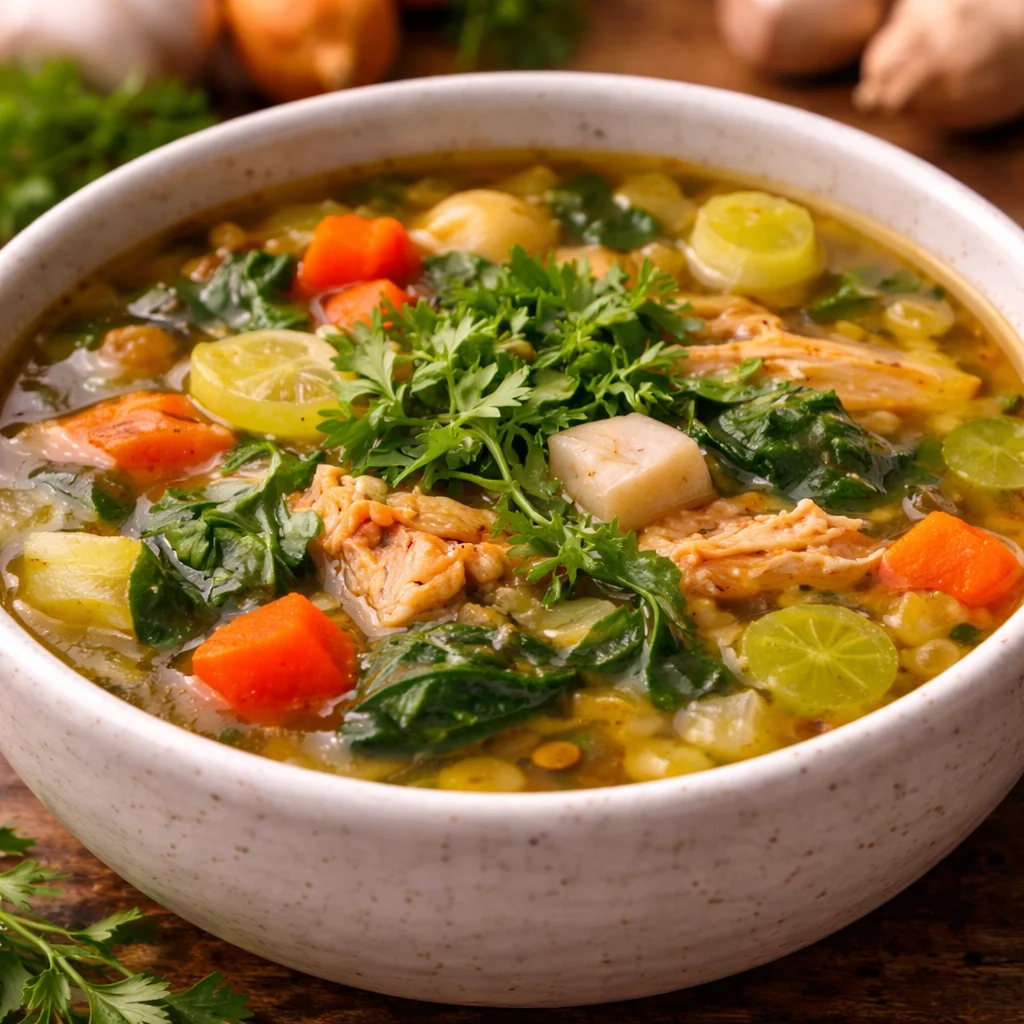
gut healing soup recipes looking for a simple way to calm bloating, ease digestion, and give your gut a break? These soothing, easy-to-make soups are packed with gentle ingredients that help your stomach reset while still keeping you nourished and satisfied.
- Best Ingredients for Gut Health (Bone Broth, Ginger, Turmeric & More)
- 9 Gut Healing Soup Recipes for Digestion, Bloating, and Comfort
- How to Make Gut Healing Soup at Home (Step-by-Step Method)
- Ingredient Substitutions (Gluten-Free, Dairy-Free, Low-FODMAP Options)
- Pro Tips for Making the Best Gut-Friendly Soups Every Time
- Common Mistakes to Avoid When Making Healthy Soup Recipes
- Easy Variations: Vegan, High-Protein, Low-Carb Gut Healing Soups
- What to Serve with Gut Healing Soups (Healthy Pairings)
- Meal Prep and Storage Tips for Gut Friendly Soup Recipes
- Nutritional Benefits of Gut Healing Soups (Gut Health + Anti-Inflammatory Focus)
- When to Eat Gut Healing Soups for Better Digestion
- Related Gut Health Recipes to Support Your Microbiome
- Common Questions
- A cozy way to feel better, one bowl at a time
- Gut Healing Soup
Best Ingredients for Gut Health (Bone Broth, Ginger, Turmeric & More)
If you want to keep things simple, start with ingredients that are gentle on your stomach and easy to digest. You do not need a long list, you just need smart basics. I lean on these over and over because they are gentle, simple, and they make soup taste like comfort.
These are the ingredients I rely on most when making gut-friendly soups:
Bone broth or simple broth: Cozy, salty, and easy to sip. If you do not do bone broth, a good quality chicken or veggie broth works too.
Ginger: This one is my personal hero for nausea and that heavy, stuck feeling after meals. Fresh is best, but powdered works in a pinch.
Turmeric: Earthy, warm, and great paired with black pepper and a little fat like olive oil.
Carrots, zucchini, and peeled potatoes: Soft textures, mild flavors, and they blend beautifully.
Shredded chicken: Easy protein that does not feel heavy, especially when simmered until tender.
Cooked rice or rice noodles: Gentle carbs that help make soup more filling without being rough on digestion.
Fresh herbs: Parsley and dill feel especially light. They also make simple soup taste bright.
If you want more inspiration beyond soups, I keep a running list of ideas I actually make on busy nights in these gut healthy recipes for better digestion tonight.
9 Gut Healing Soup Recipes for Digestion, Bloating, and Comfort
This is where it all comes together. These are my nine comfort bowls that I rotate depending on what my stomach needs. A few are blended, a few are brothy, and none are complicated. Here are quick descriptions to help you choose what suits you best.
1) Ginger carrot puree soup
Simmer carrots with broth, add fresh ginger, blend until silky, then finish with olive oil and salt. It tastes slightly sweet and super calm.
2) Chicken and rice soothing soup
Classic for a reason. Broth, shredded chicken, soft carrots, celery if you tolerate it, and cooked white rice. It is filling but gentle.
3) Zucchini basil soup
Zucchini gets super soft fast. Blend with a handful of basil and a squeeze of lemon. This one feels light but still comforting.
4) Golden turmeric chicken soup
Chicken soup, but make it warm and golden. Add turmeric, a little ginger, and black pepper. I add spinach at the end if my stomach is behaving.
5) Potato leek style soup (easy version)
Use just the green part of leeks lightly if you are sensitive, or swap with chives. Blend with broth and a little olive oil. Creamy without dairy.
6) Miso ginger noodle soup
Use a mild miso, add rice noodles, ginger, and a soft boiled egg if you want. Keep it simple and not too salty.
7) Cabbage and garlic comfort soup
This one is cozy and surprisingly soothing if you tolerate cabbage. If you want an exact version, I love this garlicky cabbage soup style approach and make it when I want something savory and grounding.
8) Butternut squash soup with sage
Squash blends into a velvety soup that feels like a warm blanket. Sage makes it taste like fall even if it is not fall.
9) Lemon dill chicken soup
Broth, chicken, carrots, and lots of dill with a gentle lemon finish. It tastes clean and bright, and I crave it when I feel blah.
These gut healing soup recipes are meant to be flexible and easy to adapt. If one ingredient bugs your stomach, swap it. Soup should feel forgiving, not stressful.
How to Make Gut Healing Soup at Home (Step-by-Step Method)
This is the simple method I use for most gut-friendly soups, especially on days when I want something easy. Once you learn the rhythm, you can make a pot with whatever you have.
My go to soup method
- Step 1: Pick your base: broth, stock, or water plus a little salt.
- Step 2: Add gentle aromatics: ginger, green onion tops, or a little garlic if tolerated.
- Step 3: Add easy veggies: carrots, zucchini, peeled potatoes, or squash.
- Step 4: Simmer until very soft. Soft is the goal for easy digestion.
- Step 5: Add protein: shredded chicken, turkey, tofu, or lentils if you do well with them.
- Step 6: Blend if you want it extra gentle, or leave it brothy.
- Step 7: Finish with flavor: salt, lemon, fresh herbs, and a drizzle of olive oil.
And yes, I still use this method when I make gut healing soup recipes for friends who say they have sensitive stomachs. It is simple, but it works.
Ingredient Substitutions (Gluten-Free, Dairy-Free, Low-FODMAP Options)
If your stomach is picky, you are not alone. I have had phases where onions felt like a dare and beans were absolutely not happening. Here are swaps that keep the soup comforting without triggering symptoms for a lot of people.
Gluten free: Use rice, quinoa, or rice noodles instead of pasta. Double check broth labels.
Dairy free: Blend potatoes or squash for creaminess. Coconut milk works too, just keep it light if fat bothers you.
Low FODMAP leaning: Skip onion and garlic, use garlic infused olive oil, chives, or the green tops of scallions. Choose zucchini, carrots, spinach, and potatoes.
Nightshade free: Avoid tomatoes and peppers, use squash or carrots for that cozy sweetness instead.
The key idea is simple, do not use ingredients that do not work well for your body. The best gut healing soup recipes are the ones you can actually eat and feel good afterward.
Pro Tips for Making the Best Gut-Friendly Soups Every Time
I have learned these tips through trial and error, so you can avoid common mistakes. These are the little things that make a bowl go from fine to really soothing.
Cook it longer than you think. Super soft veggies are easier to digest.
Go easy on raw toppings. Raw kale salads are great, but not when your stomach is angry. Keep it soft and warm.
Add acid at the end. Lemon or a tiny splash of apple cider vinegar brightens flavor without needing spicy heat.
Salt matters. A bland soup is sad soup. Add salt gradually and taste.
Use a little fat. Olive oil or avocado oil helps you feel satisfied and makes pureed soups taste richer.
When I want more chicken ideas that still feel gentle, I pull inspiration from these anti inflammatory chicken recipes and turn leftovers into soup the next day.
Common Mistakes to Avoid When Making Healthy Soup Recipes
Sometimes soup can feel heavy if we include ingredients that are harder to digest. Here is what I watch for.
Too much fiber too fast. A giant pot of beans, broccoli, and cabbage can backfire if you are already bloated.
Overdoing spice. Chili flakes and hot sauce are delicious, but keep them optional.
Using greasy broth. If the broth is super fatty, skim some off. Heavy fat can feel like a brick for some people.
Not chewing add ins. If you add shredded meat or noodles, eat slowly. Soup still counts as a meal.
Ignoring your own triggers. If onions always bother you, do not try to power through just because a recipe says so.
Food meant to support your gut should feel comfortable and easy to digest.
Easy Variations: Vegan, High-Protein, Low-Carb Gut Healing Soups
I like to keep options open since my preferences change from day to day. Also, some days I want a lighter bowl and other days I want protein that actually keeps me full.
Vegan: Use veggie broth, add tofu or well cooked lentils, blend in squash or potatoes for body, and finish with herbs.
High protein: Add shredded chicken, turkey, collagen peptides stirred into warm broth, or extra eggs like egg drop style.
Low carb: Skip rice and noodles, add zucchini ribbons, spinach, and shredded chicken. Puree cauliflower if you tolerate it.
If you want a soup that is already built for easy gut days, you might also like this cozy chili style bowl: AIP white chicken chili. It hits that comfort craving without being too heavy.
What to Serve with Gut Healing Soups (Healthy Pairings)
I usually prefer to pair soup with something small on the side. If I only have soup, I am hungry an hour later. Here are my easy pairings that usually sit well.
- Simple sourdough toast if you tolerate it, or gluten free toast if not
- Soft cooked eggs on the side for extra protein
- Mashed sweet potato for a gentle carb that feels cozy
- Plain rice if you need something extra mild
- Steamed zucchini or carrots for more volume without roughness
My rule is: keep the side just as calm as the soup. If you are doing gut healing soup recipes to settle digestion, now is not the time for crunchy spicy chaos.
Meal Prep and Storage Tips for Gut Friendly Soup Recipes
Soup is one of the easiest meals to prepare ahead of time. Future you will be so happy when you have a container ready to go.
Fridge: Most soups keep 3 to 4 days. Store in glass containers if you can, they do not hold smells.
Freezer: Freeze in individual portions so you can thaw just one. Leave a little space because soup expands.
Reheating: Warm gently. Boiling hard can make chicken dry and can make creamy blended soups taste a little off.
Freshen it up: Add lemon, herbs, or a drizzle of olive oil after reheating. It makes leftovers taste new.
I usually keep one blended soup and one brothy soup in the freezer, because different stomach days call for different textures.
Nutritional Benefits of Gut Healing Soups (Gut Health + Anti-Inflammatory Focus)
While this is not medical advice, these are common benefits based on experience and basic nutrition principles. Soups like these are hydrating, easier to digest than a big dry meal, and a good way to get nutrients in when your appetite is low.
Hydration support: Broth counts. If you get constipated or feel sluggish, hydration helps.
Minerals and electrolytes: Especially if you have not been eating much.
Gentle protein: Chicken, turkey, eggs, tofu, or fish can help you feel steady.
Anti inflammatory ingredients: Ginger and turmeric are popular for a reason and they taste good in soup.
Easy veggie intake: Cooked veggies are often easier on the gut than raw ones, especially during flare ups.
It is also just emotionally soothing, which matters more than people admit. A warm bowl can lower that tense, clenched feeling that makes digestion worse.
When to Eat Gut Healing Soups for Better Digestion
I tend to choose these soups at certain times, which may be why they feel especially helpful.
After a heavy meal day: I will do soup for lunch the next day to give my stomach a break.
During stress: Stress messes with digestion fast. Soup is easy to eat even when you are distracted.
When bloating hits: I keep it simple, usually ginger carrot or chicken and rice.
At dinner when I want to sleep well: A lighter soup at night can feel better than a huge plate of food.
Just a quick reminder: if you have severe symptoms, ongoing pain, blood in stool, or unexpected weight loss, it is worth checking in with a medical professional. Soup is supportive, but it is not a diagnosis.
Related Gut Health Recipes to Support Your Microbiome
If you are in a season of focusing on digestion, soups are a great start, but it helps to have other gentle go to recipes too. I like building a small rotation so I do not get bored and end up ordering something that makes me feel worse.
Here are a few places to explore next:
More gut healing soup ideas if you want even more cozy bowls.
Gut friendly recipes for breakfasts, lunches, and dinners that still feel simple.
If you are not in a soup mood, a smoothie can be easier sometimes, and this gut healing smoothie is one I like when I want something quick.
Common Questions
Can I eat gut healing soup recipes every day?
Yes, especially if you rotate ingredients and still get enough protein and calories. I do soup heavy weeks all the time when my stomach is sensitive.
Are blended soups better for digestion?
Often, yes. Blended soups can feel gentler because the texture is smooth and the veggies are fully cooked. But some people prefer brothy soups, so go with what feels best.
What if garlic and onion bother me?
Skip them and use ginger, chives, scallion greens, or garlic infused oil for flavor. You will still get a delicious pot of soup.
How fast do these soups calm bloating?
It depends on the cause, but I usually feel relief the same day when I keep it simple and avoid my trigger foods. Think of soup as a calming step, not an instant cure.
Can I make these in a slow cooker?
Yes. Cook until everything is very soft, then shred the meat and blend if you want. Add quick ingredients like greens and lemon at the end.
A cozy way to feel better, one bowl at a time
gut healing soup recipes can be one of the easiest ways to support your digestion and feel better fast. By choosing simple, gut-friendly ingredients and keeping meals light, you give your body the chance to reset and recover. Start with one soup, keep it consistent, and notice how your gut responds.
Gut Healing Soup
Ingredients
Method
- Pick your base: use either broth or water with a little salt.
- Add gentle aromatics like ginger and green onion tops.
- Add in the easy veggies: chopped carrots, zucchini, and peeled potatoes.
- Simmer everything until the vegetables are very soft.
- Add the shredded chicken, and rice or noodles if using.
- Blend the soup if you prefer a smoother texture, or leave it chunky.
- Finish with salt, fresh dill, olive oil, and a squeeze of lemon juice.
- Serve warm and enjoy!