
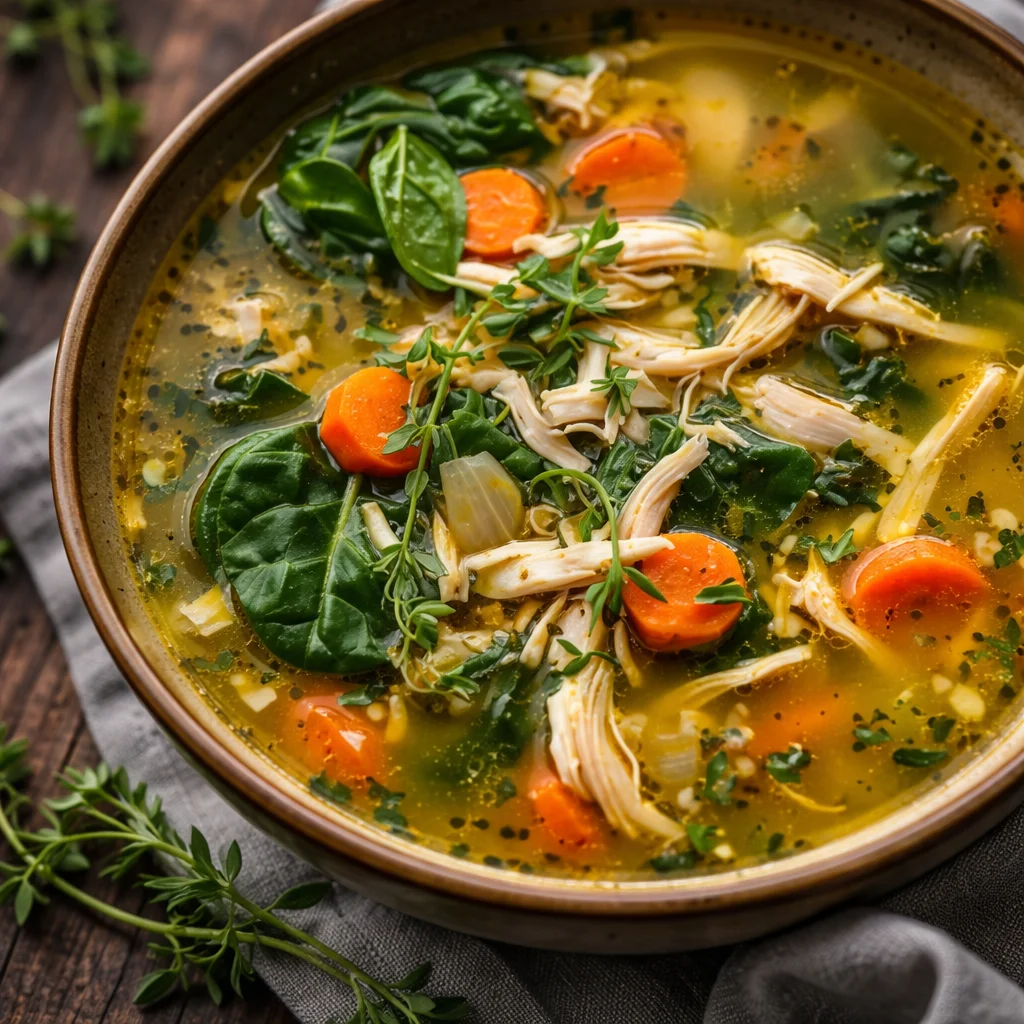
Gut-healing soups can be one of the simplest ways to calm bloating, support digestion, and give your stomach a break. When your gut feels irritated or overwhelmed, heavy meals often make things worse. A warm, brothy bowl made with gentle ingredients can feel surprisingly restorative. In this guide, you’ll learn exactly what makes a soup gut-friendly and which recipes work best for sensitive digestion.
Why Gut-Healing Soups Support Digestion
Gut-healing soups are warm, brothy meals made with easy-to-digest ingredients like bone broth, soft vegetables, ginger, and simple proteins. They can help reduce bloating, calm sensitive digestion, and support gut balance. Choosing low-FODMAP options and avoiding heavy cream or excess spice makes them even gentler.
When I say gut healing soups, I mean soups that are gentle, warming, and built with ingredients that usually calm things down instead of stirring them up. Think brothy soups, soft cooked veggies, simple proteins, and spices like ginger that feel soothing instead of spicy. I also like soups because you can control everything, the salt, the fat, the texture, and the portion size.
On days my digestion is touchy, I aim for soup that is not too creamy, not too acidic, and not overloaded with raw fiber. You can still make it taste amazing. You just build flavor slowly with broth, herbs, and a few smart add ins.
One thing that helped me connect the dots was learning the bigger gut basics, like what foods tend to irritate and what foods tend to support you. If you like that kind of guide, this post is super helpful: 15 best foods for gut health and digestion.
Why Gut-Healing Soups Support Digestion and Microbiome Balance
Soup works so well for digestion because everything is softened, cooked down, and easier for your stomach to break apart. Everything is cooked down, softened, and surrounded by liquid, which is often easier for your stomach to process than a dry plate of food. Warmth also matters. A hot bowl can feel relaxing, and when your body is more relaxed, digestion tends to go better.
Soups also let you sneak in a little bit of everything your gut likes: minerals from broth, gentle fiber from cooked vegetables, and herbs that support the whole process. If you are dealing with frequent bloating and you are trying to understand why, I found this helpful when I was troubleshooting my own symptoms: why your gut health is causing bloating.
What Makes a Soup Anti-Inflammatory and Easy to Digest?
For me, an easy soup has three things: simple ingredients, slow flavors, and nothing too aggressive. Anti-inflammatory eating doesn’t mean exotic powders or complicated recipes. It usually means choosing ingredients that calm your system instead of irritating it. It is more like picking ingredients that are known to be gentle and skipping the ones that commonly trigger gas, reflux, or irritation.
Here is what I look for:
- A clean base: bone broth, chicken broth, or a simple veggie broth
- Soft textures: cooked carrots, zucchini, peeled sweet potato, winter squash
- Soothing add ins: ginger, turmeric, parsley, fennel, a little lemon at the end if tolerated
- Simple protein: shredded chicken, turkey, or lentils if you digest them well
- Not too much fat: a drizzle of olive oil is great, but a super creamy soup can be heavy when your gut is sensitive
If you want more full meal ideas that follow the same vibe, this roundup is a good one to bookmark: gut healthy recipes for better digestion tonight.
Best Gut-Healing Ingredients (Bone Broth, Ginger, Turmeric & Fiber-Rich Vegetables)
Let us talk ingredients, because this is where gut healing soups really shine. I keep these staples around so I can throw together a pot of soup without thinking too hard.
My core soup staples
Bone broth is my favorite base when I want something extra soothing. It is rich, savory, and makes simple soups taste like they simmered all day. Ginger is another must for me, especially when I feel that sloshy, too full feeling. Turmeric adds a warm earthy note, and I usually pair it with black pepper if my stomach is calm enough for it.
For veggies, I do best with carrots, zucchini, spinach, peeled potatoes, sweet potatoes, and squash. If I want more fiber, I go with lentils, split peas, or blended veggies, but I add them slowly so I do not overload my system.
12 Gut-Healing Soup Recipes for Bloating, IBS & Sensitive Stomachs
This is my real life list. Not every soup works for every person, but these are great starting points. If you are in a flare, pick the simplest one and build from there.
My 12 go to gut healing soups:
- Classic chicken and zucchini broth soup
- Ginger carrot soup (blended smooth)
- Turmeric chicken rice soup (use white rice if you need it extra gentle)
- Sweet potato and spinach soup
- Simple turkey meatball soup with carrots
- Butternut squash and ginger soup
- Low spice pho style chicken broth with rice noodles
- Lentil and carrot soup (small portion if fiber is tough for you)
- Split pea soup (blended and thin, not thick and heavy)
- Coconut free curry-ish veggie soup (mostly turmeric and herbs, no heat)
- Low FODMAP chicken soup with chives instead of onion
- Tomato free minestrone style soup with zucchini and greens
When I am craving something chili-ish but still gentle, this is a fun one to check out: best AIP white chicken chili for easy gut healing.
How to Make a Simple Gut-Healing Soup Step-by-Step
If you only learn one method, make it this. It is my weeknight formula, and it works with chicken, turkey, or just vegetables.
Basic method:
- Warm a little olive oil in a pot, then add sliced carrots and zucchini (or whatever soft veggies you tolerate).
- Stir in grated ginger and a pinch of turmeric. Keep it gentle.
- Add broth, bring to a light simmer, then cook until veggies are very soft.
- Add shredded cooked chicken at the end so it stays tender.
- Salt to taste, add chopped parsley, and if you tolerate it, a small squeeze of lemon.
The key is not rushing the simmer. Even 15 to 20 minutes makes the soup taste calmer and more balanced.
Bone Broth Soups for Gut Lining and Collagen Support
Bone broth soups are what I make when I want that cozy, deeply nourishing feeling. Soup isn’t magic, but a few days of simple broth-based meals can noticeably calm digestion.
My favorite combo is bone broth, shredded chicken, carrots, and a handful of spinach stirred in at the end. If you are looking for more anti inflammatory chicken ideas that pair well with soup nights, this is a great list: 10 easy anti inflammatory chicken recipes.
High-Fiber Vegetable Soups That Feed Healthy Gut Bacteria
This is where you go when you are not in a flare and you want to support your microbiome with more plants. The trick is to keep it cooked and not too rough. Blended soups are your friend because they can be high fiber but still easy to handle.
I like doing a blended carrot and ginger base, then adding cooked lentils or soft greens. Another good move is a vegetable soup that you partially blend, so it is thicker but still has some texture.
If you are working on the bigger picture of gut health, this guide is worth reading when you have time: how to improve gut health naturally.
Low-FODMAP and Dairy-Free Soup Options for Digestive Relief
If onions, garlic, and dairy tend to wreck your day, you are not alone. I went through a phase where I had to simplify everything, and soup was the easiest place to do it.
Try these swaps:
- Use chives or green onion tops instead of onions
- Use garlic infused oil instead of fresh garlic
- Skip cream and use blended squash or potatoes for a creamy feel
- Use rice, quinoa, or rice noodles instead of wheat pasta
And yes, you can still make it taste good. Salt, ginger, herbs, and a good broth do a lot of heavy lifting.
Foods to Avoid in Soups If You Struggle with Inflammation or Gas
This part is not to scare you, it is just practical. Some ingredients are healthy on paper but can be rough in a sensitive season.
Common soup triggers:
- Lots of onion and garlic
- Too many beans at once
- Heavy cream and lots of cheese
- Very spicy peppers
- Big amounts of raw cruciferous toppings (like raw cabbage)
- Greasy sausage or processed meats
If you want a clear list of what to watch out for, this post lays it out: worst foods for gut health.
Common Mistakes That Make “Healthy” Soups Hard on Digestion
I have messed this up before, so let me save you the trouble.
Mistake 1: making the soup too raw. Even if it is a veggie soup, cook it until it is truly soft.
Mistake 2: doing too many new ingredients at once. If you are testing what works for you, keep it simple so you can actually tell.
Mistake 3: blasting it with spice. Ginger is usually fine. Hot chili flakes, not always.
Mistake 4: adding acidic stuff too early. If you are using lemon, add it at the end so it stays bright and you can control the amount.
Mistake 5: forgetting protein. A bowl of only broth can leave you hungry, which leads to snacking on random stuff later.
Quick 30-Minute Gut-Friendly Soups for Busy Weeknights
On weeknights, I rely on shortcuts and I do not feel bad about it. Rotisserie chicken, frozen chopped carrots, and boxed broth can still become gut healing soups if you keep the ingredient list calm.
My fastest combo:
- Store bought broth
- Frozen carrots and zucchini
- Grated ginger
- Shredded chicken
- Spinach stirred in at the end
Simmer 15 to 20 minutes and dinner is done. If you want more meal ideas that keep inflammation in mind, this is another good one to browse: anti inflammatory foods for gut health and energy.
How to Add Probiotics and Fermented Foods to Soups the Right Way
This matters because high heat can destroy the beneficial bacteria in fermented foods.
If you want to add fermented foods like sauerkraut or kimchi, do it after the soup is off the heat and slightly cooled. Same idea with yogurt or kefir if you tolerate dairy, add a spoon to the bowl, not the boiling pot. You want warmth, not a rolling boil.
My favorite gentle option is a little sauerkraut juice stirred into the bowl. Start with a teaspoon. You can always add more next time.
Meal Prep, Storage, and Freezer Tips for Gut-Healing Soups
Soup is one of the best meal prep foods, especially when your stomach is unpredictable. I like making a double batch and freezing half right away.
My real life soup storage rules:
- Cool soup quickly, then store in glass containers if you can.
- Keep in the fridge up to 3 to 4 days.
- Freeze in single portions so you can thaw just what you need.
- If you add noodles or rice, store them separately so they do not get mushy.
- Label the lid with the date, because mystery soup is not fun.
Having a few portions ready makes it way easier to stick with gut healing soups when life gets busy.
Common Questions
How often should I eat gut healing soups?
If your stomach is irritated, once a day for a few days can feel really supportive. If you feel good, rotate soup in a few times a week as an easy, nourishing meal.
Are gut healing soups good for IBS?
They can be, especially if you keep ingredients simple and consider low FODMAP options. IBS triggers are personal, so start with one gentle recipe and adjust slowly.
Should I use bone broth or regular broth?
Use what you tolerate and what you can access. Bone broth is richer, but a simple chicken or veggie broth can still make a very soothing soup.
Can I make these soups vegetarian?
Yes. Use a clean veggie broth and add easy proteins like lentils if you digest them well. Blended squash and carrot soups are also great vegetarian options.
What if soup still makes me bloated?
Try reducing onions, garlic, beans, and big fiber loads. Smaller portions help too. If symptoms are frequent, it can help to read up on patterns like in 10 signs of an unhealthy gut and talk to a healthcare professional if needed.
A Warm Bowl and a Fresh Start
If you take one thing from this post, let it be this: gut healing soups work best when they are simple, consistent, and built around what your body actually tolerates. Start with broth, soft cooked veggies, and gentle flavor like ginger, then build from there. I also love checking out other soup inspiration like Gut & Skin Healing Bone Broth Soup – Zest Health when I want to switch it up. Make a batch this week. Freeze a few portions. When your stomach flares up on a hectic day, you’ll already have something soothing waiting for you.
Gut-Healing Soup
Ingredients
Method
- Warm the olive oil in a pot.
- Add sliced carrots and zucchini, cook until soft.
- Stir in grated ginger and turmeric.
- Add the broth and bring to a light simmer, cooking until all vegetables are very soft.
- Add shredded chicken at the end if using, salt to taste.
- Garnish with chopped spinach and a squeeze of lemon.