
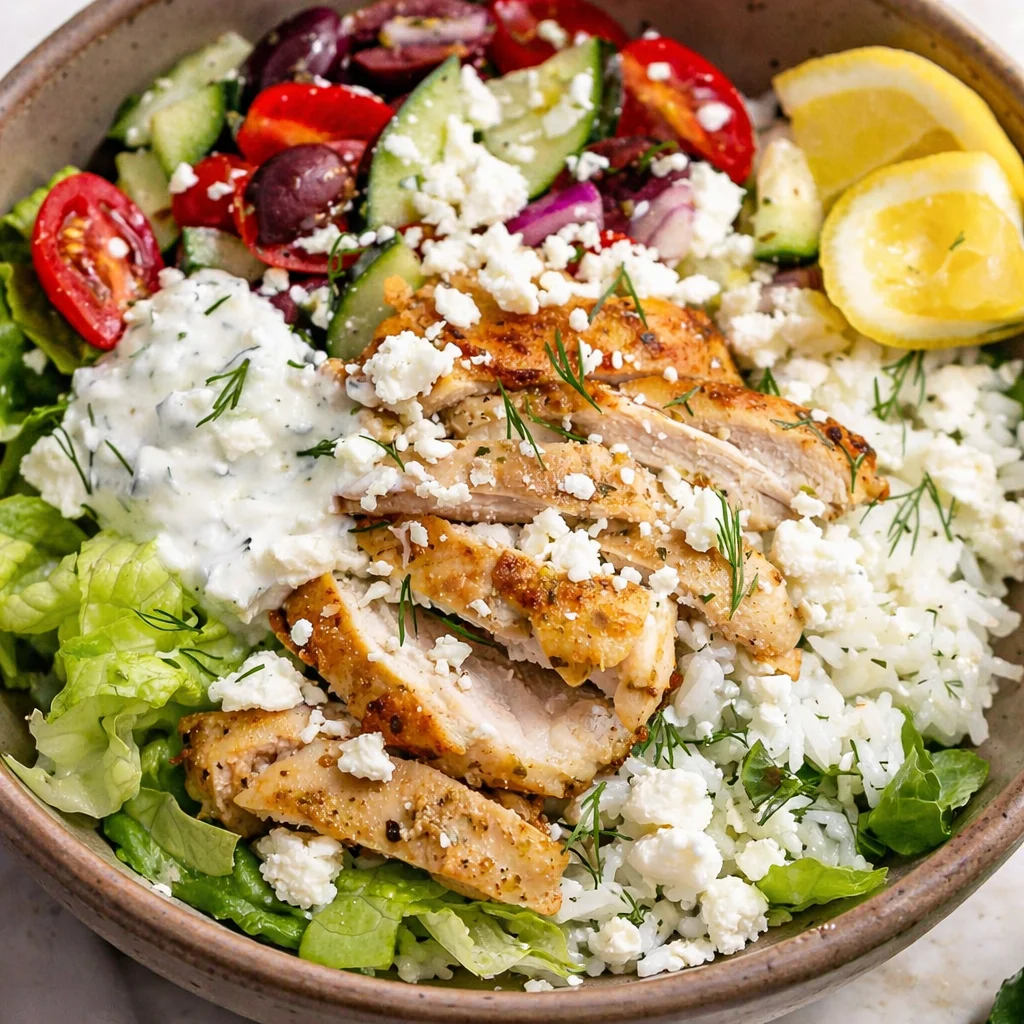
Greek Chicken Bowls
Greek Chicken Bowls are my rescue plan for those weeks when my fridge looks empty, my schedule looks rude, and I still want something that tastes fresh and bright. You know that feeling when you want takeout, but you also want to feel good after you eat? That is exactly where these bowls live. They’re quick, filling, and they hit that perfect combo of warm chicken, cool creamy sauce, and crunchy veggies. I started making them because I wanted one meal I could repeat without getting bored. And honestly, they’ve saved me more times than I can count.
The Science of the Microbiome: How Mediterranean Ingredients Heal Your Gut
I’m not a doctor, but I’ve spent years paying attention to what makes my stomach feel calm versus what makes it feel like it’s hosting a marching band. Mediterranean style ingredients tend to be gentle and supportive for a lot of people because they lean on simple whole foods: olive oil, herbs, lemon, vegetables, and fermented add ons.
Your gut microbiome is basically a busy little neighborhood of bacteria that helps you break down food and supports your immune system. When you feed it a mix of fiber, polyphenols (hello olive oil and herbs), and enough protein, it tends to behave better. These bowls bring that balance in a way that still feels like comfort food.
Anti-Inflammatory Benefits: Reducing Bloating and Systemic Inflammation
If you deal with bloating, you already know it’s not always about “eating too much.” Sometimes it’s what you ate, how fast you ate, or the sneaky ingredients hiding in sauces. A big reason I love Greek Chicken Bowls is that the flavor comes from clean basics: lemon juice, garlic, oregano, cucumber, dill, and olive oil.
Many Mediterranean staples are naturally anti inflammatory. Extra virgin olive oil and herbs bring antioxidants, and veggies bring water and potassium that help you feel less puffy. For me, the biggest win is that I feel satisfied but not heavy afterward. That is rare.
Fiber-Maxxing: Choosing the Best Grains and Prebiotic Bases
Let’s talk base options because this is where people accidentally turn a “healthy bowl” into a nap trigger. You want something that supports your digestion and energy, not something that spikes you and drops you an hour later.
My go to bases:
- Brown rice for that classic hearty feel
- Quinoa if I want extra protein and a lighter bite
- Chopped romaine when I want low carb but still crunchy
- Cauliflower rice if I’m keeping it lighter (just season it well)
Prebiotic foods help feed the good gut bugs. In this bowl, you can get that support from onions, garlic, and even cooked and cooled rice if you meal prep it (resistant starch is a real thing and yes, it matters).
The Probiotic Powerhouse: Making Gut-Friendly Creamy Tzatziki
Tzatziki is the whole personality of these bowls. It’s cool, tangy, and it makes plain chicken taste like something you’d pay for at a cafe.
Here’s my simple gut friendly version. The big tip is to use a yogurt you tolerate well and keep the ingredients clean.
Quick Tzatziki: Stir together plain Greek yogurt, grated cucumber (squeezed dry), minced garlic, lemon juice, chopped dill, a pinch of salt, and a drizzle of olive oil. That’s it.
If you want more probiotic punch, choose a yogurt with live active cultures. And if you’re dairy free, don’t worry, I’ll cover swaps later.
Also, if you love cozy gut supportive meals, I’m obsessed with this one when I want something soothing instead of crunchy bowls: best cauliflower chicken soup for a cozy healthy dinner.
Best High-Protein Ingredients for Muscle Maintenance and Gut Integrity
I like these bowls because they keep me full for hours. Protein does that, and it also supports muscle maintenance which matters even if you’re not living in the gym. Plus, protein helps keep cravings from getting loud at 9 pm.
My favorite protein choices for Greek Chicken Bowls:
Chicken breast for lean and easy, chicken thighs for extra juicy flavor, or even salmon if you want a richer option. If you’re plant based sometimes, chickpeas can work, but they can also cause gas for some people, so listen to your body.
Step-by-Step Guide: The Perfect Gut-Healthy Greek Chicken Bowl Recipe
This is the exact method I use when I need dinner fast but still want it to feel like a real meal. Nothing complicated, just good assembly and a few strong flavors.
What you’ll need:
- 1 to 1.5 pounds chicken (breast or thighs)
- Olive oil, lemon juice, garlic, oregano, salt, pepper
- Cucumber, cherry tomatoes, red onion (optional), romaine or spinach
- Cooked rice or quinoa (or cauliflower rice)
- Tzatziki (homemade or a clean store bought one)
- Optional: feta, olives, fresh parsley
How I make it:
- Marinate chicken for at least 15 minutes in olive oil, lemon juice, garlic, oregano, salt, and pepper. Longer is great, but 15 minutes still works.
- Cook the chicken in a skillet or on a sheet pan until done, then let it rest a few minutes before slicing.
- Prep your veggies while the chicken cooks. Keep cucumber dry so the bowl doesn’t get watery.
- Build your bowl: base first, then greens, then chicken, then veggies, then a big spoon of tzatziki on top.
- Taste and adjust with more lemon, salt, or herbs. This is where it goes from fine to wow.
I make Greek Chicken Bowls at least a couple times a month, and the best part is everyone can build their own. It’s a lifesaver if your household likes different things.
Gut-Health Swaps: Low-Carb, Lectin-Free, and Dairy-Free Variations
If your stomach is sensitive, swaps are not “extra.” They’re the difference between feeling great and feeling off all night.
Try these easy adjustments:
Low carb: Use chopped romaine or cauliflower rice and skip the pita chips.
Lectin aware: Swap tomatoes for roasted zucchini or bell peppers if tomatoes bug you. Also consider peeled cucumber and well cooked grains.
Dairy free: Make tzatziki with coconut yogurt or a thick cashew yogurt. Add extra lemon and dill to balance the sweetness some dairy free yogurts have.
Hidden Gut-Wreckers: Ingredients to Avoid in Mediterranean Cooking
This is the part nobody wants to hear, but it’s real. Sometimes you can eat “Mediterranean” and still feel terrible because of the extras.
Things that can mess with digestion:
Seed oils in store bought dressings, added sugars in sauces, and too much raw onion if you’re sensitive. Also watch out for protein bars or packaged sides you toss in last minute. They can sneak in sugar alcohols, gums, and weird fibers that cause major bloat.
Meal Prep Strategy: How to Keep Your Veggies Crisp and Probiotics Alive
If you want these bowls to work for quick lunches, it’s all about how you store things. The goal is crisp veggies and sauce that still tastes fresh.
My simple system:
Store chopped cucumbers and tomatoes separately from greens. Keep tzatziki in its own container and add it right before eating, especially if you want those live cultures to stay as happy as possible. Chicken can be cooked ahead and kept for a few days, and I like to reheat it separately so it doesn’t warm the whole bowl.
When I’m in a meal prep groove, I’ll also rotate in other gut friendly chicken meals so I don’t burn out. This one is great when I want something creamy and comforting: best AIP white chicken chili for easy gut healing.
Common Digestive Mistakes: Why Your “Healthy” Bowl Might Cause Bloat
If you’ve ever made a gorgeous bowl and then felt like you swallowed a balloon, you’re not alone. Here are common issues I see (and yep, I’ve done them too).
Too much raw veg at once, not enough salt (seriously), eating too fast, or mixing in a store bought sauce with garlic powders and sweeteners that your gut hates. Another big one is portion sizing on grains. Even with Greek Chicken Bowls, if you pile on a huge scoop of rice and then add pita, you might feel stuffed instead of satisfied.
The Vagus Nerve Connection: Mindful Eating Tips for Better Absorption
This might sound a little woo, but it’s practical. Your vagus nerve helps signal your body to shift into rest and digest mode. If you’re eating while stressed, scrolling, or standing at the counter, digestion often suffers.
My easy habits: sit down, take a few slow breaths, and chew a bit more than you think you need to. Even five calmer minutes can make a difference in how your stomach feels after.
Daily Routine: Integrating Anti-Inflammatory Bowls into a 2026 Wellness Plan
I’m not into perfection, but I am into routines that make weekdays easier. In 2026, my plan is simple: choose a few repeatable meals that support energy and digestion, then rotate flavors so I don’t get bored.
Greek Chicken Bowls fit that perfectly. I’ll do them for lunch twice a week, then swap the base or veggies based on what’s in season. It keeps my grocery list short, my protein consistent, and my stomach way more predictable.
Internal Linking: Explore More Microbiome-Friendly Recipes and Healing Protocols
If you’re building a gut friendlier meal rotation, it helps to have a few reliable recipes you actually enjoy eating. I linked a couple favorites above, and they’re worth bookmarking for those days when you want something warm and soothing instead of a bowl.
Also, if you’re new to making Greek Chicken Bowls at home, start simple and focus on the basics done well: good chicken, fresh lemon, a creamy sauce you tolerate, and crunchy veg you enjoy.
Common Questions
1) How long does cooked chicken last for meal prep?
Usually 3 to 4 days in the fridge if it’s stored in a sealed container and cooled promptly. If it smells off, toss it. I never risk it.
2) Can I freeze Greek Chicken Bowls?
I wouldn’t freeze the whole assembled bowl because cucumbers and yogurt sauce get weird. Freeze cooked chicken and cooked grains separately, then add fresh veg and tzatziki later.
3) What if yogurt bothers my stomach?
Try lactose free Greek yogurt or a dairy free yogurt like coconut or cashew. Start with a smaller serving and see how you feel.
4) What’s the fastest way to add more flavor?
More lemon, a pinch more salt, and fresh herbs. Also a drizzle of good olive oil right at the end makes everything taste restaurant level.
5) Can I make this for picky eaters?
Yes. Serve everything in separate little bowls and let people build their own. Keep onions and olives on the side.
A quick wrap-up before you start cooking
If you want a meal that tastes fresh, keeps you full, and doesn’t leave you feeling weighed down, Greek Chicken Bowls are such a solid go to. They’re easy to prep, flexible with swaps, and honestly kind of fun to assemble. If you want more bowl inspiration, check out Greek Chicken Bowls – Eat With Clarity and this cozy spin on the idea from Chicken Tzatziki Bowls. – Half Baked Harvest. Now go grab that lemon and oregano and make yourself a bowl that actually feels like a win tonight.

Greek Chicken Bowls
Ingredients
Method
- In a bowl, combine olive oil, lemon juice, garlic, oregano, salt, and pepper.
- Add chicken to the marinade and let it sit for at least 15 minutes.
- Cook the marinated chicken in a skillet over medium heat or on a sheet pan until it is fully cooked.
- Allow the chicken to rest for a few minutes before slicing.
- Prepare the veggies while the chicken is cooking.
- In a bowl, layer the cooked rice or quinoa, followed by greens, sliced chicken, the veggies, and a generous spoonful of tzatziki.
- Taste and adjust with more lemon, salt, or herbs as desired.
- In a bowl, mix Greek yogurt, grated cucumber, minced garlic, lemon juice, chopped dill, salt, and olive oil together until well combined.