
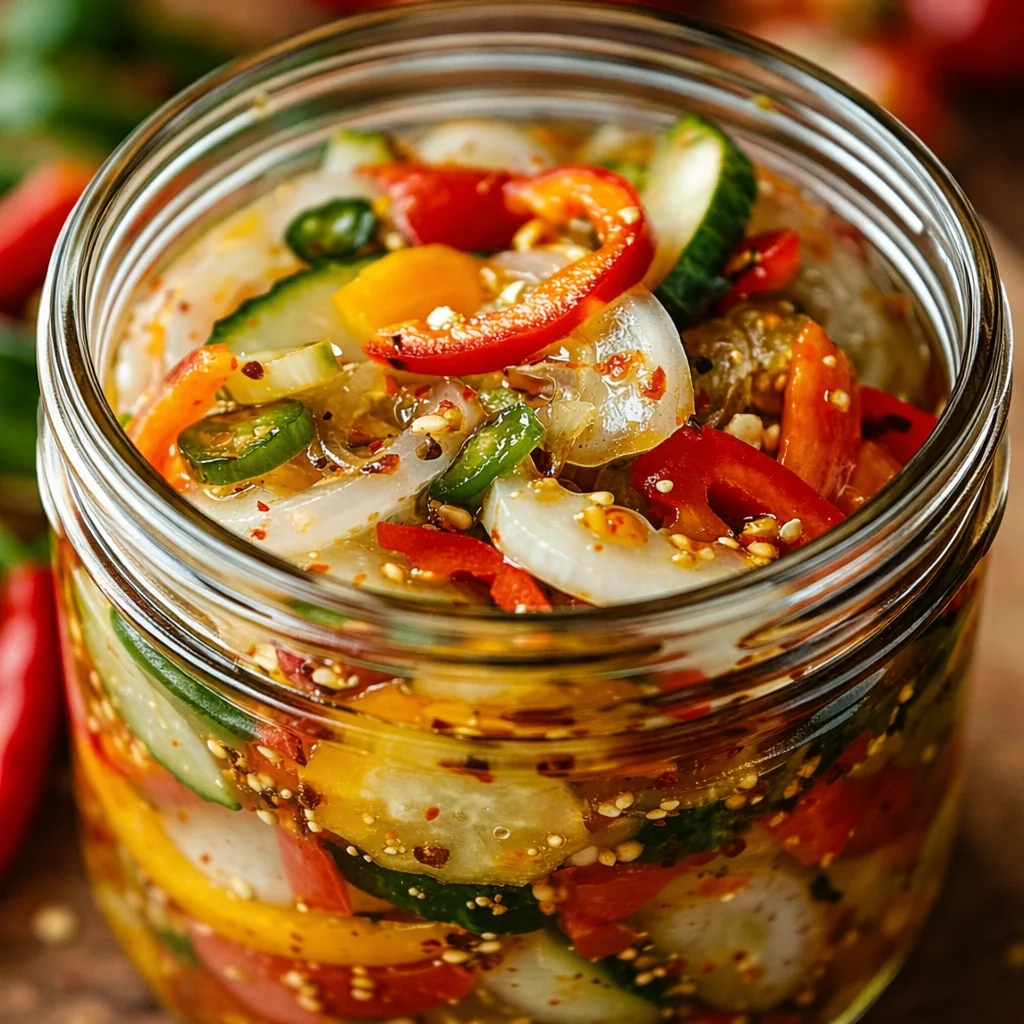
Vietnamese pickled carrots and daikon can instantly fix a bland meal. Ever make a rice bowl or noodle dish that tastes fine but feels like it is missing something bright and crunchy? That is exactly where these tangy pickles come in. The sweet and sour bite wakes up simple foods while adding fresh vegetables that are easy on digestion. This quick gut friendly condiment is popular in banh mi sandwiches, but it also works beautifully in healthy bowls, salads, and anti inflammatory meal prep.
- Key Ingredients for Vietnamese Pickled Vegetables (Carrots, Daikon, and Pickling Brine) and Their Health Benefits
- Best Vegetables for a Crunchy Vietnamese Pickle Medley
- Ingredient Substitutions (Gluten-Free, Low-Sugar, Low-FODMAP, and Vegan Options)
- Step-by-Step Guide: How to Make Vietnamese Pickled Carrots and Daikon at Home
- Pro Tips for Perfectly Crunchy Vietnamese Refrigerator Pickles
- Common Mistakes to Avoid When Making Quick Vietnamese Pickled Vegetables
- Recipe Variations: Spicy, Fermented, Low-Carb, and High-Probiotic Versions
- How to Use Vietnamese Pickled Vegetables (Banh Mi, Rice Bowls, Salads, and Healthy Meal Prep)
- Storage, Fermentation Time, and Meal Prep Tips for Homemade Pickles
- Nutritional Highlights: Low-Calorie, Gut-Friendly, and Digestive Benefits
- Internal Linking Ideas: Related Gut-Health Recipes and Fermented Food Guides
- Common Questions
- A little jar that makes everything better
- Vietnamese Vegetable Pickle Medley
Key Ingredients for Vietnamese Pickled Vegetables (Carrots, Daikon, and Pickling Brine) and Their Health Benefits
At its core, this Vietnamese pickle is just crisp vegetables sitting in a quick sweet, salty, and tangy brine. The classic combo is carrots and daikon, and there is a reason it shows up everywhere from banh mi shops to home kitchens.
Carrots add a natural sweetness and a bright color that makes the jar look fresh and inviting. They also have beta carotene and fiber, which is a nice little bonus when you are piling them onto sandwiches.
Daikon has a mild flavor and a refreshing crunch that works perfectly in quick pickles. When it pickles, it turns slightly translucent and stays snappy if you cut it right. It is also light and hydrating, and it tends to be easy on the stomach for many people.
The brine is usually rice vinegar, sugar, salt, and water. Rice vinegar gives a clean tang that does not taste harsh. Sugar is not just for sweetness, it helps round out the sourness so the pickle tastes balanced instead of sharp.
If you like pairing pickles with other fermented or tangy foods, you might also enjoy something like gut friendly sides and simple ferments on the blog. I tend to keep a few things like that in rotation because they make meals feel more alive.
Best Vegetables for a Crunchy Vietnamese Pickle Medley
Carrot and daikon are the classics, but your Vietnamese Vegetable Pickle Medley can absolutely welcome other veggies. The key is choosing vegetables that stay firm and keep their crunch after pickling.
Great crunchy options:
- Cucumber (use firm ones and eat within a few days)
- Kohlrabi (super crisp, kind of like a cross between broccoli stem and apple)
- Jicama (very crunchy and slightly sweet)
- Red radish (peppery bite, pretty color)
- Green papaya (if you can find it, it stays crisp and feels very Vietnamese)
I usually keep it mostly carrot and daikon, then throw in a small handful of one extra veggie if I have it. That way it still tastes like the familiar deli style pickles you get in a banh mi, but you get a little variety.
Ingredient Substitutions (Gluten-Free, Low-Sugar, Low-FODMAP, and Vegan Options)
This recipe is naturally vegan, and it is easy to adjust depending on what you need. I have made versions of this Vietnamese Vegetable Pickle Medley for friends with different diets, and nobody felt like they were missing out.
Gluten-free: The basic brine is gluten-free already. Just be careful if you add soy sauce to the jar for extra flavor, since regular soy sauce often has wheat. Use tamari instead.
Low-sugar: You can reduce the sugar by half and it will still taste good, just more sharp. If you want it even lower, try a small amount of monk fruit sweetener or erythritol. I recommend starting small because some sugar substitutes taste weird when mixed with vinegar.
Low-FODMAP: Carrots are generally low-FODMAP in typical servings. Daikon can vary person to person. If daikon does not work for you, try cucumber or small amounts of radish. Skip garlic and onion add-ins if you are sensitive.
Vegan: You are all set. Just avoid adding fish sauce if you like the more savory style. If you want that salty depth without fish sauce, a tiny splash of coconut aminos can help.
If you are building meals around these pickles, I also like pointing people toward easy weeknight bowl ideas that welcome crunchy toppings. Pickles make meal prep feel less repetitive.
Step-by-Step Guide: How to Make Vietnamese Pickled Carrots and Daikon at Home
This is where you realize how quick and simple the process actually is. I make a jar while waiting for rice to cook, and by the time dinner is ready, the pickles already have some zip.
What you will need
- 2 medium carrots, peeled
- 1 medium daikon, peeled
- 1 cup rice vinegar
- 1 cup warm water
- 3 to 5 tablespoons sugar (start with 3, adjust to taste)
- 1 and 1/2 teaspoons salt
- 1 clean jar with a lid
Directions (my simple method)
1) Cut carrots and daikon into thin matchsticks, or thin slices if you are feeling lazy. Matchsticks pickle faster and fit better on sandwiches.
2) In a bowl, stir warm water, sugar, and salt until dissolved. Add rice vinegar and stir again.
3) Pack veggies into the jar. Pour brine over until everything is submerged. Press the veggies down a bit with a spoon if they float.
4) Close the lid and let it sit at room temperature for 30 to 60 minutes, then move it to the fridge.
5) Taste after a few hours. I like it best after overnight, when it is tangy but still crunchy.
Pro Tips for Perfectly Crunchy Vietnamese Refrigerator Pickles
If you have ever made pickles and ended up with sad, bendy vegetables, I feel you. Crunch is the whole point here. These little habits help a lot.
Cut evenly so everything pickles at the same speed. Thin matchsticks are the sweet spot.
Do not skip the salt. It helps pull a little water from the vegetables and keeps the texture snappy.
Use a clean jar and do not stick dirty forks in it. Basic, but it matters for freshness.
Chill after the first hour. You want quick pickling, not warm sogginess for hours.
Common Mistakes to Avoid When Making Quick Vietnamese Pickled Vegetables
I have made every mistake at least once, so you do not have to.
Making the brine too strong: If you go heavy on vinegar with no water balance, it can taste harsh and overpowering. Keep it friendly and bright, not aggressive.
Cutting the veggies too thick: Thick sticks take forever, and the outside gets pickled while the inside stays raw.
Over-sweetening: Some people love it sweet, but too much sugar can hide the fresh tang that makes this pickle so addictive. Start lower, then adjust.
Letting it sit too long at room temp: For this quick style, you are not trying to ferment on the counter. An hour is plenty, then refrigerate.
Recipe Variations: Spicy, Fermented, Low-Carb, and High-Probiotic Versions
Once you have the basic Vietnamese Vegetable Pickle Medley down, it is fun to play around.
Spicy: Add a few sliced Thai chilies or a teaspoon of crushed red pepper. It wakes everything up fast.
Fermented (more probiotic): Skip the vinegar and use a saltwater brine instead. Keep it at room temp for a few days, burping the jar daily. This is more hands on, but it is great if you love that funky tang.
Low-carb: Use less sugar, or swap in a low carb sweetener. The pickle will be sharper, but still totally usable.
High-probiotic: Go the fermented route and add a few grape leaves if you have them for crunch, or just keep everything very clean and fully submerged.
How to Use Vietnamese Pickled Vegetables (Banh Mi, Rice Bowls, Salads, and Healthy Meal Prep)
This is where these pickles really start to shine. Vietnamese Vegetable Pickle Medley is not just a side, it is a flavor booster you can toss onto almost anything.
My favorite ways to use it:
- Banh mi with grilled chicken, tofu, or pork, plus cucumber and cilantro
- Rice bowls with leftover protein, herbs, and a soft egg
- Noodle salads to add crunch and tang
- Lettuce wraps when you want something light but not boring
- Meal prep as your built in acid element, like a shortcut sauce
On busy weeks, I’ll make a jar of pickles and something simple like roasted chicken thighs, then I can build different meals without thinking too hard. If you want more ideas like that, check out simple meal prep sauces and toppings since pickles kind of live in that same “small thing that changes everything” category.
Storage, Fermentation Time, and Meal Prep Tips for Homemade Pickles
For the quick vinegar style, store your pickles in the fridge. They are usually at their best in the first 7 to 10 days, when they stay super crunchy and bright. They can last longer, but the texture slowly softens.
A few storage tips I actually use:
Keep veggies submerged so they pickle evenly and stay fresh tasting.
Use a glass jar if you can. Plastic can hold smells, especially with vinegar.
Make a double batch if you are a sandwich person. You will run out faster than you think.
If you are doing the fermented version, fermentation time depends on your room temperature. Warmer rooms go faster. Most people like it around 2 to 5 days, then refrigerate to slow it down.
Nutritional Highlights: Low-Calorie, Gut-Friendly, and Digestive Benefits
I am not here to pretend pickles are a miracle food, but they do bring some nice benefits. This Vietnamese Vegetable Pickle Medley is low-calorie, veggie packed, and it helps make simple foods more satisfying. The vinegar based quick pickle does not have the same probiotic punch as fermented pickles, but it still supports digestion for many people because acidic foods can help cut through rich meals.
If you make the fermented version, that is where you get more of the gut-friendly live cultures, assuming you ferment it safely and store it properly.
Internal Linking Ideas: Related Gut-Health Recipes and Fermented Food Guides
If you are getting into pickles and fermented foods, it is honestly a slippery slope in a good way. Once you start adding this kind of tangy crunch to meals, it becomes one of those staples you always want in the fridge.
On my site, I like linking readers to things that pair naturally with this Vietnamese Vegetable Pickle Medley, like:
1) A guide to other crunchy toppings and slaws
2) Easy homemade sauces that work in rice bowls
3) Simple fermented food basics, so you feel confident and safe trying it
That is also why I mentioned those earlier links, because they fit right in with how people actually eat these pickles day to day.
Common Questions
1) How long until the pickles taste good?
They taste decent after 1 hour, but I think they taste best after a night in the fridge.
2) Why are my pickles not crunchy?
Usually it is because the veggies were cut too thick, or they sat too long at room temperature, or the vegetables were not very fresh to begin with.
3) Can I reuse the brine?
You can reuse it once if it still tastes clean, but it will be weaker. I usually just make fresh brine because it is fast and tastes better.
4) Can I freeze Vietnamese pickled vegetables?
I do not recommend it. Freezing wrecks the texture and you lose that crisp crunch.
5) Is this the same as fermented pickles?
No. This quick version uses vinegar. Fermented pickles use saltwater and time, and they develop natural tang and probiotics.
A little jar that makes everything better
Vietnamese pickled carrots and daikon are one of those simple additions that make everyday meals feel fresh again. The crisp vegetables, light sweetness, and clean tang add flavor without heaviness, which makes them perfect for gut friendly cooking. Whether you pile them into a banh mi, scatter them over rice bowls, or use them as a bright topping for anti inflammatory meals, this small jar can bring balance, crunch, and digestive friendly flavor to your kitchen.
Vietnamese Vegetable Pickle Medley
Ingredients
Method
- Cut carrots and daikon into thin matchsticks or slices.
- In a bowl, stir warm water, sugar, and salt until dissolved. Add rice vinegar and stir again.
- Pack veggies into a clean jar and pour brine over until they are submerged.
- Close the lid and let it sit at room temperature for 30 to 60 minutes, then move it to the fridge.
- Taste after a few hours; best after overnight for tangy crunch.