
high protein anti inflammatory meal plan tired of dealing with bloating, sluggish digestion, or constant low energy no matter what you eat? This approach focuses on simple, gut-friendly meals packed with protein to help reduce inflammation, support your microbiome, and bring your digestion back on track in a realistic, sustainable way.
- The Science of Inflammation and the Gut Microbiome Connection
- Signs and Symptoms of Chronic Inflammation Affecting Digestion and Overall Health
- Root Causes of Chronic Inflammation in the Body and Gut
- Common Lifestyle and Dietary Triggers That Increase Inflammation
- The Role of Protein in an Anti-Inflammatory Diet for Metabolism and Gut Health
- Best Anti-Inflammatory Foods That Support Microbiome Diversity
- High-Protein Foods That Help Reduce Inflammation Naturally
- Foods That Cause Inflammation and Disrupt Gut Balance
- How an Anti-Inflammatory Diet Supports Digestion, Energy, and Weight Management
- Example 7-Day High-Protein Anti-Inflammatory Meal Plan for Gut Health
- Simple Anti-Inflammatory Daily Routine to Reduce Inflammation and Support the Microbiome
- Lifestyle Habits That Lower Inflammation and Improve Digestive Health
- Internal Resources: Gut Health Recipes, Anti-Inflammatory Foods Lists, and Microbiome Guides
- Common Questions
- Ready to Ditch the Bloat and Feel Awesome?
The Science of Inflammation and the Gut Microbiome Connection
Okay, this bit gets chatty but stick with me.
- Chronic inflammation can feel like a constant hum in your body, quiet at times and overwhelming at others.
- Your gut is home to trillions of beneficial bacteria, known as the microbiome, and they play a key role in your overall health.
- When your gut is out of balance, you may notice it through headaches, digestive issues, low mood, or even skin problems.
- There is a strong link between gut health and inflammation throughout the body.
Signs and Symptoms of Chronic Inflammation Affecting Digestion and Overall Health
Ever get brain fog or wake up with hands that feel like rusty hinges? That can be inflammation.
- Gas, bloating, and random stomach pain super common signs.
- Joint pain, tiredness, and skin flare-ups also point to inflammation.
- If your digestion’s unpredictable, inflammation might be the villain.
Root Causes of Chronic Inflammation in the Body and Gut
Chronic inflammation is not just about aging or a single bad meal, it often builds up gradually over time.
- Stress yep, huge culprit.
- Too much sugar or highly processed food.
- Lack of sleep (guilty), and overuse of antibiotics, which mess up gut bacteria.
- Sitting all day sure doesn’t help, either.
Common Lifestyle and Dietary Triggers That Increase Inflammation
Some triggers are easy to spot, while others are less obvious and often overlooked.
- Processed snacks and deep-fried “treats” (I love donuts, but…).
- Long nights staring at screens blue light messes up hormones.
- Skipping vegetables or fibrous foods your gut hates it.
The Role of Protein in an Anti-Inflammatory Diet for Metabolism and Gut Health
Many people are surprised to learn that protein plays an important role in reducing inflammation.
- Good protein helps rebuild gut lining and muscles, especially after stress or sickness.
- High-protein = feeling fuller longer, less snacking.
- Animal protein isn’t the only way plants can do it too (I’m all about lentils some weeks).
Best Anti-Inflammatory Foods That Support Microbiome Diversity
A varied diet is essential because your gut thrives on a wide range of nutrients.
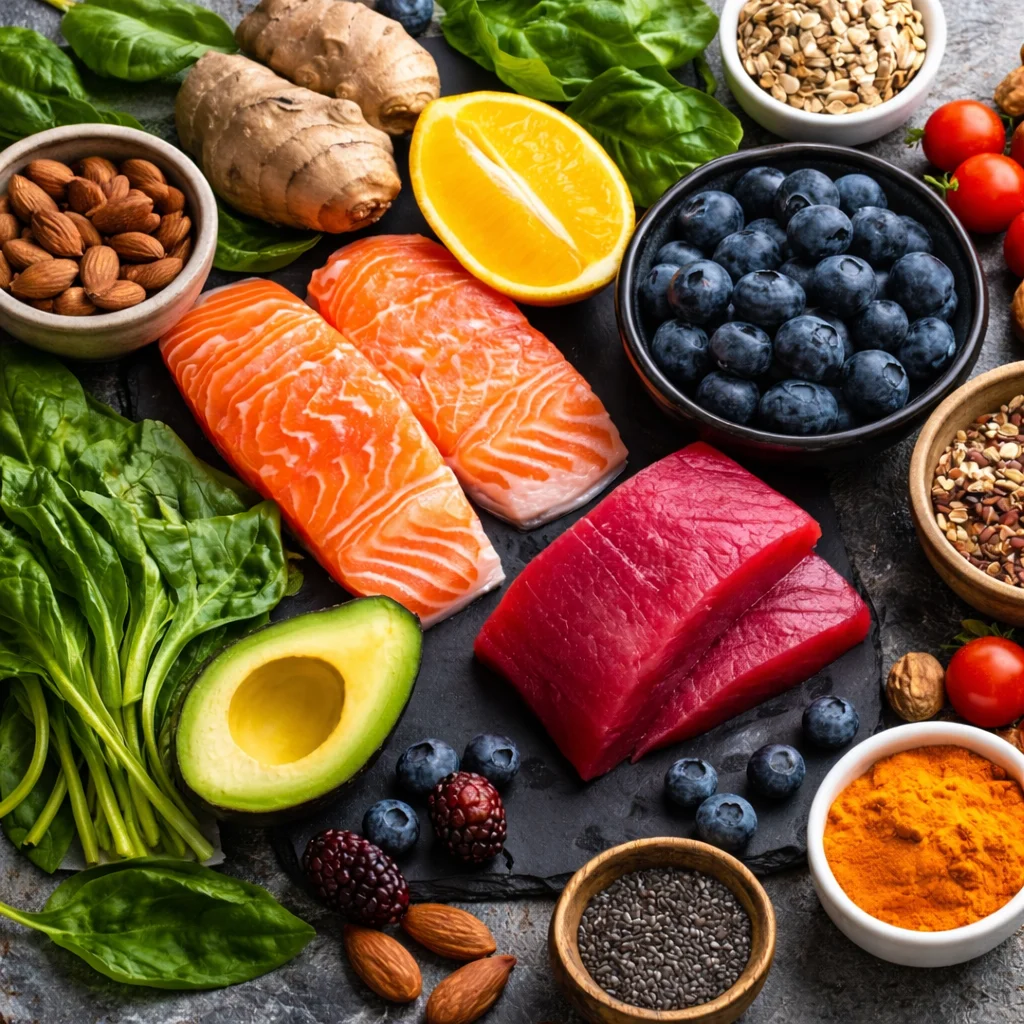
- Leafy greens, berries, turmeric, ginger let’s be real, some are canned or frozen here, and that’s fine!
- Omega-3-rich fish like salmon or sardines.
- Fermented goodies (yogurt, kefir, sauerkraut) for extra probiotics.
High-Protein Foods That Help Reduce Inflammation Naturally
When folks say “eat more protein,” try these:
- Eggs, salmon, and chicken for traditional types.
- Lentils, chickpeas, quinoa perfect for the plant-curious.
- A little Greek yogurt or cottage cheese never hurt (unless you’re dairy-sensitive).
Foods That Cause Inflammation and Disrupt Gut Balance
These are some of the foods best limited or avoided:
- Sugary drinks and pastries you’ll crash hard.
- Anything “ultra-processed” (seriously, look at the ingredients).
- Too much red meat or cured meats your gut wants a break sometimes.
How an Anti-Inflammatory Diet Supports Digestion, Energy, and Weight Management
One noticeable benefit is more stable energy levels throughout the day instead of constant fatigue.
- You’ll probably notice your jeans fit better (with way less bloating, whew).
- Digestion chills out when you skip those triggers bye, midnight antacids.
- Bonus: hunger signals become more “normal,” not hangry every three hours.
Example 7-Day High-Protein Anti-Inflammatory Meal Plan for Gut Health
Here is a simple sample day that is both filling and nutritionally balanced:
- Breakfast: Scrambled eggs, sautéed spinach, and a scoop of avocado.
- Lunch: Grilled chicken, rainbow salad, beans or quinoa.
- Snack: Handful of walnuts, or apple slices with nut butter.
- Dinner: Salmon (or lentil stew), roasted sweet potatoes, steamed broccoli.
- Mix and match, swap in tofu or turkey, toss on some herbs and lemon for zing.
I get inspiration from the 7-day anti-inflammatory meal plan and sometimes sneak in ideas from the high-protein anti-inflammatory dinners guide when I’m in a rut.
Simple Anti-Inflammatory Daily Routine to Reduce Inflammation and Support the Microbiome
These habits are practical and easy to follow on busy days:
- Start with water and a stretch (literally, while waiting for the kettle).
- Add veggies to every meal, even breakfast if you’re brave.
- Get outside sunshine and moving help way more than you think.
- Oh! Take a quiet moment (tea, deep breaths, whatever chills you out).
Lifestyle Habits That Lower Inflammation and Improve Digestive Health
Based on experience, these habits can make a real difference:
- Prioritize regular sleep 7+ hours makes the magic happen.
- Walk after dinner (not fast, not slow just move).
- Protect your “me-time,” even if it’s goofy YouTube videos or doodling.
Internal Resources: Gut Health Recipes, Anti-Inflammatory Foods Lists, and Microbiome Guides
If you need actual recipes oh boy, the gut-friendly diet plan rocks for easy ideas.
Want a handy cheatsheet? See this power-packed list of anti-inflammatory foods.
For the “why does my tummy hate me” crowd, check out 10 signs of an unhealthy gut and how to fix it naturally.
Common Questions
Q: Do I have to go low carb on this meal plan?
A: Nope! There are healthy carbs (think: sweet potatoes, quinoa, beans). Just skip the sugar bombs.
Q: How soon will I feel a difference?
A: For me, belly calmness hit after three days (ish). For others, a week. Every gut is different!
Q: What if I’m vegetarian or vegan?
A: Lentils, tofu, beans, nuts just bump up portions for enough protein and variety. Super doable.
Q: Can I meal prep these recipes?
A: Yup, batch-cooking chicken or beans on Sunday saves my sanity mid-week. Even chopping veggies in advance helps tons.
Q: Will this help with other issues like arthritis or fatigue?
A: Science says yes especially if you keep at it. Everyone’s body is different, though, so check out resources like The Ultimate Arthritis Diet for more tailored info.
Ready to Ditch the Bloat and Feel Awesome?
I know this might feel like a big change, but you don’t have to overhaul everything overnight. Even a few simple high-protein, anti-inflammatory swaps can make a noticeable difference in how you feel within days.
If you like structure, following a 7-day high protein anti inflammatory meal plan can make things easier and take the guesswork out of your meals. And if you’re also dealing with joint pain or stiffness, adjusting your diet in this direction may offer extra support over time.
Start small, stay consistent, and pay attention to how your body responds. Your gut usually knows what works best.