
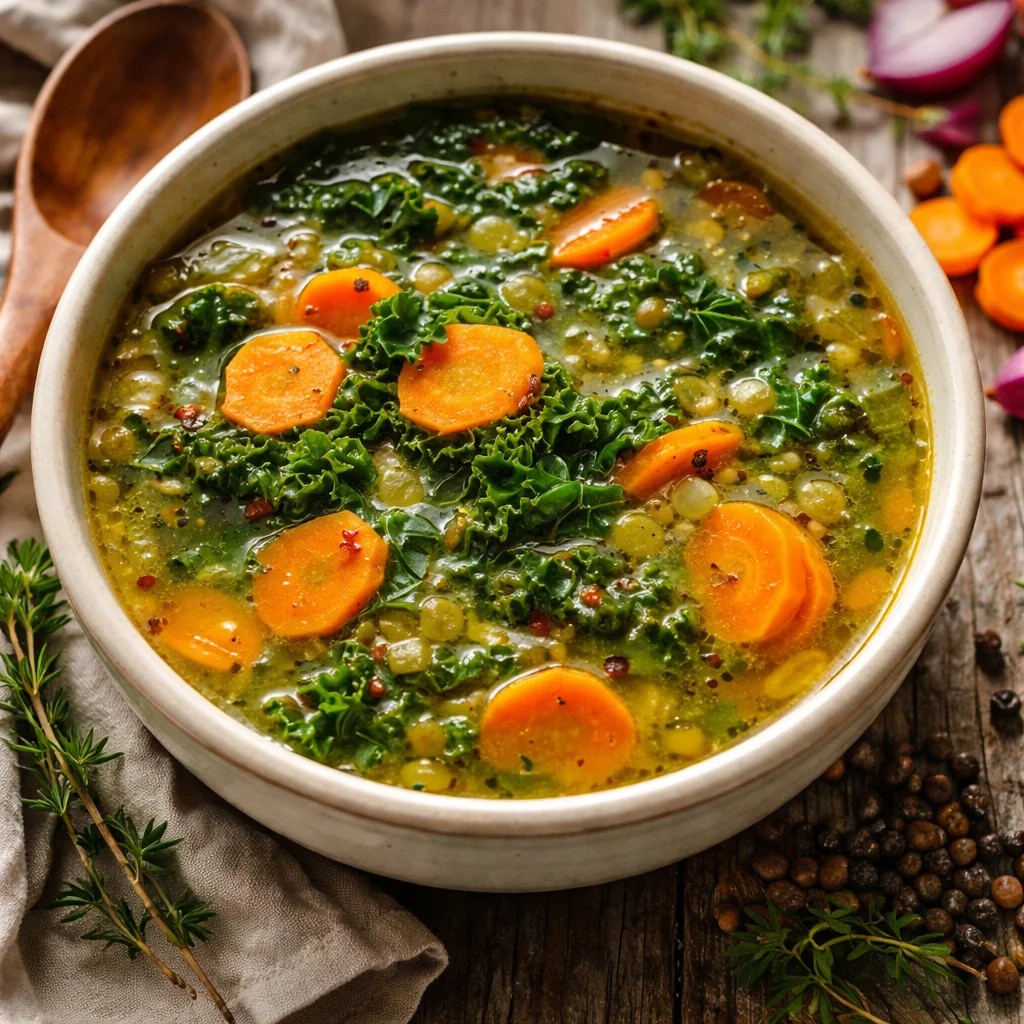
Veggies are the ultimate tool for a digestive reset, but do you know how to cook them so they actually soothe your stomach? If you have ever opened a fridge full of random produce and felt overwhelmed, this recipe is for you. Most people want a meal that is warm, filling, and simple, yet actually tastes like effort went into it. This one-pot soup is my personal rescue plan for busy nights when my brain wants comfort and my gut needs a break.
The Ultimate Anti-Inflammatory Vegetable Soup for Gut Health
I started making this version of Vegetable Soup Recipe after a stretch of busy weeks where I ate too many grab and go meals and my digestion was not happy. What I wanted was a one pot meal that felt gentle but still satisfying. This soup checks that box because it leans on veggies, beans if you want them, and warming spices that make the whole pot smell like something you would actually crave.
I also love that it is naturally budget friendly. A few pantry basics plus whatever vegetables you have can turn into a big batch. And if you like cozy soup nights as much as I do, you might also enjoy this round up of gut healthy recipes for better digestion tonight for more easy ideas.
Why This Vegetable Soup Is a Gut Health Powerhouse
For me, the magic of this soup is that it hits the comfort factor without being heavy. You get fiber, water, minerals, and a mix of plant compounds, which is basically what I want when I am trying to support digestion in a normal, realistic way.
Here is what makes it feel so good to eat:
Hydration from the broth helps everything move along, especially if you are not great at drinking water during the day.
Fiber from vegetables and beans helps keep you full and feeds the good bacteria in your gut.
Gentle warmth from garlic and ginger can feel soothing when your stomach is touchy.
It is also easy to adjust. If you know certain veggies do not agree with you, you can swap them out without ruining the soup.
Anti-Inflammatory Science: How These Ingredients Heal Your Microbiome
You don’t need a biology degree to understand why these ingredients work. Your gut microbiome thrives on variety, specifically different plant fibers. As your body breaks these down, it creates short-chain fatty acids that actively strengthen and protect your gut lining.
On the anti inflammatory side, colorful vegetables bring antioxidants, and spices like turmeric and ginger are popular because they are linked with calming oxidative stress in the body. Do I think one bowl of soup fixes everything? No. But I do think consistently eating meals like this Vegetable Soup Recipe is a solid, realistic habit that adds up over time.
Key Ingredients: Prebiotic Fibers and Antioxidant-Rich Superfoods
Let us talk ingredients in a practical way. This is the list I reach for most often. You do not need every single thing, but the more variety you get, the better the flavor and the better the veggie mix.
- Carrots for natural sweetness and color
- Celery for that classic soup base flavor
- Onion for depth
- Garlic for punch and gut friendly goodness
- Zucchini or green beans for an easy tender bite
- Leafy greens like spinach or kale stirred in at the end
- Canned diced tomatoes if you tolerate them, for brightness
- White beans or chickpeas for extra fiber and staying power
- Low sodium broth or homemade stock
- Lemon juice or apple cider vinegar at the end to wake everything up
If you are on a carrot soup kick too, this cozy anti-inflammatory carrot soup is a fun one to rotate in when you want something smoother and a little sweeter.
Essential Aromatics: The Role of Garlic, Onions, and Leeks in Digestive Wellness
Aromatics are the secret to a soup that tastes rich rather than like hot vegetable water. I always start with onion and garlic, adding a leek if I have one on hand. Leeks provide a soft, buttery sweetness that elevates the entire pot without any extra effort.
For digestion, these are often mentioned because they contain prebiotic fibers that can feed helpful gut bacteria. The trick is not burning them. I cook them slowly in a bit of olive oil until they smell sweet and mellow. If they brown too much, the soup can taste bitter and you lose that gentle base flavor that makes this Vegetable Soup Recipe so comforting.
Healing Spices: Maximizing Curcumin and Ginger for Gut Inflammation
This is the part where the pot starts smelling amazing. I like turmeric and ginger, plus a little black pepper. The black pepper is not just a flavor thing. It is often paired with turmeric because it helps your body absorb curcumin better.
My easy method:
Stir turmeric and ginger into the onions and garlic for about 30 seconds before adding broth. It blooms the spices and makes the flavor feel deeper. If you want extra warmth, a pinch of cumin or smoked paprika is great too.
Step-by-Step Instructions for the Perfect One-Pot Healing Soup
This is the exact flow I use when I want a reliable pot of soup that tastes like it simmered all day, even if it did not.
Step 1: Heat olive oil in a big pot, then add onion, celery, and carrots. Cook until softened, about 8 to 10 minutes.
Step 2: Add garlic and sliced leek if using. Cook 1 to 2 minutes.
Step 3: Stir in turmeric, ginger, black pepper, and a little salt. Cook 30 seconds.
Step 4: Add broth, tomatoes if using, and your longer cooking veggies like potatoes or sweet potatoes. Simmer until tender.
Step 5: Add quick cooking veggies like zucchini and greens near the end. Add beans in the last 5 minutes so they do not get mushy.
Step 6: Turn off the heat and add lemon juice. Taste and adjust salt.
That is it. Cozy, balanced, and honestly the kind of dinner that makes you feel like you took care of yourself.
Pro Cooking Tips: Building Flavor Layers Without Excess Sodium
I used to rely on a lot of salt to make soup taste good. Now I lean on a few other tricks that make a big difference.
Use low sodium broth so you control the final salt level.
Never skip the sauté step, as browning the vegetables is what creates that essential depth of flavor.
Add acid at the end like lemon juice. This makes the flavors pop without more salt.
Use herbs like thyme, parsley, or basil. Dried is fine, fresh is great if you have it.
If you love set it and forget it meals, you can take a similar flavor building approach with slow cooker soups too. This collection of slow cooker anti-inflammatory recipes is a great bookmark for busy weeks.
Common Mistakes That Ruin the Nutrients in Your Vegetable Soup
I have made every soup mistake possible, so here is what I would tell my past self.
Over boiling the soup can make veggies taste dull and break down too much. Keep it at a gentle simmer.
Cooking greens too long turns them dark and sad. Add them at the end.
Dumping everything in at once makes some veggies mushy while others stay undercooked. Stagger your add ins by how long they take.
Forgetting acid makes the soup taste flat. Lemon at the end is your best friend.
Smart Substitutions: Low-FODMAP, Gluten-Free, and Nightshade-Free Options
This soup can work for a lot of different needs, which is another reason I keep coming back to it.
Low-FODMAP: Skip onion and garlic and use garlic infused olive oil. Use the green tops of scallions or chives for flavor. Choose veggies that work for you, like carrots, zucchini, spinach, and potatoes in a portion that fits your plan.
Gluten-free: This Vegetable Soup Recipe is naturally gluten-free as long as your broth is gluten-free and you are not adding pasta that contains wheat.
Nightshade-free: Skip tomatoes and white potatoes. Use sweet potato instead, and add extra lemon for brightness.
I love that you can make it feel like your soup, not some strict recipe you have to follow perfectly.
Recipe Variations: High-Protein, Vegan, and Low-Carb “Weight Loss” Tweaks
Same base soup, different vibes. Here are my go to switches depending on what I need that week.
High-protein: Add extra beans, or stir in shredded chicken if you eat meat. If you want more cozy chicken ideas, this anti-inflammatory chicken soup that’s cozy and easy to make is another staple style recipe.
Vegan: Use vegetable broth, add chickpeas or white beans, and finish with a little nutritional yeast for a savory boost.
Low-carb: Skip potatoes and beans, then add cauliflower florets and extra greens. A spoon of pesto on top is really good here.
Weight loss tweaks: Keep it brothier, load up on non starchy veggies, and go light on oil. It still tastes satisfying because the spices and aromatics do the heavy lifting.
Best Serving Suggestions: Probiotic Pairings and Gut-Friendly Garnishes
This is where you can make a simple bowl feel like a full situation. I like to pair the soup with something that has a little tang or crunch.
- Sauerkraut or fermented veggies on the side for a probiotic boost
- Plain yogurt or dairy free yogurt swirled on top if that works for you
- Fresh herbs like parsley or dill for freshness
- Pumpkin seeds for crunch
- Extra lemon for brightness
If you are curious about adding more fermented foods, this guide on fermented vegetables for gut health is a super helpful read.
Meal Prep and Storage: How to Freeze Soup Without Losing Texture
This soup is a meal prep dream, but a couple details matter if you want it to reheat like it is freshly made.
In the fridge: Store in airtight containers for up to 4 days. The flavor actually gets better on day two.
In the freezer: Let it cool completely, then freeze in portions. I like using wide mouth jars or freezer bags laid flat.
Texture tip: if you know you will freeze it, consider leaving out zucchini and leafy greens, then add fresh ones when reheating. Potatoes can get a little grainy after freezing, so cauliflower or sweet potato tends to hold up better.
Nutritional Highlights: Fiber Counts, Micronutrients, and SCFA Support
I am not measuring every gram when I cook, but it is still nice to know what you are getting. A big bowl of this Vegetable Soup Recipe can be a solid fiber hit, especially if you add beans. Fiber is what your gut bacteria use as food, and that is part of what supports short chain fatty acids, which help keep the gut lining happy.
You are also looking at a nice spread of micronutrients depending on your veggie mix. Carrots bring beta carotene, leafy greens bring folate and vitamin K, and beans bring iron and magnesium. The broth helps you stay hydrated, and the overall meal is usually pretty gentle on the stomach when you keep it lightly seasoned.
Common Questions
Can I make this soup in a slow cooker?
Yes. Sauté the aromatics first if you can, then add everything except greens and lemon. Add greens in the last 10 minutes and lemon at the end.
How do I make it taste better if it feels bland?
Add a squeeze of lemon, a pinch more salt, and more herbs. If you eat dairy, a spoon of yogurt on top helps too.
Can I add pasta or rice?
Totally. Cook pasta or rice separately and add it to each bowl so it does not soak up all the broth in storage.
What vegetables should I avoid?
Avoid anything you know bothers your digestion. For some people that is lots of cabbage or too many beans at once. Start simple and build up.
How long should I simmer it?
Usually 20 to 30 minutes after adding broth, depending on how big you chopped your veggies. Keep it at a gentle simmer, not a rolling boil.
A Cozy Bowl to Keep in Your Back Pocket
This Vegetable Soup Recipe is the kind of thing I hope you make once and then keep riffing on forever. It is warm, flexible, and genuinely satisfying, especially when you finish it with lemon and a little something fresh on top. If you want another solid veggie soup reference, I also like checking out Vegetable Soup – Cooking Classy for inspiration on different veggie combos. Let me know what you toss into your pot, and do not be surprised if this becomes your default dinner on those tired, hungry nights.
Vegetable Soup
Ingredients
Method
- Heat olive oil in a big pot. Add onion, celery, and carrots. Cook until softened, about 8 to 10 minutes.
- Add garlic and sliced leek (if using). Cook for 1 to 2 minutes.
- Stir in turmeric, ginger, black pepper, and a little salt. Cook for 30 seconds.
- Add broth, tomatoes (if using), and longer cooking vegetables like potatoes or sweet potatoes. Simmer until tender.
- Add quick-cooking veggies like zucchini and greens near the end. Add beans in the last 5 minutes.
- Turn off the heat and add lemon juice. Taste and adjust salt.