
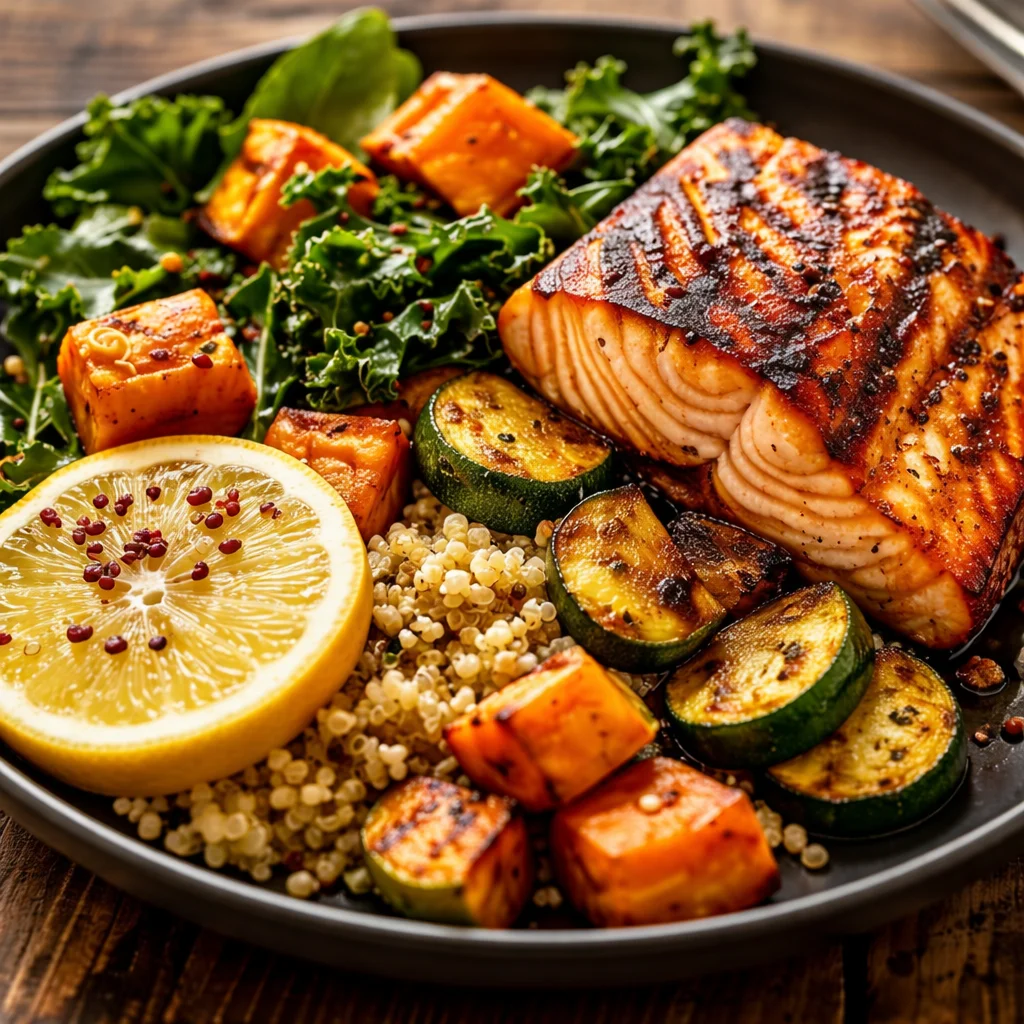
Gut-friendly dinner recipes can completely change how you feel at night. If you regularly finish dinner feeling bloated, sluggish, or uncomfortable, your evening meals might be working against your digestion. The good news? A few simple adjustments better protein balance, cooked vegetables, and anti-inflammatory ingredients can make dinner satisfying and gentle at the same time.
What Makes Gut-Friendly Dinner Recipes Easy to Digest?
Gut-friendly dinner recipes focus on easy-to-digest proteins, cooked vegetables, and simple carbohydrates like rice or sweet potatoes. These meals reduce bloating, support the gut microbiome, and help stabilize blood sugar. Avoid heavy fried foods, large raw salads, and excess sugar at night for better digestion.
For me, a gut-friendly dinner follows three simple rules: it’s easy to digest, satisfying enough to keep me full, and balanced enough to prevent late-night cravings. That usually means a simple protein, cooked veggies, and a gentle carb like rice or sweet potato. I used to think gut health dinners had to be bland, but honestly, the flavor comes from the right fats, fresh herbs, citrus, and warming spices.
If you want a bigger library to pull from, I also keep a bunch of weeknight options in my gut-friendly recipes collection. I like having a plan because when I am hungry, I get impatient and that is when I reach for the stuff that makes my belly grumpy later.
What Makes a Dinner Gut-Friendly? Understanding Digestion and the Microbiome
A gut friendly dinner is usually lower in greasy heaviness and higher in foods that your body can break down without a fight. Digestion isn’t just about your stomach breaking food down it’s also about your gut bacteria fermenting fibers and producing compounds that influence bloating, mood, and energy. When you feed them the good stuff like fiber from cooked veggies and resistant starch from cooled rice or potatoes, a lot of people notice less bathroom drama and a steadier mood.
Here is what I personally look for:
- Cooked vegetables more often than raw at night, since they are typically easier on digestion
- Simple seasoning like ginger, turmeric, lemon, and herbs
- Enough protein so I do not snack all evening
- One main carb instead of a pile of everything at once
If you have been dealing with discomfort for a while, it can also help to learn the bigger picture of what might be going on. This post on signs of an unhealthy gut is a good reality check without feeling overwhelming.
How Anti-Inflammatory Dinners Support Gut Health and Reduce Bloating
The biggest shift in my bloating happened when I consistently chose anti-inflammatory basics for dinner most nights. That does not mean your dinner has to be boring or strict. It just means you are choosing foods that are less likely to irritate your gut lining and more likely to help you feel calm and comfortable.
My usual anti inflammatory helpers are olive oil, salmon, leafy greens, berries (earlier in the day for me), ginger, and turmeric. If you need more ideas for busy nights, I like pulling inspiration from anti-inflammatory dinner recipes for busy weeknights because it keeps things practical.
Also, if chicken is your safe protein, you will probably love this list of easy anti-inflammatory chicken recipes. I rotate those when I want something familiar.
Best Gut-Friendly Ingredients for Healthy, Easy-to-Digest Dinners
If I had to stock one simple gut friendly dinner pantry, it would look like this. These are the foods I reach for when my belly needs a break but I still want dinner to feel normal.
Proteins: salmon, turkey, chicken, eggs, tofu if you tolerate it.
Carbs: jasmine rice, quinoa, sweet potatoes, oats (not for dinner every night, but sometimes).
Vegetables: zucchini, carrots, spinach, green beans, peeled cucumber, cooked bell pepper.
Flavor builders: garlic infused olive oil, ginger, turmeric, cumin, lemon, fresh dill, basil.
Gut supportive extras: sauerkraut, kimchi, coconut yogurt, miso, kefir if dairy works for you.
If you like a science backed guide for what to buy, this post on best foods for gut health and digestion is a helpful shopping list style read.
12 Gut-Friendly Dinner Recipes (Anti-Inflammatory, IBS-Friendly & Gluten-Free Options)
Okay, here is the fun part. These are the gut friendly dinner recipes I actually make when I want a calm belly and a tasty plate. I am keeping them simple, with quick instructions and easy swaps.
1) Lemon ginger salmon with rice and sautéed zucchini
Season salmon with salt, grated ginger, lemon zest, and olive oil. Bake at 400 F for about 12 minutes. Serve with cooked rice and zucchini sautéed in olive oil. If you want a specific chicken version of this vibe, I love this lemon garlic anti-inflammatory chicken for another weeknight option.
2) Turkey and spinach meatballs with marinara over polenta
Mix ground turkey, chopped spinach, egg, salt, and Italian herbs. Bake meatballs at 400 F for 15 to 18 minutes. Warm a simple marinara and serve over polenta. Polenta feels so cozy and usually sits well.
3) Cozy cauliflower chicken soup
This one is like a reset button when my stomach feels off. Chicken, cauliflower, carrots, and broth simmered until everything is soft. If you want my exact version, it is based on this recipe: cauliflower chicken soup for a cozy healthy dinner.
4) Egg roll in a bowl (but make it gentle)
I use ground turkey, shredded cabbage, grated carrots, ginger, and coconut aminos. Keep the spice level low. This is inspired by egg roll in a bowl which is honestly better than takeout when you want something fast.
5) Miso carrot soup with tofu and scallion tops (use only green parts if sensitive).
6) Sheet pan chicken with carrots and green beans, olive oil, and thyme.
7) Baked sweet potato stuffed with shredded chicken and avocado.
8) Simple shrimp and zucchini skillet with lemon and parsley.
9) Quinoa bowl with roasted salmon, cucumber, and dill yogurt sauce (or coconut yogurt).
10) Ginger turmeric chicken and rice soup for the cold nights.
11) Zucchini noodle bowl with pesto and grilled chicken.
12) Soft scrambled eggs with sautéed spinach and a side of rice.
If you want even more dinner ideas for digestion tonight, this roundup is worth saving: gut healthy recipes for better digestion.
Step-by-Step Guide to Building a Balanced Gut-Healthy Dinner Plate
When I am not following a recipe, I build my plate the same way almost every time. It keeps dinner simple and it helps me avoid random ingredient chaos.
Step 1: Pick one protein. Chicken, salmon, turkey, tofu, or eggs.
Step 2: Pick two cooked veggies. Think soft and warm, not a giant raw salad.
Step 3: Pick one easy carb. Rice, quinoa, or sweet potato.
Step 4: Add one flavor booster. Lemon, ginger, fresh herbs, or garlic infused oil.
Step 5: Add one optional gut helper. A spoon of sauerkraut, miso stirred into soup, or a few sips of kefir if you do dairy.
Quick 20-Minute Gut-Friendly Dinner Ideas for Busy Weeknights
These are my real life lifesavers when I am tired and I still want a gut friendly dinner.
Rotisserie chicken rice bowl: warm rice, add chicken, sautéed spinach, and lemon.
Eggs and greens: soft scrambled eggs with sautéed zucchini and a side of fruit earlier in the evening.
Salmon salad plate: canned salmon mixed with olive oil and dill, served with cucumber and rice crackers if tolerated.
Fast stir fry: shrimp, zucchini, and carrots cooked in garlic infused oil with ginger.
If you want more speedy options, this list of 30-minute anti-inflammatory dinners is great for weeknights.
High-Protein Gut-Friendly Dinners for Blood Sugar and Metabolic Health
When I eat a higher protein dinner, I sleep better and I wake up less hungry. It also helps reduce that late night snacky feeling. Aim for a palm sized portion of protein, and do not be afraid of adding a second protein boost like collagen in soup or extra turkey in a bowl.
My favorites:
Grilled chicken with quinoa and cooked greens.
Turkey chili made mild, with bell pepper and zucchini (skip beans if they bother you).
Salmon with roasted carrots and rice.
Tofu miso soup with extra tofu and a side of rice.
Low-FODMAP and Dairy-Free Dinner Options for Sensitive Stomachs
If you are sensitive, dinner is not the time to experiment with five new ingredients. I keep it calm. Low FODMAP and dairy free can still be filling and comforting.
Try these:
Chicken and rice soup with carrots and zucchini.
Baked salmon with lemon and dill, plus cucumber and rice.
Turkey burgers wrapped in lettuce with roasted sweet potato.
Stir fried shrimp with ginger and green beans.
Small tip that helps a lot: use garlic infused oil instead of garlic, and use the green tops of scallions instead of onion.
Foods to Avoid at Dinner If You Struggle with Bloating or Inflammation
Everyone is different, but if you are often bloated after dinner, these are common culprits. You do not have to ban them forever, just notice patterns.
Big greasy fried meals.
Huge raw salads late at night.
Sugar heavy desserts on an empty stomach.
Carbonated drinks with dinner.
Lots of onions and garlic if you are sensitive.
If you want a deeper list of supportive foods, this guide on anti-inflammatory foods for gut health and energy is a helpful reference.
Common Gut Health Mistakes to Avoid at Night
I have made all of these mistakes, so no judgment.
Eating too fast and basically swallowing air.
Going from starving to stuffed in 10 minutes.
Saving all your fiber for one giant dinner.
Having spicy food right before bed and then wondering why sleep is weird.
Drinking a ton of water during the meal instead of sipping.
Simple Ways to Boost Digestion After Dinner (Probiotics, Herbs & Fermented Foods)
If dinner was a little heavier than planned, I do not panic. I just do a few small things that help.
Take a short walk, even 8 minutes helps.
Sip warm peppermint or ginger tea.
Have a small serving of fermented food with dinner, like sauerkraut.
Try a calming bedtime routine because stress absolutely messes with digestion.
If drinks are your thing, you might like this list of best drinks for gut health.
Meal Prep and Storage Tips for Gut-Friendly Dinner Recipes
Meal prep is not about eating the same thing forever. It is just setting yourself up so you do not end up ordering something that blows up your stomach.
My simple system:
Cook a pot of rice or quinoa and cool it, then store in the fridge.
Roast two trays of veggies that reheat well, like carrots and zucchini.
Cook one main protein, like shredded chicken or turkey meatballs.
Store sauces separately so nothing gets soggy.
Most cooked proteins are best within 3 to 4 days in the fridge. Soups freeze really well, especially chicken and veggie based ones.
How to Turn These Gut-Friendly Dinner Recipes into a Weekly Anti-Inflammatory Meal Plan
I like to keep a loose plan, not a strict one. Here is a simple way to build your week with gut friendly dinner recipes without getting bored.
Pick 2 proteins: chicken and salmon.
Pick 2 carbs: rice and sweet potatoes.
Pick 4 veggies: zucchini, carrots, spinach, green beans.
Pick 2 flavors: lemon herb and ginger turmeric.
Then mix and match. Monday chicken rice bowl. Tuesday salmon with sweet potato. Wednesday soup night. Thursday turkey meatballs. Friday shrimp skillet. If you like having a more structured prep plan, this 7-day anti-inflammatory dinner meal prep plan makes it feel a lot easier.
Common Questions
1. What is the best protein for gut-friendly dinners?
Salmon, chicken, turkey, and eggs are generally easy to digest and anti-inflammatory.
2. Are gut-friendly dinners good for IBS?
Yes, especially when low-FODMAP ingredients are used.
3. Should I avoid carbs at dinner?
No. Gentle carbs like rice or sweet potatoes actually support digestion and sleep.
4. Is fermented food necessary every night?
Not necessary. A few servings per week is enough for most people.
A Little Pep Talk Before You Cook
Gut-friendly dinner recipes aren’t about restriction they’re about relief. When gut-friendly dinner recipes support digestion instead of stressing it, sleep improves, bloating decreases, and cravings calm down. Choose one recipe tonight and build from there. Your gut responds to consistency more than perfection.
Gut-Friendly Dinner Recipes
Ingredients
Method
- Preheat oven to 400°F.
- Prepare the salmon by seasoning with salt, grated ginger, lemon zest, and olive oil.
- Mix ground turkey, chopped spinach, egg, salt, and Italian herbs in a bowl.
- Chop vegetables for soups or bowls (cauliflower, zucchini, carrots).
- Bake salmon for about 12 minutes.
- Bake turkey meatballs for 15 to 18 minutes.
- Simmer chicken, cauliflower, and carrots in broth until soft.
- Sauté zucchini in olive oil until tender.
- Stir fry ground turkey with cabbage, carrots and seasoning in a pan.
- Serve salmon with cooked rice and sautéed zucchini.
- Serve turkey meatballs over warm polenta with marinara.
- Ladle soup into bowls and serve warm.
- Serve egg roll bowl warm with coconut aminos on top.