
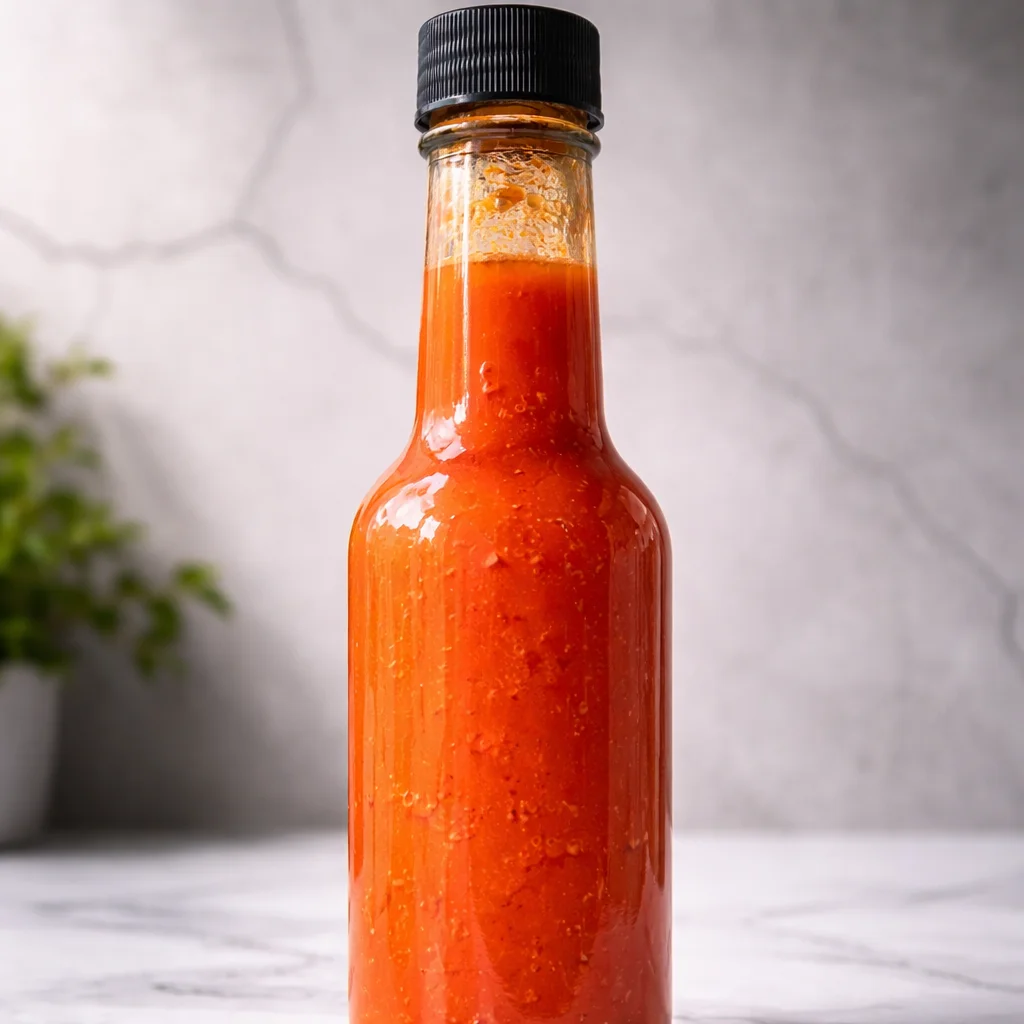
Fermented Hot Sauce can completely change the way spicy food feels in your body. Have you ever loved hot sauce but noticed it sometimes leaves your stomach feeling irritated or heavy? A naturally fermented version offers a different experience. The slow fermentation process develops deeper flavor, gentle tang, and compounds that many people associate with better digestion and gut friendly eating. Instead of a harsh vinegar bite, you get a lively sauce that brings heat, complexity, and balance to everyday meals.
- Key Ingredients for Homemade Fermented Hot Sauce and Their Health Benefits
- Choosing the Best Peppers for Fermented Hot Sauce (Jalapeño, Habanero, Serrano & More)
- Ingredient Substitutions for Dietary Needs (Gluten-Free, Low-FODMAP, Vegan Options)
- Essential Tools for Fermenting Chili Peppers at Home (Mason Jars, Weights, Airlocks)
- Step-by-Step Guide: How to Make Fermented Hot Sauce at Home
- How Long to Ferment Hot Sauce for the Best Flavor and Probiotic Benefits
- Pro Tips for Perfect Fermented Chili Sauce Every Time
- Common Fermentation Mistakes to Avoid When Making Homemade Hot Sauce
- Flavor Variations: Garlic Fermented Hot Sauce, Smoky Chili Sauce, and Fruit Fermented Hot Sauce
- How to Use Fermented Hot Sauce in Healthy Meals and Gut-Friendly Recipes
- Storage Tips: How to Store Fermented Hot Sauce for Long Shelf Life
- Nutritional Benefits of Fermented Hot Sauce (Probiotics, Anti-Inflammatory Compounds, Gut Health)
- Common Questions
- Your Next Batch Is Going to Be So Good
- Homemade Fermented Hot Sauce
Key Ingredients for Homemade Fermented Hot Sauce and Their Health Benefits
At its core, Homemade Fermented Hot Sauce only needs three things: fresh peppers, salt, and a little patience. But each ingredient matters, and it is worth knowing why you are using it.
Here is what I use most often:
- Fresh chili peppers: The star of the show. They bring heat, aroma, and that fresh green or fruity pepper flavor depending on the type.
- Non iodized salt: This helps the good bacteria thrive and keeps the bad stuff out. Sea salt or kosher salt are both great.
- Filtered water: If your tap water is heavily chlorinated, filtered water helps fermentation stay happy.
- Garlic: Optional, but I love it. It adds bite and a cozy savory note.
- Onion or scallion: Optional too, but it rounds out the flavor.
From a health perspective, the real advantage comes from the fermentation process. Properly fermented sauces can keep some beneficial compounds around, and the process may support gut friendly eating patterns for some people. Peppers also bring vitamin C and plant compounds that people associate with general wellness. I am not claiming it is medicine, but I do feel better adding a little fermented kick to meals instead of drowning things in heavy sauces.
Choosing the Best Peppers for Fermented Hot Sauce (Jalapeño, Habanero, Serrano & More)
This is the stage where the sauce truly becomes your own creation. My advice is to pick peppers you actually like the taste of, not just the heat level.
Here is a quick look at some peppers that work especially well:
Jalapeño: Medium heat, slightly grassy, super friendly. Great for beginners.
Serrano: A little hotter than jalapeño with a cleaner, sharper bite.
Habanero: Hot and fruity. If you want that tropical punch, this is it.
Fresno: Bright, lightly sweet, and makes a beautiful red sauce.
Thai chiles: Small but mighty. Use them to raise heat without changing flavor too much.
One tip that saved me: mix peppers. A base of jalapeño plus a few habaneros gets you heat and flavor without blowing your head off. Also, if you want a smoother sauce, remove some seeds and white membranes. That is where a lot of the fire lives.
By the way, if you are also into homemade condiments, I usually pair spicy sauces with easy pickled veggies. If your site has something like that, link it. If not, I sometimes send friends to a simple “quick pickle” idea and call it a day. For now, here is one of my own related posts: my easy refrigerator pickles guide.
Ingredient Substitutions for Dietary Needs (Gluten-Free, Low-FODMAP, Vegan Options)
Good news: Homemade Fermented Hot Sauce is naturally vegan and gluten free if you keep it basic. The tricky part is what you add after fermentation, like vinegars or flavor boosters.
Easy swaps that keep it friendly:
Gluten free: Most hot sauce ingredients are fine, but double check any vinegar or spices blends you use. Plain distilled vinegar is typically safe.
Low FODMAP: Go easy on garlic and onion. You can skip them completely and still get a great sauce. If you miss that flavor, use garlic infused oil in the final blended sauce, but do not ferment oil in the jar.
Lower sodium: Fermentation needs salt, so I do not recommend cutting it too much. Instead, keep salt where it needs to be for safety, then use less sauce per serving if you are watching sodium.
No added sugar: You do not need sugar at all. Fruit variations can add sweetness naturally if you want it.
If you want to serve your sauce with a dietary friendly meal, I love it on simple bowls with rice, beans, and roasted veggies. I shared a basic version here: my weeknight grain bowl template.
Essential Tools for Fermenting Chili Peppers at Home (Mason Jars, Weights, Airlocks)
You do not need fancy gear, but a couple small tools make the process way less stressful.
What I actually use at home:
Mason jars: Wide mouth is easier to pack and clean.
Fermentation weights: Keeps peppers under the brine so they do not mold.
Airlocks or fermentation lids: Optional but helpful. They let gas out without letting outside air in.
A small funnel: Not required, just saves mess when you pour.
Gloves: Trust me, wear them when chopping hot peppers. You do not want “pepper hands” later when you touch your face.
If you do not have weights, you can use a clean small zip top bag filled with brine as a temporary weight. Just make sure everything stays submerged.
Step-by-Step Guide: How to Make Fermented Hot Sauce at Home
This is the simple method I rely on for most of my batches. It is simple and forgiving as long as you follow the basic safety rules: clean jar, correct salt, and keep peppers under the brine.
Ingredients (basic batch):
- About 1 pound fresh peppers (mix and match)
- 2 to 4 garlic cloves (optional)
- Brine: 2 to 3 percent salt by weight (salt plus water total)
- Filtered water as needed
- After ferment: a splash of vinegar or a little of the brine to blend
Directions:
1) Wash your jar and tools with hot soapy water and let them dry.
2) Chop peppers into chunks. I remove stems and keep some seeds. Add garlic if using.
3) Pack peppers into the jar, leaving a little space at the top.
4) Mix your brine. I like a 3 percent brine for a dependable ferment. Pour it in until peppers are fully covered.
5) Add a weight so everything stays under the liquid. Put on an airlock lid, or loosely screw on a regular lid and “burp” it daily.
6) Let it ferment at room temp out of direct sunlight. You should see bubbles in a day or two.
7) When it smells pleasantly tangy and tastes good, blend it. Use some brine to thin it, or add a little vinegar if you want that sharp hot sauce style.
8) Strain if you like it silky, or leave it thick for a rustic sauce. Bottle it and refrigerate.
How Long to Ferment Hot Sauce for the Best Flavor and Probiotic Benefits
I usually ferment mine for 7 to 14 days. At 7 days it tastes bright and pepper forward. At 14 days it gets deeper, funkier, and more complex. If you are patient, you can go 3 to 4 weeks for even more tang.
The exact time depends on your room temperature and how salty your brine is. Warmer rooms ferment faster. Cooler rooms take longer. Your taste buds are the best guide for deciding when it is ready.
When it is ready, you will notice the smell changes from raw pepper to something lightly sour and savory. That is the moment I get excited because it finally tastes like real Homemade Fermented Hot Sauce and not just chopped chiles in salty water.
Pro Tips for Perfect Fermented Chili Sauce Every Time
These are a few lessons I learned after making batches that turned out too salty, too thin, or simply disappointing.
My go to tips:
Keep everything submerged. This is the number one rule. Most problems start when peppers float above the brine.
Label the jar with the date and pepper types. You will forget, and it is annoying later.
Blend in stages. Start thick, then add brine slowly until it pours the way you like.
Use vinegar only after fermenting. It is for final flavor, not for the ferment itself.
Save some brine. A spoonful can wake up soups, beans, or marinades.
Common Fermentation Mistakes to Avoid When Making Homemade Hot Sauce
I have made most of these mistakes myself, which is exactly why they are worth avoiding.
Watch out for these:
Using iodized salt: It can mess with fermentation. Stick to sea salt or kosher salt.
Forgetting to burp a sealed jar: Pressure builds. If you are not using an airlock, loosen the lid daily.
Not cleaning tools: You do not need sterile lab vibes, just clean and sensible.
Too little salt: This is not the place to wing it. Use a simple percentage and you will be fine.
Panic over harmless stuff: Cloudy brine and white sediment at the bottom are usually normal. Fuzzy mold on top is not. If you see mold, do not scrape it off and keep going. Toss it and start over.
Flavor Variations: Garlic Fermented Hot Sauce, Smoky Chili Sauce, and Fruit Fermented Hot Sauce
Once you get comfortable with the base recipe, experimenting becomes the fun part. This is the fun part.
Garlic version: Add 4 to 8 garlic cloves to the ferment. It gets bold and savory. If you love garlic, it is a must.
Smoky version: Use a few dried smoked peppers like chipotle after fermentation when you blend. Or add a pinch of smoked paprika at the end. I prefer adding smoky stuff at blending time so the ferment stays predictable.
Fruit version: Mango, pineapple, or peach are amazing. Add fruit after fermentation when blending for a fresher taste, or add a small amount during fermentation if you are comfortable experimenting. Fruit adds sugar, so fermentation can get more active and bubbly.
I also have a little guide on balancing sweet and spicy flavors that might help: my sweet heat flavor cheat sheet.
How to Use Fermented Hot Sauce in Healthy Meals and Gut-Friendly Recipes
I tend to use this sauce the same way many people reach for ketchup. Not a ton at once, just enough to make food exciting.
Easy ways to use it:
Drizzle on eggs, avocado toast, or breakfast tacos.
Stir into yogurt for a quick spicy dip.
Add to soups and beans right before eating for a tangy kick.
Mix with olive oil and lemon for a fast salad dressing.
Spoon a little over roasted veggies, baked tofu, or grilled chicken.
If you are aiming for gut friendly meals, I like using it as a finishing sauce instead of cooking it for a long time. Heat can dull some of the fresh tang, so I add it at the table whenever possible.
Storage Tips: How to Store Fermented Hot Sauce for Long Shelf Life
After blending, I store my sauce in a clean glass bottle in the fridge. It keeps for months in my experience, and the flavor often gets even better after a week or two.
Storage basics:
Refrigerate for best quality and slower fermentation.
Use clean utensils when serving so you do not introduce new bacteria.
If it separates, just shake it. Totally normal.
If you want it more shelf stable, you can add vinegar to lower the pH, but home pH testing is its own topic. For everyday home use, fridge storage is the simplest and safest path.
Nutritional Benefits of Fermented Hot Sauce (Probiotics, Anti-Inflammatory Compounds, Gut Health)
People love fermented foods because they can include beneficial microbes and byproducts of fermentation. That said, everyone is different, and I always treat it as a food, not a supplement.
What you are getting in a practical sense:
Big flavor with small servings: A teaspoon can change a whole meal, so it is easy to enjoy without overdoing calories.
Peppers bring plant compounds: Capsaicin is the famous one, and many people like it as part of a balanced diet.
Fermented tang: That natural sourness can make meals feel more satisfying, especially if you are trying to cut back on heavy sauces.
And yes, when I keep a jar going regularly, I find myself reaching for healthier meals because I know I can make them taste amazing with a splash of Homemade Fermented Hot Sauce.
Common Questions
1) Is it safe to ferment peppers at home?
Yes, when you use clean jars, the right salt level, and keep everything under brine. If you see fuzzy mold, toss the batch and start over.
2) My brine is cloudy. Did I mess up?
Cloudy brine is usually normal. It often means fermentation is active. Trust your nose and look for signs of mold on the surface.
3) Can I make it less spicy?
Yep. Use milder peppers like jalapeños, remove more membranes, or blend with a little roasted red pepper after fermenting.
4) Do I have to use an airlock?
No. It just makes things easier. A regular lid works if you burp it daily and keep peppers submerged.
5) Why does my sauce taste too salty?
Blend with more peppers, add a bit of vinegar, or stir in a small amount of fruit puree. Next batch, measure your brine carefully.
Your Next Batch Is Going to Be So Good
Fermented Hot Sauce is one of the easiest ways to add bold flavor while keeping meals gut friendly. A small spoon can brighten eggs, grain bowls, roasted vegetables, or soups without relying on heavy sauces. Once you try making Fermented Hot Sauce at home, you start discovering pepper combinations, fermentation times, and flavor twists that match your taste perfectly. One simple jar of peppers, salt, and time can become a powerful condiment that supports digestion and makes healthy meals far more exciting.
Homemade Fermented Hot Sauce
Ingredients
Method
- Wash your jar and tools with hot soapy water and let them dry.
- Chop peppers into chunks, removing stems and keeping some seeds. Add garlic if using.
- Pack peppers into the jar, leaving a little space at the top.
- Mix your brine with the appropriate salt percentage. Pour it in until the peppers are fully covered.
- Add a weight to keep everything submerged under the liquid. Seal the jar with an airlock lid or loosely screw on a regular lid.
- Let it ferment at room temperature out of direct sunlight for 7 to 14 days.
- Once it smells and tastes good, blend it until smooth. Add brine or vinegar if a thinner consistency is desired.
- Strain if you’d like a silky sauce, otherwise, leave it thick for a rustic texture.
- Bottle it and store it in the fridge.