
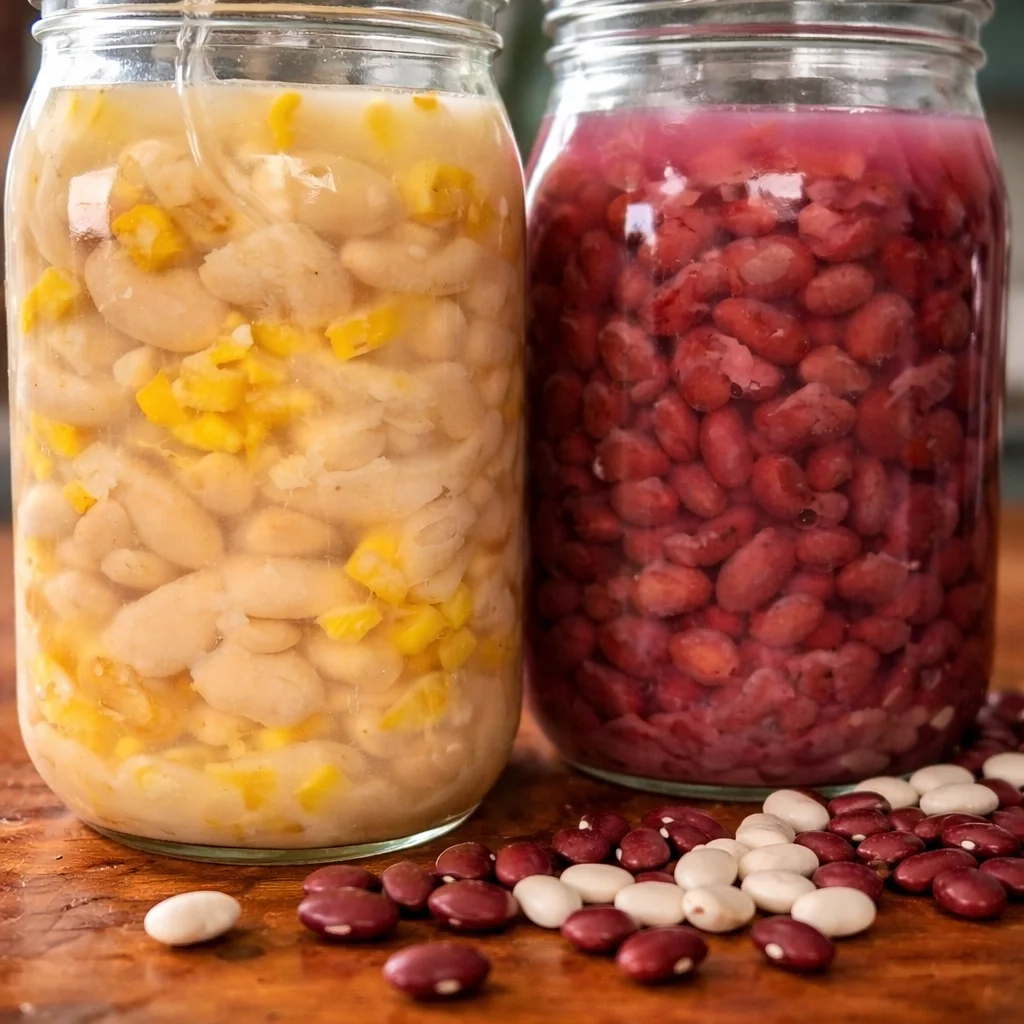
Fermented Beans for Gut Health might be exactly what your digestion has been missing if regular beans often leave you feeling heavy or bloated. Many people love beans for their protein and fiber, but not everyone loves how they feel afterward. Fermenting beans changes the experience completely. The flavor becomes brighter and slightly tangy, and the beans often feel easier on the stomach. With just a few simple ingredients and a clean jar, you can turn ordinary beans into a gut friendly food that adds probiotics, flavor, and real nutrition to everyday meals.
- Key Ingredients for Homemade Fermented Beans and Their Gut Health Benefits
- Best Beans to Use for Fermentation (Black Beans, Pinto Beans, Lentils, and More)
- Ingredient Substitutions for Dietary Needs (Gluten-Free, Vegan, Low-FODMAP Options)
- How to Make Fermented Beans at Home Step-by-Step
- Pro Tips for Perfect Fermentation and Maximum Probiotic Benefits
- Common Fermentation Mistakes to Avoid When Making Fermented Beans
- Flavor Variations: Spicy, Garlic, Mexican-Style, and Vegetable Fermented Beans
- Creative Ways to Serve Fermented Beans (Bowls, Tacos, Salads, and Gut-Healthy Meals)
- How Fermented Beans Support the Gut Microbiome and Improve Digestion
- Storage, Fermentation Time, and Meal Prep Tips for Fermented Beans
- Nutritional Highlights: Protein, Fiber, and Probiotic Benefits of Fermented Beans
- Related Gut Health Recipes to Try Next (Fermented Vegetables, Probiotic Bowls, and Anti-Inflammatory Meals)
- Common Questions
- Your Next Jar is Going to Be So Good
- Fermented Beans
Key Ingredients for Homemade Fermented Beans and Their Gut Health Benefits
The ingredient list is short, but every item plays an important role. When I first started fermenting beans, I realized the real trick is simply using good ingredients and patience. It is using clean basics and giving them time.
Here is what you will use most often:
- Cooked beans: your main base for protein and fiber.
- Non iodized salt: helps the good bacteria thrive and keeps weird stuff out.
- Filtered water: chlorine can mess with fermentation, so filtered is safer.
- A starter (optional): a spoon of live brine from sauerkraut or pickles can speed things up.
- Flavor builders: garlic, chili, cumin, oregano, onion, citrus zest.
From a digestion perspective, fermentation can make beans easier for many people to tolerate because some compounds begin breaking down during the process. Plus, you are getting that probiotic bonus if you keep everything raw after fermenting. If you are also building more gut friendly meals in general, I keep a list of ideas I rotate through, like these gut healthy recipes for better digestion tonight. It helps when you want to turn your jar of beans into actual meals fast.
Best Beans to Use for Fermentation (Black Beans, Pinto Beans, Lentils, and More)
I have tried a bunch, and honestly, most beans can work. The main thing is texture. You want beans that hold their shape after cooking, but still mash easily with a spoon if you want a thicker spread.
My favorites:
Black beans: earthy, slightly sweet, and they ferment into this deep, savory flavor. Great for taco style bowls.
Pinto beans: creamy and mild, so they take on spices really well. If you are new to fermented beans, start here.
Lentils: faster to cook, and the fermentation time can feel quicker because they are smaller. Brown or green lentils hold up best.
Chickpeas: a little firmer and great if you want a Mediterranean vibe.
White beans: soft and buttery. They make an amazing garlicky fermented dip style base.
One tip: avoid overcooking. If they are falling apart in the pot, they can turn pasty in the jar. Not the end of the world, but the texture is less fun.
Ingredient Substitutions for Dietary Needs (Gluten-Free, Vegan, Low-FODMAP Options)
This recipe already fits many diets, but there are a few common adjustments people often ask about.
Gluten free: you are good as long as any starter brine you use is gluten free. Some flavored pickles can be sneaky, so check the label.
Vegan: also naturally vegan. Just keep your add ins plant based.
Low FODMAP: this is the trickiest. Some folks find fermented beans easier than regular beans, but portion size still matters. If garlic and onion wreck you, skip them and use:
Low FODMAP swaps: garlic infused oil (added after fermenting), chives, scallion greens, cumin, smoked paprika, and citrus zest.
Lower sodium: fermentation needs salt for safety and quality, so I do not recommend dropping it too much. Instead, use a standard salt amount and eat smaller portions, paired with rice, greens, or roasted veggies.
How to Make Fermented Beans at Home Step-by-Step
This is my go to method. It is simple, and it has worked consistently in my kitchen.
What you will need
A clean jar (pint or quart), a spoon, something to weigh the beans down (a small clean jar or fermentation weight), and a towel to cover the top if you are using an airlock free method.
Step-by-step directions
1) Cook your beans until just tender. Drain and cool to room temp.
2) Add beans to a clean jar, leaving a little space at the top.
3) Mix a brine: filtered water plus non iodized salt. A common starting point is about 2 percent salt by weight, but you can also do roughly 1 teaspoon salt per cup of water if you are keeping it simple.
4) Pour brine over the beans until fully covered.
5) Add flavorings if you want (garlic, chili, cumin, oregano).
6) Weigh the beans down so they stay under the brine. This is important.
7) Cover with an airlock lid, or loosely cover and “burp” the jar once or twice a day to release pressure.
8) Ferment at room temperature out of direct sun. Taste after 2 days, then daily, until you like the tang. Usually 3 to 7 days.
9) Once it tastes right, move it to the fridge to slow things down.
I like to label the jar with the date. Otherwise I will forget, then I will be standing there like, “Is this day 3 or day 9?”
Pro Tips for Perfect Fermentation and Maximum Probiotic Benefits
If you want your fermented beans to taste great and stay safe, these are the habits that help the most in my experience.
Keep everything under the brine. Oxygen is where mold likes to show up.
Use clean tools. Not sterile lab clean, just normal clean. Wash your jar well and rinse it thoroughly.
Do not rush the fridge step. If you refrigerate too early, the flavor will be flat. Let it get properly tangy first.
Do not heat after fermenting if you want the probiotic benefits. If you warm them up, the taste is still awesome, but you are not getting as many live cultures.
And if you are also focusing on inflammation friendly eating, you might like pairing these with cozy meals like this anti inflammatory chicken soup thats cozy and easy to make. I will do a small bowl of soup and a spoon of fermented beans on the side, kind of like a tangy garnish.
Common Fermentation Mistakes to Avoid When Making Fermented Beans
I have made every mistake at least once, so let me save you the trouble.
Mistake 1: Beans floating above brine. This is the fastest path to a funky top layer. Use a weight.
Mistake 2: Using iodized salt. It can interfere with fermentation. Grab sea salt, kosher salt, or pickling salt.
Mistake 3: Overcooked beans. They turn into mush. Still edible, but not as nice for bowls and salads.
Mistake 4: Putting the jar in a hot spot. Too warm can lead to unpleasant flavors. Room temp and out of sun is best.
Mistake 5: Panic when it smells “fermented”. It should smell tangy, a little sour, maybe slightly yeasty. If it smells rotten or you see fuzzy mold, do not eat it.
Flavor Variations: Spicy, Garlic, Mexican-Style, and Vegetable Fermented Beans
This is where fermented beans get seriously addictive. Once you nail the base, you can play around.
Spicy: add sliced jalapeno, chili flakes, or a dried chile. I love this with black beans.
Garlic: add a couple smashed cloves. If garlic is too intense for you, use a tiny amount or skip and add garlic infused oil later.
Mexican style: cumin, oregano, smoked paprika, and a little lime zest (zest is great during fermentation, lime juice is better added after).
Vegetable boost: add chopped carrots, bell pepper strips, or shredded cabbage. It adds crunch and a little sweetness.
I do not add a lot of sugar or sweet stuff here. Beans already have enough going on, and I like the clean tang.
Creative Ways to Serve Fermented Beans (Bowls, Tacos, Salads, and Gut-Healthy Meals)
This is where fermented beans shift from a kitchen experiment to a real meal ingredient.
Bowl situation: rice or quinoa, greens, avocado, and a big spoonful of fermented beans. If you need a fast meal idea, these delicious Greek chicken bowls for quick and easy meals are a great template. Swap in your beans as the tangy punch.
Tacos: warm tortillas, crunchy cabbage, and fermented beans like a topping. Add salsa and you are set.
Salads: think of them like pickled onions, but heartier. A spoon or two makes boring greens taste alive.
Toast: mash fermented beans with olive oil and lemon, spread on toast, top with cucumbers.
Side dish: serve a small scoop alongside roasted veggies or chicken.
How Fermented Beans Support the Gut Microbiome and Improve Digestion
I will not promise dramatic results, but there are a few well known benefits and practical observations worth sharing. Fermented foods can add beneficial microbes, and they can also make certain foods feel easier to digest because fermentation breaks down some components ahead of time.
For me, fermented beans feel lighter than regular beans, especially when I keep my portions reasonable. If you are trying to understand what your gut is telling you, this post on 10 signs of an unhealthy gut and how to fix it naturally fast is worth a read. It helped me connect a few dots without going down an internet spiral.
One practical tip: start with a couple spoonfuls a day, not a whole bowl, especially if you are new to fermented foods.
Storage, Fermentation Time, and Meal Prep Tips for Fermented Beans
Once your fermented beans taste good to you, move them to the fridge. Cold slows fermentation way down, so the flavor stays in that sweet spot.
Fermentation time: usually 3 to 7 days at room temp, depending on your kitchen and how tangy you like it.
Fridge life: commonly a few weeks, sometimes longer, as long as they smell fresh and stay covered in brine. Use clean utensils so you do not introduce unwanted bacteria.
Meal prep move: I like fermenting a big batch, then splitting it into smaller jars with different flavors. One jar spicy, one jar garlicky, one jar cumin and lime zest. It makes the week feel easier.
Nutritional Highlights: Protein, Fiber, and Probiotic Benefits of Fermented Beans
Beans are already highly nutritious, and fermentation can make them even more enjoyable while keeping their nutritional benefits.
Protein: helps keep you full and supports everyday energy.
Fiber: great for digestion and helps feed the good gut bugs.
Probiotic benefits: when you eat them without heating, you may get more live cultures, similar to other fermented foods.
Also, fermented beans are a nice way to add bold flavor without drowning everything in heavy sauces. A spoonful can do a lot.
Related Gut Health Recipes to Try Next (Fermented Vegetables, Probiotic Bowls, and Anti-Inflammatory Meals)
If you get into fermented beans, you might start craving that tangy, bright flavor in other parts of your meals too. I kind of fell into that phase and honestly it made weeknight cooking more interesting.
Here are a few directions to go next:
Fermented vegetables: super beginner friendly and satisfying.
Probiotic style bowls: base plus protein plus crunchy veggies plus something fermented on top.
Anti inflammatory meals: I like having a rotation so I do not get bored. This list of 10 easy anti-inflammatory chicken recipes for a healthy gut is a solid place to pull ideas when you need dinner that feels comforting but not heavy.
Common Questions
Do fermented beans taste very sour?
They can, but you control it. Start tasting on day 2 or 3 and stop the fermentation when the tang feels good to you.
Can I use canned beans?
Yes, but rinse them very well first. Canned beans are softer, so keep the fermentation shorter and expect a mushier texture.
Is it safe if I see bubbles?
Yes, bubbles are normal and usually a sign fermentation is active. Just watch for fuzzy mold or a rotten smell, which is not normal.
Do I have to use a starter brine?
Nope. Beans can ferment with just salt and time. A starter can make it faster and more consistent, but it is optional.
Can I cook fermented beans before eating?
You can, and they still taste great. You will just lose a lot of the live probiotic benefits, so I usually add them after cooking, like a topping.
Your Next Jar is Going to Be So Good
Adding Fermented Beans for Gut Health to your routine is one of the simplest ways to make meals more supportive for digestion. A small spoonful can bring probiotics, fiber, and bold flavor to bowls, salads, tacos, and grain dishes without heavy sauces or complicated cooking. Once you start keeping a jar in the fridge, it quickly becomes an easy way to upgrade everyday meals while supporting a healthier gut. Over time, small habits like this can make a real difference in how your digestion feels day to day.
Fermented Beans
Ingredients
Method
- Cook your beans until just tender, drain, and cool to room temperature.
- Add beans to a clean jar, leaving a little space at the top.
- Mix a brine: combine filtered water and non-iodized salt. A common starting point is about 2 percent salt by weight, roughly 1 teaspoon salt per cup of water.
- Pour brine over the beans until fully covered.
- Add any optional flavorings if desired.
- Weigh the beans down to keep them submerged under the brine.
- Cover the jar with an airlock lid, or loosely cover and ‘burp’ the jar once or twice a day to release pressure.
- Ferment at room temperature out of direct sunlight. Taste after 2 days, then daily until you like the tanginess. Fermentation usually takes 3 to 7 days.
- Once the desired flavor is achieved, transfer the jar to the refrigerator to slow fermentation.