
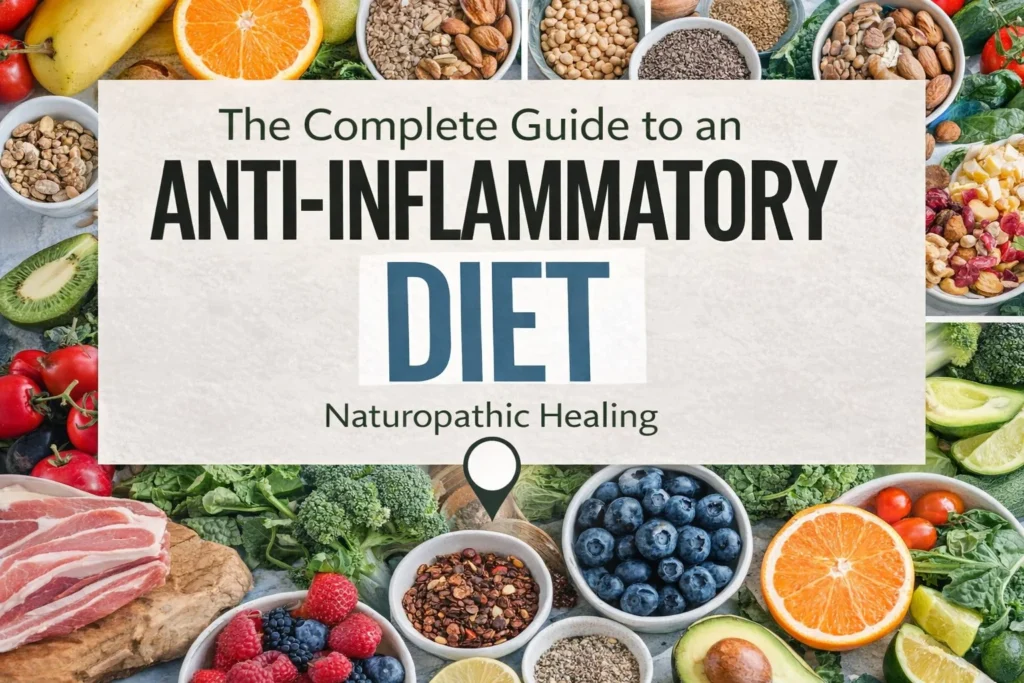
If your belly feels bloated, slow, or achy and nothing seems to help inflammation in your gut may be the reason. Chronic gut inflammation quietly drains energy, interferes with digestion, and can make you feel tired, foggy, and far from yourself. This guide is written for people who want a natural, practical plan to calm inflammation and restore digestive health.
You’ll get simple science, clear signs to watch for, the best and worst foods, effective natural remedies, daily habits that work, a 7-day gut reset, common mistakes to avoid, and expert tips to speed healing. If you want a ready-start plan, try our 7-day anti-inflammatory plan for guided meals and tips.
What Is Happening in Your Gut
Your gut is more than digestion it’s a busy immune center full of trillions of microbes. When harmful foods, stress, infections, or toxins upset that balance, the immune system gets turned on. Immune cells release inflammatory chemicals to fight what they see as threats. Short-term inflammation is normal it helps heal a cut or fight an infection. The problem is chronic low-level inflammation that never shuts off.
In the gut, chronic inflammation damages the lining that absorbs nutrients. This can lead to leaky gut, where tiny gaps let particles into the bloodstream. Your body reacts to those particles with more inflammation, creating a cycle. Over time, that ongoing immune activation affects energy, mood, sleep, skin, and even joints.
Main Causes of This Gut Problem
- Poor diet: Too much sugar, refined carbs, processed foods, and industrial seed oils fuels inflammation.
- Imbalanced microbiome: Low diversity and overgrowth of harmful bacteria or yeast.
- Food sensitivities: Reactions to gluten, dairy, or other foods that keep the immune system active.
- Chronic stress: Stress hormones alter gut function and bacterial balance.
- Lack of sleep: Sleep deprivation increases inflammatory markers.
- Medications: Long-term use of NSAIDs, antibiotics, or acid blockers can harm gut lining and microbes.
- Environmental toxins: Pesticides and pollutants can stress the gut and liver.
- Underlying infections: H. pylori, parasites, or small intestinal bacterial overgrowth (SIBO) may drive inflammation.
Warning Signs Your Gut Needs Help
Watch for these common clues that your gut is inflamed or out of balance:
- Persistent bloating after meals
- Irregular stools: diarrhea or constipation
- Food sensitivities that pop up suddenly
- Ongoing fatigue or brain fog
- Frequent heartburn or indigestion
- Skin issues like acne, eczema, or rashes
- Joint aches or flare-ups
- Mood changes like anxiety or low mood
If you want a quick checklist, see our guide on 10 signs of an unhealthy gut for more details and next steps.
Best Foods to Heal and Repair Gut
Eating to reduce inflammation means choosing whole, nutrient-dense foods that feed good bacteria and calm the immune system.
Foundational anti-inflammatory foods:
- Leafy greens: spinach, kale, Swiss chard for vitamins and polyphenols.
- Colorful vegetables: bell peppers, carrots, beets, cruciferous veggies in moderation.
- Berries: blueberries, raspberries, strawberries loaded with antioxidants.
- Fatty fish: salmon, sardines, mackerel for omega-3 EPA/DHA.
- Nuts and seeds: walnuts, chia, flaxseed for healthy fats and fiber.
- Fermented foods: yogurt, kefir, sauerkraut, kimchi for probiotics (if tolerated).
- Bone broth: soothing collagen and amino acids for gut lining repair.
- Whole grains (if tolerated): oats, quinoa, buckwheat for fiber and prebiotics.
- Herbs and spices: turmeric, ginger, cinnamon, garlic to reduce inflammation.
Easy recipe idea: a warm bowl with grilled salmon, steamed greens, quinoa, avocado, and a lemon-turmeric dressing. For a seasonal, gut-soothing meal you can try our Harvest Glow Bowl recipe that packs anti-inflammatory ingredients together in a simple bowl you’ll love: Harvest Glow Bowl recipe.
Worst Foods That Damage Gut Health
Cutting these foods back can lower inflammation quickly.
- Sugar and high-fructose foods: feed bad bacteria and promote inflammatory responses.
- Refined grains and pastries: spike blood sugar and feed yeast.
- Processed meats and fast food: linked to inflammation and poor microbiome diversity.
- Industrial seed oils: soybean, corn, and canola oils are high in omega-6 fats that can imbalance omega-3/omega-6 ratios.
- Artificial sweeteners: may change gut bacteria and impair glucose responses.
- Excess alcohol: damages the gut lining and liver detox pathways.
- Highly processed snack foods: often contain additives, trans fats, and little fiber.
- Frequent NSAID use: can irritate the gut lining when used long-term.
Natural Remedies That Actually Work
These naturopathic strategies have real research and centuries of tradition behind them.
- Turmeric (curcumin): Powerful anti-inflammatory compound. Take with black pepper or a fat source to improve absorption.
- Ginger: Calms nausea and reduces inflammation. Fresh ginger tea after meals helps digestion.
- Omega-3 supplements: Fish oil or algal oil can lower systemic inflammation, especially when dietary intake is low.
- Probiotics: Specific strains like Lactobacillus and Bifidobacterium can reduce symptoms for many people. Choose high-quality, clinically tested products.
- Prebiotic fibers: Inulin, resistant starch, and polyphenol-rich foods feed beneficial bacteria. Start slowly to avoid gas.
- L-glutamine: An amino acid that can support gut lining repair in short courses.
- Bone broth or collagen: Provides glycine and proline, which support tissue repair.
- Herbal bitters: Bitter herbs (dandelion, gentian) stimulate digestive juices and improve digestion.
- Mind-body practices: Botanical and lifestyle supports like adaptogens (ashwagandha) for stress use under professional guidance.
Always check with your healthcare provider before starting supplements, especially if you take medications or have a medical condition.
Daily Habits That Improve Digestion Fast
Small daily adjustments can make a big difference.
- Eat whole meals, not grazing: Structured meals help regulate digestion and blood sugar.
- Chew slowly: Proper chewing begins digestion and reduces bloating.
- Drink water between meals: Avoid drinking large amounts right during meals which can dilute digestive juices.
- Move after meals: A short 10–20 minute walk aids digestion.
- Prioritize sleep: Aim for 7–9 hours nightly to lower inflammation.
- Manage stress: Daily breathing, meditation, or yoga lower stress hormones that harm the gut.
- Time-restricted eating: An 10–12 hour overnight fast can give the gut time to repair.
- Reduce late-night eating: Eating close to bedtime can worsen reflux and impair repair.
- Mindful portion sizes: Avoid overeating which stresses digestion.
- Limit screen time at meals: Being present helps you notice fullness and prevents overeating.
7-Day Gut Reset Plan
This simple reset gives your gut a break, reduces inflammation, and supports repair. Portions should be adjusted for hunger and activity level.
Day 1 Clean start
- Morning: Warm water with lemon. Breakfast: Oat porridge with berries and chia.
- Lunch: Big salad with leafy greens, roasted sweet potato, avocado, and grilled chicken.
- Dinner: Baked salmon, steamed broccoli, quinoa.
- Habit: 10-minute walk after dinner.
Day 2 Gentle rebuilding
- Morning: Ginger tea. Breakfast: Greek yogurt (or nondairy kefir) with blueberries and flax.
- Lunch: Bone broth-based vegetable soup with herbs.
- Dinner: Stir-fry with mixed vegetables, garlic, ginger, and tofu or shrimp.
- Habit: 15-minute breathing practice before bed.
Day 3 Fiber and fermented foods
- Morning: Warm water. Breakfast: Smoothie with spinach, banana, collagen powder, and almond butter.
- Lunch: Lentil salad with turmeric, parsley, and lemon.
- Dinner: Roasted turkey, greens, and roasted carrots.
- Habit: Add sauerkraut or kimchi with lunch if tolerated.
Day 4 Anti-inflammatory fats
- Morning: Turmeric latte (tumeric, cinnamon, black pepper, milk of choice).
- Breakfast: Avocado toast on sprouted grain bread and poached egg.
- Lunch: Sardine salad with mixed greens, olives, and tomatoes.
- Dinner: Miso-glazed cod, steamed bok choy, and brown rice.
- Habit: 20-minute walk or gentle yoga.
Day 5 Focus on sleep and repair
- Morning: Chamomile tea. Breakfast: Quinoa porridge with cinnamon, apple, and walnuts.
- Lunch: Chicken and vegetable soup with bone broth base.
- Dinner: Lentil stew with greens and turmeric.
- Habit: Early evening tech-off time to wind down sleep.
Day 6 Diversity day
- Morning: Warm water. Breakfast: Mixed berry bowl with kefir and pumpkin seeds.
- Lunch: Rainbow vegetable bowl with roasted beets, carrots, and barley.
- Dinner: Grilled trout, Brussels sprouts, and cauliflower mash.
- Habit: Try a 12-hour overnight fast.
Day 7 Reintroduction and reflection
- Morning: Warm water and journaling. Breakfast: Omelet with spinach and herbs.
- Lunch: Big grain and vegetable salad with lemon-tahini dressing.
- Dinner: Your favorite anti-inflammatory meal from the week.
- Habit: Note how you feel energy, digestion, sleep and plan next steps.
This reset is a starting point. If you suspect food intolerances or an infection, work with a practitioner for personalized testing and support.
Common Mistakes to Avoid
- Going extreme too fast: Cutting too many foods abruptly can be stressful and unsustainable.
- Ignoring portion sizes: Healthy foods in huge amounts can still cause issues.
- Relying only on supplements: Food, sleep, and stress management are equally important.
- Skipping protein at meals: Protein stabilizes blood sugar and supports repair.
- Expecting overnight results: Gut healing takes weeks to months, not days.
- Overusing probiotics without guidance: Some people experience bloating or histamine issues from the wrong strain.
- Not addressing stress: Diet alone won’t fix stress-driven inflammation.
- Copying one-size-fits-all advice: Personal tolerance varies customize what works for you.
Expert Tips for Faster Gut Healing
- Start with one change at a time: Small wins build momentum.
- Keep a food and symptom journal: Track what helps and what hurts to spot patterns.
- Rotate foods: Avoid developing new sensitivities by eating a variety of whole foods every few days.
- Support the liver: Foods like cruciferous vegetables and lemon water aid detox pathways.
- Test when needed: Breath tests for SIBO or stool testing can reveal treatable causes.
- Work with a practitioner: A naturopathic or functional medicine provider can create a safe plan and monitor progress.
- Use targeted probiotics: If bloating worsens, switch strains or pause and reassess.
- Add anti-inflammatory spices to every meal: Turmeric, ginger, and cinnamon are small but powerful habits.
- Be patient and consistent: Healing requires steady, sustainable choices.
FAQs
Q1: How long does it take to heal a leaky or inflamed gut?
A1: You may see symptom improvement in weeks with the right diet and habits. Full repair can take months. Consistency matters more than speed.
Q2: Can I follow this diet if I’m vegan or vegetarian?
A2: Yes. Focus on plant proteins, legumes (if tolerated), nuts, seeds, and a variety of vegetables, plus algae-based omega-3 and plant-based probiotics.
Q3: Are probiotics safe for everyone?
A3: Most people tolerate probiotics, but those with severe immune issues or SIBO symptoms should consult a clinician. If probiotics increase bloating, try lower doses or different strains.
Q4: Should I avoid dairy completely?
A4: Not always. Some people tolerate fermented dairy like yogurt or kefir well. If you have IBS, acne, or suspect sensitivity, try an elimination for a few weeks to see how you feel.
Q5: Do I need to buy special supplements to heal my gut?
A5: Many people benefit from targeted supplements, but whole foods and lifestyle changes are the foundation. Supplements support healing but aren’t a magic fix.
Conclusion
Healing gut inflammation is a practical process of choosing nourishing foods, restoring microbial balance, and building daily habits that support repair. Be patient, track how your body responds, and lean into small consistent changes.
If you want a medically reviewed overview on anti-inflammatory eating patterns, consult the Arthritis Foundation’s anti-inflammatory diet guide for evidence-based tips. For trusted academic guidance on anti-inflammatory diets and health outcomes, see the Johns Hopkins Medicine overview of the anti-inflammatory diet.
Final thoughts: Your gut is resilient when given the right support. Small, steady changes compound into big wins for digestion, energy, mood, and long-term health. Trust the process and listen to your body.