
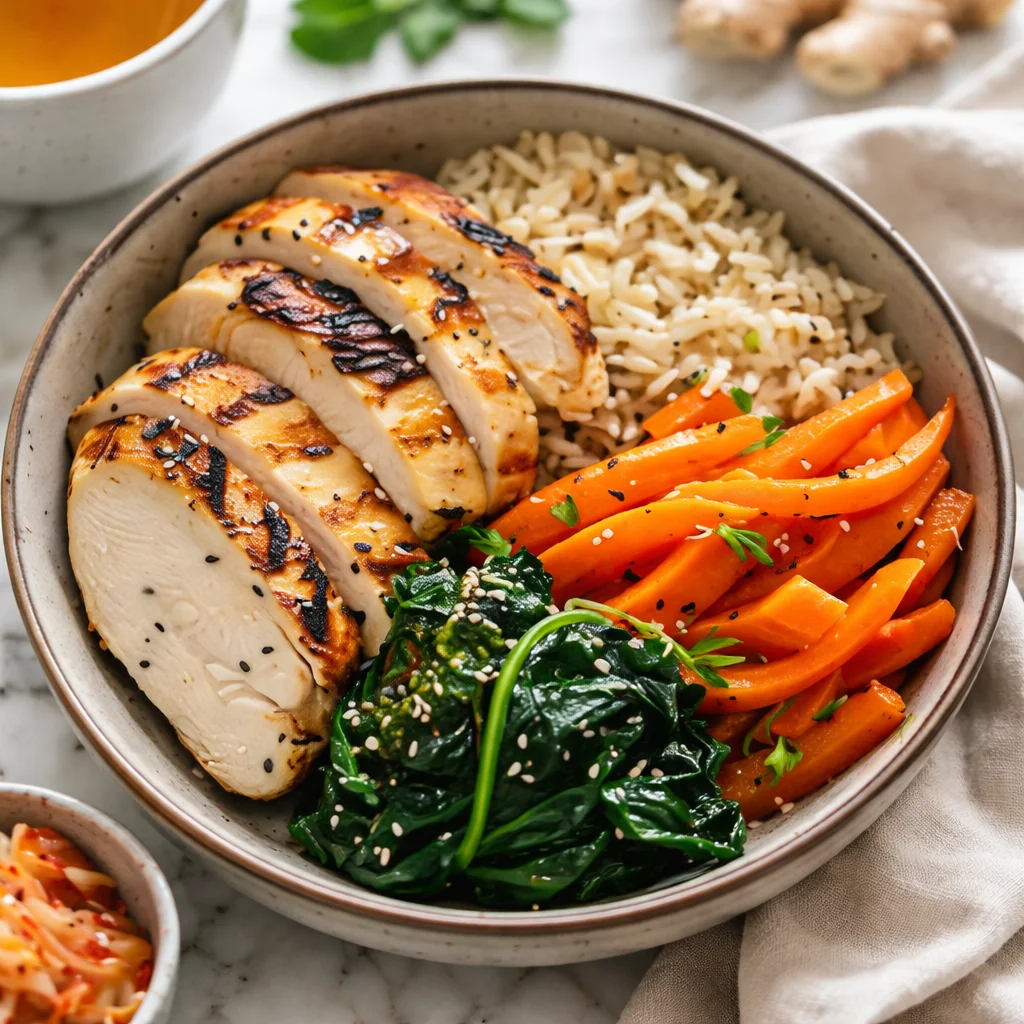
Feeling bloated after eating can quickly ruin a good meal. Your stomach feels tight, uncomfortable, and sometimes even painful. The good news is that bloating after eating is very common and often linked to simple digestive habits or food choices. Understanding the causes can help you prevent it and improve your overall gut health.
- Why Do You Experience Bloating After Eating?
- The Gut Science Behind Bloating After Meals (Gas Production, Digestion, and Microbiome Balance)
- Common Causes of Bloating After Eating (Overeating, Food Intolerances, Gut Imbalance)
- Hidden Triggers That Make Post-Meal Bloating Worse (Stress, Hormones, Inflammation)
- Symptoms That Often Accompany Bloating After Eating
- How Gut Microbiome Imbalance Can Lead to Bloating After Meals
- Foods That Help Reduce Bloating After Eating and Support Digestion
- Anti-Inflammatory Foods That Calm the Gut and Reduce Post-Meal Bloating
- Foods That Often Cause Bloating After Eating and Should Be Limited
- Eating Habits That Improve Digestion and Prevent Bloating After Meals
- Natural Remedies and Simple Solutions for Bloating After Eating
- A Simple Post-Meal Routine to Improve Digestion and Reduce Gas
- Long-Term Prevention Strategies for Bloating and Digestive Discomfort
- When Bloating After Eating May Signal a Gut Health Condition (IBS, SIBO, Food Intolerance)
- Related Gut Health Guides (Internal Links: What to Eat When Bloated, Anti-Inflammatory Foods for Bloating, Best Anti-Bloating Meals)
- Common Questions
- Final Thoughts: Bloat-Free Eating Can Be Real (And Delicious)
Why Do You Experience Bloating After Eating?
Bloating after eating usually happens when excess gas builds up in the digestive system. Common causes include overeating, food intolerances, eating too quickly, or an imbalance in gut bacteria. Improving eating habits, avoiding trigger foods, and choosing gut-friendly foods can help reduce post-meal bloating and support better digestion.
Let’s cut to the chase. You’re not alone lots of people get bloated after meals. Here’s why it matters for your gut:
- It’s your body’s way of saying, “Hey, something’s a bit off in here, can you not ignore me?”
- Persistent bloating can mean your gut isn’t happy, and honestly, I believe happy guts equal happy people (and better days).
- Knowing the cause helps you dodge bigger issues later.
The Gut Science Behind Bloating After Meals (Gas Production, Digestion, and Microbiome Balance)
Let’s quickly look at the digestive science behind post-meal bloating.
- Your digestive system naturally produces gas while breaking down food. When too much gas builds up, the stomach can feel swollen and uncomfortable.
- If your gut microbiome the community of beneficial bacteria in your digestive system becomes imbalanced, digestion may slow down and lead to bloating.
- Sometimes, your belly is just trying to adapt, especially if you wolf down food fast.
Common Causes of Bloating After Eating (Overeating, Food Intolerances, Gut Imbalance)
Here are some of the most common causes of bloating after eating.
- Overeating is basically rolling out the red carpet for bloat.
- Tiny food intolerances (I’m looking at you, dairy) can hit way harder than you’d think.
- Gut imbalances (like, too much bad bacteria) mess everything up.
Hidden Triggers That Make Post-Meal Bloating Worse (Stress, Hormones, Inflammation)
Some stuff sneaks up on you. The invisible culprit, if you will.
- Being stressed out your gut feels that, too. Wild, huh?
- Hormones can send digestion off a cliff (thanks, PMS).
- Inflammation from processed foods or lack of sleep? Total chaos in tummy town.
Symptoms That Often Accompany Bloating After Eating
It’s not just the puff.
- Gassy? A bit embarrassing, but normal.
- Stomach rumbling like it’s haunted.
- Sometimes you get cramps, or worse bathroom drama (not fun).
How Gut Microbiome Imbalance Can Lead to Bloating After Meals
When your gut’s busy fighting itself:
- The “bad guys” bacteria take over, and things get…uncomfortable.
- Less good bacteria = slower digestion.
- You might feel tired, cranky, and, well, bloated.
Foods That Help Reduce Bloating After Eating and Support Digestion
Here’s where it gets tasty my favorite part.
- Ginger, pineapple, and yogurt are wonders for a fussy belly.
- Fermented foods (like sauerkraut) are the hidden gems of my kitchen.
- Herbal tea, especially peppermint, is honestly my go-to after pizza night.
Anti-Inflammatory Foods That Calm the Gut and Reduce Post-Meal Bloating
These are must-haves. Seriously.
- Berries, leafy greens, and healthy fats (hello, olive oil).
- Oats can also help chill out an irritated gut.
- Salmon, nuts, and seeds for when you feel fancy (or just want to feel better).
Foods That Often Cause Bloating After Eating and Should Be Limited
Now for the offenders.
- Beans and legumes, which contain fermentable fibers that may increase gas production.
- Carbonated drinks (yep, even your favorite fizzy water).
- Chewing gum more air goes in than flavor, honestly.
- And watch out for sweeteners sometimes “sugar free” is the enemy.
Eating Habits That Improve Digestion and Prevent Bloating After Meals
Let me give you some friendly advice learned these the hard way.
- Chew slowly. I call it “eating mindfully” (sounds fancier than it is).
- Small plates make a huge difference (I had to buy some cute ones).
- Take a short walk after meals to help stimulate digestion and reduce gas buildup.
Natural Remedies and Simple Solutions for Bloating After Eating
You don’t need a five-star restaurant for relief.
- Warm lemon water is a classic don’t knock it ‘til you try it.
- If you’re into herbs, fennel or chamomile tea works wonders.
- Try ditching tight clothes after big meals (your insides will high-five you).
- For more tips, these natural ways to reduce bloating changed my game.
A Simple Post-Meal Routine to Improve Digestion and Reduce Gas
This simple routine can help improve digestion and reduce post-meal discomfort.
- Finish your meal, then take a gentle ten-minute stroll even around your kitchen, if you’re lazy like me.
- Sip herbal tea, feet up (self-care alert!).
- Don’t crash on the couch just yet give your stomach a fighting chance.
Long-Term Prevention Strategies for Bloating and Digestive Discomfort
Long-term digestive health requires consistent daily habits.
- Eat whole foods your future self sends thanks.
- Keeping a simple food journal can help you identify foods that trigger bloating.
- Stress less (yes, even if your to-do list judges you).
When Bloating After Eating May Signal a Gut Health Condition (IBS, SIBO, Food Intolerance)
Look, sometimes it’s more than just bloat.
- If it’s constant, painful, or just feels…wrong, maybe get a doctor’s advice.
- Conditions like IBS can sneak up on anyone, so don’t shrug it off.
- Intolerances can pop up anytime, even for foods you used to love.
Related Gut Health Guides (Internal Links: What to Eat When Bloated, Anti-Inflammatory Foods for Bloating, Best Anti-Bloating Meals)
If you’re hungry for more info (see what I did there?):
- Curious about what to eat when bloated? You’ll find tasty ideas and science over at Gut Food Guide.
- Want to rack up anti-bloating meals? Dive into their resources they made a believer outta me.
- For more on anti-inflammatory foods for bloating, trust me, your pantry will thank you.
Common Questions
Q: Can stress really make my stomach bloat after eating?
A: Absolutely your gut and brain chat more than you’d think. Chill vibes help.
Q: Should I avoid dairy if I blow up after pizza?
A: Maybe! Lots of folks are kinda sensitive but don’t realize it. Try skipping it and see what happens.
Q: What helps right away when I get bloated?
A: Warm tea, a gentle walk, and loose clothes. Old-school, but so good.
Q: Are there easy foods to swap in for less bloat?
A: Of course swap beans for lentils, fizzy drinks for cucumber water, heavy carbs for more greens.
Q: When’s bloating a serious issue?
A: If it doesn’t quit, you’ve got pain, or weird bathroom stuff, just check in with your doctor to be safe.
Final Thoughts: Bloat-Free Eating Can Be Real (And Delicious)
While occasional bloating after eating is normal, frequent discomfort is usually a signal from your digestive system that something needs attention. By adjusting your eating habits, choosing gut-friendly foods, and identifying personal triggers, you can dramatically reduce bloating and support healthier digestion.
If you want to improve your gut health further, explore more anti-inflammatory recipes and digestion-friendly foods on Gut Food Guide.