
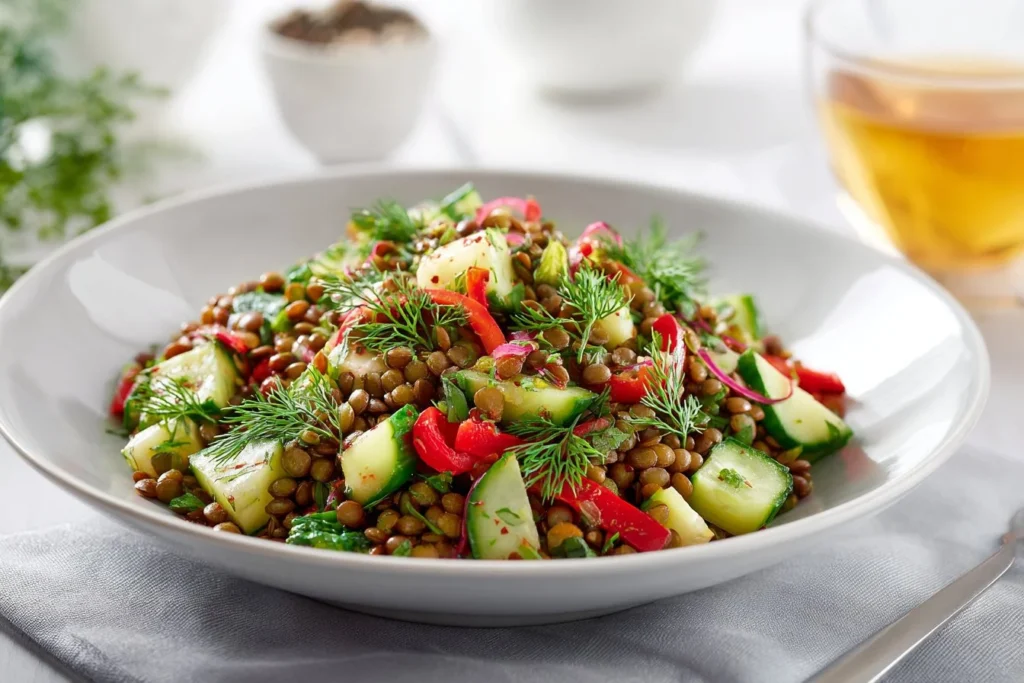
Anti-inflammatory lunches you can pack for work can completely change how you feel by 3 p.m. If you’re battling bloating, brain fog, or that familiar mid-afternoon crash, your midday meal may be quietly fueling inflammation instead of calming it. The right balance of fiber, protein, and anti-inflammatory fats can support your microbiome, steady blood sugar, and keep your focus sharp through the rest of the day. Below you’ll find 34 practical, packable lunch ideas designed to help your gut heal while fitting into a busy work schedule.
What Is Happening in Your Gut
Your gut lining is a thin, living border that separates food from the rest of your body. When everything is balanced, it digests food, absorbs nutrients, and hosts trillions of friendly microbes that support immunity and moods. But when inflammation sets in due to poor diet, stress, or infections that lining becomes more porous and the microbiome shifts. Immune cells react, you get pain, bloating, and your body stays in low-grade stress. Long-term improvement comes from reducing inflammatory triggers, increasing fiber diversity, and supporting the gut barrier consistently.
Main Causes of This Gut Problem
- Diet high in sugar and processed foods
- Frequent antibiotics or overuse of medications (NSAIDs)
- Chronic stress and poor sleep
- Food sensitivities (gluten, dairy, or others)
- Low fiber and not enough plant variety
- Sedentary lifestyle and irregular meal timing
- Overconsumption of alcohol or inflammatory seed oils
Addressing these causes is the fastest way to reduce gut inflammation and restore digestion.
Warning Signs Your Gut Needs Help
- Persistent bloating or gas after meals
- Irregular bowel movements (constipation or loose stools)
- Brain fog, low energy, or mood swings
- Skin issues like acne or eczema
- Cravings for sweets or carbs after eating
- Food reactions that show up hours after a meal
- Joint stiffness or unexplained aches
If you notice several of these, it’s a signal to act now with food, lifestyle changes, and targeted support.
Best Foods to Heal and Repair Gut
Focus on whole, minimally processed foods that reduce inflammation and feed beneficial microbes:
- Leafy greens (spinach, kale) for fiber and magnesium
- Colorful vegetables and berries for antioxidants
- Fermented foods (yogurt, kefir, sauerkraut) for microbes
- Prebiotic-rich foods (onion, garlic, asparagus, bananas)
- Omega-3 sources (wild salmon, sardines, walnuts)
- Turmeric, ginger, and garlic for natural anti-inflammatory support
- Bone broth or collagen-rich foods for gut lining repair
- Beans, lentils, and whole grains (if tolerated) for fiber diversity
For a deeper list of anti-inflammatory foods that boost gut health and steady energy, check this practical guide on key foods to include: 20 anti-inflammatory foods for gut health and energy.
Packing anti-inflammatory lunches you can pack for work consistently is one of the simplest daily habits to lower inflammation and support long-term gut health.
Worst Foods That Damage Gut Health
- Sugary drinks, sweets, and refined carbs that feed bad bacteria
- Ultra-processed foods with additives and emulsifiers
- Artificial sweeteners linked to microbiome disruption
- High amounts of alcohol and fried foods
- Refined seed oils (corn, soybean) high in omega-6s
- Excessive dairy or gluten if you are sensitive
- Eating late at night or frequent grazing without proper digestion
Reducing these will quickly lower inflammation and help the gut start repairing itself.
Evidence-Based Natural Supports
- Probiotic-rich foods or a targeted probiotic supplement can rebalance bacteria.
- Prebiotics (inulin, resistant starch) feed helpful microbes.
- Turmeric/curcumin with black pepper reduces inflammation.
- Ginger soothes digestion and reduces nausea and gas.
- L-glutamine supports intestinal lining repair in some people.
- Short-term digestive enzymes can help with heavy meals.
- Mindful stress reduction (breathing, short walks) lowers gut-directed inflammation.
A gentle morning routine can make a big difference if you’d like, these morning drink ideas are an excellent place to start: best morning drink for gut health.
Daily Habits That Improve Digestion Fast
- Chew slowly and eat without screens to reduce overeating and improve digestion.
- Drink water steadily throughout the day; avoid chugging with meals.
- Walk 10–20 minutes after eating to stimulate digestion.
- Prioritize sleep 7–9 hours rebuilds the gut lining.
- Manage stress with short breathing breaks or a quick walk.
- Pack balanced lunches: fiber + protein + healthy fat for steady blood sugar.
- Rotate foods to support microbial diversity.
Digestive health improves most when these habits are repeated daily not when a single meal is “perfect.”
34 Anti-Inflammatory Lunches You Can Pack for Work
Below are 34 packable lunches that are quick to prep, gut-friendly, and easy to vary. Keep portions balanced: protein, vegetables or fruit, a small complex carb (if tolerated), and a healthy fat.
- Mediterranean Mason Jar Salad: mixed greens, chickpeas, cucumber, cherry tomatoes, olives, feta, olive oil lemon dressing. Gut win: fiber + olive oil.
- Wild Salmon & Quinoa Bowl: roasted salmon, quinoa, steamed broccoli, avocado, lemon. Gut win: omega-3s and probiotics-supporting fiber.
- Turmeric Chicken Bowl: shredded chicken, brown rice, roasted cauliflower, turmeric yogurt drizzle. Tip: use leftover chicken or a rotisserie bird. For more chicken ideas, try this chicken recipe collection: 10 easy anti-inflammatory chicken recipes.
- Lentil & Roasted Veg Salad: green lentils, roasted carrots, arugula, tahini dressing.
- Chickpea Salad Wrap: smashed chickpeas, diced celery, apple, lemon, wrapped in a collard leaf.
- Sardine & Avocado Toast: sprouted grain toast, mashed avocado, sardines, squeeze of lemon.
- Greek Yogurt Grain Bowl: plain yogurt, berries, walnuts, chia, drizzle of honey.
- Buddha Bowl with Miso Dressing: brown rice, edamame, shredded cabbage, carrot, miso-ginger dressing.
- Turkey, Apple & Spinach Roll-Ups: turkey slices, thin apple, spinach, mustard.
- Zucchini Noodle Salad with Pesto: spiralized zucchini, cherry tomatoes, basil pesto, pine nuts.
- Black Bean & Sweet Potato Salad: roasted sweet potato, black beans, cilantro, lime.
- Beet & Goat Cheese Salad: roasted beets, goat cheese, mixed greens, walnuts.
- Quinoa Tabbouleh with Herbs: quinoa, parsley, mint, cucumber, lemon.
- Bone Broth & Veggie Thermos: sipable bone broth with soft veggies and herbs.
- Salmon Salad Lettuce Cups: canned wild salmon, avocado mayo, dill, butter lettuce.
- Mackerel & Farro Bowl: lightly dressed farro, flaked mackerel, arugula.
- Tofu & Broccoli Stir-Fry (cold): marinated tofu, steamed broccoli, sesame, brown rice.
- Shrimp & Avocado Salad: chilled shrimp, mixed greens, grapefruit, olive oil.
- Hummus & Veggie Bento: hummus, sliced peppers, cucumbers, pickles, hard-boiled egg.
- Spiced Pumpkin & Chickpea Stew: packed into a thermos, warming and gentle on the gut.
- Collard Wrap with Hummus & Veggies: sturdy, no-sog sandwich.
- Roasted Cauliflower & Tahini Bowl: roasted cauliflower, freekeh or quinoa, tahini lemon.
- Korean-Style Beef Lettuce Wraps: thin beef, kimchi (small amount), sesame, lettuce cups.
- Egg Salad with Avocado: mashed avocado + boiled eggs, chives, served on greens.
- Baked Cod with Herbed Farro: mild fish, farro, lemon parsley dressing.
- Trail Mix & Cottage Cheese Combo: cottage cheese with a small side of mixed nuts and berries.
- Warm Kale & White Bean Salad: sautéed kale, cannellini, lemon, garlic.
- Curried Chicken Salad: shredded chicken, curry powder, Greek yogurt, grapes, celery.
- Soba Noodle Salad with Veggies: buckwheat noodles, edamame, sesame dressing.
- Pumpkin Seed & Beet Grain Bowl: roasted beets, barley or quinoa, pepitas.
- Mediterranean Tuna Salad: water-packed tuna, capers, red onion, olive oil, served on greens.
- Roasted Vegetable & Turkey Sausage Pasta Salad: whole-grain or lentil pasta, roasted veg, sliced turkey sausage.
- Asian-Inspired Salmon Sushi Bowl: sushi rice or cauliflower rice, nori, cucumber, avocado, flaked salmon, low-sodium soy.
- Simple Avocado & Sprout Sandwich: sprouted grain bread, mashed avocado, sprouts, lemon, pepper.
Each of these can be prepped the night before or made in bulk for the week. Swap proteins and veggies based on season and tolerance. Choose simple olive oil or yogurt-based dressings and avoid sugary bottled sauces.
7-Day Gut Reset Plan
This is a gentle, realistic reset that reduces inflammation and supports repair. Aim for consistency, not perfection.
Day 1: Clean up breakfast and lunch. Start the day with a calming drink and pack a vegetable-forward lunch. (See our 7-day anti-inflammatory diet for structure.) Powerful anti-inflammatory diet for gut health – 7 days
Day 2: Add fermented foods at one meal (small sauerkraut or yogurt). Hydrate and walk after meals.
Day 3: Increase veggies and fiber at lunch; include a lean protein and healthy fat.
Day 4: Introduce a short elimination skip dairy or gluten for two days if you suspect sensitivity.
Day 5: Focus on anti-inflammatory spices turmeric and ginger in meals.
Day 6: Prepare bone broth or include collagen support and avoid alcohol.
Day 7: Evaluate energy and digestion. Keep the habits that improved symptoms.
This short plan is to jump-start better choices and reduce inflammatory triggers. For a fully planned 7-day menu and grocery list, our guide has step-by-step ideas to follow.
Common Mistakes to Avoid
- Skipping protein at lunch (leads to blood sugar crashes).
- Relying only on fermented foods without feeding them prebiotics.
- Overdoing “diet” snacks that are highly processed.
- Expecting overnight changes healing takes a few weeks for many people.
- Not addressing stress or sleep, which undermines food changes.
- Eating the same few foods every day lack of variety starves the microbiome.
Avoid these and you’ll see results much faster.
Expert Tips for Faster Gut Healing
- Rotate proteins and plants to encourage microbial diversity.
- Keep meals balanced: a palm-sized protein, fist of veggies, thumb of healthy fat, small cupped carb if needed.
- Start small: swap one processed lunch per week for a homemade option.
- Track symptoms in a simple journal identify triggers and progress.
- Consider professional support (dietitian or functional medicine practitioner) if symptoms persist.
Also, don’t fear supportive supplements when used short-term and under guidance (probiotics, magnesium, vitamin D, omega-3s).
FAQs
Q: How long until I feel better after switching to anti-inflammatory lunches?
A: Many people notice less bloating and more energy within 1–2 weeks. Full gut repair can take 6–12 weeks depending on severity and consistency.
Q: Can I still eat grains and beans if I have gut issues?
A: Usually yes if tolerated. Start with well-cooked legumes, soaked grains, or smaller portions. If you have a known sensitivity, work with a practitioner.
Q: Are fermented foods always safe?
A: Most people benefit from small amounts, but if you have histamine intolerance or SIBO, some fermented foods can trigger symptoms. Introduce slowly and monitor.
Q: What’s the easiest anti-inflammatory lunch to prep for a hectic week?
A: Mason jar salads, bowls with roasted vegetables and a protein, or a simple tuna/egg salad packed with greens are easy and keep well.
Q: Do I need supplements to heal my gut?
A: Not always. Food and lifestyle changes are first-line. Supplements like a targeted probiotic or L-glutamine can help some people but should be chosen based on symptoms.
Final Thoughts
Packing anti-inflammatory lunches is a powerful daily habit that does more than quiet symptoms it supports long-term gut resilience, steady energy, and better mood. Start with a few meals you love, build simple routines for meal prep, and be patient with the process. Small, consistent changes beat dramatic one-day overhauls.
Conclusion
If you’d like even more structured weekly meal planning ideas, explore our full anti-inflammatory diet for beginners 7-day reset plan to build balanced lunches and dinners with confidence.
Trust your body, eat colorful whole foods, and make lunch a time that heals not harms your gut.