
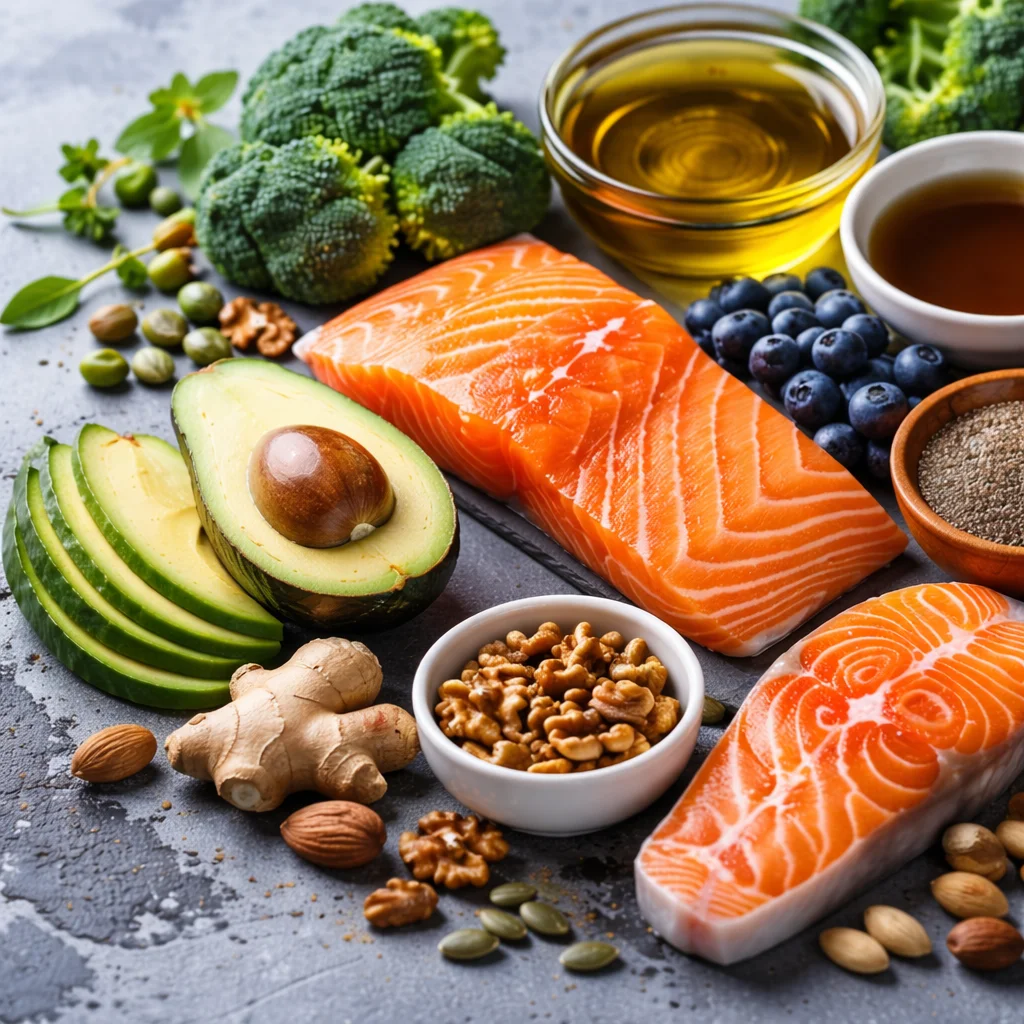
Many everyday symptoms like bloating, fatigue, or brain fog can be linked to chronic inflammation. The good news? Small dietary changes can make a big difference. This beginner-friendly guide explains how the anti-inflammatory diet for beginners works, which foods help reduce inflammation, and how to start with simple, practical steps.
What Is an Anti-Inflammatory Diet?
An anti-inflammatory diet focuses on whole, nutrient-dense foods that help reduce chronic inflammation in the body. Beginners should prioritize fruits, vegetables, healthy fats, and omega-3 rich foods while limiting processed foods and refined sugar. Small dietary changes can improve gut health, digestion, and overall energy levels.
Let’s keep it simple. An anti-inflammatory diet just means loading up on foods that don’t stir up trouble in your body.
- Focus is on real, fresh stuff: think colorful veggies, berries, fatty fish, nuts.
- Limit fried foods, refined sugar, and ultra-processed snacks that can trigger inflammation.
- Not a strict plan more like guidelines, so you don’t have to go all-in overnight.
Why Chronic Inflammation Is Dangerous for Gut Health
Many people are surprised to learn how harmful chronic inflammation can be. Chronic inflammation often develops silently but can damage the body over time.
- Over time, it can wreck your gut lining (hello, stomach issues).
- Messes with digestion, leading to bloating or more annoying stuff.
- Makes your body work way harder than it should.
Signs Your Body May Be Experiencing Chronic Inflammation
Many of these symptoms are easy to overlook because they often feel like everyday fatigue.
- You’re always tired (like, “can’t peel myself off the couch” tired).
- Regular stomach pain, bloating, or indigestion.
- Random aches or skin flare-ups.
What Causes Inflammation in the Body
So, why’s this even happening?
- Poor diet (think soda, processed meats, donuts ugh).
- Ongoing stress (life, am I right?).
- Lack of sleep or movement.
How the Gut Microbiome Influences Inflammation
Your gut microbiome plays a major role in controlling inflammation.
- Healthy gut bacteria keep inflammation down.
- Junky food hurts those good microbes, so it’s a cycle.
- More plants and fiber = happier gut.
Key Benefits of an Anti-Inflammatory Diet
Heads up: it’s not just your belly that’ll thank you.
- Less bloating, better digestion, yes please!
- Improved energy, mood, even sleep.
- May help with joint pain and clearer skin.
Best Anti-Inflammatory Foods for Beginners
These foods form the foundation of a beginner-friendly anti-inflammatory diet:
- Berries, spinach, broccoli live for these, seriously.These nutrient-rich foods are excellent for supporting gut health.
- Wild salmon or sardines (if you can handle the fishy thing!).
- Walnuts, olive oil, turmeric, ginger.
Curious for a more detailed list? Check out these 20 anti-inflammatory foods for gut health.
Gut-Healing Foods That Help Reduce Inflammation
Want to baby your gut? Try these:
- Greek yogurt or kefir (if you’re cool with dairy).
- Sweet potatoes, oats, apples basic but powerful.
- Sauerkraut or kimchi for a probiotic punch.
Foods That Cause Inflammation and Should Be Avoided
These foods are known to trigger or worsen inflammation in the body:
- Refined sugar, sodas, candy.
- Fried junk (yes, fries and chips DO count).
- Most packaged snacks or “instant” meals.
How to Start an Anti-Inflammatory Diet (Beginner Step-by-Step Plan
The key is to start gradually rather than changing everything at once. Don’t try to overhaul everything in a day.
- Start by swapping one meal a day for something “gut-friendly.”
- Add a handful of berries or spinach to breakfast tiny wins!
- Make a grocery list of anti-inflammatory foods before shopping.
Simple Anti-Inflammatory Meal Plan for Beginners
You don’t need advanced cooking skills to follow a simple anti-inflammatory meal plan. Here’s an easy outline:
- Breakfast: plain oats + blueberries + nuts.
- Lunch: grilled chicken, greens, sliced avocado.
- Dinner: salmon, roasted sweet potato, steamed broccoli.
More inspiration? Grab ideas from this 7-day anti-inflammatory diet meal plan.
Daily Anti-Inflammatory Routine to Support Gut Health
Small daily habits can significantly support gut health and reduce inflammation.
- Drink water first thing (before coffee, trust me?).
- Go for a walk after a meal helps digestion so much.
- Snack on nuts or fruit instead of chips.
Lifestyle Habits That Help Reduce Inflammation Naturally
Diet is important, but lifestyle habits also influence inflammation levels.
- Prioritize sleep start small and add 10 min a night.
- Stress less (try something like deep breathing…or a dance break?).
- Move your body, any way you like.
Common Beginner Mistakes on an Anti-Inflammatory Diet
This tripped me up at first!
- Trying to be “perfect” from day one just… don’t.
- Forgetting about hidden sugars in sauces or drinks.
- Not eating enough you’ll actually feel hungrier at first.
Frequently Asked Questions About the Anti-Inflammatory Diet for Beginners
What is the fastest way to reduce inflammation through diet?
Focus on whole foods like vegetables, berries, olive oil, fatty fish, and nuts while reducing processed foods, sugar, and fried items.
Can an anti-inflammatory diet help gut health?
Yes. Many anti-inflammatory foods are rich in fiber and antioxidants that support healthy gut bacteria and digestion.
How long does it take to see results?
Many people notice improvements in energy and digestion within 1–3 weeks.
Is the Mediterranean diet anti-inflammatory?
Yes. The Mediterranean diet is one of the most well-studied anti-inflammatory eating patterns.
Ready to Start an Anti-Inflammatory Diet? Final Thoughts From Someone Who’s Been There
Starting an anti-inflammatory diet for beginners doesn’t require a perfect plan or drastic changes. Begin with small swaps add more vegetables, choose healthy fats, and reduce ultra-processed foods. Over time, these simple habits can support gut health, improve energy, and reduce inflammation naturally.
If you’re ready to go further, explore more gut-friendly recipes and meal ideas to make healthy eating simple and sustainable.