
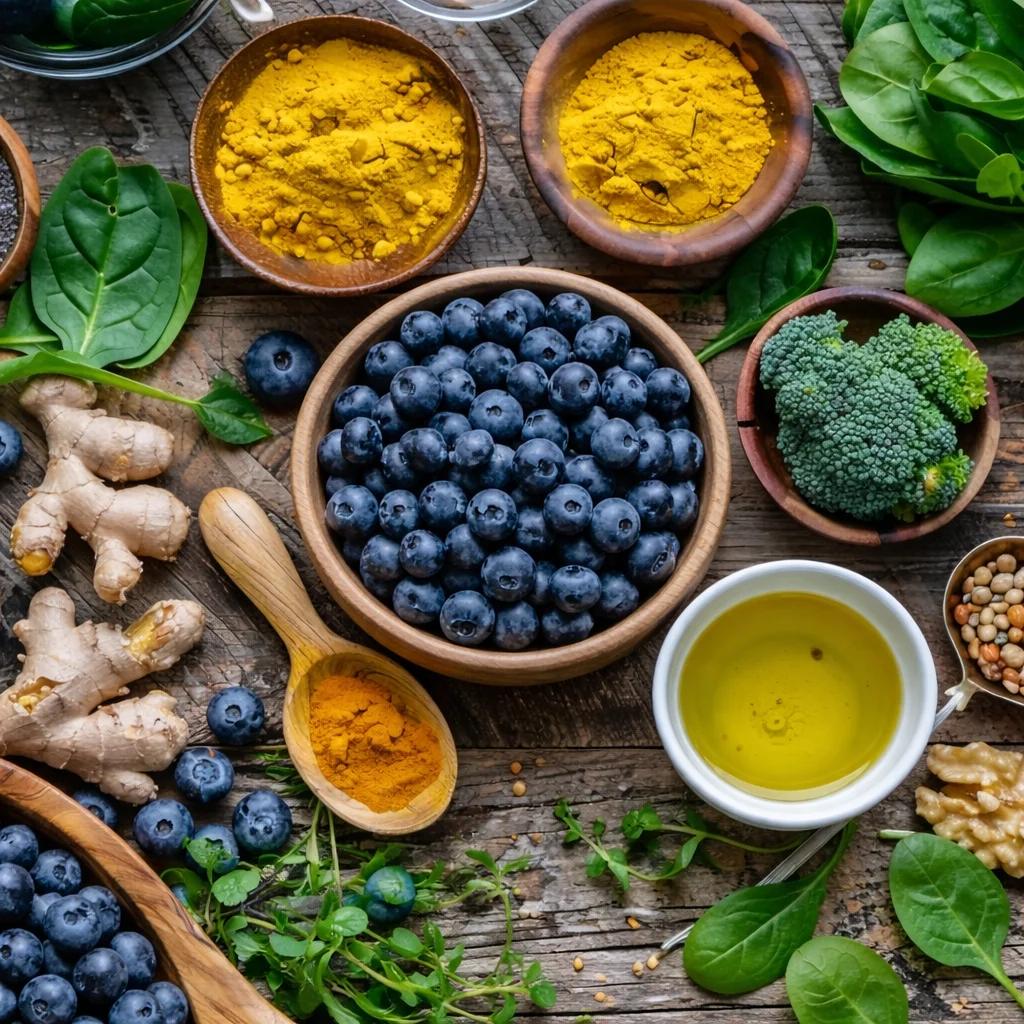
Many modern health problems from fatigue to digestive discomfort are linked to chronic inflammation. The good news? Research shows that simple dietary changes can make a real difference. The anti-inflammatory diet benefits go far beyond weight management. This science-backed approach supports gut health, heart health, and overall well-being by focusing on whole, nutrient-rich foods.
What Are the Benefits of an Anti-Inflammatory Diet?
The anti-inflammatory diet benefits include reduced chronic inflammation, improved gut health, better heart health, and more stable energy levels. This diet focuses on whole foods such as vegetables, berries, fatty fish, nuts, and olive oil while limiting processed foods, refined sugars, and fried items.
- At its core, it’s just eat more plants, lean proteins, healthy fats, less processed junk.
- Common anti-inflammatory foods include berries, leafy greens, fatty fish like salmon, nuts, and olive oil.
- The goal? Calm the “fire” in your body, so to speak.
- Unlike restrictive fad diets, the anti-inflammatory approach is supported by extensive nutritional research.
- What Are the Benefits of an Anti-Inflammatory Diet?
- What Science Says About Chronic Inflammation and Why It Matters for Health
- The Gut–Inflammation Connection: How the Microbiome Influences Inflammatory Responses
- Top Evidence-Based Anti-Inflammatory Diet Benefits for Overall Health
- How an Anti-Inflammatory Diet Supports Digestive Health and Gut Balance
- Common Symptoms That May Improve on an Anti-Inflammatory Diet
- Root Causes of Chronic Inflammation in the Modern Diet
- Key Nutrients and Compounds That Help Reduce Inflammation Naturally
- Best Anti-Inflammatory Foods to Eat for Gut and Metabolic Health
- Foods That Increase Inflammation and Should Be Limited or Avoided
- How an Anti-Inflammatory Diet May Support Weight Management and Metabolism
- Simple Daily Habits That Boost the Benefits of an Anti-Inflammatory Lifestyle
- Practical Anti-Inflammatory Daily Routine for Gut Health and Low Inflammation
- Long-Term Health Benefits of Reducing Inflammation Through Diet
- Frequently Asked Questions About Anti-Inflammatory Diet Benefits
- Ready to Eat Like You Actually Want to Feel Good?
What Science Says About Chronic Inflammation and Why It Matters for Health
- Chronic inflammation works slowly over time much like a small leak that eventually causes serious damage.
- Linked to stuff you don’t want heart trouble, diabetes, arthritis, even brain fog.
- Studies show a relationship between an anti-inflammatory diet and less risk for these, but it’s not instant magic.
- Think of it as long-term insurance for your body, not a quick fix.
The Gut–Inflammation Connection: How the Microbiome Influences Inflammatory Responses
- Your gut houses trillions (yes, trillions) of microscopic helpers talk about a crowded house.
- When you eat well, these good bugs help chill out inflammation.
- Too much fried or sugary stuff? It messes up the balance, which isn’t cute.
- When the gut microbiome is balanced, it can support joint health, clearer skin, stronger immunity, and even better mood regulation.
Top Evidence-Based Anti-Inflammatory Diet Benefits for Overall Health
- You might notice less bloating and joint pain… Many people report improvements in digestion and reduced bloating within the first few weeks.
- Research shows benefits for heart health, blood sugar, and even keeping your brain sharp.
- People often see a little bit of weight slide off too (yeah, I did a little dance about that).
- Long story short: less inflammation = body runs smoother.
How an Anti-Inflammatory Diet Supports Digestive Health and Gut Balance
- Fiber-rich foods feed your friendly gut bugs think beans, oats, apples.
- Fermented stuff like yogurt and kimchi pack a probiotic punch.
- Minimal processed junk means less irritation, less “ugh” after eating.
Common Symptoms That May Improve on an Anti-Inflammatory Diet
- Joint pain or creaky knees (been there, yikes).
- Fatigue that lingers all day.
- Annoying skin flare-ups bye, dullness.
- Even anxiety and foggy thinking can ease up a bit.
Root Causes of Chronic Inflammation in the Modern Diet
- Too much sugar yeah, that cereal, too.
- Fried foods, especially drive-thru kind.
- Super-processed stuff (think, stuff that doesn’t rot).
- Lack of whole foods and “real” ingredients.
Key Nutrients and Compounds That Help Reduce Inflammation Naturally
- Omega-3s from fatty fish or chia seeds; do wonders.
- Antioxidants colorful veggies are loaded with them.
- Fiber, because your gut is picky and needs it.
- Don’t skip herbs like turmeric or ginger!
Best Anti-Inflammatory Foods to Eat for Gut and Metabolic Health
- Salmon, sardines, trout (Adding lemon or herbs can improve flavor and make fatty fish easier to enjoy.).
- Leafy greens spinach, kale, arugula, whatever’s on sale.
- Berries, nuts, olive oil (make your salad a little fancy).
- More ideas? Check out this list of anti-inflammatory foods for gut health and energy.
Foods That Increase Inflammation and Should Be Limited or Avoided
- Processed meats (hot dogs, bacon yeah, sorry).
- White bread, pastries, and sugary drinks.
- Too much red meat.
- Occasional treats are fine, but keeping these foods limited helps maintain a lower inflammatory load.
How an Anti-Inflammatory Diet May Support Weight Management and Metabolism
- Swapping out junk for filling, whole foods helps you feel full with less.
- Balances blood sugar, so you crash less often (and maybe snack less).
- Can rev up your metabolism over time, not overnight miracles here!
- I noticed my jeans getting looser without hardcore calorie counting.
Simple Daily Habits That Boost the Benefits of an Anti-Inflammatory Lifestyle
- Drink more water boring, but so, so key.
- Add herbs or lemon to meals for flavor and bonus antioxidants.
- Walk after dinner, even for five minutes.
- Check out these powerful anti-inflammatory diet for gut health tips for some easy swaps.
Practical Anti-Inflammatory Daily Routine for Gut Health and Low Inflammation
- Start your day with oats or a smoothie skip sugary cereal.
- Lunches: grain bowls, grilled chicken, those anti-inflammatory chicken recipes are a weekday lifesaver.
- Dinners: fill your plate with colorful veggies and a serving of salmon or beans.
- Snack? Almonds and some berries. Easy.
Long-Term Health Benefits of Reducing Inflammation Through Diet
- Better heart health and lower risk of “the scary stuff” (heart attacks, Alzheimer’s, you know?).
- Steadier energy levels no more afternoon zombie mode.
- Healthier skin and stronger nails, honestly wasn’t expecting that one.
- If you’re curious, here’s a list of anti-inflammatory diet guide resources and meal ideas.
Frequently Asked Questions About Anti-Inflammatory Diet Benefits
What are the biggest anti-inflammatory diet benefits?
The main benefits include reduced inflammation, improved gut health, better heart health, stable blood sugar, and increased energy levels.
How long does it take for an anti-inflammatory diet to work?
Some people notice improvements in digestion and energy within 1–2 weeks, while deeper health changes may take several months.
What foods reduce inflammation the most?
Foods rich in antioxidants and omega-3 fatty acids such as salmon, berries, leafy greens, olive oil, and nuts are among the most effective anti-inflammatory foods.
Can an anti-inflammatory diet improve gut health?
Yes. High-fiber foods, fermented foods, and healthy fats support the gut microbiome, which plays a key role in regulating inflammation.
Is the anti-inflammatory diet scientifically supported?
Yes. Many studies link anti-inflammatory eating patterns similar to the Mediterranean diet to lower risks of chronic diseases.
Ready to Eat Like You Actually Want to Feel Good?
Reducing inflammation isn’t about following a strict diet it’s about making smarter daily food choices. By adding more whole foods like berries, leafy greens, healthy fats, and fiber-rich meals, you give your body the tools it needs to heal and function better.
Start small: swap one processed meal for a whole-food option today. Over time, those small changes can unlock the real anti-inflammatory diet benefits for your gut, energy levels, and long-term health.