
Anti-Inflammatory Diet for Beginners: A Simple 7-Day Plan to Reduce Pain and Bloating
Anti-inflammatory diet for beginners doesn’t have to be restrictive, expensive, or confusing. If you’re dealing with bloating, fatigue, joint discomfort, or stubborn inflammation, the way you eat each day may be quietly fueling the problem. The good news is that simple shifts more fiber, better fats, fewer processed foods can calm your gut and lower inflammation surprisingly fast. This guide walks you through exactly what to eat, what to avoid, and how to reset your digestion in just seven days.
What Is Happening in Your Gut
Your gut is home to trillions of microbes that help break down food, make vitamins, and talk to your immune system. When the balance between helpful and harmful bacteria shifts, the body can respond with inflammation.
Inflammation is a normal immune response. But when it becomes chronic, it can damage the gut lining, slow digestion, and send inflammatory signals through the body. That’s when you feel constant bloating, gas, irregular bowel movements, fatigue, and even skin or joint issues.
The gut lining acts as a selective barrier. When it’s healthy, it allows nutrients through while keeping unwanted particles contained. Healthy microbes and a strong mucus layer keep that filter working. Poor diet, stress, and antibiotics can thin the mucus and let small particles “leak” through a process that can trigger immune reactions and persistent low-level inflammation.
Main Causes of This Gut Problem
- Diet high in processed foods: Excess sugars, refined carbs, and industrial seed oils feed bad bacteria and increase inflammation.
- Low fiber intake: Without enough fiber, your beneficial microbes don’t get the fuel they need to make anti-inflammatory substances.
- Chronic stress and poor sleep: Stress hormones alter gut motility and microbiome balance.
- Overuse of antibiotics and certain medications: These can wipe out beneficial bacteria and let opportunistic microbes expand.
- Food sensitivities: Repeated irritation from trigger foods (like dairy or gluten for some people) can keep the immune system on high alert.
- Infections and gut imbalances: Small intestinal bacterial overgrowth (SIBO), yeast overgrowth, and some infections can cause chronic inflammation.
- Sedentary lifestyle and obesity: Both raise systemic inflammation and affect gut health.
Understanding what’s driving your symptoms makes it easier to prioritize the changes that will actually help. Often a few targeted diet and lifestyle tweaks can reset the system.
Warning Signs Your Gut Needs Help
- Persistent bloating after meals
- Irregular bowel movements (constipation or diarrhea)
- Heartburn or reflux that flares often
- Extra gas, burping, or belching
- Unexplained fatigue or brain fog
- Skin breakouts or eczema
- Joint pain without clear cause
- Food sensitivities that develop over time
If several signs fit, it’s a sign your gut is struggling and could benefit from an anti-inflammatory approach.
Best Foods to Heal and Repair Gut
Eat foods that calm inflammation, feed beneficial microbes, and support the gut lining. Focus on whole, minimally processed options.
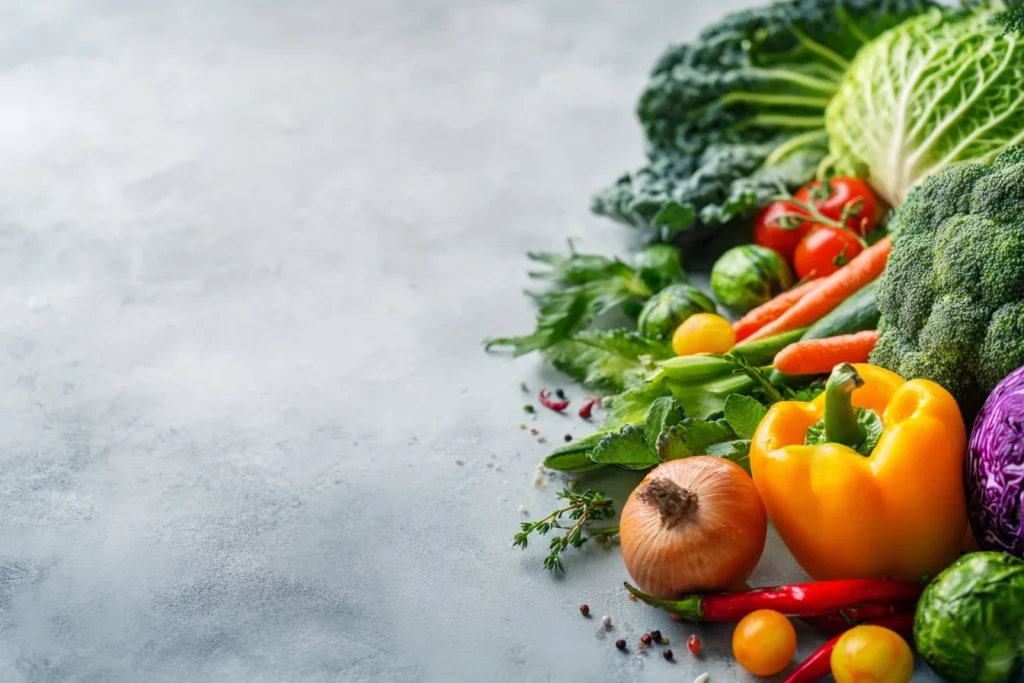
- Vegetables: Leafy greens, broccoli, cauliflower, carrots, bell peppers. These are rich in fiber and antioxidants.
- Berries: Blueberries, strawberries, and raspberries are high in polyphenols, which feed good bacteria.
- Fatty fish: Salmon, mackerel, sardines rich in omega-3s that reduce inflammation.
- Fermented foods: Yogurt with live cultures, kefir, sauerkraut, kimchi, and kombucha help boost beneficial microbes.
- Prebiotic foods: Garlic, onions, leeks, asparagus, and Jerusalem artichoke feed helpful bacteria.
- Whole grains (if tolerated): Oats, quinoa, and brown rice provide fiber and nutrients.
- Legumes (if tolerated): Lentils and beans are fiber-rich and feed the microbiome.
- Healthy fats: Olive oil, avocado, nuts, and seeds support the gut barrier.
- Bone broth: Soothing and provides gelatin and amino acids that support mucosal healing.
- Herbs and spices: Turmeric (curcumin), ginger, and cinnamon have anti-inflammatory properties.
For a deeper list of research-backed choices, check this guide to the best foods for gut health.
If you like recipe ideas for easy protein-packed meals, you can add simple anti-inflammatory chicken meals into your weekly plan they’re great for gut healing and easy to cook on repeat. Explore these anti-inflammatory chicken recipes for variety.
Worst Foods That Damage Gut Health
Avoid foods that fuel bad bacteria, irritate the gut lining, and raise inflammation:
- Added sugar and sugary drinks: Rapidly feed harmful microbes and promote dysbiosis.
- Refined carbs: White bread, pastries, and many snack foods spike blood sugar and promote inflammation.
- Processed vegetable oils: High in omega-6 fats that, in excess, can promote inflammatory pathways.
- Ultra-processed foods: These often contain additives, emulsifiers, and low fiber.
- Artificial sweeteners: Can alter microbial balance and lead to glucose intolerance in some people.
- Excess alcohol: Disrupts gut barrier integrity and changes microbiome composition.
- Excessive red and processed meats: Especially when grilled or charred; can raise inflammatory compounds.
- Common irritants for some people: Dairy, gluten, and soy may trigger inflammation in susceptible individuals.
To protect your gut, reduce these foods and replace them with whole, fiber-rich choices.
Evidence-Informed Natural Supports
Many natural remedies can support gut healing when paired with the right diet and habits.
- Probiotics: Short-term supplements with specific strains (Lactobacillus, Bifidobacterium, and Saccharomyces boulardii) can help restore balance. Choose a reputable brand and use as directed.
- Prebiotics: Inulin, FOS, and naturally prebiotic foods (onion, garlic, asparagus) feed beneficial bacteria.
- Turmeric/curcumin: A natural anti-inflammatory. Combine with black pepper for better absorption.
- Ginger: Helps with nausea and reduces gut inflammation.
- Bone broth: Contains amino acids like glycine and proline that support mucosal repair.
- Omega-3 supplements: If you don’t eat fatty fish twice weekly, a fish oil supplement can help with inflammation.
- Aloe vera (oral gel): Some people find relief from reflux and IBS symptoms, but choose a product formulated for internal use.
- Peppermint oil (enteric-coated): Can relieve IBS-related cramping and gas.
- Low-dose digestive enzymes: Help break down food if you have bloating after meals.
For simple, gut-friendly dinner ideas that support digestion and healing, try this collection of gut-healthy recipes for better digestion.
Note: Always check with a healthcare provider before starting high-dose supplements, especially if you’re pregnant, nursing, or on medication.
Daily Habits That Improve Digestion Fast
Food matters, but habits make a big difference. Try these easy daily practices.
- Chew slowly and mindfully: Chewing begins digestion. Take your time to reduce bloating.
- Eat regular meals: A consistent meal schedule supports healthy gut rhythms.
- Hydrate well: Water helps move fiber through the gut and supports mucosal health.
- Move gently after meals: A short walk aids digestion and reduces bloating.
- Prioritize sleep: Aim for 7–9 hours. Sleep restores the gut and reduces inflammation.
- Manage stress: Breathing exercises, meditation, or yoga lower gut inflammation.
- Avoid eating late at night: Late meals can disrupt circadian-driven gut processes.
- Keep a food symptom diary: Track what you eat and how you feel to spot triggers.
- Limit NSAIDs when possible: Frequent use can irritate the gut lining.
- Rotate foods: A varied diet encourages a diverse microbiome.
Consistent daily habits tend to produce more sustainable improvements than short-term restrictive plans.
7-Day Gut Reset Plan
This 7-day plan emphasizes whole foods, stable blood sugar, and simple daily routines that support microbiome balance. It’s meant for beginners and is practical for weeknight meals.
Before you start: Eliminate sugary drinks, ultra-processed snacks, and excess alcohol. Focus on whole foods and consistent meal times.
Day 1 Clean Start
- Breakfast: Oatmeal with berries, chia seeds, and a spoonful of plain yogurt.
- Lunch: Mixed greens with grilled salmon, avocado, cucumber, and olive oil-lemon dressing.
- Snack: Sliced apple with almond butter.
- Dinner: Steamed veggies, brown rice, and baked chicken with turmeric and garlic.
- Habit: 10-minute evening walk and 8-hour sleep window (aim for consistent bedtime).
Day 2 Add Ferments
- Breakfast: Smoothie with kefir, spinach, banana, and flax.
- Lunch: Lentil soup with carrots and celery.
- Snack: Carrot sticks and hummus.
- Dinner: Stir-fry with broccoli, bell pepper, ginger, and tempeh or shrimp.
- Habit: 5 minutes of deep breathing before meals.
Day 3 Focus on Fiber
- Breakfast: Chia pudding with berries.
- Lunch: Quinoa salad with roasted veggies and pumpkin seeds.
- Snack: A small handful of walnuts.
- Dinner: Salmon, roasted asparagus, and sweet potato.
- Habit: Chew slowly aim for 20–30 chews per bite on average.
Day 4 Gentle Detox
- Breakfast: Warm water with lemon, then yogurt with sliced pear.
- Lunch: Bone broth-based soup with turmeric and greens.
- Snack: A small serving of kimchi or sauerkraut.
- Dinner: Baked cod, sautéed spinach, and millet.
- Habit: 15-minute walk after dinner.
Day 5 Protein Balance
- Breakfast: Scrambled eggs with spinach and tomatoes.
- Lunch: Chickpea salad with olive oil and lemon.
- Snack: Blueberries and a few almonds.
- Dinner: Roast chicken with roasted Brussels sprouts and quinoa.
- Habit: 10-minute nighttime stretch to relax the gut.
Day 6 Nourish & Repair
- Breakfast: Oat porridge with ground flax and cinnamon.
- Lunch: Miso soup with tofu and seaweed (if tolerated) and a side salad.
- Snack: Sliced cucumber with tahini.
- Dinner: Stew with bone broth, carrots, and lean beef or mushrooms.
- Habit: Try 20–30 minutes of light exercise (walking, cycling).
Day 7 Reset Reflection
- Breakfast: Smoothie with kefir, spinach, and a tablespoon of ground flax.
- Lunch: Grilled veggie wrap with hummus (using whole-grain wrap).
- Snack: Pear and a small piece of dark chocolate (70%).
- Dinner: Fish or plant-based protein with steamed greens and wild rice.
- Habit: Review your symptom diary and note improvements and triggers.
During the week, aim for at least one fermented food daily and include prebiotic veggies where possible. For quick, gut-friendly dinner ideas that fit this reset, try the anti-inflammatory chicken recipes found here: easy chicken recipes for gut health.
Common Mistakes to Avoid
- Cutting out all fiber at once: Too little fiber can starve beneficial microbes; reduce slowly if you’re sensitive.
- Relying only on supplements: Supplements help, but whole foods and habits are the foundation.
- Assuming all fermented foods are safe: Some people with SIBO or histamine issues may need to avoid or limit fermented foods.
- Expecting overnight healing: Gut repair takes time. Be patient and consistent over weeks to months.
- Chasing “quick fixes”: Extreme cleanses or restrictive diets can backfire and harm your microbiome.
- Ignoring stress: Diet alone often isn’t enough if stress and poor sleep continue.
Avoid these traps and focus on steady, sustainable changes.
Expert Tips for Faster Gut Healing
- Start with a food journal: Track meals, symptoms, sleep, and stress to find patterns.
- Rotate proteins and plants: Diversity leads to a more resilient microbiome.
- Use spices daily: Ginger, turmeric, cumin, and garlic are easy anti-inflammatory add-ins.
- Add bone broth weekly: It’s an easy way to get gut-healing amino acids.
- Prioritize sleep hygiene: Keep screens out of the bedroom and aim for a consistent wake/sleep time.
- Try a short probiotic course: Work with a clinician to pick the right strain for your symptoms.
- Test when needed: If symptoms persist, ask your clinician about tests for SIBO, parasites, or food sensitivities.
- Be gradual with changes: Slow and steady wins the long-term recovery race.
- Consider professional support: A registered dietitian or gut-focused clinician can personalize your plan.
This guide is educational and not a substitute for medical advice. If symptoms are severe or persistent, consult a qualified healthcare professional.
FAQs
Q: How long before I see improvement on an anti-inflammatory diet?
A: Many people notice less bloating and more energy in 7–14 days. Deeper healing (reduced chronic pain, restored digestion) often takes 6–12 weeks.
Q: Do I need to cut out gluten and dairy?
A: Not always. Only remove them if you have symptoms or suspect sensitivities. Try an elimination for 2–4 weeks to test effects, then reintroduce slowly.
Q: Are probiotics safe for everyone?
A: Most people tolerate probiotics, but those with severe immunosuppression or certain medical conditions should check with their doctor before use.
Q: Can I sip bone broth every day?
A: Yes, moderate amounts of bone broth can support gut health. Use it as part of a balanced approach rather than a sole treatment.
Q: What if I get worse after changing my diet?
A: Temporary reactions (bloating, gas) can happen as your microbiome adjusts, especially when you add more fiber or fermented foods. Start slowly and reduce intake if symptoms are severe. Seek help from a clinician if problems persist.
Final Thoughts
An anti-inflammatory diet for beginners doesn’t have to be complicated. Focus on whole foods, fiber, good fats, and simple daily habits like better sleep, stress management, and gentle movement. Long-term gut repair depends on steady dietary patterns rather than short bursts of restriction.
If you’d like a clear, practical book to guide meal choices and recipes while you begin this journey, consider the helpful resource The Complete Anti-Inflammatory Diet for Beginners it’s a simple companion to the steps outlined here.
Start small, be patient with your body, and celebrate the progress. A healthier gut is one of the most powerful steps toward better digestion, stable energy, and calmer inflammation.