
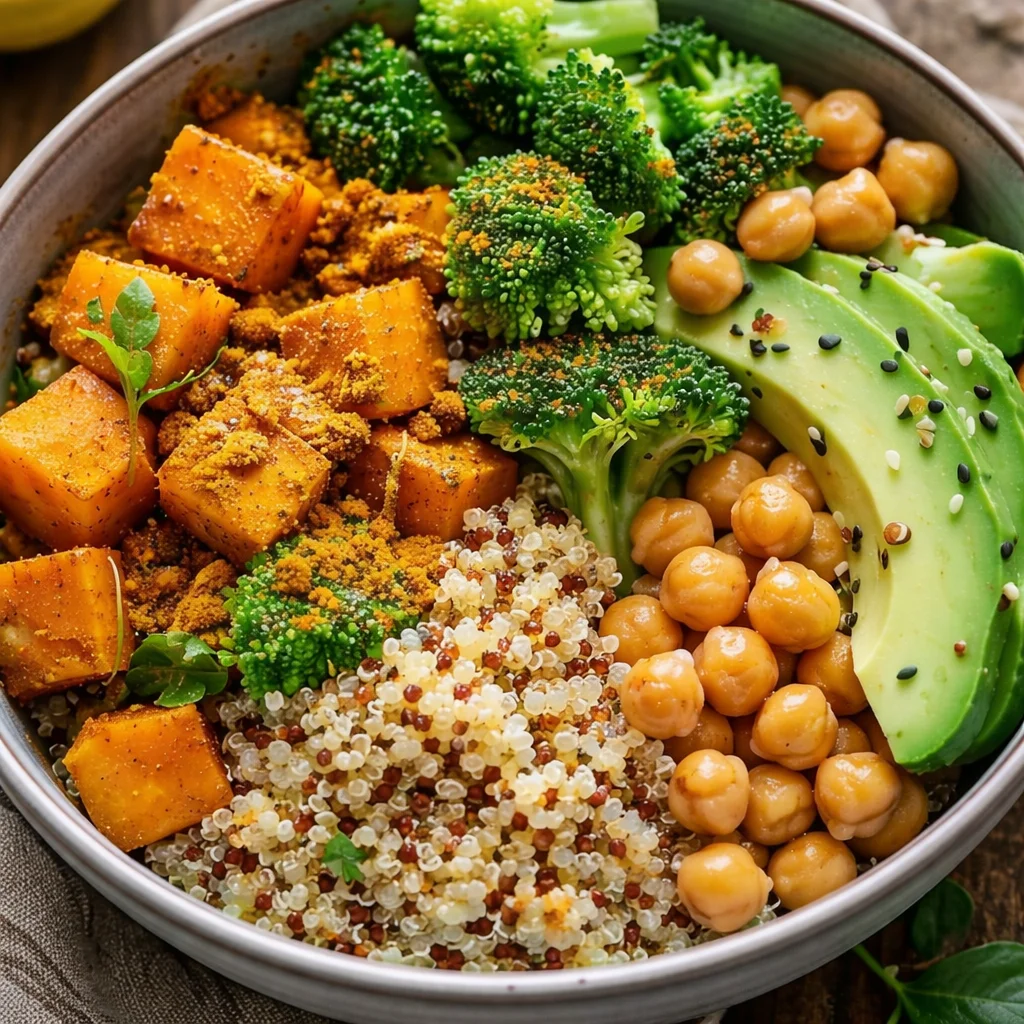
Meal prep can feel overwhelming when your days are busy and your digestion feels off, but what if a simple plan could keep you energized and bloat-free all week?
- Key Gut-Friendly Ingredients for Meal Prep (Fiber, Probiotics, Anti-Inflammatory Foods)
- Ingredient Substitutions (Gluten-Free, Dairy-Free, Low-FODMAP, Vegan Options)
- Step-by-Step Meal Prep Instructions for the Full 5-Day Plan
- Pro Meal Prep Tips to Keep Meals Fresh, Aesthetic, and Gut-Friendly
- Common Meal Prep Mistakes That Cause Bloating and Low Energy
- High-Protein, Vegan, and Low-Carb Variations of the Meal Prep Plan
- Quick 15–30 Minute Gut-Friendly Meal Prep Recipes for Busy Schedules
- How to Build Balanced Gut Health Meals for Energy and Digestion
- Storage, Containers, and Weekly Prep Tips for Maximum Freshness
- Nutritional Highlights: Fiber, Healthy Fats, Gut Microbiome Support
- Internal Linking: Related Gut Health Recipes, Anti-Inflammatory Meals, Meal Prep Guides
- Common Questions
- Wrap Up and Your Next Easy Week
- Gut Friendly Meal Prep Ideas
Key Gut-Friendly Ingredients for Meal Prep (Fiber, Probiotics, Anti-Inflammatory Foods)
When I say “gut healing,” I am not talking about a perfect diet or weird powders. I am talking about foods that tend to be gentle, satisfying, and supportive for digestion. The goal is steady energy, less snacky chaos, and meals that sit well.
Fiber helps keep things moving and feeds your good gut bacteria. I focus on easy fiber that does not feel like chewing cardboard.
Probiotics are the friendly bacteria found in fermented foods. You do not need a ton, just a little and consistent.
Anti-inflammatory foods are the ones that usually help people feel less “inflamed” overall, which can show up as bloating or low energy for a lot of us.
- Fiber staples: oats, chia seeds, ground flax, quinoa, brown rice, lentils (if tolerated), berries, leafy greens, carrots, zucchini
- Probiotic helpers: plain yogurt or kefir, sauerkraut, kimchi, miso (choose lower sugar options when possible)
- Anti-inflammatory go tos: olive oil, salmon or sardines, walnuts, turmeric, ginger, garlic, cinnamon
- Gentle flavor builders: lemon, fresh herbs, sea salt, cumin, smoked paprika
One personal note: if you are just starting, go easy on raw cruciferous veggies and giant bean portions. A little is fine for many people, but a huge bowl of raw broccoli is basically a trumpet solo in your stomach. I learned that the loud way.
Ingredient Substitutions (Gluten-Free, Dairy-Free, Low-FODMAP, Vegan Options)
The best plan is the one you can actually follow. So here are swaps I use depending on what my stomach is doing and what I have in the fridge.
Gluten-free: Use certified gluten-free oats. Pick quinoa, rice, or potatoes instead of wheat based grains. For sauces, double check soy sauce and choose tamari if needed.
Dairy-free: Swap yogurt or kefir with coconut yogurt that has live cultures. Use olive oil and lemon to make things creamy, or blend avocado into a dressing. If you want a cheesy vibe, nutritional yeast is great.
Low-FODMAP: Choose lactose-free yogurt or skip dairy. Go for rice, oats, quinoa, carrots, cucumbers, spinach, bell peppers, zucchini. Use garlic-infused olive oil instead of garlic. Keep onions out, or use the green tops of scallions. Beans and lentils can be tricky, so reduce portions or skip.
Vegan: Use tofu, tempeh, edamame, or a small portion of lentils if tolerated. Add hemp seeds or pumpkin seeds for extra protein. Use plant yogurt for probiotics.
The best part is, once you find your favorites, these swaps do not feel like a compromise at all. My current obsession is coconut yogurt with cinnamon and berries. It tastes like dessert but it behaves like breakfast.
Step-by-Step Meal Prep Instructions for the Full 5-Day Plan
This is the heart of my 5-Day Gut Healing Meal Prep Plan for Busy People (No Bloating, More Energy). The idea is to prep a few “base” items, then mix and match so you do not feel like you are eating the same meal on repeat.
What you will prep in about 90 minutes
Put on a playlist, grab containers, and do this in a calm order. I start with grains, then proteins, then veggies, then sauces.
- Cook: 2 cups quinoa or brown rice (about 6 cups cooked)
- Roast: 2 sheet pans of veggies (zucchini, carrots, bell pepper, spinach added later, or sweet potato if you love it)
- Protein option A: bake salmon or chicken (about 5 portions)
- Protein option B: bake tofu or tempeh (about 5 portions)
- Make 2 quick sauces: lemon olive oil herb dressing and ginger tahini sauce
- Prep breakfast: 5 jars of overnight oats or chia pudding
The 5 day meal map (simple and repeatable)
Breakfast (all 5 days): Overnight oats with chia, berries, and cinnamon. Add yogurt or coconut yogurt for probiotics.
Lunch (days 1 to 3): Quinoa bowl with roasted veggies, salmon or tofu, and lemon herb dressing. Add a spoon of sauerkraut on the side if your stomach likes it.
Lunch (days 4 to 5): Rice bowl with sautéed spinach, cucumber, carrots, and ginger tahini sauce. Add leftover protein.
Dinner (mix it up): A warm plate is usually easier on digestion at night. I do a simple protein, cooked veggies, and rice or potatoes. If you want something lighter, make a soup with miso broth and greens.
Snack (optional): A banana with peanut butter, a handful of walnuts, or a small yogurt with cinnamon.
This is not a rigid plan. It is a rhythm. And once you have the sauces, everything tastes like you actually tried, even if you are eating at your desk with 14 tabs open.
Pro Meal Prep Tips to Keep Meals Fresh, Aesthetic, and Gut-Friendly
I used to meal prep and then dread opening my fridge because everything looked sad and smelled like “Tuesday.” These small tricks changed everything.
Cool food before sealing. Trapping heat in containers makes things soggy and can mess with freshness.
Store sauces separately. This keeps bowls bright and not mushy.
Use a “fresh add-in” bag. I keep a container with lemon wedges, chopped herbs, and cucumber slices. Adding something fresh makes leftovers feel alive.
Choose cooked veggies over huge raw salads. Cooked veg is often easier on digestion and still gives you fiber.
Also, I try to make my lunches look good on purpose. Not for the internet, just for me. When your food looks nice, you slow down a little, and that alone can help with digestion.
Common Meal Prep Mistakes That Cause Bloating and Low Energy
If meal prep has betrayed you before, it might not be you. It might be the choices. Here are the biggest mistakes I see (and have done myself).
Too much raw fiber at once. A mega salad every day can backfire fast if your gut is sensitive.
Going heavy on sugar disguised as “healthy.” Granola bars, sweet yogurts, and sugary coffee drinks can spike energy then crash it.
Not enough protein. You end up hungry, snacky, and tired by mid afternoon.
Overdoing carbonated drinks. Even “clean” sparkling water can make some people bloat.
Repeating the same trigger foods daily. For you it might be onions, big bean servings, or certain protein powders.
The point of this 5-Day Gut Healing Meal Prep Plan for Busy People (No Bloating, More Energy) is to keep things steady and predictable, so your body can relax instead of guessing what is coming next.
High-Protein, Vegan, and Low-Carb Variations of the Meal Prep Plan
You can keep the structure and change the macros without breaking the whole plan.
High-protein: Add an extra egg at breakfast, increase chicken or salmon portions, or add Greek yogurt if you tolerate dairy. You can also stir collagen into oats if that works for you.
Vegan: Use tofu, tempeh, edamame, and hemp seeds. Add miso soup as a cozy dinner option. Pick coconut yogurt with live cultures.
Low-carb: Swap quinoa and rice for cauliflower rice or extra roasted veggies. Keep the protein the same. Use avocado and olive oil for satisfying healthy fats.
I like building a base plan once, then running a different “version” the next week so I do not get bored. That is how meal prep becomes a habit instead of a punishment.
Quick 15–30 Minute Gut-Friendly Meal Prep Recipes for Busy Schedules
Some weeks you do not have 90 minutes. I get it. Here are fast recipes that still fit the vibe.
1) Ginger egg rice bowl (15 minutes)
Microwave rice, scramble two eggs, add sautéed spinach, drizzle ginger tahini sauce. Top with sesame seeds.
2) Yogurt berry bowl (5 minutes)
Plain yogurt or coconut yogurt, berries, chia, cinnamon, walnuts. That is it.
3) Miso veggie soup (20 minutes)
Warm water or broth, dissolve miso off the heat, add tofu cubes and greens. Simple and soothing.
4) Tuna or salmon cucumber cups (10 minutes)
Mix canned fish with olive oil and lemon. Scoop with cucumber slices. Very desk friendly.
These are my quick go-to meals when time is tight, and they still support the goal of staying light and energized.
How to Build Balanced Gut Health Meals for Energy and Digestion
When people ask me what to eat for gut health, I keep it simple. Most meals should have:
Protein to keep you full and stable. Think eggs, chicken, fish, tofu, tempeh.
Cooked plants for fiber that is easier to handle. Roasted or sautéed veggies are your friend.
Healthy fats like olive oil, avocado, nuts, and seeds. They help meals feel satisfying.
A little fermented food if you tolerate it, like yogurt, kefir, sauerkraut, or miso.
I also try to eat slower than I want to. I know, annoying advice. But when I inhale lunch, I feel it later. Even five extra minutes makes a difference.
Storage, Containers, and Weekly Prep Tips for Maximum Freshness
Meal prep goes from “nice idea” to “this actually works” when storage is easy.
Containers: Glass containers help with smell and staining, but any BPA-free container is fine. I like having a few small containers for sauces and toppings.
Fridge timing: Eat seafood meals earlier in the week, like days 1 to 3. Use tofu, chicken, or plant meals later in the week.
Freeze extras: If you cooked too much rice or quinoa, freeze one or two portions right away so they do not get tired by day 5.
Label if you need to: A tiny piece of tape with “Mon” or “Wed” saves decision fatigue.
I keep one “emergency” item too, like a can of soup I trust or a frozen meal that does not upset my stomach. It keeps me from ordering something random when I am stressed.
Nutritional Highlights: Fiber, Healthy Fats, Gut Microbiome Support
This plan is not about counting every gram. It is about building meals that naturally support digestion and energy.
Fiber: Oats, chia, berries, quinoa, and cooked veggies give you consistent fiber without going overboard.
Healthy fats: Olive oil, tahini, walnuts, and salmon support steady energy and help meals feel satisfying.
Gut microbiome support: Fermented foods like yogurt, kefir, sauerkraut, and miso can add beneficial bacteria. Prebiotic fibers from oats and plants help feed those bacteria.
If you are new to fermented foods, start small. Like one spoon of sauerkraut, not half the jar. Your gut will tell you what is “enough” pretty quickly.
Internal Linking: Related Gut Health Recipes, Anti-Inflammatory Meals, Meal Prep Guides
If you are building a gut friendly routine, here are a few helpful next reads you can add to your list:
Related gut health recipes: simple miso soup with tofu and greens, chia pudding variations, lemon herb quinoa bowls
Anti-inflammatory meals: turmeric ginger chicken and rice, salmon with roasted sweet potato and spinach, cucumber avocado bowls
Meal prep guides: how to prep sauces that do not separate, how to freeze grains the right way, how to rotate proteins so you do not get bored
I like to think of this as building your own simple go-to system. Once you have 10 meals you trust, busy weeks feel way less dramatic.
Common Questions
1) Can I really eat the same prepped food for 5 days?
Yes, with smart storage. Keep sauces separate, eat seafood earlier in the week, and use your freezer for one or two portions if needed.
2) What if probiotics like yogurt or sauerkraut make me gassy?
Start with tiny amounts or skip them for now. You can still support your gut with cooked veggies, oats, and simple proteins.
3) Is this 5-Day Gut Healing Meal Prep Plan for Busy People (No Bloating, More Energy) good for weight loss?
It can support weight goals because it is balanced and helps reduce random snacking, but the main focus is digestion and steady energy.
4) How do I keep overnight oats from getting weird?
Do not overdo chia at first, and add crunchy toppings like walnuts right before eating. If it gets too thick, add a splash of milk in the morning.
5) What is the easiest dinner if I am exhausted?
Miso soup with tofu and greens, or a warm rice bowl with eggs and spinach. Warm and simple usually feels best at night.
Wrap Up and Your Next Easy Week
If your days are packed and your stomach has been feeling loud, this plan is a calm reset. The whole point is to prep a few gut friendly basics, mix and match all week, and keep your meals steady so your energy stops bouncing around. Try the 5-Day Gut Healing Meal Prep Plan for Busy People (No Bloating, More Energy) once, then tweak it to fit your own triggers and cravings. You do not need perfection, just a plan you will actually eat. Let me know what you swap in, because I am always looking for new bowl ideas.
Gut Friendly Meal Prep Ideas
Ingredients
Method
- Cook 2 cups of quinoa or brown rice according to package instructions, yielding about 6 cups cooked.
- Roast 2 sheet pans of vegetables such as zucchini, carrots, and bell peppers.
- Bake protein options: Either salmon or chicken and tofu or tempeh for about 5 servings.
- Prepare 2 quick sauces: lemon olive oil herb dressing and ginger tahini sauce.
- Prepare breakfast with 5 jars of overnight oats or chia pudding, add yogurt or coconut yogurt for probiotics.