
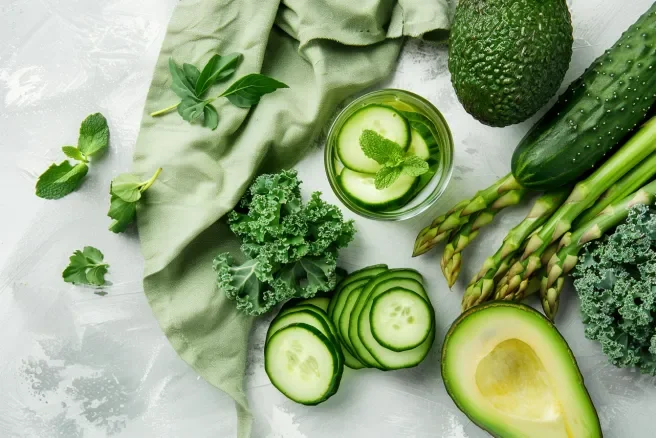
Greens are the ultimate foundation for anyone struggling with a heavy, reactive, or sluggish digestive system. If you find yourself unbuttoning your pants after every meal or dealing with that “balloon” feeling in your stomach, you are likely missing out on the specific fibers and minerals that regulate the gut. I spent years feeling slow and inflamed before realizing that my microbiome was essentially starving for variety. Integrating the right green foods doesn’t have to be a chore or a tasteless diet, it is about choosing the specific plants that feed good bacteria while reducing systemic inflammation. Once you understand how to prep these foods so they don’t cause more gas, you can finally start healing your gut barrier from the inside out.
The Science of Chlorophyll: How Green Foods Detoxify Your Gut
Let us keep this simple. Chlorophyll is the pigment that makes plants green, and it is often linked with gentle detox support. What that means in real life is greens can help your body move things along, especially when your diet has been heavy on ultra processed stuff, sugary snacks, or takeout.
Many green foods also come with fiber, water, and natural plant compounds that support your gut lining and regular bathroom trips. When I am consistent, I notice less of that puffy balloon feeling by the end of the day. Not because greens are magic, but because they help my digestion stay on track.
Why Your Microbiome Craves Leafy Greens for Diversity
Your gut microbiome is basically a whole community of bacteria living in you, and they are picky eaters. When you eat the same foods over and over, your gut bugs can get kind of bored. Leafy greens bring different fibers and polyphenols that help support a wider range of helpful bacteria.
I like to think of it like this. When my plate has a few shades of green, my gut feels more stable. If you want a bigger list of supportive foods beyond greens, I keep a tab open on this guide and pull ideas from it all the time: 15 best foods for gut health and digestion.
Common Symptoms of a “Green-Deficient” Diet and Poor Digestion
I am not here to diagnose anyone, but I can tell you what happened to me when I was barely eating greens. I felt slow, snacky, and kind of inflamed. It showed up in my stomach first.
Some common signs you might need more Green Foods for Gut Health in your routine:
- Bloating that gets worse as the day goes on
- Constipation or irregular bathroom trips
- Feeling heavy after meals, even normal sized meals
- More gas than usual
- Cravings for sugary or salty snacks all day
Again, this is just everyday experience. If symptoms are intense or persistent, it is always smart to check with a healthcare professional.
Top 10 Green Superfoods for Optimal Gut Barrier Integrity
This is my personal top 10 list. These are foods I actually buy and eat, not fantasy foods that require a special trip to a specialty store.
My 10 best green foods for a calmer belly:
1) Spinach: Soft, easy to cook, and gentle for many people. I toss it into eggs or soups.
2) Kale: Great when cooked. Raw kale can be a lot, but sautéed kale is a different story.
3) Cucumber: Hydrating and simple. I add it to salads when my stomach feels touchy.
4) Zucchini: One of my favorite “easy digest” vegetables, especially roasted.
5) Asparagus: A prebiotic superstar, which means it feeds good gut bacteria.
6) Artichoke: Another prebiotic favorite. Canned or jarred works fine.
7) Avocado: Fiber plus healthy fats. I use it to make meals feel satisfying.
8) Green beans: Simple, cozy, and very underrated for digestion.
9) Broccoli sprouts: Tiny but powerful, especially for gut support.
10) Fresh herbs like parsley and cilantro: Small additions that make meals feel bright and support digestion in a gentle way.
If you want to turn these into easy meals quickly, I also love pulling ideas from this recipe roundup: gut healthy recipes for better digestion tonight.
The Power of Sulforaphane: How Broccoli Sprouts Heal the Gut
Broccoli sprouts deserve their own moment. They contain sulforaphane, a plant compound that researchers have linked with antioxidant activity and inflammation balance. In normal people terms, they can be a nice add on when your gut feels reactive and you want to support healing from the food side.
I like broccoli sprouts in a sandwich, on scrambled eggs, or tossed on top of a warm bowl right before eating. I keep the portion small at first, like a small handful, then build up if my stomach feels good.
Prebiotic Fibers: Why Asparagus and Artichokes are Microbiome Fuel
If I had to pick two foods that make my gut feel like it got a helpful reset, it would be asparagus and artichokes. They are rich in prebiotic fibers, which basically means they feed the good microbes already living in you.
My favorite lazy way to eat them is roasted asparagus with olive oil and salt, and artichoke hearts mixed into rice or pasta. If you are sensitive, start with small portions. Too much prebiotic fiber too fast can backfire and make you gassy at first.
Magnesium and Digestion: The Secret Mineral in Dark Leafy Greens
Dark leafy greens like spinach and Swiss chard have magnesium, and magnesium matters for digestion because it supports muscle function, including the muscles involved in moving food through your gut. When I am low on greens, I notice I feel more sluggish and backed up.
I am not saying greens replace medical care or supplements if you need them. But adding cooked spinach to dinner a few times a week is one of the easiest food habits I have ever kept. It is cheap, fast, and my stomach thanks me for it.
Causes of Bloating: Why Raw Greens Might Trigger Distress (and How to Fix It)
Here is the part nobody talks about. Sometimes raw greens can make bloating worse, especially if you already have a sensitive gut. Raw kale salads, giant spinach bowls, or too much broccoli at once can leave you feeling like you swallowed a beach ball.
What helps most people is adjusting texture and portion size:
Fixes that actually work for me:
1) Go cooked first. Steam or sauté greens until soft.
2) Keep portions smaller. A side of greens is great, a huge mixing bowl might not be.
3) Chew more than you think you need to. It sounds silly, but it helps.
4) Add fat and salt. A little olive oil and salt makes greens easier to enjoy and helps you feel satisfied.
5) Watch what you pair them with. A raw salad plus beans plus sparkling water can be a recipe for bloat city.
Cooking vs. Raw: The Best Preparation Methods for Sensitive Guts
If your goal is Green Foods for Gut Health without the discomfort, cooking is your best friend. Cooking breaks down tough fibers and can make greens feel gentler.
My favorite gut friendly prep methods:
Sauté: Spinach, chard, kale with olive oil and garlic.
Steam: Broccoli, green beans, asparagus. Soft but still fresh.
Roast: Zucchini, asparagus, broccoli. Sweet and cozy.
Blend: If you do smoothies, keep them simple and not ice cold. Cold drinks can bother some people.
Also, give yourself permission to choose the easiest version. Frozen spinach counts. Pre chopped greens count. Your gut does not care if you took a pretty photo first.
Alkalizing Your System: Reducing Gut Inflammation with Green Phyto-nutrients
You have probably seen the word alkalizing plastered all over health blogs, but let’s be real, your body handles its own pH levels just fine. The real value of greens isn’t about changing your blood chemistry, it is about the phytonutrients that soothe inflammation in the digestive tract. When I consistently eat these foods, that “burning” or heavy sensation after meals starts to fade, replaced by a much steadier sense of energy.
When I lean into greens, I notice less burning, less heaviness, and fewer random cravings. It is not dramatic. It is just steady. Think of greens as daily maintenance, like taking your body out for a slow walk.
11. Liquid Chlorophyll vs. Whole Foods: Which is Better for Your Microbiome?
I’ll admit I fell for the liquid chlorophyll trend because it felt like an easy shortcut. While it isn’t useless, your gut bacteria actually prefer the whole food version because it provides the fiber and structure they need to thrive. Supplements can be a nice “extra,” but they can’t replace the mechanical and nutritional work that real, fibrous greens do for your intestinal lining.
If you love liquid chlorophyll and it agrees with you, fine. Just do not let it replace eating real greens. I treat it like an optional extra, not the main event.
Prevention Strategy: Building a Strong Gut Defense with Daily Greens
The biggest change for me was not doing a green cleanse. It was building a boring, repeatable habit. A handful of spinach here, some roasted asparagus there, avocado on toast instead of nothing.
And I also try to avoid the stuff that makes bloating worse in the first place, especially when my digestion is already fragile. If you want a clear list of common offenders, this is worth a read: worst foods for gut health to avoid.
Practical Daily Routine: A 3-Step Plan to Increase Your Green Intake
This is my realistic plan. No perfection required, just consistency.
Step 1: Pick one green for breakfast or lunch
Add spinach to eggs, blend a small handful into a smoothie, or do cucumber and avocado on a wrap.
Step 2: Make dinner greens automatic
Choose one cooked green every evening. Frozen green beans, sautéed kale, roasted zucchini, anything.
Step 3: Add a green topper
Sprinkle herbs, add broccoli sprouts, or toss on sliced cucumber. Small upgrades add up.
Do that for a week and you will likely notice your belly looks and feels less angry. That is been my experience, especially when I stick with Green Foods for Gut Health even on busy days.
Internal Linking: Integrating Green Foods into Your Cortisol-Reducing Diet
When I am stressed, my gut gets dramatic. That is why I like meals that feel calming and anti inflammatory, not just “healthy.” Greens fit perfectly into that vibe, especially with olive oil, salmon, chicken, rice, or soups.
If you want more ideas that support both gut comfort and energy, check out this list: anti-inflammatory foods for gut health and energy.
Common Questions
How fast can greens reduce bloating?
If constipation is part of your bloating, you might notice improvement in a few days with more cooked greens and water. If your bloating is stress or sensitivity related, it can take longer. I usually see the best results after 1 to 2 weeks of consistency.
Are smoothies a good way to get more greens?
Yes, especially if you start small. Use a handful of spinach instead of a mountain of kale, and do not make it freezing cold if cold drinks bother your stomach.
What if raw salads always make me bloated?
Go cooked for a while. Try sautéed spinach, roasted zucchini, or steamed green beans. You can come back to raw later, or keep it small and mixed with softer ingredients.
Do I need to buy organic greens?
If you can, great, but it is not required. The bigger win is eating greens regularly. Wash them well and buy what fits your budget.
Can I overdo green foods?
You can overdo fiber if you increase it too fast. If you suddenly jump into huge salads and tons of cruciferous veggies, expect gas. Build up slowly and focus on cooked greens first.
A Simple Green Habit That Actually Sticks
If you take one thing from this post, let it be this: small daily servings of Green Foods for Gut Health can make a real difference over time, especially when you choose cooked options and keep portions realistic. Keep a few go to greens in your fridge and freezer so it is easy. And if you want to nerd out a bit more on why leafy greens support your gut ecosystem, this resource is a good read: Gut Bacteria and Leafy Greens. Try adding one green food today, then repeat tomorrow, and pretty soon your “normal” will feel a lot less bloated and a lot more comfortable.