
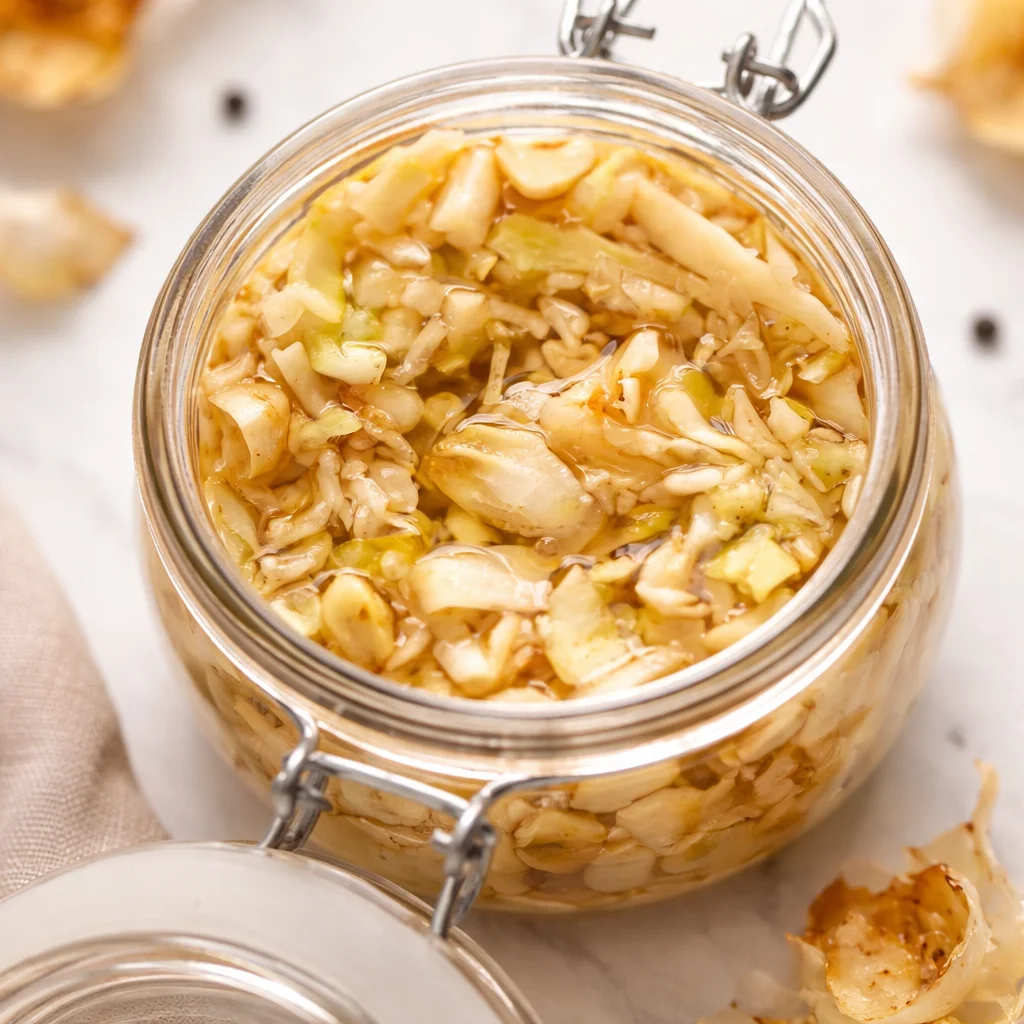
Fermented Vegetables for Gut Health might sound like something complicated, but have you ever wondered why people keep jars of tangy cabbage, carrots, or pickles in their fridge? Many people start exploring fermented foods because digestion feels a little off or bloating keeps showing up after meals. The good news is that fermenting vegetables at home is surprisingly simple. With just fresh vegetables, salt, and a little patience, you can create probiotic rich foods that support digestion and add bold flavor to everyday meals. Once you try your first jar, those crunchy, sour bites quickly become a regular part of a gut friendly routine.
- Key Ingredients for Homemade Fermented Vegetables and Their Gut Health Benefits
- Essential Tools for Fermenting Vegetables at Home (Mason Jars, Weights, and Brine Basics)
- How to Ferment Vegetables at Home: Step-by-Step Beginner Method
- 5 Easy Fermented Vegetable Recipes for Beginners (Probiotic Veggie Ideas)
- Best Vegetables for Fermentation and How to Choose Fresh Ingredients
- Ingredient Substitutions and Diet Adaptations (Vegan, Gluten-Free, Low-FODMAP)
- Pro Tips for Perfect Fermented Vegetables Every Time
- Common Fermentation Mistakes Beginners Should Avoid
- Creative Fermented Vegetable Variations (Spicy, Garlic, Ginger, and Herb Infusions)
- Serving Ideas: How to Add Fermented Vegetables to Everyday Meals
- Storage, Fermentation Time, and Meal Prep Tips for Homemade Fermented Veggies
- Nutrition Highlights of Fermented Vegetables (Probiotics, Fiber, Gut Health Benefits)
- Common Questions
- A Friendly Nudge to Start Your First Jar
- Fermented Vegetables
Key Ingredients for Homemade Fermented Vegetables and Their Gut Health Benefits
One surprising thing about fermented vegetables is how simple the ingredient list actually is. You do not need fancy powders or starter cultures for most vegetable ferments. You need good produce, salt, and time. That is it.
Here is what I reach for again and again:
- Fresh vegetables like cabbage, carrots, cucumbers, radishes, and green beans
- Salt (non iodized is best because it is more reliable for fermentation)
- Water (filtered if your tap water is heavily chlorinated)
- Aromatics like garlic, ginger, scallions, and fresh herbs
- Spices like mustard seed, peppercorns, and chili flakes
On the gut health side, fermented vegetables can support a healthy microbiome because they naturally develop beneficial bacteria during the ferment. You also keep the fiber from the vegetables, which helps feed the beneficial bacteria in your gut. I am not making medical claims here, but I can say from personal experience that a spoonful of fermented veggies with meals tends to make me feel lighter and less bloated.
If you want more meal ideas that pair well with ferments, I keep bookmarking recipes from gut-friendly recipes when I am planning my week.
Essential Tools for Fermenting Vegetables at Home (Mason Jars, Weights, and Brine Basics)
You can absolutely ferment vegetables without buying a ton of gear, but a couple simple tools make it easier and less messy. My first attempt used a random jar and a zip top bag filled with water as a weight. It worked, but I upgraded pretty quickly.
What you will want:
- Mason jars or any clean glass jar with a lid
- Fermentation weights (glass or ceramic) to keep veggies under the brine
- A small tamper or wooden spoon for packing veggies down
- A bowl to catch drips if the jar bubbles over
About brine basics: for crunchy fermented veggies, I usually use a simple salt water brine. A common, easy ratio is about 2 percent salt by weight, but you can also do the quick method of 1 tablespoon salt per 2 cups water. It is not exact science in my kitchen, but I try to keep the ratios consistent so I can improve the next batch.
One more thing that matters: keep everything clean. It does not need to be sterile like a lab, just washed well. That small habit prevents a lot of beginner frustration.
How to Ferment Vegetables at Home: Step-by-Step Beginner Method
If you have never fermented anything before, this is the simple flow I follow. It is basically the same method behind a lot of Ten Easy Fermented Vegetable Recipes, just with different vegetables and flavor add ins.
My beginner friendly process
1) Wash and chop your vegetables. Cut them into shapes you will actually enjoy eating. I like thin carrot sticks and chunky cucumber spears.
2) Make your brine. Dissolve salt in water. Let it cool to room temperature if you used warm water to dissolve faster.
3) Add flavor. Put garlic, herbs, spices, or ginger in the jar first so the flavor spreads through everything.
4) Pack the veggies. Pack them tightly so there are fewer air gaps.
5) Pour brine to cover. The vegetables must stay under the liquid.
6) Weigh it down. Use a weight or a small clean jar that fits inside. The goal is no floating bits.
7) Loosely cover. If you use a regular lid, do not crank it down too tight at first. Fermentation makes gas. You can burp the jar daily if needed.
8) Wait and taste. Start tasting around day 3. When it tastes tangy and pleasant, move it to the fridge.
5 Easy Fermented Vegetable Recipes for Beginners (Probiotic Veggie Ideas)
This is the part most people actually want, right? These are the jars I usually recommend when friends ask where to begin. They are forgiving, tasty, and they make you feel like you know what you are doing even if it is your first week.
1) Classic garlicky sauerkraut
Shred cabbage, massage with salt until it gets juicy, then pack it down hard. Add sliced garlic if you love a strong bite. It is tangy, crunchy, and basically the gateway ferment.
2) Carrot ginger sticks
Cut carrots into sticks, add a few coins of fresh ginger, and cover with brine. This one is bright and a little zippy, and it wakes up boring lunches fast.
3) Dill cucumber pickles
Use small cucumbers if you can. Add dill, garlic, and peppercorns. Keep them cold after fermenting for the best crunch.
4) Spicy fermented radishes
Slice radishes, add chili flakes and a clove of garlic, then brine. The radishes mellow out and get almost fruity, which surprised me in a good way.
5) Green beans with garlic and lemon peel
Trim green beans, pack them upright in the jar, add garlic and a strip of lemon peel. They stay snappy and are amazing next to roasted chicken or a veggie bowl.
These are the simple fermented vegetable recipes I wish someone had handed me when I first started. Simple, reliable, and actually delicious.
Best Vegetables for Fermentation and How to Choose Fresh Ingredients
Freshness matters more in fermentation than in many other types of cooking. When vegetables are tired and bendy, the texture usually does not magically improve after fermenting. I look for produce that feels heavy for its size and has that clean, crisp snap.
My favorite vegetables for fermentation:
Cabbage for kraut, carrots for sticks, cucumbers for pickles, cauliflower for florets, beets for color and sweetness, and radishes for quick tang.
Quick shopping tips:
Pick firm cucumbers with tight skin. Choose cabbage with heavy, compact heads. Avoid carrots that feel rubbery. If you can, buy from a farmers market or a store with high turnover so the veggies are not sitting around forever.
Ingredient Substitutions and Diet Adaptations (Vegan, Gluten-Free, Low-FODMAP)
This is one of the nicest things about fermenting vegetables at home. It is naturally flexible and usually fits a lot of diets without extra work.
Vegan: Most fermented veggies are vegan by default. Just avoid adding honey if you are playing with sweet additions.
Gluten-free: Again, most are gluten-free. Just check spice mixes if you use blends.
Low-FODMAP: This is where you may want to be more careful. Garlic and onion can be tough for some people. You can swap garlic for garlic infused olive oil after fermentation when serving, or use chives and ginger for flavor. Also keep portions small and see how you feel, because tolerance varies a lot.
If you are building meals around digestive comfort, browsing gut-friendly recipes can give you simple pairing ideas that do not feel like diet food.
Pro Tips for Perfect Fermented Vegetables Every Time
I learned these the slightly annoying way, by having a jar go soft or a batch taste kind of dull. Here is what helps the most.
Keep vegetables under brine. This is the big one. Floating bits are where trouble starts.
Use the right salt. Non iodized salt is more predictable.
Start small. A quart jar is plenty for a first batch.
Taste as you go. Your kitchen is not my kitchen. Temperature changes everything, so tasting is how you learn your rhythm.
Do not panic about bubbles. Bubbles are a good sign. It means fermentation is happening.
Common Fermentation Mistakes Beginners Should Avoid
If you have ever opened a jar and thought, I do not know if this is safe, you are not alone. Here are the most common issues I see, and what usually fixes them.
Mistake 1: Too much headspace. Air invites mold. Pack the jar and keep the brine high enough.
Mistake 2: Not enough salt. Low salt can lead to mushy veggies and off smells. Stick to a consistent brine.
Mistake 3: Using hot water. If the brine is hot, it can slow or mess with the fermentation. Cool it down first.
Mistake 4: Leaving it in direct sun. A counter is fine, but keep it out of sunlight and away from heat sources.
Mistake 5: Tossing a good ferment too early. Some batches smell a little funky at first. If it smells rotten, slimy, or has fuzzy mold, toss it. If it just smells strong and sour, give it a taste test.
Creative Fermented Vegetable Variations (Spicy, Garlic, Ginger, and Herb Infusions)
After making a few jars, most people start experimenting with different flavors. This is where making fermented vegetables at home becomes really enjoyable, because the same basic method can taste totally different with a few add ins.
My favorite flavor twists:
Spicy: jalapeno slices, chili flakes, or a pinch of cayenne.
Garlic lovers: crushed garlic plus black peppercorns for a deeper flavor.
Ginger: especially good with carrots, beets, and cabbage.
Herby: dill for cucumbers, rosemary for cauliflower, thyme for carrots.
Warm spices: mustard seed and coriander make things taste deli style.
If you want more ways to use these flavors in real meals, I often pull inspiration from gut-friendly recipes so the jar does not just sit in the back of the fridge.
Serving Ideas: How to Add Fermented Vegetables to Everyday Meals
This is where fermented veggies really earn their spot. They add crunch, tang, and a salty pop that makes plain food taste finished. You do not need much. A couple forkfuls is usually enough.
- Top avocado toast with a small pile of sauerkraut
- Add carrot ginger sticks to rice bowls or noodle bowls
- Serve dill pickles next to eggs for an easy breakfast plate
- Use fermented radishes on tacos instead of raw onion
- Add a spoonful to salads right before eating
One tip: I try not to cook fermented vegetables, because heat can reduce the live cultures. I just add them at the end.
Storage, Fermentation Time, and Meal Prep Tips for Homemade Fermented Veggies
Fermentation time depends mostly on temperature and how sour you like things. In a warm kitchen, you might like the flavor at day 3 or 4. In a cooler kitchen, it might take closer to a week.
My usual routine:
Ferment on the counter for 3 to 7 days, tasting along the way. Then move the jar to the fridge. Cold storage slows everything down, so the flavor stays steady.
Meal prep tip that actually works: start two jars on the same day. One classic, one fun flavor. That way you do not get bored and you are more likely to keep eating them.
And yes, the jar can keep for a long time in the fridge if it smells and tastes right. If anything seems slimy, rotten, or has fuzzy mold, do not try to save it.
Nutrition Highlights of Fermented Vegetables (Probiotics, Fiber, Gut Health Benefits)
Fermented vegetables bring a lot to the table without being complicated. You get fiber from the vegetables, and depending on how you store and serve them, you also get live cultures created during fermentation. Many people eat fermented foods to support gut health, and it is a traditional way of preserving food that has been around for ages.
I also like that this habit naturally makes me eat more vegetables, because they taste exciting. Even a basic bowl of rice and chicken feels special with a crunchy, tangy topping.
If you are working through Ten Easy Fermented Vegetable Recipes, you will probably notice something else: once you have a jar in the fridge, you snack differently. You start craving that bright bite instead of something sugary.
Common Questions
How do I know if my ferment is safe to eat?
Look for a clean, sour smell and a pleasant tangy taste. White sediment is normal. Fuzzy mold, a rotten smell, or sliminess are signs to toss it.
Why did my vegetables turn soft?
Usually it is too little salt, too warm of a room, or the vegetables were not super fresh. Try a slightly stronger brine and keep the jar out of warm spots.
Do I need a special fermentation lid?
No. It helps, but it is not required. A normal lid works if you burp the jar and keep everything under brine.
How long should I ferment before refrigerating?
Most veggie ferments taste good somewhere between 3 and 7 days. Start tasting early and refrigerate when you like the flavor.
Can I reuse brine from an old batch?
You can, but I prefer making fresh brine for consistency. If you reuse brine, make sure it smells clean and sour, not off.
A Friendly Nudge to Start Your First Jar
Adding Fermented Vegetables for Gut Health to your routine does not require complicated recipes or special equipment. A simple jar of cabbage, carrots, or cucumbers can bring natural probiotics, fiber, and bright flavor to everyday meals. Over time, many people notice that these small additions help support digestion and make meals feel more satisfying. Start with one easy jar, taste as it develops, and experiment with flavors you enjoy. Before long, fermented vegetables become more than a side dish. They turn into a simple habit that supports a healthier gut and a more balanced way of eating.
Fermented Vegetables
Ingredients
Method
- Wash and chop your vegetables into enjoyable shapes.
- Make your brine by dissolving salt in water and letting it cool.
- Add flavorings (garlic, herbs, spices, ginger) into the jar.
- Pack the chopped veggies tightly in the jar.
- Pour the brine over the vegetables to keep them submerged.
- Weigh it down using a fermentation weight to prevent floating.
- Loosely cover the jar to allow gas release during fermentation.
- Let sit at room temperature and taste starting on day 3.