
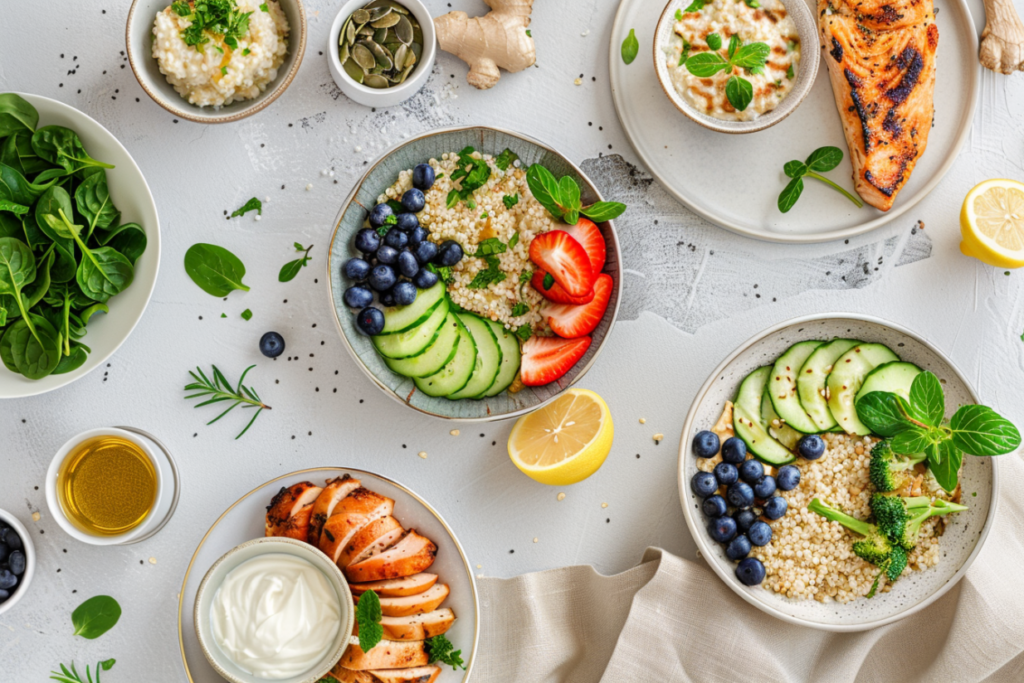
This 7-day meal plan for bloating is built to help reduce digestive discomfort with simple, gut-friendly foods. Bloating is one of the most common digestive issues, and it often happens when certain foods irritate the gut or slow digestion. By focusing on easy-to-digest meals, balanced portions, and ingredients that support the gut microbiome, this plan can help calm your stomach and make daily eating feel more comfortable. Whether you deal with occasional bloating or frequent digestive discomfort, these simple meals are designed to help you feel lighter and more balanced throughout the week.
- Why a 7-Day Meal Plan for Bloating Can Help
- Why Bloating Happens: Gut Science, Gas Production, and Digestive Imbalance
- The Role of the Gut Microbiome in Bloating and Digestive Comfort
- Common Causes of Bloating (Food Intolerances, Gut Inflammation, Poor Digestion)
- Symptoms That Often Accompany Chronic Bloating and Digestive Issues
- Key Nutrition Principles Behind an Effective Anti-Bloating Meal Plan
- Foods to Eat on an Anti-Bloating Meal Plan for Better Digestion
- Anti-Inflammatory Foods That Support the Gut and Reduce Digestive Inflammation
- Probiotic and Fermented Foods That Improve Gut Microbiome Balance
- Foods That Often Trigger Bloating and Should Be Limited or Avoided
- 7-Day Meal Plan to Reduce Bloating Naturally (Breakfast, Lunch, Dinner Ideas)
- Simple Gut-Friendly Snacks That Support Digestion Between Meals
- Eating Habits That Help Prevent Bloating and Improve Gut Function
- A Simple Daily Routine to Support Digestion and Reduce Bloating
- Related Gut Health Guides (Internal Links: What to Eat When Bloated, Gut-Healing Foods for Bloating, Best Drinks for Bloating Relief)
- Common Questions
- Give This Anti-Bloat Plan a Try!
Why a 7-Day Meal Plan for Bloating Can Help
A 7-day meal plan for bloating focuses on simple, easy-to-digest foods like oats, rice, bananas, yogurt, cooked vegetables, and lean protein. It helps reduce common triggers such as carbonated drinks, processed foods, and heavy meals while supporting better digestion and gut comfort throughout the week.
The foods you eat each day can either calm your digestion or make bloating worse. A good anti-bloating meal plan focuses on simple, easy-to-digest foods and a steady eating routine. Here are the basics:
- Choose mostly whole, minimally processed foods
- Include gentle staples like rice, oats, bananas, and cooked vegetables
- Limit common trigger foods that cause gas or water retention
- Space meals evenly to avoid overloading your digestive system
Consistency matters. Even small changes can help your stomach feel more settled over time.
Why Bloating Happens: Gut Science, Gas Production, and Digestive Imbalance
Bloating often happens when gas builds up in the digestive tract or when food moves too slowly through the gut. Common causes include swallowing air, fermentation from certain foods, and sluggish digestion. In some cases, stress or food intolerance can make symptoms feel worse.
The Role of the Gut Microbiome in Bloating and Digestive Comfort
Your gut microbiome plays a major role in digestion. These beneficial microbes help break down food, support regular bowel movements, and influence how much gas your body produces. When the microbiome is out of balance, bloating and digestive discomfort can become more common.
Common Causes of Bloating (Food Intolerances, Gut Inflammation, Poor Digestion)
Sometimes bloating is linked to specific foods rather than the amount you eat. Common triggers include dairy for people who are lactose-sensitive, heavily fried meals, large portions, and foods that irritate the gut. Stress can also affect digestion and make bloating feel worse.
Symptoms That Often Accompany Chronic Bloating and Digestive Issues
Bloating may come with other digestive symptoms too. You might notice cramping, stomach rumbling, burping, heartburn, or a heavy, sluggish feeling after meals. When these symptoms happen often, it may be a sign that your digestion needs more support.
Key Nutrition Principles Behind an Effective Anti-Bloating Meal Plan
A balanced anti-bloating meal plan should be simple and realistic. Focus on whole foods, add fiber gradually, and drink enough water throughout the day. You do not need a perfect diet. What matters most is choosing foods your body tolerates well and staying consistent.
Foods to Eat on an Anti-Bloating Meal Plan for Better Digestion
Some of the best foods for bloating are simple, plain, and easy to digest. Good options include bananas, kiwis, cucumbers, plain yogurt, kefir, rice cakes, zucchini, and lightly cooked greens. These foods are often easier on the stomach and can fit into everyday meals without much effort.
Anti-Inflammatory Foods That Support the Gut and Reduce Digestive Inflammation
Anti-inflammatory foods may also help support digestion. Berries, extra-virgin olive oil, ginger, and turmeric are simple additions that can fit into meals and snacks. They will not solve every digestive issue, but they can support a more balanced, gut-friendly eating pattern.
Probiotic and Fermented Foods That Improve Gut Microbiome Balance
Fermented foods can help support a healthier gut environment. Good examples include sauerkraut, kimchi, miso, kefir, and plain Greek yogurt. Start with small portions and choose options without a lot of added sugar, especially if your digestion is sensitive.
Foods That Often Trigger Bloating and Should Be Limited or Avoided
Some foods are more likely to trigger bloating, especially in large amounts. Common examples include beans, lentils, carbonated drinks, heavily salted packaged foods, artificial sweeteners, and cruciferous vegetables like broccoli or cauliflower. Tolerance varies from person to person, so it helps to notice your own patterns.
7-Day Meal Plan to Reduce Bloating Naturally (Breakfast, Lunch, Dinner Ideas)
Here is a simple 7-day meal plan for bloating built around gentle, easy-to-digest foods.
Day 1
Breakfast: Rolled oats with banana and chia seeds
Lunch: Grilled chicken with brown rice and steamed zucchini
Dinner: Baked salmon with spinach and roasted carrots
Snack: Plain kefir or a small handful of berries
Day 2
Breakfast: Plain Greek yogurt with blueberries and flaxseed
Lunch: Turkey and cucumber rice bowl with olive oil
Dinner: Baked cod with mashed sweet potato and cooked green beans
Snack: Rice cakes with almond butter
Day 3
Breakfast: Scrambled eggs with cooked spinach and toast
Lunch: Chicken soup with rice and soft vegetables
Dinner: Grilled chicken with quinoa and roasted zucchini
Snack: Kiwi or plain yogurt
Day 4
Breakfast: Overnight oats with banana and cinnamon
Lunch: Salmon with white rice and cucumber slices
Dinner: Turkey meatballs with roasted carrots and spinach
Snack: A few walnuts and berries
Day 5
Breakfast: Smoothie with kefir, blueberries, and ginger
Lunch: Egg salad with rice crackers and cucumber
Dinner: Baked chicken with sweet potato and sautéed zucchini
Snack: Banana with a spoonful of peanut butter
Day 6
Breakfast: Oatmeal with kiwi and chia seeds
Lunch: Tuna rice bowl with cooked spinach and olive oil
Dinner: Grilled salmon with carrots and quinoa
Snack: Plain Greek yogurt
Day 7
Breakfast: Scrambled eggs with toast and sliced cucumber
Lunch: Chicken and rice soup with soft vegetables
Dinner: Baked white fish with roasted sweet potato and green beans
Snack: Rice cakes or a few almonds
You can repeat your favorite meals, swap similar ingredients, and keep portions comfortable. The goal is not perfection. The goal is to make meals easier on your stomach.
Simple Gut-Friendly Snacks That Support Digestion Between Meals
If you need a snack between meals, keep it light and simple. Plain yogurt, sliced cucumber, bell pepper, almonds, or walnuts are easy options that usually feel gentler than sugary or heavily processed snacks.
Eating Habits That Help Prevent Bloating and Improve Gut Function
How you eat can affect bloating just as much as the food itself. Eat slowly, chew well, avoid lying down right after meals, and skip straws if they make you swallow more air. Small habits like these can make digestion feel easier.
A Simple Daily Routine to Support Digestion and Reduce Bloating
A simple daily routine can also support better digestion. Start the day with water, take a short walk after meals, and try to finish dinner at least two to three hours before bed. These habits can help reduce that heavy, overly full feeling later in the day.
Related Gut Health Guides (Internal Links: What to Eat When Bloated, Gut-Healing Foods for Bloating, Best Drinks for Bloating Relief)
If you want more support, link this article to related guides on gut-friendly foods, drinks for digestion, and what to eat when bloated. These internal links help readers go deeper and strengthen the topical relevance of your site.
Common Questions
1. What foods are best for bloating?
Easy-to-digest foods like bananas, rice, oats, yogurt, kefir, cooked zucchini, and lean proteins are often good choices for reducing bloating.
2. What should I avoid if I feel bloated?
Many people do better when they limit carbonated drinks, heavily processed foods, artificial sweeteners, and large portions of beans or cruciferous vegetables.
3. Can a meal plan really help reduce bloating?
Yes. A structured meal plan can help you avoid common trigger foods and build meals around ingredients that are gentler on digestion.
4. How long does it take to see improvement?
Some people feel better within a few days, while others need one to two weeks of steady changes before symptoms improve.
5. Should I see a doctor for bloating?
If bloating is frequent, painful, severe, or comes with other symptoms like weight loss or ongoing constipation, medical advice is a smart next step.
Give This Anti-Bloat Plan a Try!
This 7-day meal plan for bloating is a simple way to eat more gently and support better digestion without overcomplicating your routine. Start with a few meals, notice how your body responds, and adjust based on what feels best for you. If you deal with bloating often, keep this plan handy and pair it with other gut-friendly guides on your site for extra support.