
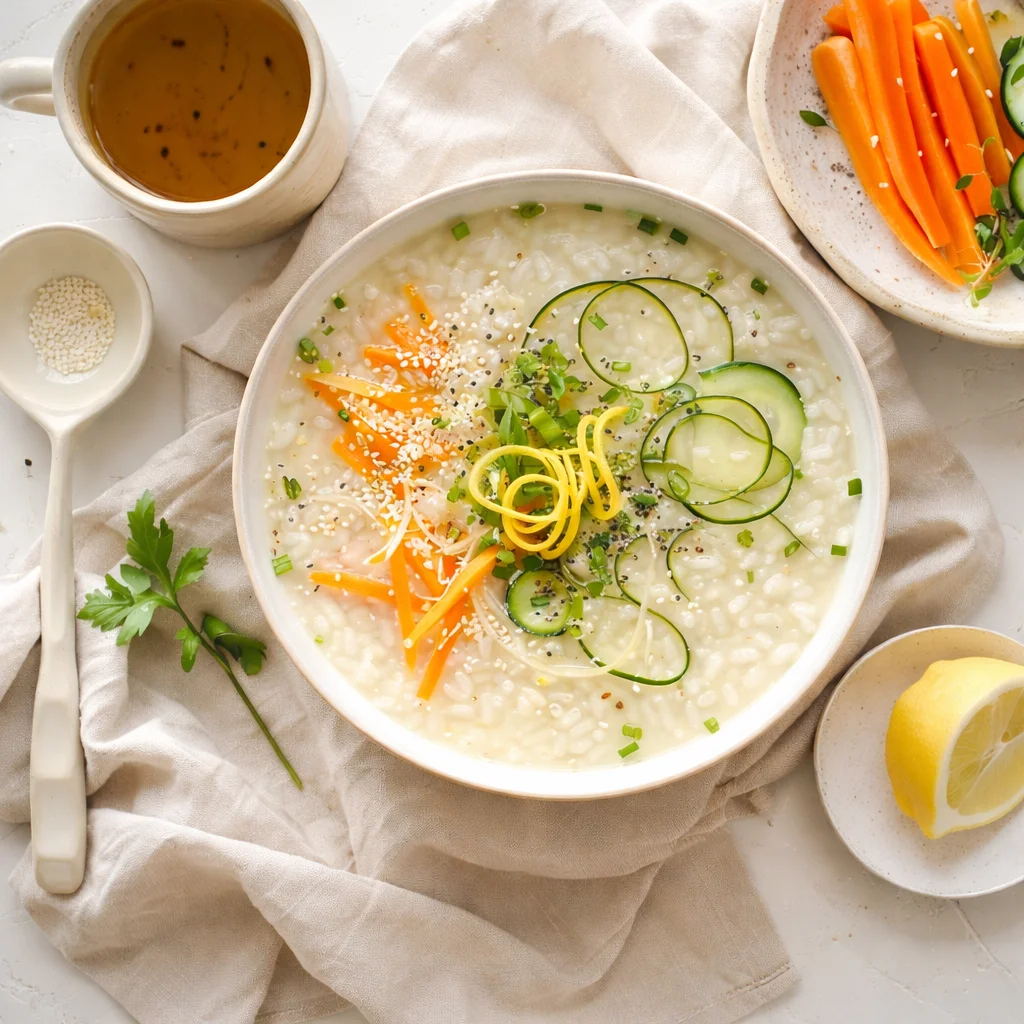
What to eat when bloated is a common question when your stomach feels tight, swollen, or uncomfortable after a meal. The good news is that certain foods can calm digestion, reduce gas, and help your gut feel normal again.
- Why Bloating Happens
- Why Bloating Happens: Gut Science, Gas Production, and Digestive Slowdown
- The Role of the Gut Microbiome in Bloating and Digestive Comfort
- Common Causes of Bloating (Food Intolerances, Gut Inflammation, Stress, Hormones)
- Symptoms That Often Appear With Bloating and Digestive Imbalance
- Best Foods to Eat When Bloated for Fast Relief and Better Digestion
- Gentle Fruits and Hydrating Foods That Help Reduce Bloating
- Gut-Healing Foods That Support the Microbiome and Calm Inflammation
- Probiotic and Fermented Foods That Improve Digestion and Reduce Gas
- Foods to Avoid When Bloated (High-FODMAP, Processed, and Gas-Producing Foods)
- Eating Habits That Help Reduce Bloating and Improve Digestion
- Natural Remedies and Drinks That Help Relieve Bloating Quickly
- A Simple Daily Routine to Prevent Bloating and Support Gut Health
- When Frequent Bloating May Signal a Gut Health Condition (IBS, SIBO, Food Intolerance)
- Related Gut Health Guides (Internal Links: Foods That Help Reduce Bloating, Anti-Inflammatory Foods for Bloating, Best Anti-Bloating Meals)
- Common Questions
- Let's Beat the Bloat, For Real
Why Bloating Happens
What to eat when bloated includes gentle foods like bananas, rice, yogurt, oatmeal, and cooked vegetables. These foods are easier to digest, help reduce gas production, and support healthy gut bacteria.
When your stomach feels tight and uncomfortable, the last thing you want is food that makes the bloating worse. Stick with:
- Low-FODMAP foods like eggs, spinach, and rice. These are gentle on your gut.
- “Wet” foods think soups, smoothies, yogurt. Dry foods can sometimes feel heavier in the stomach, especially when digestion is already slow.
- Foods with potassium, such as bananas and cooked zucchini (not a typo). They help flush extra water out.
- Warm drinks like a cup of ginger or peppermint tea. Your stomach likes cozy things when it’s cranky.
Why Bloating Happens: Gut Science, Gas Production, and Digestive Slowdown
Here’s the simple science behind why bloating happens.
- Bloating is your gut’s way of saying, “Something’s not right!” could be stuck food, slow digestion, or trapped air (thanks, soda).
- Too much fiber, too fast? This often leads to excess gas production in the digestive system.
- Your gut microbiome the trillions of bacteria living in your digestive tract. sometimes make extra gas when they munch on certain foods.
- Hormones and stress can slow your digestion to a crawl.
The Role of the Gut Microbiome in Bloating and Digestive Comfort
Here’s the deal:
- Your gut is packed with trillions of bacteria. Some are good, some ain’t so helpful.
- Happy gut bugs = less bloating, smoother sailing.
- When this balance is disrupted, digestion becomes less efficient, often leading to gas, discomfort, and bloating.
- Fermented foods and fiber feed the good guys.
Common Causes of Bloating (Food Intolerances, Gut Inflammation, Stress, Hormones)
This is where it gets tricky.
- Dairy, beans, and wheat mess up a lot of folks (no shame!).
- Processed foods can rile up your gut lining. That means irritation and swelling.
- Stress just tightens everything up inside (ugh).
- Hormones especially for women are classic bloat bandits every month.
Symptoms That Often Appear With Bloating and Digestive Imbalance
Bloating often appears alongside several other digestive symptoms.
- Excess gas and abdominal pressure.
- Stomach pain or cramping.
- Burping, and sometimes acid reflux (gag).
- On-and-off constipation or sudden urge to run to the bathroom.
Best Foods to Eat When Bloated for Fast Relief and Better Digestion
When bloating strikes, certain gentle foods can help calm digestion.
- Steamed zucchini, spinach, or carrots gentle on the gut, not gassy.
- Soft, ripe bananas or papaya (Both are easy to digest and gentle on the stomach.).
- Plain rice, oatmeal, or buckwheat.
- Homemade soups, especially bone broth warm and soothing.
Always avoid anything fried or super cheesy.
Check out more simple, gut-helping ideas here: 15 gut-healthy recipes for better digestion tonight.
Gentle Fruits and Hydrating Foods That Help Reduce Bloating
If you want something sweet:
- Ripe bananas, watermelon, and papaya these won’t “inflate” you.
- Cucumber and celery. Lots of water, helps you pee out extra puff.
- Plain applesauce, in a pinch (but not apples themselves tricky, I know).
- Go slow too much fruit at once can backfire!
Gut-Healing Foods That Support the Microbiome and Calm Inflammation
Here’s my “feel better” short-list:
- Cooked greens spinach and kale, super soft.
- Slippery foods: chia pudding, oats made into mush, steamed pumpkin.
- Omega-3 rich goodies like salmon or hemp seeds.
- Ginger, turmeric, and mint spice, but make it friendly.
Probiotic and Fermented Foods That Improve Digestion and Reduce Gas
Don’t get scared off by “fermented” it’s good stuff.
- Plain yogurt (no funky flavors or fake sugars!).
- Kefir (like drinkable yogurt, but tangier).
- A spoon of sauerkraut or kimchi with your meal.
- Miso soup. Kinda salty and totally underrated.
Foods to Avoid When Bloated (High-FODMAP, Processed, and Gas-Producing Foods)
Just…don’t do it to yourself:
- Beans, onions, garlic these are gas kings.
- Chewing gum and fizzy drinks (yes, even sparkling water).
- Big bowls of raw broccoli or cauliflower. These foods are known to trigger gas in many people.
- Artificial sweeteners, especially sorbitol or sucralose.
Eating Habits That Help Reduce Bloating and Improve Digestion
It’s not just what, but how you eat:
- Chew really well don’t rush! (I mean it.)
- Stop eating when you’re 80% full, not stuffed.
- Don’t lie down after eating give your belly some time to process.
- Short post-meal strolls work wonders.
Natural Remedies and Drinks That Help Relieve Bloating Quickly
Here are a few natural remedies that can quickly relieve bloating.
- Warm ginger or peppermint tea. Many people find these remedies effective for easing digestive discomfort.
- Hot lemon water (so simple, but so effective).
- A heating pad old-school, but oh so comforting.
- A splash of “switchel” (apple cider vinegar, lemon, water, touch of honey).
A Simple Daily Routine to Prevent Bloating and Support Gut Health
My “un-bloat” day looks something like:
- Warm lemon water first thing.
- Breakfast: oatmeal or eggs, easy on the spices.
- Lunch and dinner = cooked veggies, rice or potatoes, some lean protein.
- Try a probiotic food every day.
- Move a little (not CrossFit, just a walk counts).
When Frequent Bloating May Signal a Gut Health Condition (IBS, SIBO, Food Intolerance)
In some cases, frequent bloating may indicate an underlying digestive issue.
- If bloating’s your “normal,” not just once in a while, see your doc.
- Things like IBS (irritable bowel), SIBO, or food intolerances might be the culprit.
- Other red flags: blood, major pain, dramatic weight loss If these symptoms occur regularly, it’s best to consult a healthcare professional.
Related Gut Health Guides (Internal Links: Foods That Help Reduce Bloating, Anti-Inflammatory Foods for Bloating, Best Anti-Bloating Meals)
Want more?
- For a deep-dive on foods that help reduce bloating, see this resource.
- Find anti-inflammatory foods for bloating right here.
- Explore more best anti-bloating meals you can whip up tonight and feel better fast!
Common Questions
Q: Is sparkling water just as bad as soda for bloating?
A: Oh, yeah. All that fizz is trapped gas, so it goes straight to your stomach.
Q: How fast can you get relief after eating the right foods?
A: It’s different for everyone, but with something like ginger tea or cooked veggies, sometimes you feel lighter in an hour or two.
Q: Does walking actually help?
A: For sure. Even a slow stroll can move things along and help with trapped air.
Q: Any no-cook snacks for bloat relief?
A: Banana, plain yogurt, or a slice of ripe melon. Keep it simple!
Q: Are there supplements that actually work?
A: Sometimes probiotics or digestive enzymes help, but always talk to a doc first.
Let’s Beat the Bloat, For Real
The next time you’re wondering what to eat when bloated, keep it simple: choose soft, easy-to-digest, and hydrating foods. Bananas, warm herbal teas, and gently cooked vegetables can help calm the stomach and support smoother digestion. You don’t need complicated recipes just a few gut-friendly ingredients can make a big difference. For more ideas, explore 8 Foods That Help With Bloating and other trusted gut health resources. Listen to your body, experiment with gentle meals, and you’ll soon discover what helps your digestion feel lighter and more comfortable.