
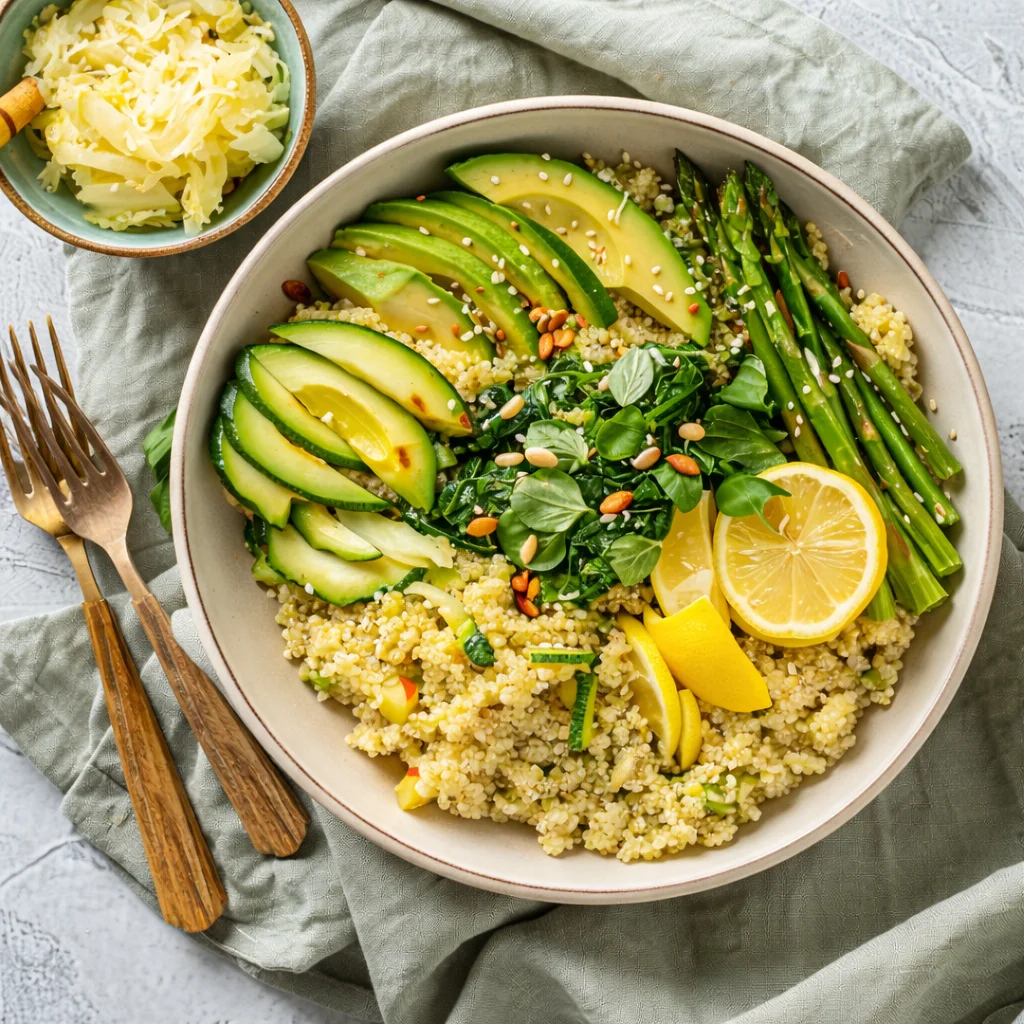
Many people experience uncomfortable bloating after meals, even when they try to eat healthy. The right anti-bloating meals can make a big difference. By choosing gut-friendly foods that support digestion and reduce inflammation, you can help your stomach feel lighter, calmer, and more comfortable throughout the day.
- What Are Anti-Bloating Meals?
- Why Bloating Happens After Eating
- Common Causes of Bloating After Meals (Food Intolerances, Gut Inflammation, Slow Digestion)
- Symptoms That Often Accompany Bloating and Poor Digestion
- The Microbiome Connection: How Gut Bacteria Influence Gas, Digestion, and Inflammation
- Key Nutrition Principles Behind the Best Anti-Bloating Meals
- Best Anti-Bloating Meals for Breakfast That Support Gut Health
- Best Anti-Bloating Lunch Meals for Smooth Digestion and Energy
- Best Anti-Bloating Dinner Meals That Are Gentle on the Digestive System
- Anti-Inflammatory Foods That Help Reduce Bloating and Support the Gut
- Foods That Commonly Cause Bloating and Should Be Limited
- Eating Habits That Improve Digestion and Prevent Bloating After Meals
- A Simple Daily Anti-Bloating Meal Routine for a Happier Gut
- When Bloating After Meals May Signal a Gut Health Condition (IBS, SIBO, Food Intolerance)
- Related Gut Health Guides (Internal Links: Foods That Help Reduce Bloating, Best Teas for Digestion, 7-Day Gut Reset Plan)
- Common Questions
- Keep Your Gut Happy Try an Anti-Bloating Meal This Week
What Are Anti-Bloating Meals?
Anti-bloating meals include foods that are easy to digest and support gut health. Options like yogurt with berries, grilled chicken with vegetables, quinoa salads, and steamed fish can help reduce gas, improve digestion, and prevent uncomfortable stomach bloating after meals.
- Anti-bloating meals focus on ingredients that are easy for your digestive system to break down. The goal is simple: reduce digestive irritation so your stomach feels lighter and more comfortable after eating.
- They’re packed with foods that support good gut bacteria.
- These meals aren’t boring either a little zip from lemon, ginger, or greens goes a long way.
- Toss in some fiber, lean protein, and (wait for it) fermented stuff? Your belly’s new best friends.
Why Bloating Happens After Eating
- Bloating often comes from trapped gas in your gut (ugh, science can be so brutally direct).
- It can also start with your gut bacteria being out of balance too much “bad” stuff, not enough “helpful” microbes.
- Sometimes, slow digestion piles up food inside you.
- The end result? Gassy, cramped, just plain uncomfortable.
Common Causes of Bloating After Meals (Food Intolerances, Gut Inflammation, Slow Digestion)
- Eating stuff your body can’t really break down (looking at you, lactose and gluten).
- Gut lining gets cranky from inflammation maybe from too many processed foods.
- Eating too fast or not chewing enough (trust me, it sneaks up on you).
- Stressed out? That can slam the brakes on digestion, too.
Symptoms That Often Accompany Bloating and Poor Digestion
- Burping (awkward, but real life).
- Tummy aches, cramps, or straight-up pain.
- That “rock in your belly” feeling.
- Sometimes you know bathroom troubles, either way.
The Microbiome Connection: How Gut Bacteria Influence Gas, Digestion, and Inflammation
- Your gut microbiome works like a complex ecosystem made up of trillions of beneficial bacteria.
- Some bacteria produce gas during digestion, while others help reduce inflammation and support healthy digestion.
- A happy gut microbiome = less inflammation, better digestion, and less embarrassing noises, thank goodness.
Key Nutrition Principles Behind the Best Anti-Bloating Meals
- Stick with whole foods instead of anything with a mile-long ingredient list.
- Balance fiber too much can backfire, but too little isn’t great either.
- Aim for healthy fats (avocado, olive oil) and lean proteins.
- Probiotic-rich things (yogurt, kimchi, sauerkraut) actual game changers.
Best Anti-Bloating Meals for Breakfast That Support Gut Health
- Plain Greek yogurt + berries + a drizzle of honey (so simple, so solid).
- Oats with chia and shredded apple.
- Soft scrambled eggs with spinach and smoked salmon.
- Overnight oats with pumpkin seeds if you’re feeling extra fancy.
Best Anti-Bloating Lunch Meals for Smooth Digestion and Energy
- Grilled chicken bowl loaded with roasted veggies (yep, my favorite go-to). Check this out for inspiration: The Best Anti-Inflammatory Chicken Bowl for Gut Health.
- Quinoa salad loaded with cukes, tomatoes, and a squeeze of lemon.
- Smoked salmon wrap with microgreens.
- Chickpea salad, but go easy on the onions.
Best Anti-Bloating Dinner Meals That Are Gentle on the Digestive System
- Steamed white fish, zucchini, and sweet potatoes.
- Stir-fried tofu with ginger, carrots, and bok choy.
- Turkey lettuce wraps, loaded up with veggies.
- A chicken stew especially when your gut feels totally wiped.
Anti-Inflammatory Foods That Help Reduce Bloating and Support the Gut
- Ginger (hello, soothing power).
- Turmeric, for that anti-inflammation punch.
- Leafy greens, cucumbers, and blueberries all work wonders.
- Garlic can support digestion and gut health, but large amounts may trigger bloating for some people.
Foods That Commonly Cause Bloating and Should Be Limited
- Beans are nutritious but can cause gas and bloating for some people, especially if eaten in large amounts.
- Carbonated drinks bubbles = belly drama.
- Cruciferous veggies like broccoli (try steaming them!).
- Artificial sweeteners those “sugar-free” gum and treats don’t fool your body.
Eating Habits That Improve Digestion and Prevent Bloating After Meals
- Chewing food thoroughly helps your digestive system break it down more efficiently.
- Eat slowly put your fork down between bites.
- Skip the late-night snacks if you can help it.
- Short walk after a meal. Five minutes can make all the difference.
A Simple Daily Anti-Bloating Meal Routine for a Happier Gut
- Breakfast: Probiotic yogurt with berries.
- Lunch: Leafy green salad + roasted chicken.
- Snack: A banana or some papaya.
- Dinner: Steamed veggies, salmon, and maybe a small baked potato.
When Bloating After Meals May Signal a Gut Health Condition (IBS, SIBO, Food Intolerance)
- If it’s happening all the time, or is super-painful might need a chat with your doc.
- Super gassy, painful bloating can mean gut imbalances like IBS or SIBO.
- Pay attention to food triggers (sometimes they’re sneaky!).
- Keep a food journal if this feels suspiciously like your life.
Related Gut Health Guides (Internal Links: Foods That Help Reduce Bloating, Best Teas for Digestion, 7-Day Gut Reset Plan)
- If you want even more tips for a happy tum, check out the best ways to reduce bloating naturally.
- Looking for soothing drinks? My top picks for gut-friendly teas & sips.
- For a big “reset”, there are step-by-step guides on planning full weeks of gentle meals. Trust me, small changes add up.
Common Questions
1. Are the best anti-bloating meals expensive to make?
Not always! Simple, whole foods like oats, chicken, and greens tend to be pretty budget-friendly.
2. How fast can I expect to notice less bloating?
Sometimes after just one meal, but usually takes a week or so (patience is annoying, but worth it).
3. Should I avoid all carbs to stop bloating?
No way some carbs (like oats and potatoes) are super gentle on the gut. It’s the super-processed ones that cause trouble.
4. Can kids eat anti-bloating meals?
Absolutely. Just watch the spice and keep it simple.
5. Do I really have to eat yogurt or fermented things?
It helps but if you can’t stand the taste, there are other ways to get good bacteria (hello, probiotic supplements).
Keep Your Gut Happy Try an Anti-Bloating Meal This Week
If bloating regularly disrupts your day, adjusting your meals can make a noticeable difference, here’s my honest pitch: the best anti-bloating meals aren’t just “diet” food they’re the ticket to a day where you feel way more comfortable in your skin. Simple swaps, mindful eating, and the right food choices actually work. And who doesn’t want a gut that doesn’t “talk back”? For more ideas, you might dig The Ultimate Anti-Bloating Weekly Meal Plan and this handy anti-bloating food list to make your next grocery trip a breeze. Give anti-bloating eating a try your belly will seriously thank you.