
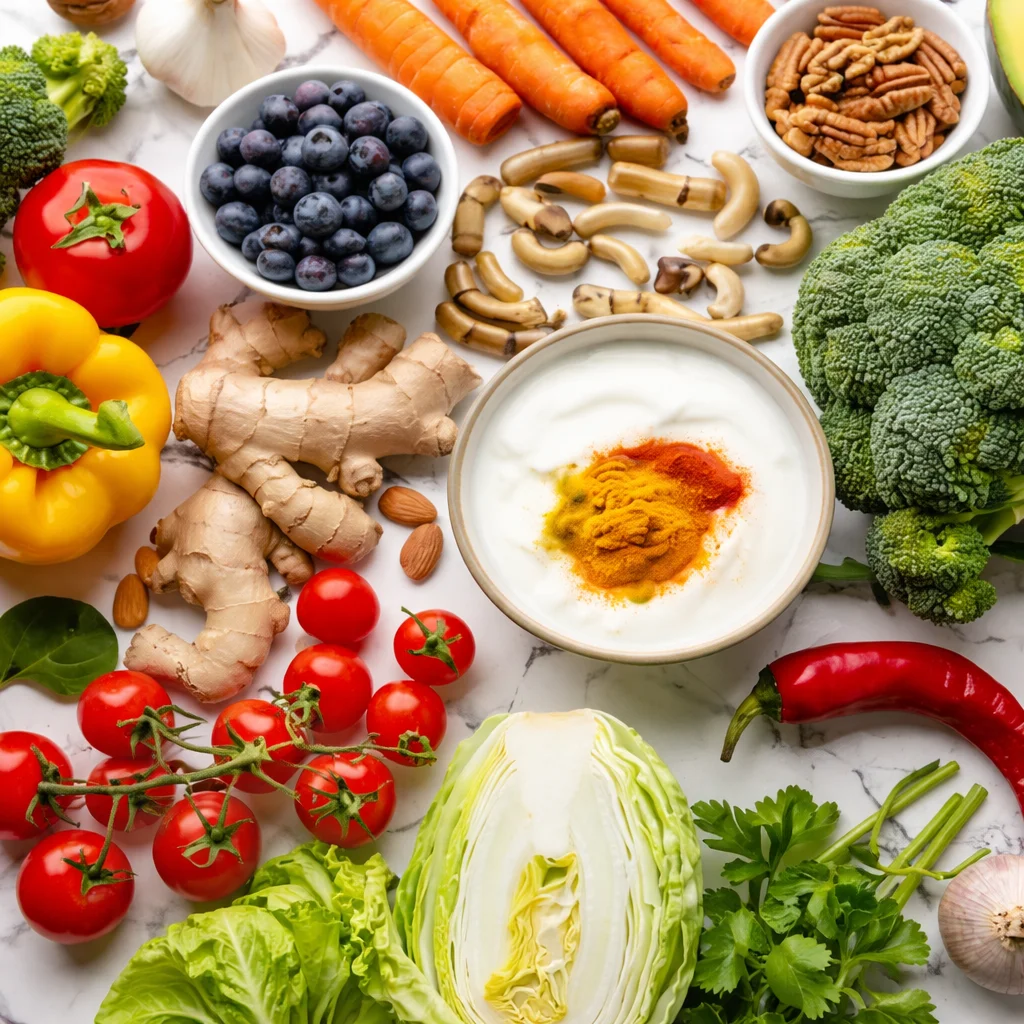
If you deal with frequent bloating, stomach discomfort, or unpredictable digestion, your gut may be struggling with inflammation. An anti-inflammatory diet for gut health focuses on foods that support digestion, nourish beneficial gut bacteria, and reduce irritation in the digestive tract. The right foods can make a noticeable difference in how your gut feels every day.
What Is an Anti-Inflammatory Diet for Gut Health?
So, what’s the deal with this diet? It’s basically about choosing foods that help calm inflammation in your gut instead of making things worse.
- Focus on lots of veggies, fruits, nuts, and healthy fats.
- Cut back on the processed stuff and things loaded with sugar.
- Enjoy foods that make your gut bacteria happy (think yogurt, sauerkraut, or other fermented things even if they look weird).
- For a deep dive, check out this anti-inflammatory diet guide for all the basics.
- What Is an Anti-Inflammatory Diet for Gut Health?
- Why Gut Inflammation Happens and How It Disrupts Digestion
- The Gut Microbiome Explained: How Bacteria Influence Inflammation and Digestive Health
- How an Anti-Inflammatory Diet Supports the Gut Microbiome
- Common Symptoms of Gut Inflammation and Poor Digestive Health
- Root Causes of Gut Inflammation: Diet, Stress, Processed Foods, and Dysbiosis
- Key Nutrients That Help Heal the Gut and Reduce Inflammation
- Best Anti-Inflammatory Foods to Eat for Gut Health and Digestion
- Gut-Healing Foods That Support Microbiome Diversity
- Foods That Can Trigger Gut Inflammation and Should Be Limited
- Simple Anti-Inflammatory Meal Ideas That Support Digestive Health
- Lifestyle Habits That Improve Gut Health and Reduce Inflammation
- A Practical Daily Routine for Supporting Gut Health Naturally
- Long-Term Benefits of an Anti-Inflammatory Diet for Gut and Immune Health
- Frequently Asked Questions About the Anti-Inflammatory Diet for Gut Health
- Let’s Get Your Gut Happy Try This for Yourself!
Why Gut Inflammation Happens and How It Disrupts Digestion
Gut inflammation can quietly disrupt digestion and overall health.
- It can sneak in if you eat too much junk or you’re super stressed out (ugh, work emails at midnight, anyone?).
- When your gut’s inflamed, food just doesn’t move right think bloating, cramps, maybe even worse bathroom situations.
- When inflammation develops, digestion becomes less efficient, often leading to bloating, cramps, and irregular bowel movements. And sometimes, you just feel “off” all day.
The Gut Microbiome Explained: How Bacteria Influence Inflammation and Digestive Health
Here’s the fascinating part: your gut is home to trillions of bacteria known as the gut microbiome.
- Good bacteria help with digestion, keep you regular, and can even help your mood.
- Bad bacteria? They feed on sugar, grow wild, and love to cause drama (like some neighbors I know).
- Eating the right foods actually keeps your good bugs happy and calms down gut inflammation.
How an Anti-Inflammatory Diet Supports the Gut Microbiome
When you eat foods that nourish beneficial bacteria, your microbiome becomes more balanced and resilient.
- Anti-inflammatory foods boost good bacteria, which helps with smooth digestion.
- Less bad bacteria means less gas, less pain, and let’s be real way less drama in the bathroom.
- I noticed when I stuck with this, even my energy improved!
Common Symptoms of Gut Inflammation and Poor Digestive Health
I’ll just be brutally honest some signs are hard to ignore (and some are embarrassing).
- Bloating after nearly every meal (ugh, jeans don’t fit).
- Gas, abdominal cramps, or the uncomfortable feeling that food sits heavily in your stomach.
- Weird pooping schedules either too much or not enough.
Root Causes of Gut Inflammation: Diet, Stress, Processed Foods, and Dysbiosis
Let’s call this the “gut villains” list:
- Eating processed foods, fried things, or sugary snacks.
- High stress (hello, life!).
- Not enough sleep, meds, or a history of gut troubles.
- Dysbiosis is the scientific term used when the balance of gut bacteria becomes disrupted.
Key Nutrients That Help Heal the Gut and Reduce Inflammation
Fortunately, you don’t need a shelf full of supplements to support gut health.
- Fiber is huge think beans, oats, apples.
- Omega-3s (like salmon or chia seeds) literally help heal your gut.
- Probiotics yogurt or kefir are my go-to’s.
- Vitamins A, D, and E also support healing, according to some actual science.
Best Anti-Inflammatory Foods to Eat for Gut Health and Digestion
Grab these next time you’re at the store:
- Leafy greens (spinach, kale), wild salmon, avocados, berries.
- Fermented stuff: sauerkraut, kimchi, kefir seriously, don’t knock it till you try it.
- Walnuts, olive oil, ginger, turmeric (sprinkle it on eggs or soup it’s magic).
- If you need more, here’s a killer list of the best foods for gut and digestion.
Gut-Healing Foods That Support Microbiome Diversity
The more variety, the better.
- Eat the rainbow literally, more colors = more types of good bugs.
- Switch up your veggies, beans, and even fruits each week.
- Greek yogurt with seeds, colorful salads, even cold potatoes (the starch is surprisingly great).
Foods That Can Trigger Gut Inflammation and Should Be Limited
These are tough to give up…I mean, who doesn’t love chips?
- Processed meats, fries, white bread, candy, soda.
- Too much alcohol or artificial sweeteners bad news for gut bugs.
- Super heavy fried foods and some dairy can set things off, too (I learned this the hard way).
Simple Anti-Inflammatory Meal Ideas That Support Digestive Health
Here’s what actually works when you’re starving and want to stay on track:
- Oatmeal with berries and walnuts in the morning.
- Chicken and veggie lunch bowls or a simple bean salad.
- Salmon, greens, and quinoa for dinner easy, fast, no-nonsense.
- Need even more? This gut-healthy recipe collection is packed with real-people food.
Lifestyle Habits That Improve Gut Health and Reduce Inflammation
Food’s important, but it’s not everything:
- Stay hydrated (honestly, just carry a water bottle).
- Move your body a little walking counts, no marathons needed.
- Sleep enough, or at least try (Netflix temptations are real).
- Manage stress yoga, deep breaths, or a walk outside works.
A Practical Daily Routine for Supporting Gut Health Naturally
Let’s keep it super actionable:
- Kick off with lemon water and fiber-rich breakfast.
- Lunch: protein plus greens.
- Snacks: nuts or fruit skip the candy.
- Dinner: lean protein, healthy carbs, and lots of color.
- End your day with gentle stretching or a podcast, not doom-scrolling.
Long-Term Benefits of an Anti-Inflammatory Diet for Gut and Immune Health
Stick with it your gut will absolutely thank you:
- Reduced bloat, better regularity, way more energy.
- Immune system boost (goodbye, random colds).
- Mental clarity yes, your gut and brain are besties.
- Explore more in-depth benefits over at anti-inflammatory diet benefits.
Frequently Asked Questions About the Anti-Inflammatory Diet for Gut Health
Can an anti-inflammatory diet improve digestion and gut health?
Absolutely. I noticed I was less bloated and had more energy after just a week.
What foods reduce gut inflammation naturally?
Leafy greens, salmon, turmeric, cultured yogurt, and berries are my all-stars.
How long does it take to heal the gut with diet?
Depends on how inflamed you are, but most folks feel something better after just a few weeks. Try to give it at least 30 days.
Is the anti-inflammatory diet good for the gut microbiome?
Yup! The fiber and fermented foods feed all those good gut bugs.
What foods should you avoid if your gut is inflamed?
Deep-fried stuff, overly processed foods, sodas, and lots of sugar usually stir up the most trouble.
Let’s Get Your Gut Happy Try This for Yourself!
Adopting an anti-inflammatory diet for gut health can make a noticeable difference in digestion, energy levels, and overall well-being. You don’t need complicated supplements or restrictive meal plans simple changes like adding more whole foods, healthy fats, and fiber-rich ingredients can support your gut naturally. If you’d like to explore the science behind it, research such as the Beneficial Effects of Anti-Inflammatory Diet in Modulating Gut Microbiota published on PubMed Central highlights how diet influences inflammation and microbiome balance. Start with a few gut-friendly meals and see how your body responds your digestion may thank you sooner than you expect.