
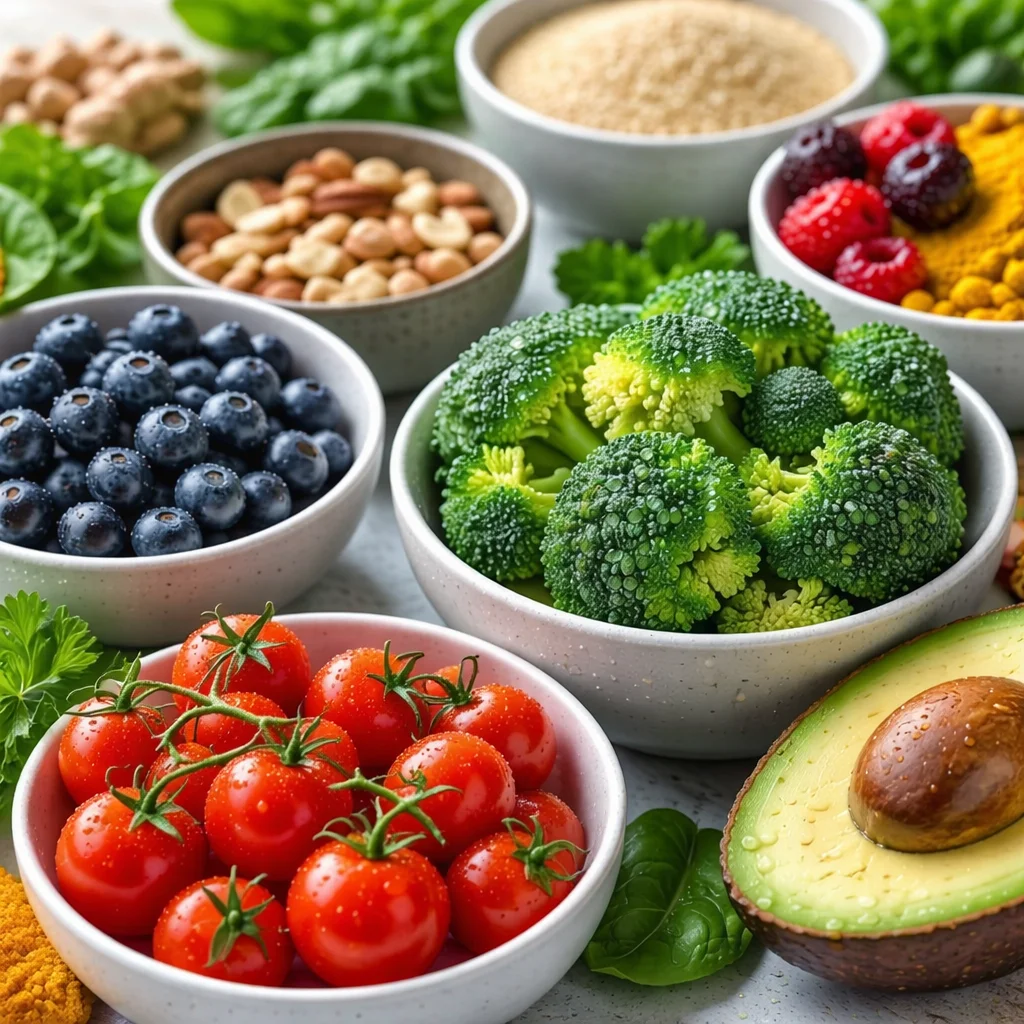
If you’re dealing with bloating, low energy, or achy joints, a structured week of anti-inflammatory meals can help you reset. This 7-day anti-inflammatory meal plan gives you simple breakfasts, lunches, dinners, and snacks built around whole foods that support gut health without turning your life into a full-time cooking show.
What Is a 7-Day Anti-Inflammatory Meal Plan (and How It Supports Gut Health)
A 7-day anti-inflammatory meal plan focuses on whole foods that may reduce inflammation and support gut health. Eat plenty of vegetables, berries, beans, whole grains, fatty fish, olive oil, and fermented foods. Limit added sugar, refined carbs, fried foods, and ultra-processed snacks. Simple meal prep makes the plan easier to follow all week.
- It’s a one-week structure built around foods that help lower inflammation and support digestion.
- You focus on gut-friendly, nutrient-dense meals that support the microbiome and reduce common triggers.
- After a week, many people notice less bloating, steadier energy, and fewer cravings small changes that can feel surprisingly big.
- Supporting your gut means feeding beneficial bacteria with fiber and polyphenols, which may help with bloating and more regular digestion.
How Chronic Inflammation Affects Digestion, the Gut Microbiome, and Overall Health
- Chronic inflammation can show up as bloating, gas, discomfort after meals, or feeling “off” for days.
- Your gut has a microbiome an ecosystem of bacteria that can shift quickly based on what you eat.
- Over time, that imbalance can affect energy, skin, and overall wellbeing not just digestion.
Common Symptoms of Inflammation That Diet Can Improve
- If you feel tired all the time, inflammation may be one factor affecting your energy.
- Digestive issues like constipation, diarrhea, or frequent bloating can also be signs of inflammation.
- Achy joints and stiffness especially in the morning are common complaints linked to inflammation.
- Brain fog and mood swings can improve when blood sugar is steadier and inflammatory triggers are reduced.
Root Causes of Chronic Inflammation (Diet, Gut Dysbiosis, Stress, Lifestyle)
- Ultra-processed foods, added sugars, and frequent snacking on packaged items are common inflammation drivers.
- An unhappy gut microbiome from antibiotics or stress can make matters worse.
- High stress and poor sleep can raise inflammation and make digestion more sensitive.
- Low daily movement can also contribute to inflammation and sluggish digestion.
How an Anti-Inflammatory Diet Helps Restore Microbiome Balance
- Eating stuff like greens, berries, healthy fats (I’m looking at you, avocados!) gives the friendly bacteria a boost.
- Less junk = less “bad” bacteria wreaking havoc.
- Balanced guts can mean less bloating and a happier mood.
- Some people also notice secondary benefits like better sleep and fewer headaches, especially when hydration and stress improve too.
Key Principles of a Healthy 7-Day Anti-Inflammatory Meal Plan
- Focus on real food the kind your grandma would recognize (apples, not apple-flavored chips).
- Every meal needs veggies, healthy fats, and good protein think fish, nuts, and beans.
- Limit dairy, red meat, and sweets (but not zero hey, we’re human).
- Mix things up! Variety keeps your taste buds (and gut) happy.
Best Anti-Inflammatory Foods to Include in Your Weekly Meal Plan
- Berries, especially blueberries these are like tiny shield-bearers for your gut.
- Salmon, sardines, and other fish that smell like the sea (or at least the grocery store).
- Dark leafy greens, sweet potatoes, broccoli. Y’know, veggie MVPs.
- Spices! Turmeric and ginger practically yell, “inflammation be gone!”
Gut-Healing Foods That Support Microbiome Diversity
- Fermented foods: think sauerkraut, kimchi, plain yogurt (not the sugary kind).
- Beans, lentils, and chickpeas great fiber, helps feed your good bacteria.
- Whole grains: oats, quinoa, brown rice.
- Oh! And don’t forget nuts and seeds… a handful a day is a game-changer.
Foods to Avoid That Trigger Inflammation and Digestive Issues
- Anything heavily processed (that “cheese” powder on chips… just, no).
- Added sugar hidden everywhere! Sneaky.
- Refined white flours, fried foods, fatty fast food.
- Some dairy and red meats, which is a real heartbreak for my inner cheese lover.
The Complete 7-Day Anti-Inflammatory Meal Plan (Breakfast, Lunch, Dinner, Snacks)
- Breakfasts: Overnight oats with berries + chia, chia pudding, avocado toast with olive oil + a protein add-on (egg or chickpeas).
- Lunches: Quinoa salads, roasted veggie bowls with beans, and simple soups (like an anti-inflammatory chicken soup you can batch-cook).
- Dinners: Salmon or sardines, tofu stir-fry, lentil curry, or sheet-pan chicken with mixed vegetables and olive oil.
- Snacks: A handful of nuts, hummus with carrots, or apple slices with almond butter (watch portions if you’re tracking calories).
Anti-Inflammatory Drinks and Smoothies That Support Gut Health
- Green smoothies: spinach + banana + berries + ginger. Fast, filling, and easy on digestion for many people.
- Herbal teas peppermint, ginger, turmeric.
- Lemon water (so simple, but your belly will thank you).
- Skip sugary sodas and packaged juices. Choose water, herbal tea, or a low-sugar smoothie instead.
How to Meal Prep Your Anti-Inflammatory Meals for the Week
- Batch-cook grains (think rice, quinoa) on Sunday.
- Portion out veggies and protein for quick grab-and-eat lunches.
- Use larger containers for batch cooking. Leftovers make weekday meals faster and less stressful.
- Freeze extra portions for nights when cooking isn’t realistic.
Daily Lifestyle Habits That Reduce Inflammation Naturally
- Walk every day, even if it’s just 15 minutes after dinner.
- Mindfulness or stretching in the mornings (looks odd, feels great).
- Get enough sleep yes, seriously, it’s underrated.
- Hydrate boring but true.
Common Mistakes People Make on an Anti-Inflammatory Diet
- Overcomplicating meals and burning out midweek. Repeat simple staples and rotate flavors.
- Skipping snack prep, then defaulting to sugary options when hunger hits.
- Avoiding all fats (but healthy fats are your secret weapon).
- Not tracking progress sometimes changes are subtle but real.
Frequently Asked Questions About the 7-Day Anti-Inflammatory Meal Plan
Q: Is this just salads all week?
Nope! Loads of hearty choices soups, roasted veg, even warm grains. You won’t go hungry.
Q: Do I need fancy ingredients?
Not really. I’m not buying unicorn powder. It’s mostly stuff from a regular grocery store.
Q: I work full-time. Can I still do this?
You bet. Meal prepping on weekends is a lifesaver seriously, just try it.
Q: Will this fix all my health problems?
It helps a lot, but it’s not magic. Pair it with movement and sleep for best results.
Q: Can my family eat this too?
Absolutely. My picky eaters (even my skeptical dad) actually ask for seconds now and then.
Ready to Feel Better in a Week? Try My Not-So-Perfect Plan
That’s my simple, realistic 7-day anti-inflammatory meal plan to help you feel better without complicated rules. If you’re tired of feeling bloated and low-energy, try it for one week and track how you feel after meals, your energy, and your digestion. it’s okay to mess up a meal or two just keep moving forward. If you want to dig deeper, swing over to the EatingWell anti-inflammatory meal plan for beginners for even more tips, or check out this handy anti-inflammatory diet guide for a bigger resource stash. Start small, stay consistent, and make it your own. If you want more ideas, explore the related recipes and guides on the site.