
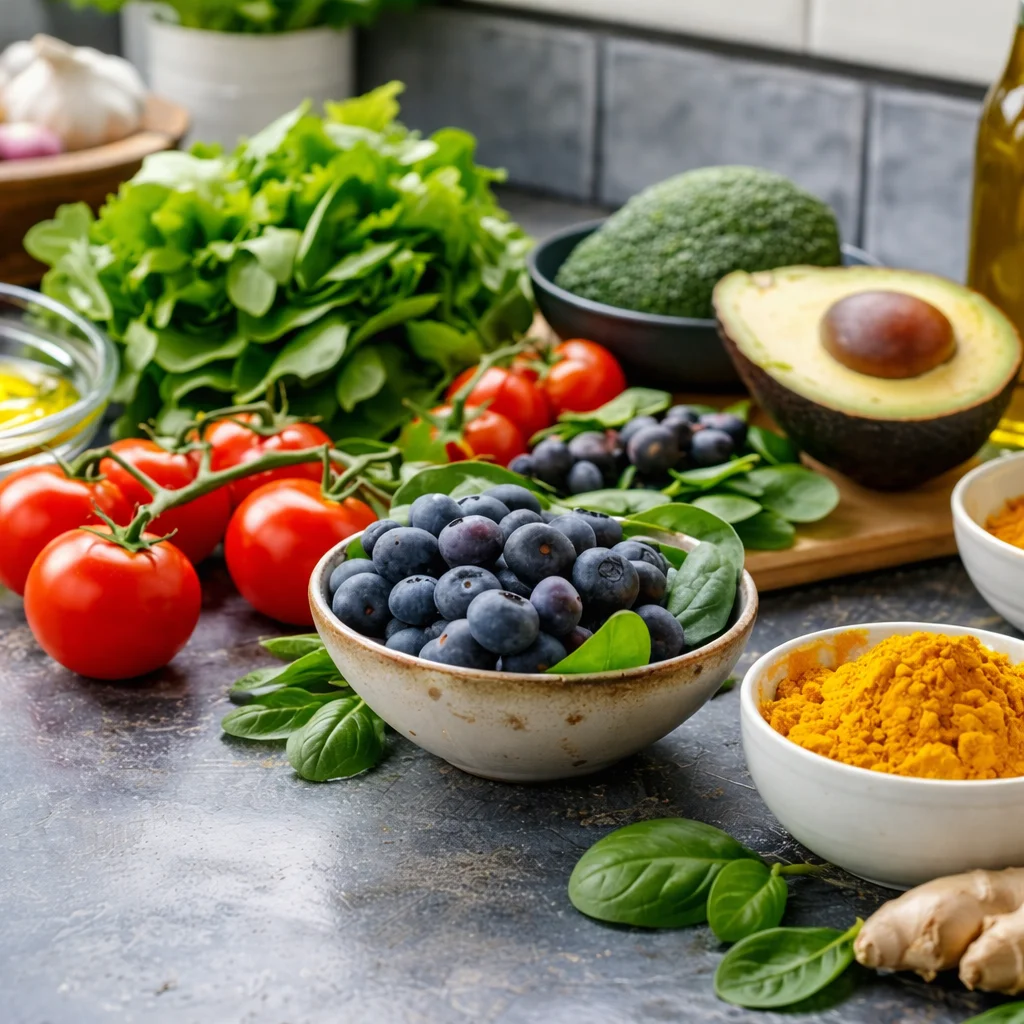
Many people don’t realize how much their grocery choices affect gut health. A simple anti-inflammatory grocery list can help you fill your cart with foods that support digestion, balance your microbiome, and reduce chronic inflammation. Instead of guessing what’s healthy, you shop with a clear plan.
What Is an Anti-Inflammatory Grocery List?
An anti-inflammatory grocery list includes whole foods that help reduce inflammation and support gut health. Common foods include berries, leafy greens, fatty fish, olive oil, nuts, seeds, and fermented foods like yogurt or kimchi. Avoid ultra-processed foods, added sugars, and refined grains that can trigger inflammation.
- An anti-inflammatory grocery list focuses on foods that help lower inflammation in the body instead of triggering it.
- It prioritizes fresh, whole foods that support beneficial gut bacteria and reduce irritation in the digestive system.
- Following a list also helps you avoid ultra-processed foods packed with hidden sugars, additives, and preservatives.
- If you’ve read anything about gut health, you know a happy gut = a happier you.
How Chronic Inflammation Affects Your Gut Microbiome and Digestive System
- When inflammation affects the gut, beneficial bacteria struggle to thrive and the balance of the microbiome can shift in the wrong direction.
- Chronic inflammation may cause digestive issues such as diarrhea, constipation, or bloating.
- Because nearly 70% of the immune system is connected to the gut, inflammation can weaken immune function as well.
Common Symptoms of Inflammation That Your Diet May Be Triggering
- Common signs of diet-related inflammation include bloating, fatigue, and skin flare-ups. That could be your diet wrecking things from the inside.
- Brain fog and low energy are also frequent symptoms of chronic inflammation.
- Any unexplained joint pain or tummy troubles? Food could be the sneaky culprit.
Root Causes of Inflammation (Processed Foods, Sugar, Gut Dysbiosis, Stress)
- Highly processed foods and added sugars are two of the most common dietary triggers of inflammation.
- Gut dysbiosis an imbalance between beneficial and harmful bacteria can significantly increase inflammation.
- Seriously, stress levels can also throw your gut health off a cliff ask me how I know.
How an Anti-Inflammatory Grocery List Supports Microbiome Diversity
- Think of your gut like a garden: diverse “plants” = flourishing.
- By picking foods off an anti-inflammatory grocery list, you feed the good guys and crowd out the troublemakers.
- Weird but true: more plant colors in your cart, more happy bugs in your belly.
The Ultimate Anti-Inflammatory Grocery List for Smart Healthy Shopping
- Fresh berries, leafy greens, and avocados? Put ‘em in every time.
- Wild salmon, pastured eggs, walnuts, and olive oil chef’s kiss, right there.
- Turmeric, ginger, and garlic. Your spice rack just got a promotion.
- Skip sugary cereals, white bread, and processed lunch meats.
Best Anti-Inflammatory Fruits and Vegetables to Add to Your Grocery Cart
- I’m all about blueberries, spinach, kale, and broccoli affordable and powerhouse picks!
- Sweet potatoes (roasted with a bit of olive oil? YES).
- Bell peppers and apples. I basically live on these, raw or tossed in a skillet.
Gut-Healing Foods That Help Reduce Inflammation Naturally
- Can’t skip fermented stuff: yogurt, sauerkraut, kimchi (seriously, your gut wants these).
- Oats, chia seeds, and ground flax for fiber that keeps everything moving.
- Bone broth! I was skeptical, but I get why it’s trendy now.
Anti-Inflammatory Proteins and Healthy Fats to Include in Your Diet
- Wild-caught salmon, sardines (if you can deal with the smell… I still can’t, but my friend swears by them).
- Pasture-raised chicken and eggs (makes all the difference in taste).
- Extra virgin olive oil over canola don’t let anyone tell you different.
Pantry Staples for an Anti-Inflammatory Kitchen
- Canned beans and lentils (so cheap, so many ways to use ‘em).
- Raw nuts, seeds, and brown rice (bye, boring white rice forever).
- Canned tomatoes and coconut milk. Sauces, soups, and stews, here we come.
Foods to Avoid That Can Trigger Inflammation and Gut Imbalance
- Processed meats (deli ham, hot dogs yep, all the salty favorites).
- White bread, pastries, chips… basically most of the snack aisle (womp womp).
- Sugary drinks and soda gut kryptonite, if you ask me.
How to Build a Weekly Anti-Inflammatory Grocery Shopping Routine
- Start with a weekly grocery list so you focus on nutrient-dense foods instead of impulse purchases.
- Shop the perimeter of the store for fresh produce, meats, and dairy.
- Grab healthy snacks so you’re not tempted by the vending machine midweek.
- Batch-prep basics on Sunday it makes weekday dinners way less stressful.
Simple Anti-Inflammatory Meal Prep Ideas Using Your Grocery List
- Throw together a giant salad with leafy greens, chickpeas, and avocado for lunch.
- Roast tray of mixed veggies and wild salmon for super fast dinners.
- Make-ahead overnight oats with chia, berries, and a drizzle of honey.
- Wanna get inspired? Check out some 30-minute anti-inflammatory dinners you’ll actually want to eat.
Daily Habits That Help Reduce Inflammation and Support Digestive Health
- Start your day with warm lemon water (sounds odd, but it works).
- Move a little walk, stretch or dance around your kitchen, who cares.
- Get enough sleep; your gut repairs overnight, promise.
- A few deep breaths before meals (not just yoga talk, seriously helps).
Frequently Asked Questions About the Anti-Inflammatory Grocery List
What foods should be on an anti-inflammatory grocery list?
Focus on whole foods such as berries, leafy greens, fatty fish, olive oil, nuts, seeds, legumes, and fermented foods.
What foods should you avoid for inflammation?
Limit processed meats, refined grains, sugary drinks, fried foods, and packaged snacks.
Are anti-inflammatory foods expensive?
Not necessarily. Seasonal produce, beans, lentils, oats, and frozen vegetables are affordable and highly nutritious.
Can an anti-inflammatory diet improve gut health?
Yes. Anti-inflammatory foods feed beneficial gut bacteria and help restore microbiome balance.
Ready to Shop Smarter? Small Grocery Swaps, Big Gut Results
Building a healthier diet doesn’t start in the kitchen it starts in the grocery store. Using a clear anti-inflammatory grocery list makes it easier to choose whole foods that support gut health and reduce inflammation naturally.
Start with small swaps, add more colorful plants to your cart, and keep processed foods to a minimum. Your gut and your energy levels will thank you.