
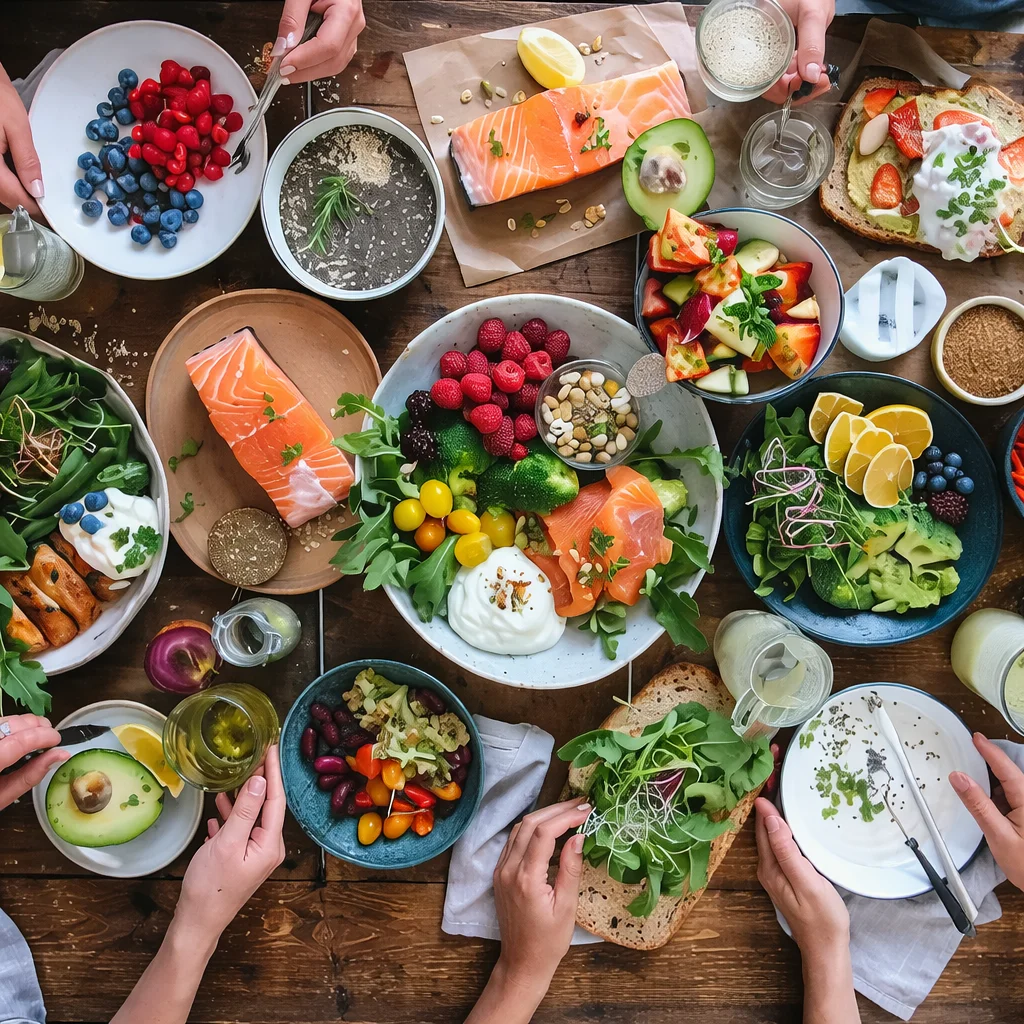
If you’re looking for a gut friendly diet plan, you’re probably tired of bloating, irregular digestion, or feeling drained after meals. This simple 7-day guide is built around fiber-rich whole foods, gentle fermented options, and anti-inflammatory ingredients that support your microbiome. You’ll get a full menu, a grocery list, and easy habits to make digestion feel lighter fast.
Gut Friendly Diet Plan (7-Day Guide for Better Digestion)
A gut friendly diet plan focuses on fiber-rich whole foods, probiotic foods like yogurt or kefir, and prebiotic ingredients such as oats, onions, and bananas. Following a simple 7-day gut friendly diet plan can help reduce bloating, improve regularity, and support a healthier gut microbiome with less inflammation.
- It focuses on feeding beneficial gut bacteria with fiber-rich, minimally processed foods that support smoother digestion and lower inflammation.
- A gut friendly diet plan emphasizes foods that support microbial balance helping reduce bloating, improve regularity, and support the gut lining.
- Many people feel noticeable changes when they reduce ultra-processed foods and add more fiber, fermented foods, and anti-inflammatory nutrients.
How the Gut Microbiome Affects Digestion, Immunity, and Metabolic Inflammation
- Your gut is home to trillions of microbes some beneficial, some harmful when they overgrow so balance matters.
- A balanced gut means better bowel movements, stronger immunity, and less inflammation so you feel lighter and happier.
- When the microbiome is out of balance, you may notice fatigue, cravings, irregular bowel movements, and more frequent digestive discomfort.
Signs You Need a Gut-Friendly Diet Plan (Bloating, Constipation, Acid Reflux, Fatigue)
- Persistent bloating especially after most meals can be a sign your gut needs more supportive foods and a gentler routine.
- Constipation, acid reflux, or unpredictable bowel habits can signal diet-related gut irritation not just “normal aging.”
- Notice your energy tanking after meals? That’s your gut crying for help.
Root Causes of Poor Gut Health (Ultra-Processed Foods, Stress, Antibiotics, Low Fiber)
- Ultra-processed snacks and sugary drinks can crowd out fiber-rich foods and may negatively affect gut bacteria over time.
- Chronic stress messes with your gut just as much as junk food wild, right?
- Fiber is a key driver of regularity and microbial diversity but most people fall short, which can show up as bloating or constipation.
Core Principles of a Gut-Friendly Diet Plan for Microbiome Diversity
- Aim for a variety of plant colors each week more variety usually means more types of beneficial fibers and polyphenols.
- Include prebiotic fibers and fermented foods to keep your gut thriving.
- Go for minimally processed, whole foods whenever possible.
Best Foods to Eat on a Gut-Friendly Diet (Probiotic, Prebiotic, High-Fiber, Anti-Inflammatory)
- Probiotics: Yogurt (check the label!), kefir, kimchi, sauerkraut.
- Prebiotics: Bananas, oats, onions, garlic, asparagus. These “feed” your probiotics.
- High-fiber & anti-inflammatory stuff: Berries, leafy greens, flaxseeds, chia seeds.
Anti-Inflammatory Nutrients That Support Gut Lining Repair (Polyphenols, SCFAs, Collagen)
- Polyphenols (like those in berries and green tea) support gut microbes and may help lower inflammation over time.
- Short-chain fatty acids are produced when gut bacteria ferment fiber, and they’re linked to a healthier gut lining and lower inflammation.
- Collagen-rich foods or broths okay, maybe a little trendy, but seriously soothing.
Foods to Avoid on a Gut-Friendly Diet (Sugar, Refined Carbs, Seed Oils, Alcohol, Additives)
- Reduce sugary drinks, candy, refined breads, and desserts these can worsen bloating and make it harder to balance gut bacteria.
- Many bottled dressings, fried foods, and packaged snacks contain added sugars, refined oils, and additives check labels and keep these as occasional choices.
- Alcohol and fake sweeteners mess with your gut bacteria too no judgment, just honesty.
7-Day Gut-Friendly Diet Plan (Complete Meal Breakdown for Improved Digestion)
- Day 1: Overnight oats + berries, simple chicken salad, lentil soup.
- Day 2: Greek yogurt with nuts, veggie stir-fry with brown rice, salmon packet with steamed greens.
- Day 3: Chia pudding, turkey wrap with lots of veggies, sweet potato and bean chili.
- Day 4: Scrambled eggs + spinach, quinoa bowl, baked cod with broccoli.
- Day 5: Oat pancakes, grilled chicken salad, zucchini noodles with tomato sauce.
- Day 6: Smoothie (think spinach, pineapple), brown rice sushi rolls, veggie curry.
- Day 7: Fruit + nut breakfast bowl, roasted veggie plate, lentil stew.
- If you want more, these gut-friendly smoothies for bloating relief are my go-to!
Simple Grocery List for a 7-Day Gut-Friendly Diet Plan
- Oats, chia seeds, flaxseeds, bananas, berries, spinach, sweet potatoes.
- Chicken, turkey breast, salmon, cod.
- Beans, lentils, brown rice, quinoa.
- Greek yogurt, kefir, sauerkraut, kimchi.
- Loads of veggies: broccoli, carrots, onions, leafy greens, zucchini.
How to Start a Gut Reset Safely (Transition Tips to Reduce Bloating)
- Increase fiber gradually. Jumping too fast can cause extra gas and bloating your gut needs a few days to adapt.
- Drink lots of water (seriously it helps move everything along).
- Try gentle teas (like ginger or peppermint) to soothe your digestive system.
Daily Gut Health Routine (Morning, Midday, Evening Habits for Better Digestion)
- Start your morning with water first, then have coffee after breakfast if you tolerate it this often feels gentler on digestion.
- Move after meals; even a ten-minute walk helps.
- Don’t eat super late (no midnight snack raids, sorry), and give your gut time to rest before bed.
Prevention Strategy: How to Maintain a Healthy Gut and Reduce Chronic Inflammation
- Eat a variety of plants yes, even the weird ones you don’t usually buy.
- Manage stress with whatever works (yoga, calling your mom, dancing in your kitchen).
- A little movement every day is enough, nothing crazy required!
Internal Resources to Support Your Gut-Friendly Diet Plan (Gut Reset Guide, Anti-Inflammatory Food List, Probiotic vs Prebiotic, IBS Support Plan)
- For more help, check out our 7-day anti-inflammatory diet meal plan or some science-backed foods for gut health and digestion.
- Tons of gut-friendly breakfast, lunch, and snack ideas waiting for you.
- Dig into probiotic and prebiotic food breakdowns, myth-busting IBS support plans, and more.
Common Questions
Q: Can I do this gut friendly diet plan if I’m vegetarian?
Yes swap poultry/fish for tofu, tempeh, lentils, beans, and extra quinoa.
Q: What if fiber makes me more bloated at first?
That’s common. Increase fiber slowly, drink more water, and prioritize cooked veggies early in the week.
Q: Is fermented food required every day?
Not required. Start with small amounts 3–4 times a week if you’re sensitive.
Q: Can I repeat the 7-day plan?
Yes. Many people repeat it for 2–3 weeks, then diversify plants and proteins.
Q: When should I talk to a doctor?
If you have blood in stool, unexplained weight loss, severe pain, or symptoms that persist despite diet changes.
Your Gut’s About to Thank You (No, Really)
After 7 days on this gut friendly diet plan, you should have a clearer idea of what helps your digestion feel calm and consistent. Keep the foods that made you feel your best, repeat those meals, and slowly expand variety week by week. Want a done-for-you next step? Jump to the gut reset guide and the anti-inflammatory foods list to build a longer-term routine.