
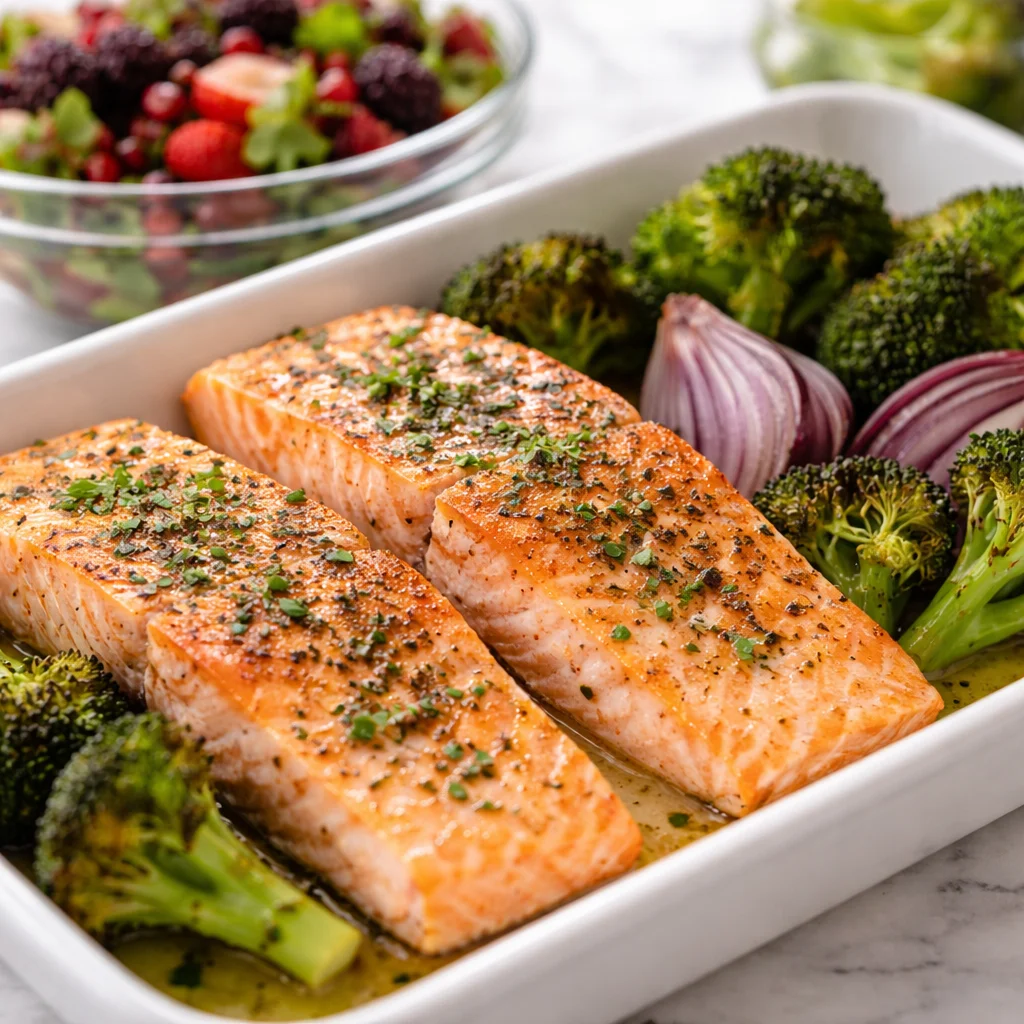
Gut-friendly meal prep can completely change how your week feels. Instead of scrambling for last-minute meals or reaching for foods that leave you bloated, you create a simple system that supports digestion every single day. The key isn’t perfection it’s preparation. A few calming staples, cooked once, can carry you through the week with less stress and better energy.
Gut-Friendly Meal Prep: A Simple Weekly Framework
Gut-friendly meal prep means preparing digestion-supportive foods in advance so you can build balanced meals all week. Focus on cooked vegetables, gentle fibers like oats and quinoa, quality protein, and simple sauces. This reduces bloating, supports your microbiome, and eliminates last-minute unhealthy food choices.
When I say a seven day plan, I do not mean eating the exact same sad container of chicken and rice for every meal. I mean prepping a few building blocks that mix and match well, so your meals feel fresh while your gut stays calm. The sweet spot for me is one batch of protein, one big tray of roasted veggies, one pot of grains, and one sauce that makes everything taste like you tried harder than you did.
If you want a structured dinner focused plan, this is a solid guide to keep you on track: 7-day anti-inflammatory dinner meal prep plan. I use a similar vibe, but I spread it across breakfast, lunch, dinner, and snacks so the whole day feels easier.
The goal is simple: remove decision fatigue, avoid trigger foods, and eat meals that leave you feeling steady not bloated or sluggish.
What Is Gut-Friendly Meal Prep? (And Why It Supports Your Microbiome)
Gut-friendly meal prep is just prepping foods that are easier to digest and generally supportive of the bacteria in your gut, then portioning them so you can grab and go. For me, it means I focus on fiber that is not too aggressive, gentle cooking methods, and ingredients that do not leave me bloated for hours.
It supports your microbiome because the good bacteria love variety and they really love plant fibers. You do not need to be perfect. You just need a steady rhythm of meals that include things like cooked veggies, oats, beans if you tolerate them, fermented foods in small amounts, and enough protein so your blood sugar does not crash.
Also, meal prep helps because your stress level stays lower during the week, and your gut notices that. When I am frantic and hungry, I eat too fast, I eat random stuff, and I regret it later.
The Science Behind Gut Health and Inflammation
Here’s the short version of what actually matters. Ongoing inflammation in the body can make digestion feel rough, and your gut lining can get more sensitive when you are constantly pushing it with ultra processed foods, lots of added sugar, or foods you personally do not tolerate well.
On the flip side, a more anti inflammatory style of eating often includes omega 3 rich foods, colorful plants, and spices like ginger and turmeric. That combo tends to be easier on digestion for a lot of people. Not everyone reacts the same way, which is why I like to keep notes in my phone. If a food keeps making you feel awful, it is useful information, not a failure.
If you are trying to connect the dots between how you feel and what you are eating, this is a helpful read: 10 signs of an unhealthy gut and how to fix it naturally fast.
Key Principles of an Anti-Inflammatory, Digestive-Friendly Meal Plan
This is the stuff I come back to every single week. It keeps the plan simple and it keeps my stomach happier.
- Cook your veggies more often than you eat them raw if you bloat easily.
- Balance your plate with protein, carbs, and fat so you stay satisfied.
- Start mild with spices, then build up if your gut is sensitive.
- Use easy fibers like oats, chia, cooked carrots, and sweet potato.
- Add fermented foods in small amounts if you tolerate them, like yogurt or kefir.
- Keep sauces simple so you are not sneaking in sugar bombs.
And a personal rule that saves me: if a meal is not tasty, I will not eat it. So I always prep one bold flavor booster like lemon tahini sauce or a quick ginger dressing.
Best Gut-Healthy Ingredients to Include in Your Weekly Meal Prep
If I am stocking my kitchen for gut friendly meal prep, these are my usual suspects. I rotate them so I do not get bored and so my gut gets variety.
Proteins: salmon, eggs, turkey, tofu, or chicken. When I do chicken, I like a simple anti inflammatory marinade. This is a good reference if you want a chicken focused week: anti-inflammatory chicken meal prep.
Carbs that feel gentle: oats, quinoa, brown rice, sweet potatoes, and sourdough if you tolerate it.
Veggies I almost always cook: zucchini, carrots, spinach, green beans, bell peppers, and peeled sweet potato.
Gut supportive extras: chia seeds, ground flax, olive oil, berries, kefir, plain yogurt, ginger, turmeric, and cinnamon.
And yes, I still keep a few convenience foods. Frozen berries and frozen spinach are weeknight heroes.
7-Day Gut-Friendly Meal Prep Plan (Breakfast, Lunch, Dinner & Snacks)
Here is the flow I use. It is not rigid. Think of it like a menu you can shuffle.
Prep once, mix all week: cook a pot of quinoa, roast two sheet pans of veggies, bake or pan cook your protein, and make one sauce. Then you can build bowls, wraps, and quick plates in minutes.
My simple weekly rhythm: lighter breakfasts, hearty lunches, simpler dinners, and snacks that do not spike my cravings. If you need more lunch specific options, this page has plenty of ideas: gut-friendly lunch recipes.
I also like to plan two “lazy meals” where I just assemble, like a salad with pre cooked protein or a smoothie plus toast. That little bit of flexibility makes the plan actually doable.
Easy Gut-Friendly Breakfast Meal Prep Ideas
Breakfast is where I used to mess up my day. If I grabbed something sugary, my appetite went wild and my stomach felt off. Now I rotate a few options that take almost no effort on busy mornings.
My go to breakfast preps:
Overnight oats with chia, cinnamon, and blueberries. Egg muffins with spinach and a little feta. Plain yogurt with cooked berries and ground flax. Or a smoothie pack you just dump and blend.
If you want more morning ideas that are gentle and filling, this is a good list: gut-friendly breakfast ideas for better digestion.
Quick note from my own trial and error: if raw smoothies bloat you, try blending and then letting it sit for a couple minutes, or use cooked fruit like thawed frozen berries. It can feel easier.
Anti-Inflammatory Lunch Bowls for a Healthy Gut
Lunch bowls are my weekday safety net. You can build them in five minutes, and they travel well if you are taking lunch to work.
My favorite build your own bowl formula
Start with quinoa or rice, add roasted veggies, add protein, then sauce, then a little crunch if you want it. The sauce is what makes it feel like a real meal instead of leftovers.
Easy sauce ideas: lemon tahini, olive oil plus lemon plus herbs, or a simple yogurt dill sauce. If you like chicken lunches, you can also browse this collection: 10 easy anti-inflammatory chicken recipes for a healthy gut.
For crunch, I do pumpkin seeds or chopped cucumber on top. If raw veg bothers you, skip it and add extra roasted veg instead.
Light, Digestive-Friendly Dinners for the Week
Dinner is where I want comfort, but not the kind of comfort that makes me feel heavy and sluggish. I keep dinners lighter and easier to digest, especially on weeknights.
3 dinner templates I never get tired of
1) Sheet pan dinner plate: reheat roasted veggies, add your protein, drizzle sauce, and add a side of rice.
2) Cozy soup shortcut: heat boxed bone broth or veggie broth, add leftover quinoa and spinach, then crack in an egg or add shredded chicken.
3) Quick stir fry: warm olive oil, add cooked rice, toss in veggies and protein, season with ginger and a splash of coconut aminos if you use it.
If your evenings are hectic, remember this: a “real dinner” can be a bowl of warm grains, veggies, and protein. It does not have to be fancy.
Gut-Friendly Snacks That Help Reduce Bloating
Snacks can either calm things down or make the bloating worse, at least in my experience. I aim for snacks with protein or healthy fats so I do not end up hunting for cookies an hour later.
Snack ideas I actually look forward to
Banana with peanut butter. Rice cakes with turkey and cucumber. Yogurt with cinnamon. A small handful of walnuts plus berries. Or a simple smoothie when I want something cold and filling. If smoothies work for you, this is a nice guide: gut-friendly smoothies bloating relief.
I also keep peppermint tea around. It is not magic, but it feels soothing after a bigger meal.
Foods to Avoid When Doing Gut-Friendly Meal Prep
This part is personal, because everyone has different triggers. But there are a few common troublemakers that can make meal prep backfire if you are sensitive.
I try to limit: heavy fried foods, lots of added sugar, huge amounts of raw onion and garlic, super spicy sauces, and big portions of ultra processed snack foods. Some people also struggle with lots of dairy or large servings of beans. You don’t have to eliminate them forever just avoid building your entire week around them.
Also, watch the “healthy” protein bars and shakes. Some of them are sweetened with sugar alcohols that can cause major bloating. Read the label and trust your gut, literally.
Step-by-Step Guide: How to Meal Prep for Gut Health Successfully
This is the exact order I use so I do not end up overwhelmed.
Step 1: Pick 2 proteins, 2 carbs, and 4 veggies for the week.
Step 2: Choose one sauce and one snack you can repeat.
Step 3: Cook carbs first, then roast veggies, then cook protein.
Step 4: Portion into containers, but keep sauces separate so things do not get soggy.
Step 5: Write a tiny note on the fridge listing what is ready to eat. This sounds silly, but it saves you from forgetting what you prepped.
This is where gut friendly meal prep really shines because you are making the easy choice the default choice.
Common Gut Health Meal Prep Mistakes That Cause Bloating
I have made all of these mistakes, so learn from me.
Too much raw fiber at once: giant salads every day can be rough if your gut is sensitive. Mix in cooked veggies.
Repeating the same food nonstop: even healthy foods can get irritating if you overdo them. Rotate.
Overdoing protein powders and bars: some sweeteners and gums can bloat you fast.
Eating too fast: meal prep does not help if you inhale your lunch in four minutes. Give yourself a few extra minutes if you can.
Making everything spicy: spice is great, but not when your digestion is already cranky.
When I keep it simple and consistent, my stomach feels calmer, and I get fewer random cravings.
Storage Tips, Reheating, and How Long Gut-Friendly Meals Last
I am picky about leftovers, so I stick to some basic safety and quality rules.
Most cooked meals last about 3 to 4 days in the fridge. If I prep on Sunday, I freeze half of the protein and sometimes a container of grains, then thaw midweek. Sauces with yogurt usually last 3 to 4 days. Roasted veggies are best in the first 3 days, but they are still usable on day 4 if they were cooled and stored properly.
Reheating tip: add a splash of water or broth before microwaving grains or chicken so it does not dry out. And keep crunchy toppings separate until you eat.
Label your containers if you are prepping a lot. Future you will be grateful.
Common Questions
1. How long does gut-friendly meal prep last?
Most cooked meals stay fresh 3–4 days in the fridge. Freeze part of your protein or grains to extend freshness.
2. Is meal prep good for bloating?
Yes, when focused on cooked vegetables, balanced meals, and fewer processed foods.
3. What protein is easiest to digest?
Eggs, salmon, turkey, and slow-cooked chicken are often gentler options.
4. Can I meal prep without cooking much?
Yes. Use rotisserie chicken, frozen rice, frozen vegetables, and simple yogurt-based sauces.
A realistic plan you can actually stick with
If you take one thing from this post, let it be this: gut-friendly meal prep works best when it is simple, flexible, and built around foods you genuinely enjoy. Pick a few calming staples, prep them once, and let yourself mix and match all week without overthinking it. If you want even more ideas to rotate in, I also keep this helpful roundup open when I am bored of my usual routine: 20 Simple Meal Prep Ideas to Help Support Gut Health – EatingWell. Start small. Track how you feel. Commit to one week and let your body tell you what’s working. You might be surprised how much lighter and more comfortable you feel by Friday.
Gut-Friendly Meal Prep Plan
Ingredients
Method
- Choose 2 proteins, 2 carbs, and 4 veggies for the week.
- Cook the carbs first (quinoa and brown rice), then roast the vegetables.
- Prepare the protein: bake or pan-cook chicken, prepare salmon or tofu as desired.
- Make one sauce for the week, such as lemon tahini or yogurt dill sauce.
- Portion everything into containers, keeping sauces separate to avoid sogginess.
- Label containers to easily identify meals.