
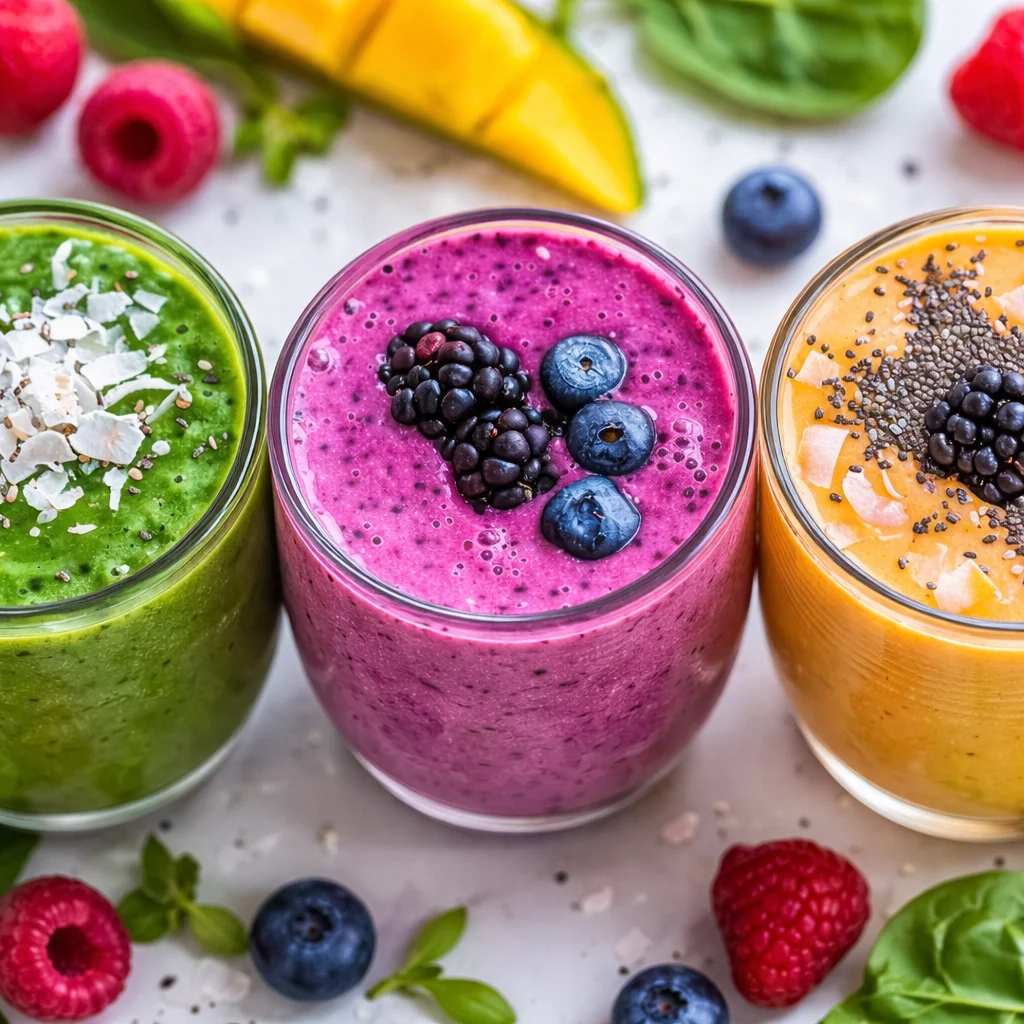
If your stomach feels bloated more often than it feels calm, your morning smoothie might be part of the problem or the solution. The right gut-friendly smoothies can support digestion, reduce bloating, and nourish your microbiome. The wrong ones can overload your system with sugar and hard-to-digest ingredients. Here is how to do it the smart way.
Why Gut-Friendly Smoothies Help with Digestion
Gut-friendly smoothies can help reduce bloating and support digestion when made with balanced fiber, probiotics, and anti-inflammatory ingredients like ginger or berries. Keep recipes simple, limit high-FODMAP fruits, and avoid excess sugar. Small portions and consistent use often work better than overloaded “superfood” blends.
When I say bloating relief, I do not mean a magic trick that fixes everything in 10 minutes. I mean the kind of steady, everyday support that helps you feel lighter and more comfortable over time.
For me, gut friendly smoothies help most when I keep them simple, not too sweet, and not overloaded with raw roughage. Think creamy, blended, and balanced, so your digestion is not trying to wrestle a salad at 7 AM.
If you are dealing with frequent bloating, it can also help to zoom out and look at the bigger picture. I found this super helpful: why your gut health is causing bloating and how to fix it fast. It made me realize my smoothie choices were sometimes part of the problem.
Why Smoothies Can Improve Gut Health and Support the Microbiome
Because smoothies are blended, your digestive system has less mechanical work to do compared to chewing through a large raw salad. That means less work for your stomach, and for some people, fewer bubbles and less pressure.
The real benefit comes from consistency. When I drink gut friendly smoothies a few times a week, I end up eating more fiber and more colorful plants without thinking about it. That steady flow of plant foods helps support the microbiome, which is basically your gut community that influences digestion, inflammation, and even cravings.
If you want a deeper guide on what actually helps, this is a solid read: how to improve gut health naturally. It helped me connect the dots between daily food choices and how I felt.
What Makes a Smoothie Truly Gut-Friendly? (Fiber, Probiotics & Anti-Inflammatory Ingredients)
A smoothie is not automatically “healthy” just because it is blended. Some smoothies are basically a liquid dessert and can leave you more bloated than before.
Here is what I look for when I want something that is actually gut supportive:
- Fiber to keep things moving and feed good bacteria, but not so much that it overwhelms you
- Probiotics from yogurt or kefir, especially if your gut feels off after stress or travel
- Anti-inflammatory ingredients like ginger, turmeric, berries, and chia
- Protein or healthy fats so you stay satisfied and your blood sugar does not spike and crash
One more thing that matters a lot is portion size. A huge smoothie can be too much volume for some bodies, even if the ingredients are “perfect.” I do better with a medium glass and a slow sip.
Best Ingredients for Gut-Friendly Smoothies (Prebiotics, Probiotics & Healthy Fats)
Let us talk building blocks. If your goal is digestion support and less bloating, these are my regulars. I keep them on rotation so I can mix and match.
Prebiotic fiber foods (they feed your good gut bacteria):
Banana (especially slightly green), oats, chia seeds, ground flax, cooked and cooled oats, and small amounts of apple or pear if you tolerate them.
Probiotic foods (they add helpful bacteria):
Plain Greek yogurt, kefir, and sometimes a spoon of fermented add ins like a tiny bit of sauerkraut juice if you are adventurous. Start small, seriously.
Healthy fats (they help fullness and calm hunger swings):
Avocado, almond butter, peanut butter, tahini, chia, flax, and coconut yogurt in small amounts if coconut works for you.
Need a bigger list of gut supportive foods you can use beyond smoothies too? I have referenced this guide a lot: 15 best foods for gut health and digestion.
12 Gut-Friendly Smoothie Recipes for Digestion, IBS & Sensitive Stomachs
These are the combos I make when I want my stomach to calm down, not start a debate. You can adjust the liquid to make them thinner or thicker. If you are sensitive, start with smaller servings and fewer ingredients.
1) Banana Oat Calm Smoothie
Banana, soaked oats, cinnamon, plain yogurt or kefir, water or almond milk.
2) Blueberry Ginger Belly Blend
Frozen blueberries, fresh ginger, chia, kefir, water.
3) Papaya Lime Soother
Papaya, lime, coconut water, a few mint leaves, collagen or plain yogurt.
4) Strawberry Kefir Cream
Strawberries, kefir, flax, a little vanilla, ice.
5) Pineapple Ginger Cooler
Pineapple, ginger, cucumber, coconut water, pinch of salt.
6) Peachy Probiotic Smoothie
Peach (fresh or frozen), Greek yogurt, oats, cinnamon.
7) Avocado Blueberry Thickie
Avocado, blueberries, almond butter, spinach (a small handful), water.
8) Chocolate Banana Fiber Smoothie
Banana, cocoa powder, chia, peanut butter, milk of choice.
9) Low-FODMAP Berry Blend
Strawberries and blueberries, lactose free yogurt, chia, water.
10) Golden Turmeric Smoothie
Banana, turmeric, ginger, yogurt or coconut yogurt, a few ice cubes.
11) Apple Cinnamon Gentle Shake
Small amount of apple, oats, cinnamon, Greek yogurt, water. If apple bloats you, swap in banana.
12) Green, But Make It Soft
Banana, spinach, kiwi, kefir, chia. This one is green but still mild.
If you want more dinner style ideas that support digestion too, I also pull inspiration from these gut healthy recipes for better digestion.
How to Build a Balanced Gut-Healthy Smoothie (Step-by-Step Formula)
I follow a simple formula so I do not end up with a random mix that tastes weird or makes me bloat.
My basic smoothie formula:
1) Pick 1 fruit base: banana, berries, papaya, or peach
2) Add 1 fiber booster: chia, ground flax, or oats
3) Add 1 protein or probiotic: Greek yogurt, kefir, or a gentle protein powder you tolerate
4) Add 1 calming extra: ginger, cinnamon, or turmeric
5) Choose liquid: water, coconut water, lactose free milk, or almond milk
6) Blend well and let it sit 2 minutes if you used chia or oats
One more tip from my own trial and error: if you are new to gut friendly smoothies, keep it to 5 or 6 ingredients max. The more stuff you toss in, the harder it is to tell what is helping and what is not.
High-Fiber Smoothies to Feed Good Gut Bacteria Naturally
Fiber is amazing, but too much too fast is a classic way to end up gassy. I learned that the hard way with an “all the seeds” smoothie that had me regretting everything by noon.
If you want to feed good gut bacteria without overdoing it, try:
Gentle high fiber add ins: oats, chia (1 tablespoon), ground flax (1 tablespoon), berries, and kiwi.
My personal sweet spot is about 1 tablespoon chia or flax plus 1 to 2 servings of fruit. That is enough to feel the benefit without feeling like a balloon.
Probiotic-Rich Smoothies with Kefir, Yogurt & Fermented Add-Ins
Kefir is my favorite because it blends easily and tastes slightly tangy, like drinkable yogurt. If your digestion is sensitive, start with a small amount and see how you feel.
Ways I like to use probiotics in gut friendly smoothies:
Kefir base with berries and chia for a simple daily option.
Greek yogurt with banana and cinnamon when I want something more filling.
Fermented add ins like a teaspoon of fermented juice, only if you already know you tolerate it.
If you are curious about other drinks that help digestion, you might like this list too: best drinks for gut health and better digestion.
Anti-Inflammatory Smoothies with Turmeric, Ginger & Berries
When my belly feels irritated, I focus on soothing flavors. Ginger is the one I can feel pretty quickly. Turmeric works more gradually, supporting inflammation balance over time rather than providing instant relief.
My favorite anti-inflammatory combo is: frozen blueberries + kefir + fresh ginger + pinch of cinnamon. It tastes bright and cozy at the same time.
If you are working on inflammation in general, I also keep this bookmarked for food ideas: anti-inflammatory foods for gut health and energy.
Low-FODMAP and Dairy-Free Smoothie Options for Sensitive Digestion
If you have IBS or you suspect certain carbs trigger you, low-FODMAP style smoothies can be a lifesaver. The trick is choosing fruits and add ins that are less likely to ferment in your gut.
Low-FODMAP friendly picks often include strawberries, blueberries, kiwi, oranges, and small amounts of unripe banana.
Dairy-free options: lactose free yogurt, coconut yogurt (if tolerated), almond milk, or just water plus chia and fruit.
Also, do not feel like you need raw cauliflower or a mountain of greens to be “healthy.” For sensitive digestion, When digestion is sensitive, simpler ingredients almost always work better than aggressive “superfood” combinations.
Common Smoothie Mistakes That Can Cause Bloating
I have made every mistake on this list. If smoothies make you bloat, it might not be smoothies in general. It might be one of these issues.
Common bloating triggers in smoothie habits:
Too much fruit at once, adding tons of raw greens, using sugar alcohols, drinking it super fast, or using whey protein that does not agree with you.
Also, ice cold smoothies can bother some people. If that is you, try using room temp liquid and fewer ice cubes. It sounds small, but it can matter.
Foods to Avoid in Smoothies If You Struggle with Gas or Inflammation
This part is personal, because everyone tolerates foods differently. But if you are trying to calm bloating, these are worth watching.
Foods that commonly cause trouble:
Large amounts of apple, pear, mango, big servings of dates, lots of inulin fiber powders, too much nut butter, and anything packed with sugar alcohols.
Sometimes the “healthy” add ons are the issue. A scoop of fiber powder might be great for one person and a disaster for another. If you are not sure what is bugging you, check out these signs of an unhealthy gut because it can help you spot patterns that are not obvious at first.
When to Drink Gut-Friendly Smoothies for Best Digestive Results
I like gut friendly smoothies most in the morning or mid afternoon. Morning works because my stomach is empty and calm, so simple ingredients go down easy. Mid afternoon works because it keeps me from grabbing something random that leaves me bloated at dinner.
If you are dealing with reflux, you might prefer earlier in the day. If you are sensitive to fiber, do not chug one right before bed. And if you are using a smoothie as a meal, make sure it has protein and fat so you do not feel hungry again in 45 minutes.
Meal Prep and Freezer Tips for Easy Gut-Healthy Smoothies
This is what makes smoothies realistic for me. If I have to measure 12 things every morning, it is not happening.
My lazy meal prep routine:
Once a week, I portion freezer bags with fruit and any dry add ins. In the morning, I dump the bag into the blender, add kefir or yogurt, and blend. Done.
Freezer pack ideas:
- Blueberry + ginger cubes + chia
- Strawberry + oats + cinnamon
- Pineapple + cucumber + mint
- Peach + flax + pinch of vanilla
Pro tip: keep chia and oats smaller at first if you are easing into it. You can always add more later.
Common Questions
1) Can gut friendly smoothies help with constipation?
They can, especially if you include oats, chia, kiwi, or berries plus enough water. Start with moderate fiber so you do not get extra gas.
2) What if smoothies always make me bloat?
Try a smaller portion, less fruit, and skip sugar alcohols or big piles of raw greens. Also try room temp liquids instead of lots of ice.
3) Are bananas good or bad for bloating?
For many people they are great, especially slightly green bananas. If ripe bananas bother you, swap for berries or papaya.
4) Is kefir better than yogurt?
Not always, but kefir is easy to blend and tends to be very probiotic rich. If dairy bothers you, use lactose free kefir or coconut yogurt if tolerated.
5) Can I drink these if I have IBS?
Many people can, but stick to low-FODMAP fruits, keep ingredients simple, and introduce new add ins slowly.
Start Simple and Listen to Your Gut
Gut-friendly smoothies are not magic. But when built correctly, they can gently support digestion, reduce bloating, and help you feel more in control of your gut. Pick one recipe. Try it tomorrow. Keep it simple. And pay attention to what your body tells you that is your real roadmap to better digestion.
Gut-Friendly Smoothies
Ingredients
Method
- Start by soaking the oats in water for about 30 minutes, or overnight for best results.
- Gather all the ingredients for your smoothie based on the desired recipe.
- Blend the base ingredients together until smooth.
- Add your additional flavor boosters and blend again until well combined.
- Let the smoothie sit for 2 minutes if chia seeds or oats were used, to allow absorption.
- Serve in a glass and enjoy slowly for best digestion.