
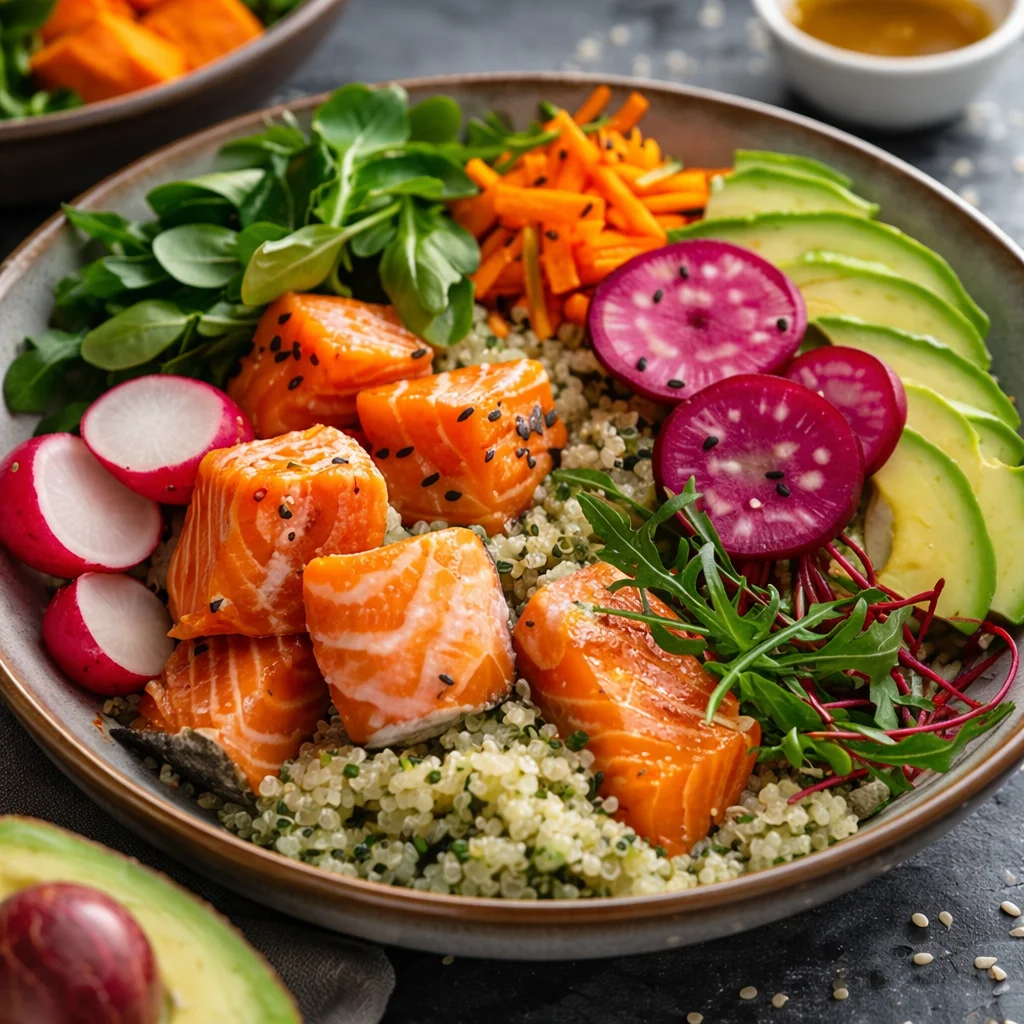
If you struggle with bloating, sluggish digestion, or meals that leave you feeling worse instead of better, it may be time to simplify your plate. Gut-friendly recipes focus on gentle fiber, anti-inflammatory ingredients, and easy-to-digest meals that support your microbiome without overwhelming it. This guide breaks down exactly what to eat, what to avoid, and how to build meals that help you feel lighter and more energized.
Gut-Friendly Recipes for Better Digestion (Complete 2026 Guide)
Gut-friendly recipes focus on easy-to-digest ingredients like cooked vegetables, rice, lean proteins, healthy fats, and calming spices such as ginger. These meals support digestion, reduce bloating, and promote balanced gut bacteria without overwhelming sensitive stomachs.
My goal here is simple: help you cook meals that feel good after you eat them. No complicated rules, no perfection, just practical food that supports digestion. When I say Gut-Friendly Recipes, I mean recipes that lean on gentle fiber, smart fats, calming spices, and fermented foods in amounts that make sense for real life.
If you want even more ideas to browse later, I keep a running list of favorites here: gut-friendly recipes. I dip into it whenever I need inspiration for the week.
We’ll also cover bloating, IBS triggers, inflammation, and practical meal solutions for busy days.
What Is Gut Health and Why It Matters for Digestion, Immunity, and Inflammation
Your gut is not just about digestion. It is tied to your immune system, your energy, and even how “inflamed” your body feels day to day. When my gut is off, I notice it everywhere: more cravings, worse sleep, and that low key irritated feeling that makes everything harder.
In simple terms, gut health is about how efficiently your digestive system works and how balanced your gut bacteria are because that balance affects everything from bloating to energy levels. When things are balanced, you usually have:
More regular digestion, less bloating, steadier energy, and fewer random stomach surprises.
There is no magic fix. Real improvement comes from consistency and choosing foods your body can digest without triggering inflammation or discomfort.
The Science Behind the Microbiome and Anti-Inflammatory Eating
Your microbiome is basically the community of microbes living in your gut. They help break down certain foods and can influence inflammation. The simple takeaway I use: feed the helpful ones with fiber rich plants and include fermented foods if you tolerate them.
For anti-inflammatory eating, I focus on a few reliable habits:
- Color on the plate (berries, leafy greens, carrots, squash)
- Healthy fats (olive oil, avocado, salmon)
- Gentle carbs (oats, rice, potatoes, quinoa)
- Spices like ginger and turmeric, especially when my stomach feels “tight”
If chicken sits well for you, you might like this roundup for easy dinners: 10 easy anti-inflammatory chicken recipes for a healthy gut.
Proven Benefits of Gut-Friendly Recipes for Bloating, IBS, and Energy
I am not here to promise overnight cures, but I can say this: when I stick to Gut-Friendly Recipes for a couple weeks, I feel a real difference. For many people, the benefits can include less bloating, fewer IBS flare style meals (the ones you instantly regret), and more stable energy.
Here is what tends to help the most:
Regular meals (skipping then overeating is a bloating trap), hydration, and a steady amount of fiber you can actually handle.
Also, sometimes “healthy” foods are too intense when your gut is sensitive. Raw salads and tons of beans can backfire. Cooked veggies and simple grains can be way gentler.
Best Gut-Healthy Ingredients to Stock in Your Kitchen
If your kitchen feels random right now, start with a short list. These are the staples I keep around so I can throw together Gut-Friendly Recipes without thinking too hard.
My go-to gut-friendly staples:
- Rolled oats
- Rice or quinoa
- Bananas and berries (fresh or frozen)
- Zucchini, carrots, spinach, and sweet potatoes
- Olive oil
- Eggs or chicken, plus canned salmon or tuna
- Plain yogurt or kefir (or coconut yogurt if dairy-free)
- Ginger tea and peppermint tea
- Sauerkraut or kimchi (small amounts at first)
One more helpful resource when you want a full dinner plan vibe is this: 15 gut-healthy recipes for better digestion tonight.
Foods to Avoid That Can Disrupt Gut Health and Trigger Inflammation
This part is not about being strict. It is more like noticing patterns. If you are dealing with bloating or IBS symptoms, these are common troublemakers:
Highly processed foods, lots of added sugar, greasy fried meals, heavy alcohol, and big servings of ultra spicy food can all be rough for some people.
Also, some “healthy” picks can be triggering depending on your body, like sugar alcohols, giant smoothies, or too much garlic and onion in one meal. If your stomach says no, listen.
Small swaps help. For example, try roasted garlic oil instead of raw garlic, or cooked greens instead of a huge salad.
25 Gut-Friendly Recipes for Breakfast, Lunch, Dinner, and Snacks
Before we get into my personal favorite recipe, here are idea starters you can rotate through. Here’s a quick rotation list you can save and reuse during busy weeks.
Breakfast: oatmeal with banana, yogurt bowl with berries, scrambled eggs with spinach, rice porridge with ginger, chia pudding (if you tolerate it).
Lunch: chicken and rice soup, quinoa bowl with roasted carrots, tuna with mashed avocado on sourdough, miso soup with tofu, turkey and cucumber wraps.
Dinner: salmon with sweet potato, ginger chicken stir fry with zucchini, turkey meatballs with rice, veggie omelet, simple shrimp and rice bowl.
Snacks: kefir smoothie, banana with peanut butter, rice cakes with cottage cheese, small bowl of berries, peppermint tea with a few walnuts.
And if you love set-it-and-forget-it cooking, this roundup is a lifesaver: 40 plus slow cooker anti-inflammatory recipes.
Step-by-Step Guide to Building a Balanced Gut-Friendly Meal
This is the little formula I use when I do not want to follow a recipe. It keeps meals soothing and satisfying.
My simple plate formula
- Protein: eggs, chicken, fish, tofu, or yogurt
- Carb: rice, oats, potatoes, quinoa, sourdough
- Cooked veggie: zucchini, carrots, spinach, green beans
- Fat: olive oil, avocado, tahini
- Flavor: ginger, lemon, herbs, a pinch of salt
When my gut is sensitive, I go lighter on raw veggies and big amounts of beans. I also keep portions reasonable, because even healthy food can feel heavy if you eat too much too late.
7-Day Gut-Friendly Meal Plan for Beginners (Printable-Friendly)
This is a gentle starting point. Mix and match based on what you tolerate.
Simple 7-day plan
Day 1: oatmeal breakfast, chicken rice soup lunch, salmon and sweet potato dinner.
Day 2: yogurt and berries, quinoa bowl with roasted carrots, turkey meatballs with rice.
Day 3: eggs and spinach, tuna avocado toast, ginger chicken with zucchini and rice.
Day 4: rice porridge, leftovers soup, tofu miso bowl with cooked greens.
Day 5: oatmeal, turkey cucumber wrap, shrimp rice bowl.
Day 6: smoothie with kefir, quinoa leftovers, simple omelet dinner.
Day 7: yogurt bowl, chicken salad with cooked veggies, baked fish with potatoes.
Pro tip: repeat meals on purpose. Your gut often likes consistency more than constant surprises.
Quick and Easy Gut-Friendly Meals for Busy Weeknights (Under 30 Minutes)
On weeknights, I need dinner to be fast, or it will become chips and random snacks. My favorite quick options:
Egg scramble with spinach and rice, canned salmon bowl with cucumber and avocado, quick chicken stir fry with zucchini, or soup made from broth plus leftover rice and shredded chicken.
If you want more weeknight specific inspiration, this is worth bookmarking: anti-inflammatory dinner recipes for busy weeknights.
Anti-Inflammatory Variations: Gluten-Free, Dairy-Free, and Low-FODMAP Options
You can keep meals gut-friendly even with restrictions. I do not label everything in my kitchen, but I do make simple swaps when needed.
Gluten-free: use rice, quinoa, potatoes, certified gluten-free oats, and gluten-free tamari.
Dairy-free: coconut yogurt, olive oil instead of butter, and dairy-free kefir alternatives if you tolerate them.
Low-FODMAP: go easier on onion, garlic, apples, and big servings of beans. Use garlic-infused oil, chives, or ginger for flavor.
The point is not to restrict forever. It is to find your calm baseline, then expand from there.
Common Mistakes That Can Slow Gut Healing
I have made all of these at some point, so no judgment.
Big mistake number one is changing everything at once. Another is adding tons of fiber overnight and then wondering why you feel like a balloon. Also, eating super fast, eating late, and eating while stressed can mess with digestion even if the food is “perfect.”
My best fix: slow down, chew, and keep meals simple for a bit. Your body usually responds better to calm consistency than to extreme food rules.
Meal Prep, Storage Tips, and How to Keep Recipes Gut-Healthy All Week
I am not a huge meal prep person, but I will do a few things that make the week easier.
My low effort prep routine
- Cook a pot of rice or quinoa and store it for 3 to 4 days
- Roast a tray of carrots and zucchini with olive oil
- Make a simple soup base (broth plus ginger) and add protein later
- Wash berries and portion yogurt
Storage tip: keep sauces simple. Too much heavy creamy sauce can turn a gut-friendly meal into a regret meal for some of us. I stick to olive oil, lemon, and herbs most days.
How to Create a Daily Routine to Improve Digestion Naturally
This is the boring part that actually works. I try to keep a steady rhythm: breakfast within a couple hours of waking, balanced lunch, and a lighter dinner if I can. I also walk after meals when possible, even 10 minutes around the block. It helps more than you would think.
My daily routine basics:
Hydrate early, eat at regular times, add cooked veggies, and keep stress meals (you know the ones) as an occasional thing, not a daily thing.
If you are also balancing hormones and digestion, you might like this dinner list too: hormone-balancing dinner recipes.
My Favorite Go-To Recipe: Cozy Ginger Chicken Rice Soup
This is the recipe I make when my stomach feels off but I still want real food. It is warm, gentle, and it smells like you are taking care of yourself, which honestly matters. I make it when I am bloated, when I am run down, or when I just want an easy dinner that will not pick a fight with my gut. This is one of my most reliable Gut-Friendly Recipes because it is simple and forgiving.
Ingredients and quick directions
- 6 cups chicken broth (or bone broth if you like it)
- 1 to 2 cups cooked rice
- 1 pound chicken (thighs or breast)
- 1 cup sliced carrots
- 1 cup chopped zucchini
- 1 tablespoon grated ginger (start with less if you are unsure)
- 1 to 2 tablespoons olive oil
- Salt to taste
- Optional: a squeeze of lemon, chopped spinach, or a spoon of miso stirred in at the end (do not boil miso)
How I do it: warm olive oil in a pot, add ginger and carrots for a minute, pour in broth, add chicken, and simmer until the chicken is cooked. Shred the chicken right in the pot, add zucchini and cooked rice, and simmer a few more minutes. Taste for salt. That is it.
My personal note: if you are sensitive, keep the portion moderate and go back for more later if you feel good. This sounds obvious, but it really helps.
Common Questions
1) How fast do Gut-Friendly Recipes help with bloating?
Some people feel lighter in a few days, especially if they cut back on greasy or super processed foods. For others, it can take a couple weeks of consistency.
2) Are fermented foods always good for digestion?
Not always. They can help some people, but if they make you gassy or uncomfortable, start with tiny amounts or skip them for now.
3) Can I eat salad if I am trying to support my gut?
Sure, but if you bloat easily, try smaller portions or swap to cooked veggies for a while. I personally do better with cooked greens when my gut is touchy.
4) What is the easiest gut-friendly breakfast?
Oatmeal with banana is my no-brainer. Yogurt with berries also works if you tolerate dairy or have a dairy-free option you like.
5) Is this okay for IBS?
It depends on your triggers. Many of these ideas can be IBS friendly, but you might need low-FODMAP tweaks like skipping onion and garlic and watching portion sizes.
A Cozy Next Step You Can Try Tonight
If your digestion feels off, start small. Choose one or two gut-friendly recipes and repeat them for several days. Consistency often works better than constantly changing meals. Stock a few basics like rice, broth, cooked veggies, and ginger, then build from there without overthinking it. If you want a credible reference to explore alongside this post, the Crohn’s and Colitis Foundation has a helpful page on Gut Friendly Recipes | Crohn’s & Colitis Foundation. Start with the ginger chicken rice soup this week. It’s simple, soothing, and often the fastest way to calm a sensitive stomach.