
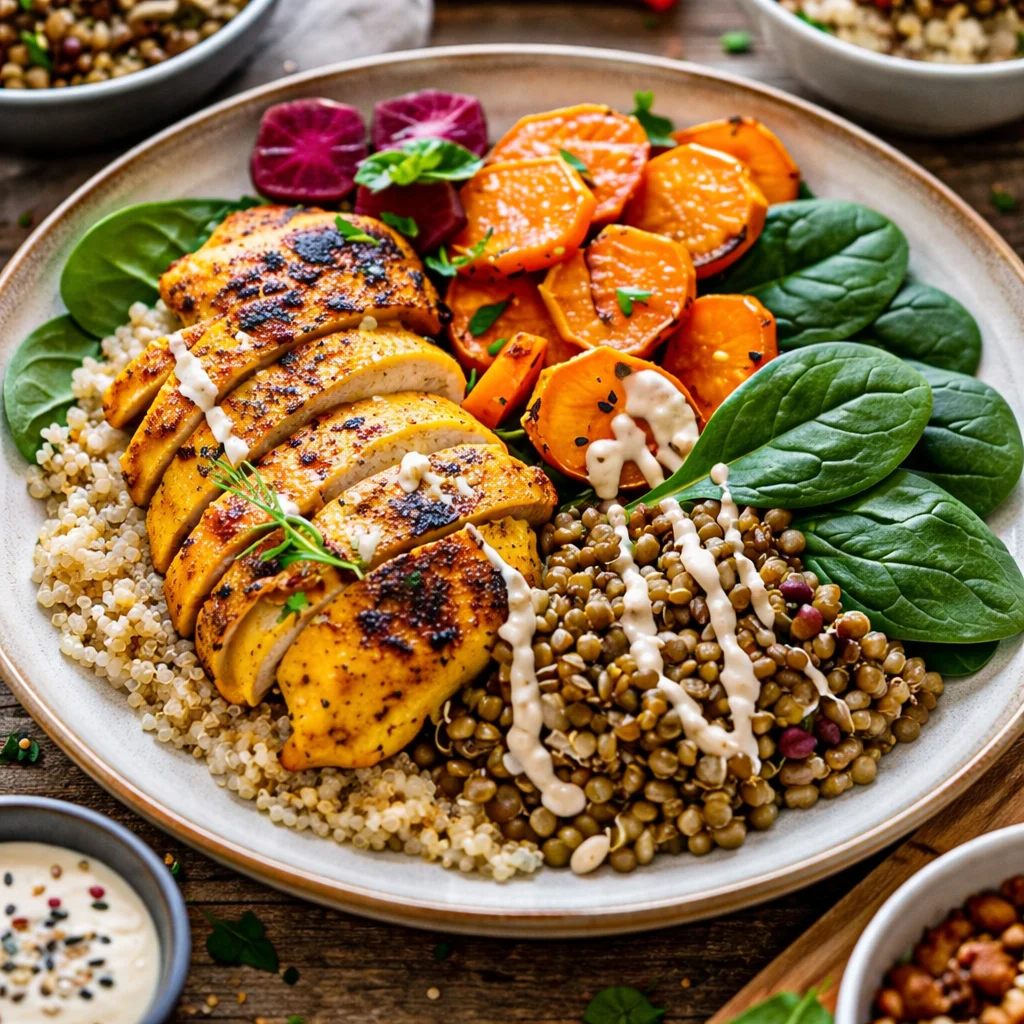
Gluten-Free Anti-Inflammatory Dinners have become my go-to solution on nights when my stomach feels bloated or my joints feel stiff and achy. I used to think “healthy” meant bland and repetitive. But once I started using bold spices, fresh herbs, and colorful bowls, dinner became something I genuinely looked forward to. If you are short on time, I keep a little list of go to ideas from anti-inflammatory dinner recipes for busy weeknights and build from there with whatever is in my fridge. This guide is for those nights when you want comfort food that feels satisfying without worrying about hidden gluten or inflammatory ingredients. I will share the foods I stock, what to avoid, and a bunch of easy dinners I actually make.
Gluten-Free Anti-Inflatory Dinners (Healthy & Easy Recipes)
Gluten-free anti-inflammatory dinners are meals made with whole, minimally processed ingredients that avoid gluten and emphasize vegetables, lean protein, healthy fats, and anti-inflammatory spices. They may help reduce bloating and support better gut health when eaten consistently.
When I talk about gluten free anti inflammatory dinners, I mean meals that feel good while you eat them and feel good after. They usually have a solid protein, a colorful veggie situation, and some healthy fat to make it all satisfying. The anti-inflammatory benefit does not come from one “superfood.” It comes from a consistent pattern of whole, minimally processed ingredients. less ultra processed stuff, more whole foods, and flavors that come from herbs and spices.
My easiest way to stay consistent is to repeat a few base ideas: sheet pan dinners, skillet meals, big salads with warm toppings, and soups. If you want more fast ideas, I also pull inspiration from 30-minute anti-inflammatory dinners when I am truly running on fumes.
One more thing: these meals do not have to be perfect to be helpful. If you can make dinner that is mostly whole foods and gluten free, you are doing great.
What Are Gluten-Free Anti-Inflammatory Dinners?
I am not here to diagnose anyone, but I can tell you who tends to feel the difference from this style of eating. People with IBS often notice fewer flare ups when meals are simpler and lower in common triggers. Folks managing autoimmune issues sometimes feel better when they reduce foods that may irritate the gut. And if you deal with joint pain, the overall anti inflammatory pattern can help support steadier energy and less of that puffy, achy feeling.
Honestly, even if you are not dealing with anything big, gluten free anti inflammatory dinners can still be a solid choice when you want to sleep better and wake up less sluggish. If you want a broader overview of the foods that fit this vibe, this list is handy: anti-inflammatory foods for gut health and energy.
Who Benefits from Gluten-Free Anti-Inflammatory Meals?
Gluten is a protein found in wheat, barley, and rye. For some people, it is totally fine. For others, it can be a problem, especially if you have celiac disease or non celiac gluten sensitivity. When gluten does not sit well with you, it can lead to digestive issues like bloating, cramps, changes in bathroom habits, and that vague feeling of being “off.”
What makes it tricky is that the reaction is not always immediate. Sometimes it feels like a slow burn that shows up as fatigue, brain fog, skin weirdness, or general inflammation. That is why some people try a gluten free approach for a few weeks and then realize they feel noticeably calmer in their body.
How Gluten May Impact Inflammation and Gut Health
In simple terms, your gut lining is like a very picky filter. It is supposed to let nutrients through and keep irritating stuff out. With celiac disease, gluten triggers an immune reaction that damages the small intestine. With non celiac gluten sensitivity, the exact mechanism is still being studied, but people can still get real symptoms.
You may hear the term “leaky gut” in wellness conversations. Clinically, this is referred to as increased intestinal permeability, where the gut barrier becomes more reactive and less selective. The more medical way to say it is increased intestinal permeability. The idea is that when the gut barrier is irritated, more particles can pass through than you want, and that can contribute to immune activation and inflammation in some people. It is not a reason to panic, it is more a reason to keep dinners simple and supportive when you are trying to feel better.
What Makes a Dinner Truly Gluten-Free and Anti-Inflammatory?
Gluten free is not just skipping bread. Gluten hides in sauces, seasoning blends, soy sauce, and even some broths. Anti inflammatory also is not automatically “healthy” if it is still a processed gluten free substitute loaded with sugar and seed oils. Here is what I look for:
My quick checklist before I cook
- Certified gluten free grains when needed, like quinoa or gluten free oats
- Whole proteins like chicken, salmon, eggs, beans, or lentils
- Lots of color from vegetables and berries
- Healthy fats like olive oil, avocado, walnuts, or chia
- Anti inflammatory flavor from turmeric, ginger, garlic, cinnamon, herbs, and citrus
If you love chicken dinners, I rotate ideas from easy anti-inflammatory chicken recipes for a healthy gut because chicken is fast, flexible, and usually kid friendly too.
Top Gluten-Free Anti-Inflammatory Foods to Stock in Your Kitchen
This is the part that makes weeknights easier. If the right staples are already in your house, you can throw together gluten free anti inflammatory dinners without thinking too hard.
My regular shopping staples
Proteins: chicken thighs, canned salmon, sardines if you like them, eggs, tofu, lentils, chickpeas.
Veggies: baby spinach, zucchini, broccoli, frozen cauliflower rice, sweet potatoes, mushrooms, bell peppers.
Carbs that work: quinoa, brown rice, wild rice, potatoes, gluten free pasta (not every night, but sometimes).
Flavor makers: extra virgin olive oil, garlic, ginger, turmeric, cumin, smoked paprika, lemons, limes, coconut aminos (a gluten free swap for soy sauce).
Easy extras: sauerkraut or kimchi (check labels for gluten), pumpkin seeds, walnuts, tahini.
15 Gluten-Free Anti-Inflammatory Dinner Recipes for Every Season
These are the dinners I come back to when I want comfort plus that “I made a good choice” feeling. Think of this as a mix and match list. You do not have to cook all of them, just pick a few that sound like your vibe.
Spring: lemon garlic chicken with asparagus, herby salmon with cucumber salad, quinoa bowls with peas and fresh herbs.
Summer: grilled shrimp tacos in corn tortillas with cabbage slaw, big salad with berries and pumpkin seeds, zucchini noodle stir fry with ginger.
Fall: turkey chili with sweet potato, roasted chicken thighs with carrots and onions, sheet pan salmon with Brussels sprouts.
Winter: coconut curry lentil soup, chicken and veggie stew, cauliflower rice bowls with spiced ground turkey.
If you want a super cozy chicken option, this is one of my favorites to keep in rotation: anti-inflammatory chicken soup that is cozy and easy to make.
High-Protein Gluten-Free Dinners That Support Muscle and Metabolism
When I make dinner with enough protein, I snack less later. It also helps if you are trying to keep energy stable and feel satisfied after you eat. My easiest high protein picks:
Salmon bowls with avocado and cucumber, turkey lettuce wraps, chicken and roasted veggie plates, egg roll in a bowl made with ground turkey and cabbage, and lentil pasta with a simple tomato sauce and spinach (check the pasta label).
Also, do not underestimate leftovers. I will cook extra chicken and use it for quick bowls all week. You do not need complicated meal prep. Cooking extra protein once or twice a week makes gluten-free dinners effortless.
Comfort Food Without Gluten: Cozy Anti-Inflammatory Meal Ideas
I love comfort food. If dinner feels restrictive or joyless, it never lasts. The key is recreating that cozy feeling using whole, gluten-free ingredients. The good news is comfort food is totally possible without gluten.
Try mashed sweet potatoes with garlicky greens and salmon. Or do a big baked potato with shredded chicken, olive oil, and herbs. Another favorite at my house is a rice bowl with warm spices, roasted broccoli, and a fried egg on top. Comfort is often about temperature, texture, and enough salt, not about bread.
30-Minute Gluten-Free Anti-Inflammatory Meals for Busy Weeknights
Here are a few fast combos that save me when I am hungry and cranky. Most of these take about 30 minutes, especially if you use frozen veggies and quick cooking proteins.
My fastest go to meals
- Skillet turmeric chicken with spinach and canned chickpeas
- Salmon pan seared in olive oil with lemon, plus microwaved sweet potato
- Ground turkey taco bowls with salsa, avocado, and shredded lettuce
- Quick stir fry with shrimp, frozen veggie mix, and coconut aminos
- Egg scramble with mushrooms, peppers, and leftover rice
If you need a bigger list of ideas that are already designed for chaotic evenings, I keep sending friends to anti-inflammatory dinner ideas because it is basically a shortcut when your brain is done for the day.
Dairy-Free and Gluten-Free Anti-Inflammatory Dinner Options
Some people feel best when they go gluten free and dairy free together, at least for a while. If that is you, the key is finding creamy textures without cream.
Coconut milk works great in curries and soups. Tahini makes a sauce feel rich. Avocado blended with lemon and herbs is a shockingly good dressing. And simple olive oil plus garlic plus a squeeze of citrus can make almost anything taste like you put effort into it.
Foods to Avoid on a Gluten-Free Anti-Inflammatory Diet
I do not love “never eat this” rules, but there are some foods that can make inflammation feel worse for a lot of people, especially if you are already sensitive.
Things I personally limit when I am trying to feel my best:
Gluten containing grains like wheat, barley, and rye. Fried foods. Sugary drinks. Processed gluten free snacks that still have lots of additives. Deli meats with mystery ingredients. And sauces that contain gluten, like regular soy sauce or certain marinades.
Also, alcohol can be a big one for inflammation. Even one drink can make my sleep worse, which makes everything feel worse the next day.
Common Mistakes When Going Gluten-Free for Inflammation
I made these mistakes so you do not have to.
First, swapping to gluten free cookies and crackers all day and calling it health food. Second, not reading labels on sauces and seasonings. Third, eating too little protein so you end up hungry and rummaging later. Fourth, cutting out gluten but not adding in more whole foods, fiber, and color.
And the biggest one: expecting instant results. If gluten is an issue for you, you might feel better quickly, but sometimes it is gradual. Give it a little time and keep meals consistent.
How to Build a Balanced Gluten-Free Anti-Inflammatory Dinner Plate
This is my simple plate formula that works almost every time. I do not measure, I just eyeball it.
The plate formula I use on repeat
Half the plate: non starchy veggies like broccoli, greens, peppers, zucchini, mushrooms.
One quarter: protein like chicken, salmon, eggs, beans, tofu.
One quarter: smart carbs like quinoa, sweet potato, wild rice, or regular rice if that works for you.
Add on: a healthy fat and a punchy sauce. Think olive oil, avocado, tahini, walnuts, or a quick lemon dressing.
This is why gluten free anti inflammatory dinners feel doable. You are not stuck in recipe land forever, you have a template.
FAQs About Gluten-Free Anti-Inflammatory Dinners
1) Can I eat rice on a gluten free anti inflammatory plan?
Yes, rice is naturally gluten free. I do best with plain rice paired with protein, veggies, and olive oil or avocado so it feels balanced.
2) What if I do not know whether gluten bothers me?
Try a consistent gluten free stretch for a couple of weeks, keep everything else pretty steady, and see how you feel. If you have celiac symptoms or concerns, talk with a clinician before changing your diet.
3) Are oats gluten free?
Oats are naturally gluten free but are often contaminated during processing. Look for certified gluten free oats on the label.
4) What is the easiest protein for weeknights?
For me it is chicken thighs, eggs, and canned salmon. They cook fast and taste great with basic spices and lemon.
5) How do I keep dinners flavorful without gluten sauces?
Use garlic, ginger, citrus, herbs, and coconut aminos. A quick sauce can do a lot of heavy lifting.
A Cozy Little Pep Talk Before You Cook
If you are trying to feel better and still eat real food, you are already on the right track. Keep it simple, stock a few staples, and lean on repeatable templates so dinner does not become a nightly puzzle. The more you practice, the easier gluten free anti inflammatory dinners get, and you will start to notice which meals make you feel genuinely good. If you want extra structure, check out this helpful Anti-Inflammatory Meal Plan (Gluten and Dairy Free Recipes) and borrow a few ideas for your own week. Start with one simple dinner tonight. Keep it balanced, flavorful, and gluten-free. Small, consistent choices build real change and your body will notice.
Gluten-Free Anti-Inflammatory Dinner Recipes
Ingredients
Method
- Preheat your oven to 400°F (200°C).
- Chop all vegetables and set aside.
- Rinse quinoa and cook according to package instructions.
- In a large skillet, heat olive oil over medium heat.
- Add garlic and ginger, sauté for 1-2 minutes until fragrant.
- Add chicken thighs and cook until browned on both sides.
- Remove the chicken and add vegetables; sauté until tender.
- Place chicken back in the skillet, add turmeric and a splash of water, cover, and cook until chicken is fully cooked.
- Serve all components together, adding proteins and starches for a balanced meal.