
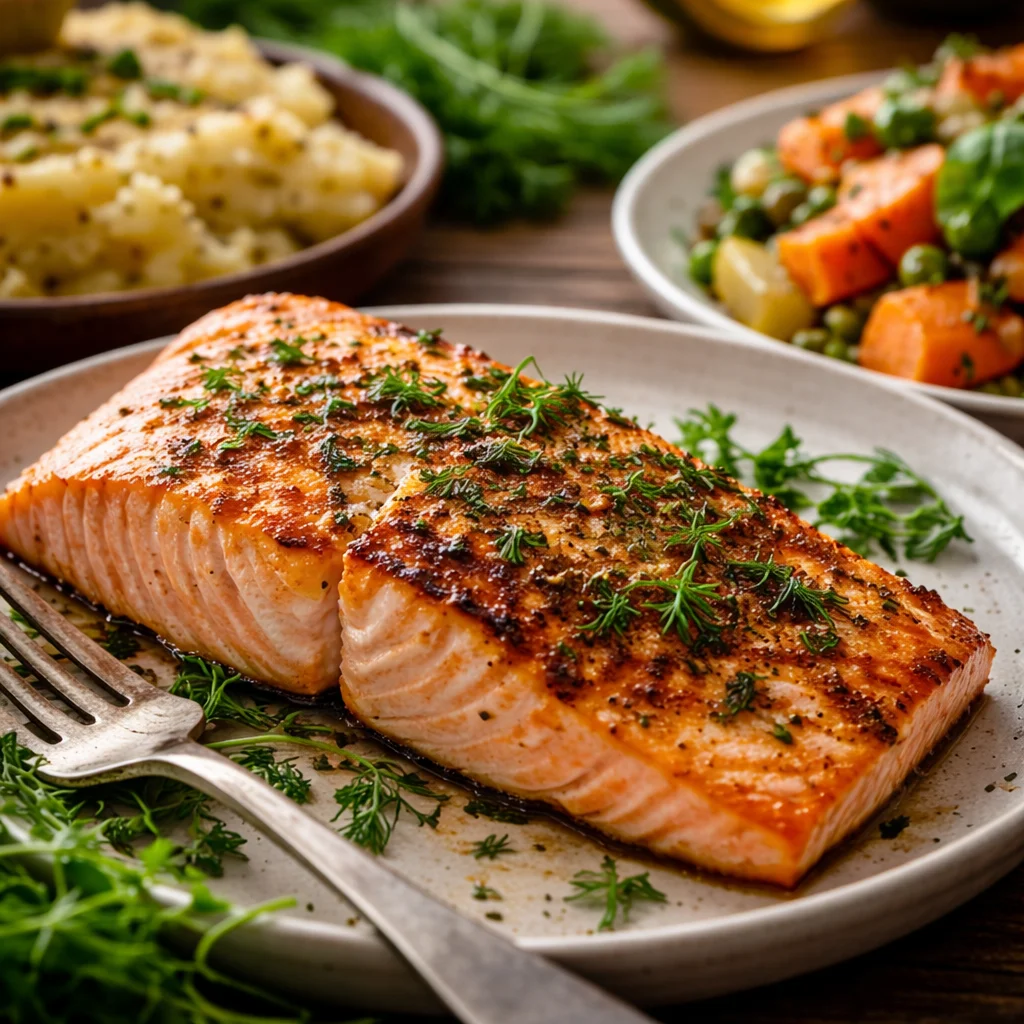
Anti-inflammatory comfort food dinners are the answer when you want something warm and satisfying but don’t want to wake up bloated the next morning. The good news? You don’t have to give up cozy meals. You just need better ingredients and smarter swaps. Here’s how to build comforting dinners that support digestion, reduce inflammation, and still taste amazing.
What are anti-inflammatory comfort food dinners?
Anti-inflammatory comfort food dinners are warm, balanced meals made with fiber-rich vegetables, healthy fats, quality protein, and inflammation-calming spices like turmeric and ginger. Unlike traditional heavy comfort foods, they support digestion, reduce bloating, and provide steady energy without feeling heavy.
When I say comfort food, I mean the dinners that make you exhale when you sit down. I’m talking about warm bowls, roasted vegetables, brothy soups, and saucy skillets the kind of meals you can eat in sweatpants and feel completely satisfied.
The key is this: anti-inflammatory comfort food dinners don’t have to taste bland or feel restrictive. They can be rich in flavor, just built with ingredients that tend to calm inflammation instead of poking it. Think cozy spices, good fats, lots of fiber, and protein that is easy to digest.
I like to keep the vibe simple: one pot or one sheet pan when possible, leftovers that reheat well, and flavors that feel familiar. And yes, you can still do cheesy vibes, crunchy toppings, and creamy textures. You just do it a smarter way.
Why Traditional Comfort Food Can Trigger Inflammation
Traditional comfort food is often a combo of heavy dairy, refined flour, lots of added sugar, and oils that are not doing your body any favors. It is not that you can never eat those foods, but if you are dealing with bloating, reflux, joint aches, or fatigue, dinner is usually where it all piles up.
Here are the usual suspects that get people (including me) feeling puffy and uncomfortable:
Big, greasy meals can slow digestion and make you feel overly full.
Refined carbs like white pasta and white bread can spike blood sugar, then leave you craving more later.
Ultra processed sauces often hide lots of sugar, gums, and mystery ingredients.
Too much dairy can be rough if you are sensitive, especially heavy cream and certain cheeses.
I noticed the biggest difference when I stopped treating dinner like a reward that had to be huge and creamy. I still wanted that comfort feeling, just without the aftermath.
What Makes a Dinner Truly Anti-Inflammatory
Let’s break this down in a way that’s simple and actually doable. A truly anti-inflammatory dinner usually has a few basics going for it: fiber, antioxidants, healthy fats, and protein, plus not a bunch of inflammatory extras.
This is the kind of simple framework I use:
Color: veggies, berries, herbs, spices. More color usually means more helpful plant compounds.
Fiber: beans, lentils, veggies, oats, quinoa, brown rice, sweet potatoes. Your gut bugs love this stuff.
Healthy fats: olive oil, avocado, nuts, seeds, and fatty fish when you like it.
Protein: chicken, turkey, salmon, tofu, tempeh, lentils. Enough to keep you full and steady.
Spices that do the heavy lifting: turmeric, ginger, garlic, cinnamon, cumin, and black pepper.
Also, it helps to know your go-to ingredients. I keep a bookmark for this anti-inflammatory foods list because it makes grocery shopping way faster.
How Anti-Inflammatory Dinners Support Gut Health and the Microbiome
Your gut plays a major role in how you feel every single day from energy levels to mood to digestion. When dinner is heavy on fiber and plant variety, you feed beneficial bacteria. When dinner is heavy on ultra processed foods, a lot of people notice more gas, bloating, and cravings.
For me, the biggest “gut-friendly” wins came from:
Eating more cooked veggies (they are often easier to digest than raw salads at night).
Using broth-based soups and stews when my stomach feels off.
Adding fermented foods in small amounts, like sauerkraut or kefir, if they agree with me.
Keeping sugar and alcohol low at dinner, because they can mess with sleep and digestion.
When you build anti inflammatory comfort food dinners around these ideas, you usually feel the difference the next morning. Less puffy, more regular, and honestly just more comfortable in your body.
Best Anti-Inflammatory Ingredients for Cozy, Healing Meals
This is where your kitchen turns into a simple, anti-inflammatory comfort food toolkit. If you stock a few of these, you can mix and match all week.
My cozy staples:
Olive oil, garlic, onions, turmeric, ginger, black pepper
Sweet potatoes, carrots, zucchini, spinach, kale
Chickpeas, lentils, black beans
Brown rice, quinoa, oats
Chicken thighs or breasts, canned salmon, eggs, tofu
Bone broth or veggie broth (watch the sodium)
Coconut milk (the canned kind for creamy soups and curries)
Lemon, fresh herbs, and a good salt
If you want a deeper ingredient breakdown, I also love this guide on anti-inflammatory foods for gut health and energy. It is the kind of list that makes you go, oh right, I can totally cook with that.
10 Anti-Inflammatory Comfort Food Dinner Recipes (Easy & Family-Friendly)
These are the dinners I rotate when I want cozy without the food coma. They are flexible, so you can swap based on what you have.
- Golden chicken and rice soup with turmeric, ginger, carrots, and baby spinach
- Sheet pan salmon with sweet potatoes and broccoli, plus a lemon olive oil drizzle
- Turkey and zucchini meatballs in marinara over spaghetti squash
- Chickpea coconut curry with cauliflower and spinach over brown rice
- Stuffed sweet potatoes with black beans, avocado, and salsa
- Ginger garlic chicken stir fry with mixed veggies over quinoa
- Lentil “bolognese” over lentil pasta or zucchini noodles
- Cozy miso soup bowl with tofu, mushrooms, greens, and rice
- One pot chicken and veggie stew with herbs, celery, and potatoes
- Cauliflower “mac” with a cashew cheese style sauce and a crunchy breadcrumb topping (gluten-free if needed)
When I need something fast, I use the ideas from 30-minute anti-inflammatory dinners as my backup plan. It saves me from ordering takeout when I am tired and hungry.
Step-by-Step Guide: How to Build a Gut-Friendly Comfort Food Bowl
This is my simple, no-stress dinner formula. It is basically a warm bowl formula that works with whatever you have.
Step 1: Pick a base
Brown rice, quinoa, mashed sweet potato, or cauliflower rice.
Step 2: Add a protein
Roasted chicken, canned salmon, lentils, chickpeas, tofu, or a couple eggs.
Step 3: Add 2 to 3 cooked veggies
Roasted carrots, sautéed greens, zucchini, mushrooms, broccoli, peppers.
Step 4: Add something saucy
Olive oil and lemon, tahini, pesto, salsa, or a simple coconut curry sauce.
Step 5: Finish with a topper
Pumpkin seeds, chopped herbs, sauerkraut, or avocado.
If you are not sure what to cook first, start here: make a pot of grains, roast a tray of veggies, cook one protein. Then you have mix and match comfort bowls for days.
Easy Swaps: How to Turn Classic Comfort Foods Into Low-Inflammation Meals
I still crave the classics, so I just tweak them. Here are swaps that actually taste good, not like punishment.
Creamy pasta: use a cashew sauce or blended cauliflower sauce instead of heavy cream.
Fried chicken: do oven-baked chicken with a crunchy almond flour coating.
Mashed potatoes: do half potatoes, half cauliflower, plus olive oil and garlic.
White rice: use brown rice or quinoa most nights, or do a half and half mix.
Dessert cravings after dinner: try cinnamon baked apples or a small bowl of berries with coconut yogurt.
This is how anti inflammatory comfort food dinners stay comforting. You are not deleting your favorite meals. You are just rebuilding them with better building blocks.
Anti-Inflammatory Dinners for Specific Needs (Gluten-Free, Dairy-Free, Low-Carb)
You can absolutely make this style of dinner work for your body.
Gluten-Free
Go for rice, quinoa, certified gluten-free oats, corn tortillas, potatoes, and gluten-free pasta made from lentils or chickpeas. Watch sauces and spice blends, because gluten sneaks in there sometimes.
Dairy-Free
Coconut milk makes soups and curries feel rich. Nutritional yeast can add that cheesy vibe. Also, olive oil, garlic, and lemon can do a lot of flavor work.
Low-Carb
Use cauliflower rice, zucchini noodles, spaghetti squash, and lots of roasted veggies. Add healthy fats like avocado and olive oil so you still feel satisfied.
Foods to Avoid at Dinner That May Increase Inflammation
This is not a forever “never eat this again” list. It is just the stuff that often causes trouble at night, especially if you are trying to calm symptoms.
Common triggers:
Deep fried foods
Processed meats like bacon, hot dogs, and deli meats
Sugary sauces and glazes
Lots of alcohol
Heavy cream based dishes every night
Highly refined carbs as the main event
If you notice you sleep poorly or wake up puffy, dinner is a good place to experiment. Keep it simple for a week and see what changes.
Common Mistakes When Making Anti-Inflammatory Comfort Food
I have made every mistake here, so you do not have to.
Mistake 1: Going too low fat and ending up hungry an hour later. Add olive oil, avocado, nuts, or seeds.
Mistake 2: Piling on raw veggies at night. Cook them if your gut is sensitive.
Mistake 3: Thinking spicy equals anti-inflammatory. Spices can help, but too much heat can irritate some people.
Mistake 4: Not eating enough protein. Comfort bowls need staying power.
Mistake 5: Switching everything overnight. Start with two dinners a week, then build.
Meal Prep and Storage Tips for Anti-Inflammatory Weeknight Dinners
This is where it gets easy. A little prep turns weeknights into a “heat and eat” situation.
My simple prep routine (takes about an hour)
Cook a pot of quinoa or brown rice.
Roast two sheet pans of veggies with olive oil, salt, pepper, and garlic.
Cook one protein (chicken, lentils, tofu) and keep it plain so it fits multiple meals.
Mix one quick sauce like tahini lemon or a turmeric ginger dressing.
Storage: Keep grains and proteins in separate containers so they reheat better. Most cooked foods are great for 3 to 4 days in the fridge. Soups and stews freeze really well, especially broth-based ones.
If chicken is your go-to, you might also like this collection of easy anti-inflammatory chicken recipes for a healthy gut for more weeknight variety.
How to Create a Weekly Anti-Inflammatory Dinner Routine
I like routines because they remove decision fatigue, which is real at 6 pm.
Here is a weekly pattern that feels cozy and realistic:
Monday: soup or stew night
Tuesday: sheet pan dinner
Wednesday: comfort bowl night
Thursday: quick skillet or stir fry
Friday: fun night (tacos on corn tortillas, or curry)
Weekend: bigger batch cook or slow cooker meal
If you love the slow cooker vibe when it is cold, there are tons of ideas in slow cooker anti-inflammatory recipes. I use those when I want the house to smell amazing and dinner to be basically done for me.
Internal Gut Health Boosters to Pair With Your Comfort Meals (Sides, Drinks & Add-Ons)
These little add-ons make your meal feel extra nourishing without much effort.
Easy sides: roasted carrots, sautéed spinach with garlic, cucumber salad, or simple fruit.
Gut-friendly add-ons: a spoon of sauerkraut, kimchi (if you tolerate it), pumpkin seeds, chopped herbs, or a drizzle of extra virgin olive oil.
Cozy drinks: ginger tea after dinner, turmeric latte with unsweetened milk, or warm lemon water.
I keep it gentle and small. You do not need to throw your whole fridge on the plate. Just one boost is plenty.
Common Questions
Do anti inflammatory comfort food dinners actually taste like comfort food?
Yes, if you build in flavor with garlic, herbs, citrus, and spices, and you include satisfying textures like creamy soups or roasted veggies. The comfort comes from warmth, familiarity, and being full without feeling gross.
What is the easiest anti-inflammatory dinner for a beginner?
A sheet pan meal. Toss salmon or chicken with broccoli and sweet potato, roast it, then add lemon and olive oil. Minimal steps, big payoff.
Can I eat rice on an anti-inflammatory plan?
Most people do great with brown rice or even white rice in reasonable portions, especially paired with protein and veggies. If you are sensitive, try quinoa or cauliflower rice and see how you feel.
How do I make meals gut-friendly if I bloat easily?
Lean toward cooked foods, go lighter on raw salads at night, and keep portions moderate. Also slow down while eating, it matters more than people think.
What if my family is picky?
Keep the base familiar and let people build their own bowls. Put toppings in little dishes. When kids or partners get to customize, there is way less complaining.
A Cozy Dinner Reset You Will Actually Stick With
If there’s one thing to remember, it’s this: anti-inflammatory comfort food dinners can feel just as cozy as the classics, and they often leave you feeling lighter and more energized afterward. Start with one soup, one sheet pan meal, or one comfort bowl this week and see how your body responds. For more inspiration, I like browsing 15+ Easy Anti-Inflammatory Dinner Recipes – EatingWell when I am stuck in a rut. Then come back and make one of your new favorites on repeat, because that is how these habits actually last. Start with one dinner this week and notice how you feel the next morning. Small shifts at dinner can make a real difference.