
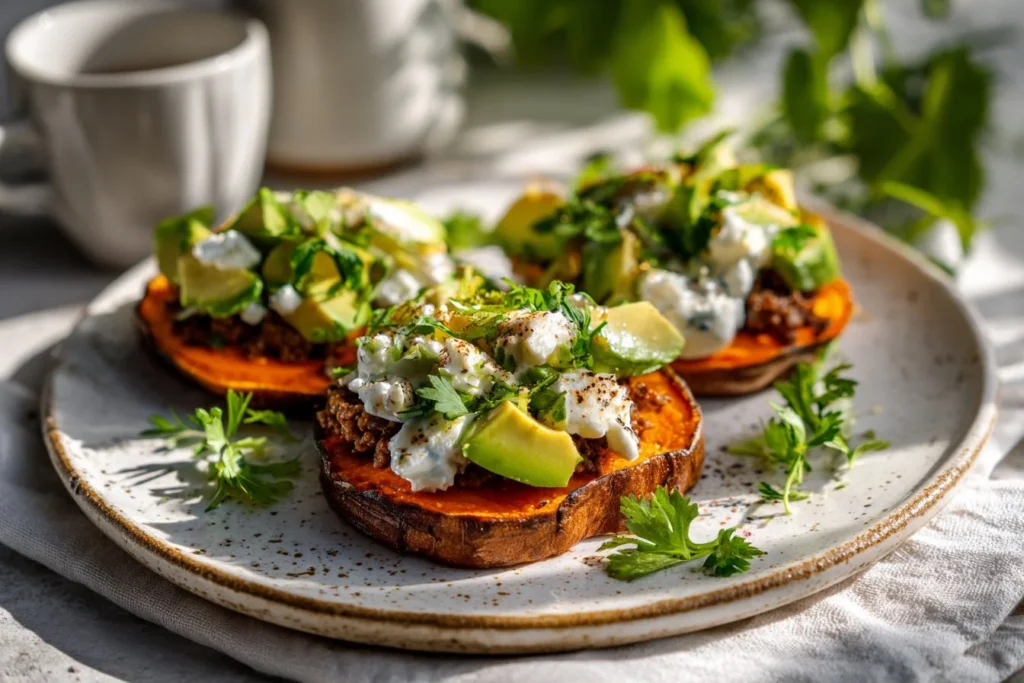
Hormone balancing dinner recipes can completely change how you feel at night and the next morning. If you’re dealing with bloating after dinner, late-night cravings, mood swings, or energy crashes, your hormones may be reacting to what’s on your plate. The right balance of protein, fiber, and anti-inflammatory ingredients can help stabilize blood sugar, calm digestion, and support overnight hormone repair. These dinners are designed to nourish your gut, reduce inflammation, and give your body the steady fuel it needs to reset while you sleep.
Why Hormone Balancing Dinner Recipes Matter for Gut Health
Your gut does far more than digest food. It influences how you process stress, how steady your blood sugar stays, and even how well you sleep at night. When the gut lining and microbiome are out of balance, inflammation rises. That inflammation can interfere with hormone signals insulin, cortisol, estrogen, and thyroid hormones making you feel off.
A balanced gut supports steady blood sugar, reduces stress-related hormone spikes, and helps your liver clear excess hormones. That’s why meals with fiber (to feed good bacteria) and protein (to stabilize blood sugar and build lean tissue) matter so much.
Research consistently shows that higher fiber intake supports microbiome diversity, while omega-3 fats help lower inflammatory markers linked to metabolic and hormone imbalance.
For a quick read on how to spot trouble early, review these common signs of an unhealthy gut.
Main Causes of This Gut Problem
- Poor diet: lots of processed carbs, sugar, and low fiber.
- Chronic stress: raises cortisol, altering gut bacteria.
- Lack of sleep: disrupts digestion and hormone rhythms.
- Antibiotics and medications: can shift microbiome balance.
- Food sensitivities: chronic irritation and low-grade inflammation.
- Sedentary lifestyle: slows digestion and circulation.
Improving your gut isn’t just about adding one superfood. It’s about consistent habits better meals, better sleep, and less daily stress working together.
Warning Signs Your Gut Needs Help
- Bloating and gas after meals
- Irregular bowel movements (constipation or diarrhea)
- Brain fog and low mood
- Chronic fatigue or nighttime waking
- Sugar or carb cravings
- Skin issues, like acne or eczema
If you recognize yourself in a few of these signs, don’t panic. Small changes at dinner adding protein, increasing fiber, cutting back on refined carbs can make a noticeable difference within weeks.
Best Foods to Heal and Repair Gut
- Fermented foods: yogurt, kefir, sauerkraut add beneficial bacteria.
- High-fiber veggies: broccoli, Brussels sprouts, leafy greens.
- Prebiotic foods: garlic, onions, leeks, asparagus.
- Lean proteins: wild salmon, chicken, beans, lentils.
- Healthy fats: olive oil, avocado, nuts, seeds.
- Bone broth and collagen: support gut lining repair.
- Low-toxin produce and wild-caught fish to reduce inflammatory load.
For a science-backed list to stock your kitchen, see this guide to the best foods for gut health.
Worst Foods That Damage Gut Health
- Refined sugar and high-fructose corn syrup
- Ultra-processed packaged foods and fast food
- Excess alcohol
- Fried foods and trans fats
- Low-quality seed oils (overused in processed snacks)
- Highly refined grains and pastries
- Frequent artificial sweeteners
When these foods dominate your diet, they can crowd out the fiber and nutrients your gut actually needs. Instead of cutting everything at once, start by replacing one processed item per day with a whole-food alternative.
Evidence-Informed Natural Supports for Gut Health
- Probiotic supplements: choose multi-strain products with clinically studied strains.
- Bone broth or collagen peptides: support mucosal lining repair.
- Omega-3 supplements (fish oil): reduce inflammation.
- DGL licorice or aloe vera: soothing for mild gut irritation (use under guidance).
- Low-dose magnesium: helps bowel regularity and sleep.
- Herbal teas: ginger, peppermint, chamomile to ease digestion.
Also explore soothing drinks that balance gut bacteria and reduce inflammation this list of the best drinks for gut health is a good place to start.
Daily Habits That Improve Digestion Fast
- Eat mindfully: chew slowly and avoid screens.
- Prioritize sleep: aim for 7–9 hours to support hormone reset.
- Move daily: gentle walking improves motility.
- Stay hydrated: sip water through the day, drink first thing in the morning.
- Time meals: consistent meal timing supports circadian hormones.
- Manage stress: 5–10 minutes of breathing or short meditation after dinner helps digestion.
Extreme detox plans often backfire. What truly restores digestion is consistency regular meals, steady sleep, and simple daily movement.
7 Hormone-Balancing Dinner Recipes (Protein + Fiber)
Each recipe includes why it helps hormonal balance and a short, Pinterest-friendly description.
Lemon-Garlic Salmon with Sauteed Kale and Quinoa
Short pin description: Zesty salmon, iron-rich greens, and fiber-packed quinoa for hormone balance.
Why it helps: Fatty fish provides omega-3s to lower inflammation; kale and quinoa add prebiotic fiber and protein.
Ingredients (serves 2): 2 salmon fillets, 2 cups kale, 1 cup cooked quinoa, 1 lemon, 2 cloves garlic, 1 tbsp olive oil, salt and pepper.
Quick steps: Sear salmon 3–4 mins per side with lemon and garlic. Sauté kale in olive oil until tender. Serve over quinoa.
Cook time: 20 minutes. Protein/fiber highlight: ~30g protein, 6–8g fiber.Turkey and Lentil Stuffed Peppers
Short pin description: Comforting stuffed peppers with turkey and lentils for steady blood sugar.
Why it helps: Lean turkey stabilizes blood sugar; lentils provide slow-release carbs and fiber to feed good bacteria.
Ingredients (serves 4): 4 bell peppers, 1 lb ground turkey, 1 cup cooked lentils, 1/2 cup diced tomatoes, 1 onion, spices.
Quick steps: Cook turkey with onion and tomatoes, mix in lentils, stuff peppers, bake 25–30 minutes.
Cook time: 45 minutes. Protein/fiber highlight: ~28g protein, 10g fiber per stuffed pepper.Mediterranean Chickpea Bowl with Grilled Chicken
Short pin description: A colorful bowl with fiber-rich chickpeas and lean chicken for hormone health.
Why it helps: Chickpeas deliver resistant starch and fiber; grilled chicken adds lean protein to support hormones.
Ingredients (serves 2): 2 chicken breasts, 1 cup chickpeas, cucumber, cherry tomatoes, olives, 2 tbsp olive oil, lemon, herbs.
Quick steps: Grill chicken, toss chickpeas with veggies and dressing, slice chicken over bowl.
Cook time: 25 minutes. Protein/fiber highlight: ~35g protein, 12g fiber.
Note: If you love simple chicken recipes, try these anti-inflammatory chicken recipes for more ideas.
Miso-Tahini Salmon Bowl with Brown Rice and Edamame
Short pin description: Umami-rich miso salmon with fiber-forward edamame for digestion and hormones.
Why it helps: Miso provides fermented benefits; edamame adds plant protein and fiber; brown rice gives steadier glucose response.
Ingredients (serves 2): 2 salmon fillets, 2 tbsp miso, 1 tbsp tahini, 1 cup edamame, 1 cup brown rice, green onions.
Quick steps: Marinate salmon in miso-tahini 15 minutes, bake at 400°F for 12–15 minutes, assemble with rice and edamame.
Cook time: 30 minutes. Protein/fiber highlight: ~30g protein, 8–10g fiber.Hearty Lentil and Sweet Potato Curry (Vegan)
Short pin description: Warm, fiber-packed curry to calm inflammation and support estrogen balance.
Why it helps: Lentils and sweet potatoes are gutsy fiber sources; spices like turmeric reduce inflammation.
Ingredients (serves 4): 1 cup red lentils, 1 large sweet potato, 1 can coconut milk, 1 onion, 1 tbsp curry powder, turmeric, spinach.
Quick steps: Sauté onion and spices, add sweet potato, lentils, and coconut milk; simmer 20 minutes, stir in spinach.
Cook time: 35 minutes. Protein/fiber highlight: ~12g protein, 10–12g fiber per serving.Greek Yogurt-Marinated Chicken with Roasted Broccoli and Farro
Short pin description: Tangy yogurt marinade keeps chicken moist; farro and broccoli add texture + fiber.
Why it helps: Yogurt lends probiotics; farro is a nutty whole grain with fiber to support blood sugar and microbiome.
Ingredients (serves 4): 4 chicken thighs, 1 cup Greek yogurt, 2 cups broccoli, 1 cup cooked farro, lemon, garlic, olive oil.
Quick steps: Marinate chicken 30 minutes in yogurt and lemon, roast chicken and broccoli at 425°F for 25–30 minutes, serve with farro.
Cook time: 50–60 minutes (including marinate). Protein/fiber highlight: ~35g protein, 8g fiber.Black Bean, Avocado, and Salmon Salad Bowl (Quick)
Short pin description: Quick bowl loaded with fiber, healthy fats, and protein for hormone support.
Why it helps: Black beans provide resistant starch-like fiber; avocado supplies healthy fats to balance hormones and support absorption.
Ingredients (serves 2): 1 can black beans (rinsed), 1 avocado, leftover cooked salmon or canned wild salmon, mixed greens, lime dressing.
Quick steps: Combine beans, greens, avocado, and salmon. Dress with olive oil, lime, salt, pepper.
Cook time: 10 minutes. Protein/fiber highlight: ~25–30g protein, 12g fiber.
Recipe notes and swaps:
- Use wild-caught fish when possible.
- For vegetarian swaps, replace salmon and chicken with tempeh, tofu, or extra legumes.
- Add fermented side dishes like sauerkraut or plain kefir to boost probiotics.
7-Day Gut Reset Plan
This simple plan uses the recipes above and daily habits to reboot digestion and hormones.
Day 1: Lemon-Garlic Salmon + kale/quinoa. Drink warm ginger tea after dinner.
Day 2: Turkey & Lentil Stuffed Pepper. Light walk 20 minutes after dinner.
Day 3: Mediterranean Chickpea Bowl with Grilled Chicken. Sleep by 10:30 pm.
Day 4: Miso-Tahini Salmon Bowl + fermented side (miso or small sauerkraut serving).
Day 5: Lentil & Sweet Potato Curry. Add turmeric tea before bed.
Day 6: Greek Yogurt-Marinated Chicken with Roasted Broccoli and Farro. Practice 10 minutes of evening breathing.
Day 7: Black Bean, Avocado & Salmon Salad Bowl. Review progress and plan next week.
Tips for the week:
- Keep snacks simple: raw nuts, plain Greek yogurt with berries, or apple slices with nut butter.
- Avoid late-night snacking to support circadian hormone rhythms.
- Hydrate and prioritize 7–9 hours of sleep nightly.
Common Mistakes to Avoid
- Eating too fast: poor chewing increases bloating.
- Skipping protein at dinner: leads to nighttime blood sugar dips.
- Relying only on supplements: whole foods are the foundation.
- Over-cleaning the diet: extreme restriction can stress the body.
- Ignoring stress and sleep: food alone won’t fix hormone imbalance.
Aim for consistency, not perfection.
Expert Tips for Faster Gut Healing
- Combine prebiotic and probiotic foods daily: onions + yogurt, garlic + sauerkraut.
- Prioritize diverse plant foods aim for 25+ different plants per week.
- Time workouts earlier in the day; gentle evening movement helps digestion without raising cortisol too high.
- If you suspect food sensitivities, try a short elimination for 2–4 weeks and reintroduce foods slowly.
- Work with a trusted clinician if symptoms are severe or persistent.
FAQs
Q: Can dinner really affect hormones overnight?
A: Yes. Dinner influences blood sugar, sleep quality, and overnight cortisol rhythms. A balanced evening meal helps steady hormones while you sleep.
Q: How much protein should I aim for at dinner?
A: Aim for 20–35 grams of protein at dinner depending on your size and activity level. That range supports muscle repair and stable blood sugar.
Q: Are beans okay if I have bloating?
A: Beans are excellent fiber and protein sources, but if they cause gas, try smaller portions, rinse canned beans well, soak dried beans, or use digestive aids like beano while your gut adapts.
Q: Should I avoid all fats at night?
A: No. Healthy fats (olive oil, avocado, nuts) support hormone production and nutrient absorption. Avoid deep-fried or heavily processed fats.
Q: When should I see a doctor for gut problems?
A: If you have severe abdominal pain, unexplained weight loss, blood in stool, or symptoms that don’t improve after diet and lifestyle changes, see your healthcare provider.
Final Thoughts
Gut and hormone health rarely change overnight. But when you give your body the right fuel consistently, it responds sometimes faster than you expect. The seven dinners here give you practical, delicious tools to stabilize blood sugar, feed your microbiome, and reduce inflammation. Start one recipe this week, add one habit, and build from there.
For those navigating hormonal transitions and seeking structured meal guidance, this helpful Menopause Diet Plan: 7-Day Meal Guide For Hormone Balance offers practical meal ideas and timing tips that many readers find useful.
Trust your body, be patient, and celebrate small wins. Gut healing is possible one nourishing dinner at a time.