
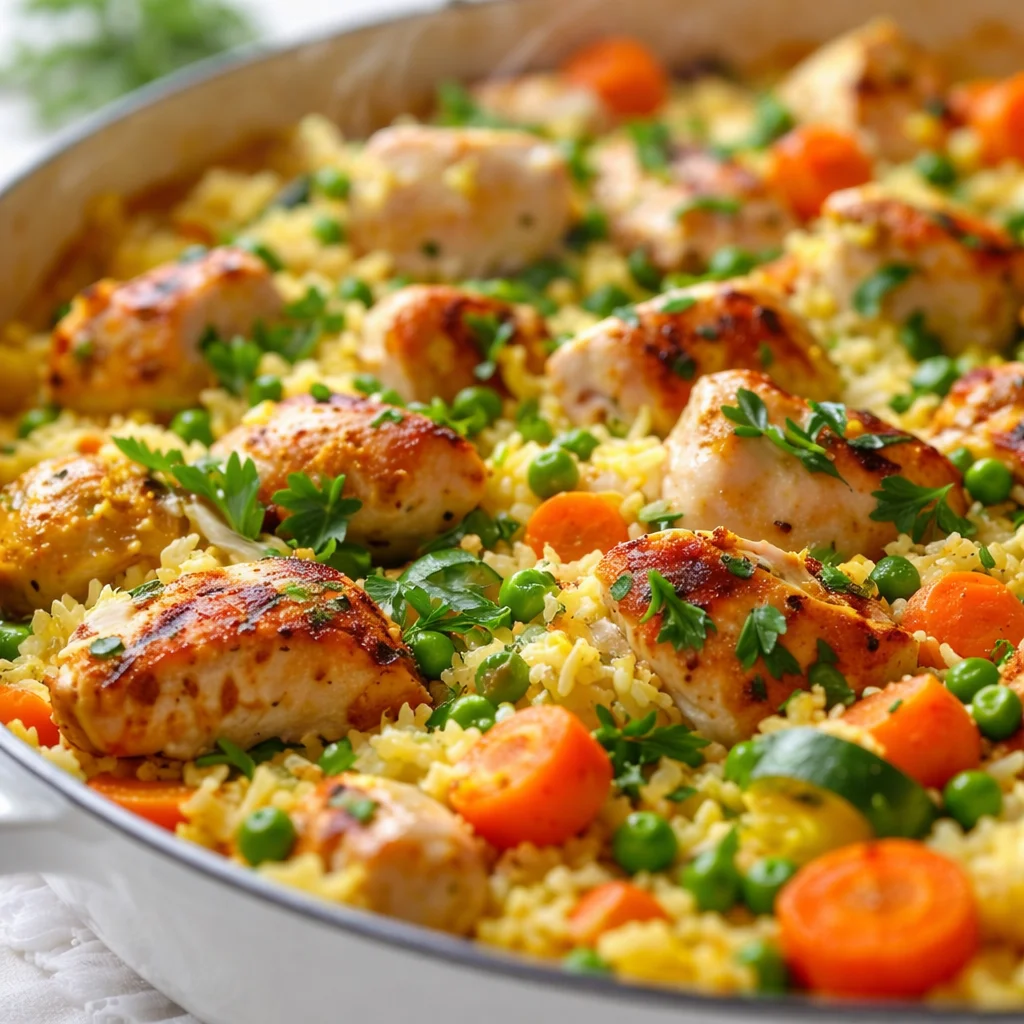
anti inflammatory chicken and rice is my go to dinner on the nights when my stomach feels a little touchy, my brain is tired, and I still want something cozy that counts as real food. I started making it after I went on a binge of gut friendly ideas, including this roundup of easy anti inflammatory chicken recipes, and realized I needed one simple one pot option I could repeat without thinking. This recipe is warm, lightly spiced, and not heavy, which is exactly what I want when I am trying to eat in a way that supports digestion. It also makes enough for leftovers, which future me always appreciates. If you have had the classic problem of dry chicken, mushy rice, and a sad flavorless pot, stay with me because we are fixing all of that.
Key Gut-Friendly Ingredients and Why They Matter
This recipe works because it focuses on simple, minimally processed ingredients that are easier to digest while still delivering real flavor.
Here is what makes it feel especially gut friendly in my kitchen:
Turmeric gives that golden color and a warm earthy vibe. I always pair it with a tiny bit of black pepper because that is the classic combo people use for absorption.
Ginger is my secret for “quieting” a meal. Even a small amount makes the whole pot feel easier to digest.
Garlic infused oil is an option if garlic itself tends to bother you. You still get flavor without the same impact for some people.
Bone broth or a simple low sodium broth adds depth without needing cream or butter.
Lemon at the end wakes everything up and keeps the rice from tasting flat.
If you want a bigger picture list of foods people usually call anti inflammatory, this is a helpful reference I like browsing when I am planning meals: anti inflammatory foods for gut health and energy.
Best Rice Options for Gut Health (White vs Brown vs Jasmine)
Rice is one of those foods that can be either super comforting or totally wrong for you, depending on your gut and how you cook it. I have tried this recipe with a few types, and here is my honest take.
During periods of digestive sensitivity, lower fiber options like white rice are often easier to tolerate because they are less demanding on the digestive system compared to higher fiber grains.
White rice (including jasmine) is usually the easiest on digestion. It cooks faster and gets tender without needing tons of liquid. If you are in a flare up kind of week, this is my pick.
Jasmine rice is my favorite for this dish. It has a gentle aroma and stays fluffy if you do not over stir it. It also feels a little special even though it is still basic pantry food.
Brown rice can be great, but it is more demanding. It needs more liquid and more time, and it can feel heavier for some people. If you do brown rice, plan for it and do not rush it.
Quick tip from my many pots of trial and error: rinse your rice. Not obsessively, just until the water is less cloudy. It helps keep the pot from turning into rice pudding.
Choosing the Right Chicken Cut for a High-Protein, Balanced Meal
I have made this with every chicken cut imaginable, and the best choice depends on what you care about most: tenderness, speed, or budget.
Boneless skinless chicken thighs are the most forgiving. They stay juicy even if you cook them a little too long. If you are new to one pot rice meals, start here.
Boneless skinless chicken breast is lean and high protein, but it can dry out. The trick is cutting it into larger pieces and adding it at the right time so it gently cooks on top of the rice instead of boiling to death.
Bone in thighs or drumsticks bring a lot of flavor, but you need more cook time. I use these on weekends when I am not rushing.
If you love chicken that stays juicy, you might also like this method for easy baked anti inflammatory chicken for a different night.
Vegetables That Support the Microbiome and Reduce Bloating
Vegetables are where you can really personalize this pot. I like keeping them simple and cooking them until just tender, not limp.
My usual picks:
- Carrots for a little sweetness and color
- Zucchini because it cooks fast and is usually gentle
- Baby spinach stirred in at the end so it stays bright
- Green beans if I want more crunch
- Fennel if I am feeling fancy and want that soothing licorice note
If onions make you bloat, use the green tops of scallions, or skip onion completely and lean on ginger, herbs, and lemon instead. The meal will still taste like something you would happily eat twice.
Step-by-Step: How to Make One Pot Chicken and Rice on the Stovetop
I am going to explain this the way I would text it to a friend. You only need one pot with a lid, a cutting board, and about 40 minutes.
My one pot method (simple and repeatable)
1) Season the chicken. Pat it dry, then season with salt, turmeric, black pepper, and a little paprika. If you tolerate it, add garlic powder.
2) Brown it quickly. Heat olive oil in a pot, then sear the chicken for 2 to 3 minutes per side. You are not cooking it through, just building flavor. Remove to a plate.
3) Soften the veggies. Add chopped carrots and zucchini to the pot with a pinch of salt. Stir for 2 minutes.
4) Add rice and toast it. Stir in rinsed rice for about 30 seconds so it gets coated in the oil and spices.
5) Add broth. Pour in broth, scrape the bottom, then bring to a gentle simmer.
6) Nestle chicken on top. Put the chicken back in, cover, and turn heat to low. Do not stir.
7) Cook and rest. Cook about 15 minutes for white rice or jasmine, longer for brown. Then turn off heat and let it sit covered for 10 minutes.
8) Finish. Stir in spinach, squeeze lemon, taste for salt, and add chopped parsley or dill if you have it.
This dinner smells incredible while it cooks, even though the steps are simple and straightforward.
Common Mistakes That Make Chicken and Rice Mushy or Bland
These are common mistakes, and they are easy to fix once you know what to look for.
Mushy rice mistake: stirring while it simmers. Rice likes calm. Once the lid is on, leave it alone.
Another mushy culprit: too much liquid. Measure, especially the first time.
Dry chicken mistake: cutting chicken breast too small. Small pieces overcook fast.
Bland pot mistake: not salting in layers. Add a little salt to the chicken, a little to the vegetables, and then adjust at the end.
Flat flavor mistake: skipping acid. Lemon at the end makes the whole thing pop.
If you want another cozy option that is basically a warm hug in a bowl, I also make this anti inflammatory chicken soup when I want something more sippable.
Easy Variations: Dairy-Free, Gluten-Free, High-Protein, Low-FODMAP
The base recipe is already naturally dairy free and gluten free as long as your broth is clean and you do not add anything weird. But here are the tweaks I actually use.
Variations I have tested at home
Dairy free: finish with olive oil and lemon instead of butter. Add avocado on the side if you want richness.
Gluten free: use gluten free broth and check spice blends. Some mixes sneak in fillers.
High-protein: use extra chicken, or stir in a can of rinsed white beans at the end if your gut tolerates them. You can also serve with a side of eggs for breakfast leftovers, which sounds odd but is so good.
Low-FODMAP style: skip onion and garlic, use garlic infused oil, choose carrots and zucchini, and keep portion sizes reasonable. Add chives or scallion greens for that oniony feeling.
This recipe is flexible, so adjust the ingredients based on what your digestion tolerates best.
How to Turn This Into a Gut-Friendly Meal Prep Bowl
This is one of my favorite meal prep moves because it stays satisfying without needing heavy sauces.
Here is how I portion it:
- Base: chicken and rice
- Add on: extra steamed zucchini or spinach
- Fresh topper: cucumber slices or shredded carrots
- Sauce: lemon juice plus olive oil, or a simple tahini lemon drizzle if you tolerate sesame
- Optional crunch: pumpkin seeds
I like keeping the lemon and herbs separate and adding them after reheating. It tastes brighter that way, like you just cooked it.
What to Avoid: Inflammatory Ingredients That Can Trigger Bloating
Digestive tolerance varies, but certain ingredients can easily turn a gentle meal into one that triggers bloating or discomfort.
If you are aiming for anti inflammatory chicken and rice that feels light, consider avoiding:
Heavy cream sauces that make it rich but can feel like a brick later.
Ultra spicy heat if you are already irritated. A gentle spice blend is plenty.
Processed broth with a lot of sugar, weird oils, or too much sodium.
Lots of onion and garlic if you know they trigger you. You can still make it flavorful without them.
Fried toppings that add grease. It is not worth it when your goal is comfort.
If you want a simple reference to compare ingredients, this anti inflammatory foods list is handy when you are scanning your pantry.
Serving Ideas for Blood Sugar Balance and Digestive Comfort
Rice is comforting, but it is still a carb, so I like to serve this in a way that feels steady and balanced.
My favorite ways to serve it
Add fiber: serve with a side salad or extra veggies. Even a handful of arugula with lemon helps.
Add healthy fat: drizzle olive oil, or add a few slices of avocado if that works for you.
Keep portions realistic: I do a moderate scoop of rice, then load up on chicken and vegetables.
Go slow: this sounds obvious, but eating too fast makes even the best gut friendly meal feel rough.
On nights when I want a different vibe, I use the same chicken seasoning and put it over greens like a simple bowl situation, inspired by ideas like the ultimate anti inflammatory glow bowl.
How to Store, Reheat, and Freeze Without Losing Texture
Leftovers are where this recipe really shines, as long as you store it right.
To store: cool it down within about an hour, then pack into containers. It keeps well in the fridge for 3 to 4 days.
To reheat: add a splash of broth or water before microwaving, then cover loosely. Stir once at the end. This keeps the rice from drying out.
To freeze: freeze in single portions. Rice can change texture after freezing, but adding a splash of broth while reheating helps a lot. For best results, thaw overnight in the fridge.
Small trick: if you know you are freezing it, cook the rice just slightly less so it does not get too soft later.
Keeping anti inflammatory chicken and rice in the freezer makes it much easier to avoid ultra processed takeout on busy nights.
As with any gut friendly recipe, individual tolerance matters. What feels light and nourishing for one person may feel heavy for another. Paying attention to how you feel after eating is one of the most practical tools for building a sustainable anti inflammatory routine.
Common Questions
Can I make this in advance for guests?
Yes, just keep a little extra broth on hand. Reheat gently and add the broth to loosen it up, then finish with fresh lemon and herbs so it tastes freshly made.
Is white rice or brown rice better for gut health?
It depends on you. White rice is often easier to digest, while brown rice has more fiber but can feel heavy for some people. I usually choose jasmine or white when my stomach is sensitive.
What if my chicken is already cooked?
Stir cooked chicken in at the end so it warms through without drying out. Use the broth and spices to flavor the rice and veggies first.
How do I make it more flavorful without making it spicy?
Add more ginger, turmeric, lemon zest, and herbs like parsley or dill. Also make sure you salt in layers, not just at the end.
Can I use frozen vegetables?
Totally. Add them near the end so they do not turn to mush, especially frozen spinach or mixed veggies.
A Cozy One Pot Dinner You Will Actually Want to Repeat
If you are looking for a simple, soothing dinner, anti inflammatory chicken and rice is a reliable recipe you can prepare regularly. The big wins are using the right rice, seasoning in layers, and letting the pot rest so the texture stays fluffy and the chicken stays tender. For more inspiration, I loved browsing this One-Pot Chicken and Turmeric Rice – Edwina Clark because it is a nice reminder that healthy can still be comforting. Try this recipe once, adjust it based on your digestion, and it can quickly become one of your easiest weeknight meals.
One Pot Chicken and Rice
Ingredients
Method
- Season the chicken: Pat it dry and season with salt, turmeric, black pepper, and paprika.
- Brown the chicken: Heat olive oil in a pot, then sear the chicken for 2-3 minutes per side to build flavor.
- Soften the vegetables: Add chopped carrots and zucchini to the pot with a pinch of salt. Stir for 2 minutes.
- Toast the rice: Stir in rinsed rice for about 30 seconds to coat in oil and spices.
- Add broth: Pour in the broth, scrape the bottom of the pot, and bring to a gentle simmer.
- Nestle chicken: Place the chicken back in, cover, and turn heat to low. Do not stir.
- Cook and rest: Cook for about 15 minutes for white rice or jasmine, longer for brown. Turn off heat and let sit covered for 10 minutes.
- Finish: Stir in spinach, squeeze lemon, taste for salt, and add fresh herbs if desired.