
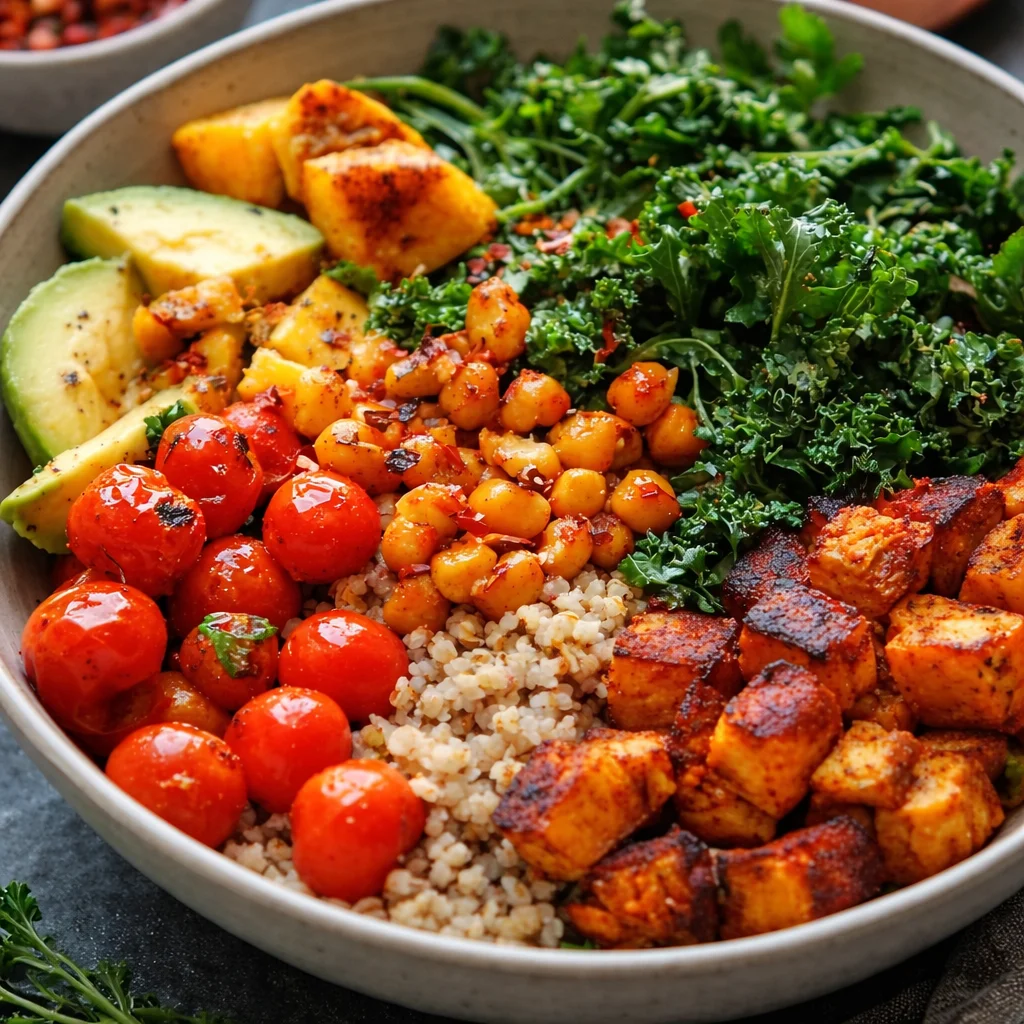
Anti-Inflammatory Harvest Glow Bowl is the kind of meal I reach for when my body feels a little puffy, my energy is low, and I still want dinner to taste like something I would actually crave. You know those weeks where you are juggling everything, and the idea of cooking feels like too much, but takeout also sounds heavy? This bowl is my answer. It is colorful, cozy, and full of simple ingredients that play really nicely together. I started making it in early fall, then realized it works basically any time I can find sweet potatoes and a lemon. Let me break down why this kind of bowl works so well and how you can adapt the idea to your own routine.
If you want the full step-by-step version, you can find the complete Anti-Inflammatory Harvest Glow Bowl recipe here.
- Key Ingredients That Support a Gut-Friendly Glow Bowl
- Ingredient Substitutions and Healthy Swaps
- Why This Bowl Works So Well for Digestion and Energy
- Simple Ways to Make an Anti-Inflammatory Bowl More Satisfying
- Best Dressing Styles for an Anti-Inflammatory Glow Bowl
- Easy Anti-Inflammatory Glow Bowl Variations to Try
- How to Build a More Gut-Friendly Bowl
- Serving Ideas for a More Balanced Meal
- Meal Prep Tips for Busy Weeks
- Why This Type of Bowl Can Support Better Energy
- Common Mistakes That Can Make a Healthy Bowl Less Satisfying
- Easy Ways to Make a Bowl Feel More Anti-Inflammatory
- Common Questions
- A Simple Meal That Can Help You Feel Better
Key Ingredients That Support a Gut-Friendly Glow Bowl
I think what makes this bowl special is that it is built from everyday foods, but they are the right everyday foods. We are going for warm roasted veggies, a satisfying base, and a punchy dressing that ties it all together. If you want to nerd out a little on ingredients, I keep a running list of favorites too, like these anti-inflammatory foods for gut health and energy that I rotate through depending on the season.
Base grains (quinoa, brown rice, farro)
Pick one base and keep it simple.
- Quinoa: fluffy, quick, and a little nutty
- Brown rice: cozy and familiar, great for meal prep
- Farro: chewier and super satisfying
Roasted anti-inflammatory vegetables (sweet potatoes, squash, carrots)
This is the heart of the this glow bowl. I love a mix of sweet potatoes plus carrots, and if I have squash, it is going in too. Roasting brings out natural sweetness, and that sweetness balances the tangy dressing.
Anti-inflammatory dressing ingredients
Here is the basic vibe: something bright, something creamy, and a couple spices that make you feel like you did something magical without trying too hard. My staples are olive oil, lemon, turmeric, black pepper, a little maple syrup or honey, and either tahini or Greek yogurt depending on my mood.
Ingredient Substitutions and Healthy Swaps
I am big on flexible recipes because real life is not always stocked with the exact list. This bowl is super forgiving, so do not skip it just because you are missing one thing.
Grain-free and low-carb options
If you want to skip grains, try cauliflower rice, shredded cabbage, or a big handful of baby greens. Warm veggies over crisp greens is honestly a great contrast.
Vegan and plant-based swaps
Go vegan by using maple syrup instead of honey, and choose tahini instead of yogurt. Add chickpeas or lentils if you want it more filling.
High-protein add-ins for balanced meals
For a more “stays with you” bowl, add:
Salmon, shredded chicken, turkey meatballs, tofu, tempeh, or a jammy boiled egg.
Why This Bowl Works So Well for Digestion and Energy
This kind of bowl works because it combines several things your body usually responds well to: fiber-rich vegetables, steady carbohydrates, healthy fats, and flavor from real ingredients instead of heavy sauces. Warm roasted vegetables tend to feel easier and more comforting than cold meals, especially when digestion already feels off. A balanced bowl like this can also help you feel satisfied without that overly full, sluggish feeling that often comes after heavier dinners.
What makes it especially appealing is the mix of texture and nourishment. You get softness from roasted vegetables, substance from grains or legumes, and brightness from a simple dressing. That combination can make a healthy meal feel genuinely satisfying instead of restrictive, which is a big reason people come back to this type of bowl again and again.
Simple Ways to Make an Anti-Inflammatory Bowl More Satisfying
A few small choices can make this kind of meal feel much more satisfying. Roasted vegetables usually taste better when they are allowed to brown properly instead of steaming on the pan. A bright dressing can also wake up the whole bowl and keep it from tasting flat or heavy. The goal is not to make the meal complicated. It is to use a few smart elements that add comfort, texture, and flavor without relying on overly rich ingredients.
Best Dressing Styles for an Anti-Inflammatory Glow Bowl
I rotate dressings based on what I have and what I am craving. The this anti-inflammatory meal can handle a lot of different flavors, so feel free to experiment.
Lemon turmeric dressing: bright, peppery, classic for this bowl.
Apple cider vinaigrette: olive oil, apple cider vinegar, Dijon, a little maple, salt and pepper. It is tangy and fall-ish.
Creamy tahini anti-inflammatory sauce: tahini, lemon, garlic, cumin, pinch of turmeric, warm water, salt.
Easy Anti-Inflammatory Glow Bowl Variations to Try
If you get bored easily, same. Here are a few variations I actually make.
Vegan anti-inflammatory glow bowl: quinoa, roasted sweet potato and carrots, chickpeas, avocado, pumpkin seeds, tahini lemon dressing.
High-protein chicken or salmon version: add shredded rotisserie chicken or roasted salmon and use a lemony yogurt dressing.
Mediterranean-inspired anti-inflammatory bowl: farro, roasted zucchini and peppers, cucumbers, olives, parsley, and a simple olive oil lemon dressing.
How to Build a More Gut-Friendly Bowl
This is the simple formula I come back to when I want a meal that feels balanced, comforting, and easy on digestion. If you want another simple meal idea in the same style, you can also check out this anti-inflammatory lunch for gut health recipe.
Base + protein + fiber + healthy fats + bold flavor.
Base can be grains or greens. Protein can be beans, fish, poultry, tofu. Fiber is your veggies plus maybe beans. Healthy fats are olive oil, tahini, avocado, seeds. Bold flavor is citrus, herbs, spices, and a dressing you actually like.
For extra boosts, I toss in pumpkin seeds, hemp hearts, or a spoon of sauerkraut on the side if I have it.
Serving Ideas for a More Balanced Meal
This bowl can be a full meal on its own, but sometimes I want something on the side, especially if I am feeding other people.
- What to serve with a harvest glow bowl: a simple soup, warm pita, or a little fruit plate
- Turning it into a full anti-inflammatory dinner: add salmon or chicken and a side salad
- Healthy drink pairings for digestion: ginger tea, warm lemon water, or plain sparkling water with lime
If you like browsing more ideas in the same theme, I keep an eye on this section a lot: anti-inflammatory recipes.
Meal Prep Tips for Busy Weeks
This is where the this gut-friendly bowl
really shines. I make the parts once, then mix and match all week so I am not stuck eating the exact same thing every day.
How to store ingredients separately: keep grains in one container, roasted veggies in another, dressing in a jar, and crunchy toppings like seeds separate.
How long the bowl stays fresh in the fridge: grains and roasted veggies are best within 4 days. Dressing usually lasts 5 to 7 days, depending on what you used. If you used yogurt, aim for 4 to 5 days.
Why This Type of Bowl Can Support Better Energy
I am not your doctor, but I do care a lot about making meals that make you feel good after you eat them. This bowl is packed with fiber, colorful plants, and healthy fats, which is a nice combo for steady energy.
Calories and macronutrients overview: it depends on your base and protein, but a basic bowl with quinoa, roasted veggies, and tahini dressing often lands around 450 to 650 calories. Add salmon or chicken and it climbs in a good way.
Anti-inflammatory nutrients explained: turmeric and black pepper are the famous duo, olive oil brings healthy fats, and the orange veggies bring antioxidants like beta carotene. Add leafy greens and seeds and you are stacking the benefits without making it complicated. If you want a more structured plan, this powerful anti-inflammatory diet for gut health 7 days guide can be a helpful starting point.
Common Mistakes That Can Make a Healthy Bowl Less Satisfying
I have made all these mistakes so you do not have to.
Overcooking vegetables: mushy veggies make the whole bowl sad. Roast until tender with browned edges, then stop.
Using inflammatory dressings: creamy bottled dressings can be loaded with added sugar and low quality oils. I am not saying never, just saying your homemade five minute dressing will usually make you feel better after.
Easy Ways to Make a Bowl Feel More Anti-Inflammatory
You do not need a cabinet full of powders. A few smart choices go a long way.
Best spices for reducing inflammation: turmeric, ginger, cinnamon, garlic, and cumin. Also, black pepper matters with turmeric, so do not skip it.
Choosing high-quality oils and ingredients: extra virgin olive oil is my go to. Use fresh lemons if you can. And if your spices are super old and smell like nothing, replacing them helps more than you think.
How to maximize antioxidant intake: aim for color. Orange veggies, leafy greens, herbs on top, and a little crunch from seeds. The more variety you add, the more you cover your bases.
Common Questions
1) Can I make the this glow bowl without turmeric?
Yes. You will miss a little of that warm flavor, but it will still be delicious. Try ginger or a pinch of curry powder instead.
2) What is the easiest protein to add on busy nights?
Rotisserie chicken, canned salmon, or a can of chickpeas. All three are basically zero effort.
3) How do I keep the bowl from tasting bland?
Salt your grain water, roast the veggies until browned, and make sure your dressing has enough acid like lemon or vinegar.
4) Can I eat this cold?
Totally. I do it all the time for lunch. If you are eating it cold, add extra dressing or a squeeze of lemon to wake it up.
5) What toppings make it feel restaurant-level?
Toasted pumpkin seeds, fresh herbs, pomegranate seeds, or a little crumble of feta if you eat dairy.
A Simple Meal That Can Help You Feel Better
What I love about this kind of bowl is how practical it is. It is colorful, flexible, easy to adapt, and it can genuinely help you feel more comfortable when heavy meals sound like too much. You can build it around what you already have at home, adjust it for the season, and keep it simple without losing flavor.
If you want the full version with the exact ingredients and method, try the complete Anti-Inflammatory Harvest Glow Bowl recipe here. And if you are building a routine around easier, gut-friendly meals, this style of bowl is one of the best places to start.