
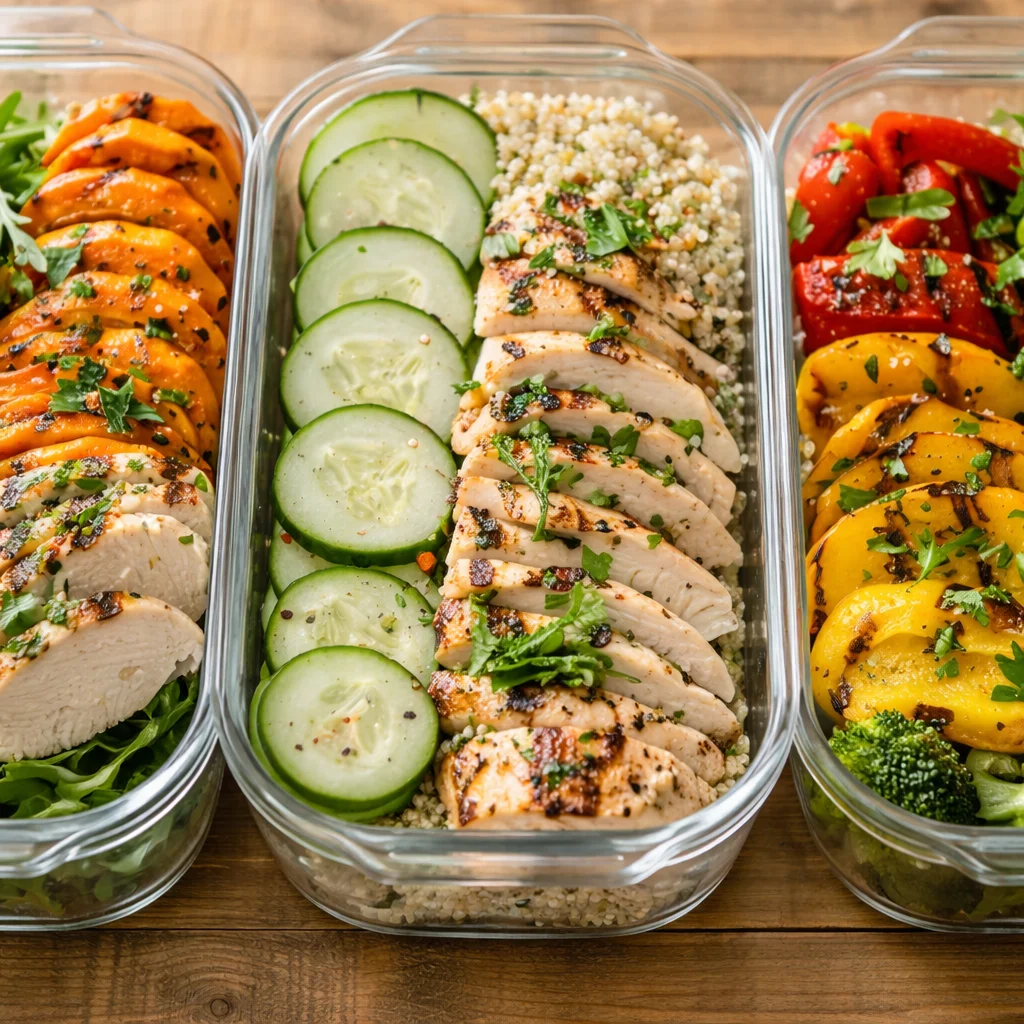
Anti-inflammatory dinner meal prep has become my go-to strategy for weeks when I want to eat well but have zero mental energy left by 5 p.m. If you’ve ever stared into the fridge wishing dinner would cook itself, you’re exactly who this plan is for. I like dinners that taste cozy and bright, but still feel light in my stomach. This is my simple 7 day plan that keeps inflammation in mind without making life complicated. I also lean on a few go to ideas from this list of anti-inflammatory dinner recipes for busy weeknights when I need extra inspiration.
7-Day Anti-Inflammatory Meal Plan for Beginners (Easy & Gut-Friendly Guide)
If you are new to this, I want you to know something upfront. You do not have to cook seven totally different dinners from scratch. The easiest way is to pick a few core proteins and sheet pan veggies, then remix them with different sauces, herbs, and grains.
For this week, I focus on simple dinners you can prep in under 90 minutes total. Most nights are mix, heat, and eat. The goal is steady energy, happy digestion, and fewer cravings for random snacks at 9 pm.
Also, the plan is flexible. If you hate salmon, swap it for chicken or chickpeas. If you are dairy free, skip yogurt sauces and do tahini instead. This is your kitchen, not a test.
What Is an Anti-Inflammatory Diet and How It Supports Gut Health
An anti inflammatory approach to eating focuses on choosing foods that help your body feel balanced instead of stressed or overloaded. Think colorful plants, good fats, and proteins that do not feel heavy. For gut health, it usually means more fiber, fewer ultra processed foods, and ingredients that support your microbiome.
I am not a doctor, but I am a person who notices when my meals are mostly veggies, beans, olive oil, and fish, my stomach is way less dramatic. The real magic is consistency. One “healthy” dinner won’t change much, but a full week of balanced meals can genuinely shift how you feel day to day.
How Chronic Inflammation Affects Digestion, Weight, and Energy
When inflammation lingers, it often feels like your body is slightly out of sync never terrible, but never fully energized either. Digestion can get cranky, like bloating or irregular bathroom habits. Energy can dip, and then you reach for sugar or caffeine, which can turn into a loop.
Some people also notice weight changes, especially if inflammation leads to poor sleep and higher cravings. I always think of it like this: when my dinner is greasy or super processed, I sleep worse, and the next day I want quick carbs all day. When dinner is balanced, I wake up calmer and actually want a real breakfast.
Benefits of Following an Anti-Inflammatory Meal Plan for 7 Days
Seven days is just enough time to notice real changes without feeling like you’ve committed to something extreme. Here is what many people, including me, tend to notice:
More stable energy because meals have protein, fiber, and healthy fats.
Less “puffy” feeling especially when salty packaged foods are reduced.
Better digestion from regular fiber and hydration.
Easier decisions because dinner is already planned and prepped.
And honestly? The biggest benefit might be the mental relief. anti inflammatory dinner meal prep takes the daily question of “what are we doing for dinner” and removes it from your brain.
Best Anti-Inflammatory Foods to Include (Protein, Fiber, Healthy Fats)
I keep it simple and build most dinners around three parts: protein, a big veggie situation, and a supportive carb like quinoa, brown rice, or sweet potato.
Proteins I love for this plan include salmon, sardines, chicken, turkey, lentils, chickpeas, and tofu. If chicken is your main thing, you might like this helpful roundup of easy anti-inflammatory chicken recipes for a healthy gut.
Fiber comes from beans, leafy greens, berries, chia, oats, and cruciferous veggies. Fiber is one of those unsexy topics that matters a lot for gut comfort.
Healthy fats play a major role in an anti-inflammatory plan. Think extra virgin olive oil, avocado, walnuts, chia seeds, flax, and fatty fish. These fats help support hormone balance, brain health, and steady energy.
Foods to Avoid That May Increase Inflammation and Gut Issues
I do not like “never eat this again” rules, but I do think it helps to know what commonly makes people feel worse. For a lot of us, these foods can be trouble when they become everyday habits:
Ultra processed snacks and frozen meals with long ingredient lists, sugary drinks, heavy fried foods, and lots of refined carbs like white bread and pastries.
Some people also react to alcohol and high amounts of added sugar. If you are unsure, the easiest approach is to reduce them for one week and see how you feel, instead of guessing forever.
Step-by-Step: How to Start an Anti-Inflammatory Meal Plan for Beginners
Here’s the simple framework I follow when I want my week to feel calm instead of chaotic.
- Pick 2 proteins for dinners (example: salmon and chicken or lentils).
- Pick 3 veggie mixes you actually like (example: broccoli and peppers, zucchini and onions, salad greens).
- Cook 1 to 2 base carbs (quinoa, brown rice, roasted sweet potatoes).
- Make 2 quick sauces (lemon tahini, salsa, pesto, or a yogurt herb sauce).
- Set up grab and go containers so weeknights are basically assembly.
If you want a chicken focused prep idea that works with salads, bowls, and wraps, check out anti-inflammatory chicken meal prep. I use that style a lot when my schedule is chaos.
7-Day Anti-Inflammatory Meal Plan (Breakfast, Lunch, Dinner & Snacks)
I am keeping this practical, not fancy. You can swap meals around based on your life. But here is a full week so you are not stuck brainstorming.
Day 1
Breakfast: Overnight oats with chia and blueberries
Lunch: Big salad with chickpeas, olive oil, lemon
Dinner: Lemon garlic salmon with roasted broccoli and quinoa
Snack: Apple with almond butter
Day 2
Breakfast: Eggs with spinach and tomatoes
Lunch: Leftover quinoa bowl with veggies and tahini
Dinner: Turmeric chicken with roasted sweet potatoes and green beans
Snack: Greek yogurt or coconut yogurt with berries
Day 3
Breakfast: Smoothie with frozen berries, flax, and protein
Lunch: Lentil soup plus side salad
Dinner: Sheet pan chicken and peppers with brown rice
Snack: Handful of walnuts
Day 4
Breakfast: Avocado toast on whole grain bread with hemp seeds
Lunch: Tuna salad lettuce wraps
Dinner: Veggie stir fry with tofu and ginger garlic sauce
Snack: Carrots and hummus
Day 5
Breakfast: Oatmeal with cinnamon and banana slices
Lunch: Leftover tofu stir fry
Dinner: Baked salmon, arugula salad, roasted carrots
Snack: Dark chocolate square and strawberries
Day 6
Breakfast: Cottage cheese or dairy free alternative with berries
Lunch: Chicken bowl with greens, quinoa, olives, cucumber
Dinner: Lentil pasta with olive oil, garlic, and sautéed spinach
Snack: Pear
Day 7
Breakfast: Scramble with mushrooms, onions, and herbs
Lunch: Leftover lentil pasta plus salad
Dinner: Cozy veggie soup with beans and a side of roasted potatoes
Snack: Pumpkin seeds
If you want more variety (especially for dinner), this page has a nice collection of anti-inflammatory dinner ideas that you can plug into this schedule.
High-Protein Anti-Inflammatory Meal Plan Option for Muscle & Metabolic Health
If you lift weights, walk a lot, or just feel better with higher protein, you can tweak this plan without changing the whole vibe. I usually aim to add a little more protein at breakfast and snacks so dinner does not have to carry everything.
Easy boosts: add an extra egg, add protein powder to smoothies, choose Greek yogurt, add a can of sardines to lunch salads, or increase chicken or tofu portions at dinner.
This is also where anti inflammatory dinner meal prep shines because your protein is already cooked. You are not trying to “hit your protein” at 7 pm with an empty fridge.
Mediterranean-Inspired Anti-Inflammatory Recipes for the Week
Mediterranean style meals are one of the easiest ways to eat anti inflammatory without feeling like you are dieting. Lots of olive oil, lemon, herbs, fish, beans, tomatoes, and crunchy veggies.
One of my favorite dinner moods is lemon and garlic everything. If you want a super simple recipe that tastes like a restaurant weeknight win, try this lemon garlic anti-inflammatory chicken. I make it when I need something comforting but still light.
Anti-Inflammatory Grocery List and Pantry Staples
This is the kind of grocery list I wish someone handed me years ago. When these basics are in your kitchen, weeknights get so much easier.
Produce: spinach, mixed greens, broccoli, bell peppers, zucchini, onions, garlic, lemons, berries, sweet potatoes
Protein: salmon, chicken, canned tuna, lentils, chickpeas, eggs, tofu
Pantry: olive oil, apple cider vinegar, canned tomatoes, quinoa or brown rice, oats, chia, flax, spices like turmeric and cinnamon
Extras: hummus, tahini, walnuts, pumpkin seeds
If you want to go deeper on what foods count, this is a helpful reference for anti-inflammatory foods for gut health and energy.
Meal Prep & Storage Tips for a Successful Weekly Plan
I am not precious about meal prep. I just want it to work.
Here is what helps me the most:
Cook proteins and carbs first, then roast veggies while those cool.
Store sauces separately so greens stay crisp and bowls do not get soggy.
Label containers if you are prepping for more than one person. It avoids the “who ate my lunch” drama.
Use freezer help for soup, cooked rice, or shredded chicken.
Most cooked dinners stay great for about 3 to 4 days in the fridge. If you are prepping the full week, freeze a couple portions for days 5 to 7 and thaw overnight in the fridge.
Common Mistakes When Starting an Anti-Inflammatory Diet
I have made all of these mistakes, so I am saying it with love.
Going too strict and then giving up by Wednesday.
Not eating enough, especially protein and healthy fats, then feeling snacky and blaming yourself.
Skipping fiber suddenly and feeling bloated. Increase beans and cruciferous veggies gradually if your gut is sensitive.
Buying a ton of new ingredients you do not know how to use. Start with familiar foods and add one new thing per week.
Also, do not underestimate sleep and water. The best dinner plan in the world cannot fully compete with four hours of sleep and zero hydration.
How to Turn This 7-Day Plan Into a Long-Term Anti-Inflammatory Lifestyle
The long term trick is rotation. Keep three or four dinner templates you love, then swap flavors. For example: sheet pan protein plus veggies, grain bowl night, soup night, and stir fry night. That is it. You will never get bored if you change the sauce and the spice mix.
I also like doing one reset week per month where I get back to basics. That is usually when I lean hardest on anti inflammatory dinner meal prep because it keeps me consistent without feeling deprived.
If you want a bigger picture plan to build from, this is worth bookmarking: 7-day anti-inflammatory diet meal plan.
Common Questions
1) Can I do this 7 day plan if I hate cooking?
Yes. Keep it super basic: rotisserie style cooked chicken, bagged greens, microwavable brown rice, and one homemade sauce. That still counts.
2) How do I keep anti inflammatory dinners from tasting boring?
Sauces and acids. Lemon juice, vinegar, salsa, pesto, and herbs do a lot of heavy lifting fast.
3) What if beans bother my stomach?
Start with smaller portions, rinse canned beans really well, and try lentils since many people find them easier. You can also focus on veggies, rice, and protein and add beans later.
4) Can I meal prep fish without it getting weird?
You can, but I prefer cooking salmon for 2 to 3 days at most. Another option is prepping everything else and cooking fish fresh in 10 to 12 minutes.
5) Do I need supplements like turmeric pills?
Not necessarily. Food first is a great place to start. If you are considering supplements, it is smart to check with a healthcare professional, especially if you take medications.
Wrap Up and Your Next Easy Step
If you try this week, keep it simple and focus on repeatable dinners, not perfection. anti inflammatory dinner meal prep works best when your fridge has ready to go protein, roasted veggies, and one or two sauces you actually like. If you want even more structured ideas, this cookbook is a solid resource: Anti-Inflammatory Diet Meal Prep: 6 Weekly Plans and 80+ Recipes. Start with just two dinners this weekend. Prep them, stock your fridge with ready-to-go components, and notice how much calmer your evenings feel.
7-Day Anti-Inflammatory Meal Plan
Ingredients
Method
- Pick 2 proteins for dinners, such as salmon and chicken or lentils.
- Select 3 vegetable combinations you enjoy.
- Cook 1 to 2 base carbs like quinoa or brown rice.
- Prepare 2 quick sauces for flavor.
- Store in grab-and-go containers for easy weeknight assembly.
- Day 1: Breakfast: Overnight oats with chia and blueberries. Lunch: Big salad with chickpeas. Dinner: Lemon garlic salmon with roasted broccoli and quinoa. Snack: Apple with almond butter.
- Day 2: Breakfast: Eggs with spinach. Lunch: Quinoa bowl with veggies. Dinner: Turmeric chicken with sweet potatoes and green beans. Snack: Yogurt with berries.
- Day 3: Breakfast: Smoothie with berries. Lunch: Lentil soup. Dinner: Sheet pan chicken with brown rice. Snack: Handful of walnuts.
- Day 4: Breakfast: Avocado toast with hemp seeds. Lunch: Tuna salad wraps. Dinner: Veggie stir fry with tofu. Snack: Carrots with hummus.
- Day 5: Breakfast: Oatmeal with cinnamon. Lunch: Leftover stir fry. Dinner: Baked salmon with salad. Snack: Dark chocolate and strawberries.
- Day 6: Breakfast: Cottage cheese with berries. Lunch: Chicken bowl with quinoa. Dinner: Lentil pasta with spinach. Snack: Pear.
- Day 7: Breakfast: Scramble with veggies. Lunch: Leftover pasta. Dinner: Veggie soup with potatoes. Snack: Pumpkin seeds.