
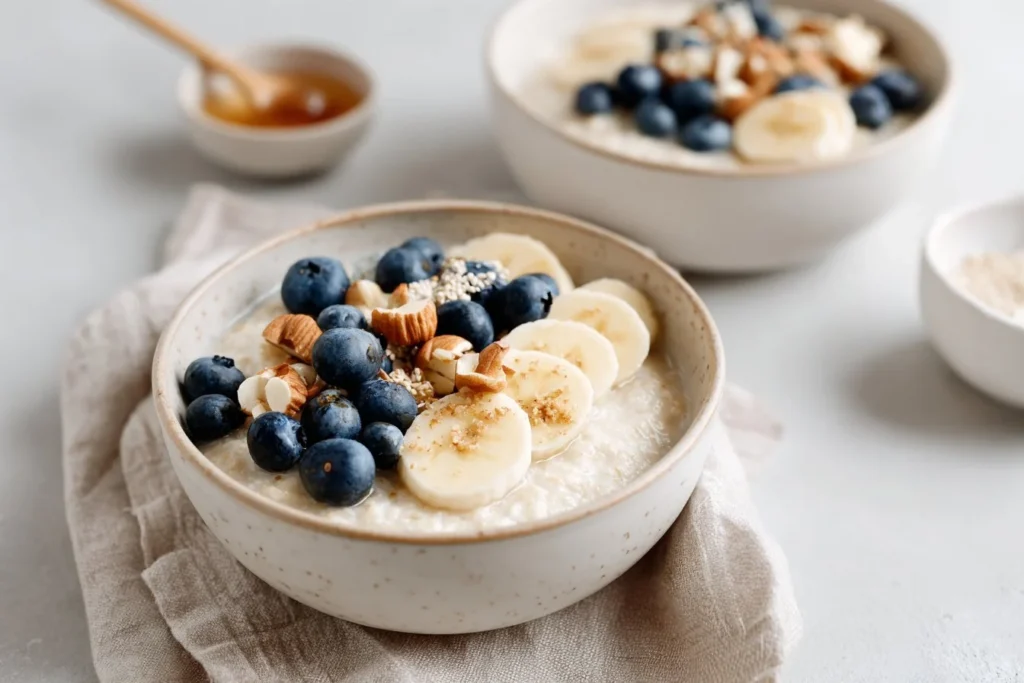
7 day anti-inflammatory diet meal plan if you’re struggling with bloating, brain fog, or constant low energy, this structured approach can help reset your gut naturally.
Chronic inflammation in the digestive system disrupts your microbiome, weakens the gut lining, and often leaves you feeling uncomfortable after meals. Instead of guessing what to eat, this simple weekly plan focuses on whole, nutrient-dense foods that calm inflammation and support long-term gut healing.
If you want something warm and soothing to begin, a bowl of cauliflower chicken soup is a gentle way to ease digestion while staying on track. Below, you’ll find a practical 7-day structure with balanced meals and small daily habits that support real gut repair.
What Is Happening in Your Gut
When gut inflammation develops, your immune system starts reacting to things that normally wouldn’t bother you. Instead of protecting you, it creates swelling, pain, and disruption. This can come from an imbalance in your gut bacteria, a damaged intestinal lining, or repetitive irritation from foods or stress.
Your gut lining is a thin barrier that controls what passes into your bloodstream. When it becomes leaky, small food particles and bacteria can escape into your body and trigger an immune response. If this keeps happening, that low-level irritation can turn into ongoing inflammation and that’s when digestion starts to feel unpredictable.
If you want to learn more about the best foods that support this healing process, check our science-backed guide to better digestion and recovery for more food ideas and explainers.
Main Causes of This Gut Problem
Modern life creates the perfect storm for gut irritation. A few common patterns show up again and again:
- Diet high in processed foods: Sugary snacks, refined carbs, and fried foods feed harmful bacteria and cause inflammation.
- Food sensitivities: Eggs, dairy, gluten, and some nightshades can provoke a reaction in sensitive people.
- Antibiotic use: Antibiotics can wipe out helpful bacteria and give bad microbes room to grow.
- Chronic stress: Stress hormones change gut motility and reduce good bacteria.
- Poor sleep: Bad sleep disrupts the gut-brain axis and alters digestion.
- Sedentary lifestyle: Movement supports healthy gut transit and diversity of microbes.
- Environmental toxins: Pesticides, pollutants, and heavy metals can damage gut tissue.
If you’re ready to try an evidence-backed approach, start with the core principles found in many anti-inflammatory meal plans that focus on whole foods and fiber like the 7-day anti-inflammatory diet principles that guide many gut-friendly programs.
Warning Signs Your Gut Needs Help
- Frequent bloating and gas
- Irregular bowel habits: constipation, diarrhea, or both
- Persistent heartburn or reflux
- Food sensitivities that seem to grow over time
- Skin issues: acne, eczema, rosacea
- Low energy, mood swings, or foggy thinking
- Joint stiffness or unexplained aches
If several of these sound familiar, it’s time to act. The good news is most gut issues respond well to diet tweaks, better sleep, and a few daily habits.
Best Foods to Heal and Repair Gut
If you’re looking for practical ways to cook with these ingredients, explore our anti-inflammatory chicken recipes for easy, gut-friendly weekly meals.
- Fermented foods: plain yogurt, kefir, sauerkraut, kimchi introduce slowly and choose low-sodium options.
- Bone broth: rich in collagen and amino acids that support the gut lining.
- Omega-3 rich seafood: salmon, sardines, mackerel fight inflammation.
- High-fiber vegetables: leafy greens, broccoli, carrots feed beneficial microbes.
- Low-sugar fruits: berries, cherries, apples antioxidant-rich and gentle on blood sugar.
- Prebiotic foods: onions, garlic, leeks, asparagus, bananas nourish good bacteria.
- Healthy fats: olive oil, avocado, nuts (if tolerated) stabilize cell membranes.
- Whole grains (if tolerated): oats, quinoa provide fiber without spikes.
- Legumes (if tolerated): lentils, chickpeas protein and resistant starch for microbes.
For colorful, balanced meals that focus on these ingredients, try building a bowl around an anti-inflammatory glow bowl to make every meal both healing and delicious.
Worst Foods That Damage Gut Health
For a full breakdown of inflammation-triggering ingredients, read our guide on foods that cause gut inflammation.
- Ultra-processed foods: packaged snacks, sugary cereals, frozen entrees.
- Vegetable oils high in omega-6 (when consumed excessively): corn oil, soybean oil.
- Refined sugar and high-fructose corn syrup: feed bad bacteria and yeast.
- Alcohol: irritates the gut lining and alters microbiome balance.
- Artificial sweeteners: linked to microbiome changes in some studies.
- Excessive red meat and processed meats: can promote inflammation.
- Common personal trigger foods: gluten, dairy, eggs eliminate if they cause symptoms.
- Fried and charred foods: produce compounds that can inflame tissue.
Cutting these back for 2–4 weeks while you follow a gut-healing plan often brings the fastest relief.
Evidence-Based Remedies That May Support Gut Repair
- Probiotics: Choose multi-strain supplements with documented CFUs for short-term help. Look for products with Bifidobacterium and Lactobacillus for general support.
- Prebiotic fiber: Inulin, resistant starch, and foods like cooked then cooled potatoes or rice help feed beneficial bacteria.
- Collagen or gelatin: Add to soups or bone broths to support tissue repair.
- Turmeric (curcumin): Anti-inflammatory and safe in food amounts; take with black pepper for better absorption.
- Ginger: Helps reduce nausea and calm digestion.
- Peppermint oil: Helpful for IBS-type pain (enteric-coated formulas are best).
- DGL licorice: For some reflux and mucosal support (use short-term).
- Sleep and stress tools: Meditation, deep breathing, short walks these reduce cortisol and help digestive recovery.
If you’re taking medications or managing a medical condition, it’s worth discussing supplements with your provider before adding anything new.
Daily Habits That Improve Digestion Fast
- Eat slowly and chew: Aim for 20–30 chews per bite to help digestion start in the mouth.
- Regular timing: Eat meals within consistent windows to support digestive rhythms.
- Hydrate between meals: Drink water but avoid gulping large volumes with meals.
- Move after meals: A 10–20 minute walk helps digestion and blood flow.
- Sleep routine: 7–9 hours per night with consistent bed and wake times.
- Stress breaks: 5 minutes of breathing or mindful pause before meals lowers stress hormones.
- Reduce screen time at meals: Focusing on food helps digestion and satiety.
- Keep a food log: Track foods and symptoms for 1–2 weeks to spot triggers.
Start with one habit and build on it. Small wins add up quickly.
7-Day Gut Reset Plan
This 7-day reset focuses on anti-inflammatory, whole-food meals, simple snacks, and easy cooking. Portions can be adjusted for calories and activity level. Aim for 3 meals and 1–2 snacks daily.
Notes before you start:
- Avoid added sugars, processed foods, and alcohol for the week.
- If you have known food allergies, adjust the plan as needed.
- Cook with olive oil and use herbs/spices like turmeric, ginger, garlic, oregano, and rosemary.
Day 1
- Breakfast: Overnight oats with chia, blueberries, and a spoonful of plain yogurt.
- Snack: Apple slices with almond butter.
- Lunch: Mixed greens salad with grilled salmon, avocado, cucumber, and olive oil-lemon dressing.
- Snack: Carrot sticks and hummus.
- Dinner: Baked wild salmon, steamed broccoli, and roasted sweet potato.
Day 2
- Breakfast: Smoothie with kefir, spinach, banana, and ground flaxseed.
- Snack: Handful of walnuts.
- Lunch: Lentil soup with carrots, celery, and turmeric.
- Snack: Plain yogurt with raspberries.
- Dinner: Stir-fried chicken with bok choy, bell peppers, ginger, and brown rice.
Day 3
Some people notice improvements within the first week, while others need longer. Your gut history stress, antibiotics, past diet all influence how quickly things shift.
- Breakfast: Scrambled eggs with sautéed spinach and sliced tomato.
- Snack: Pear and a few pumpkin seeds.
- Lunch: Quinoa bowl with roasted vegetables, chickpeas, and tahini dressing.
- Snack: Sliced cucumber with guacamole.
- Dinner: Baked cod with lemon, side of steamed asparagus, and cauliflower mash.
Day 4
- Breakfast: Chia pudding made with almond milk, topped with sliced strawberries.
- Snack: Kefir or probiotic yogurt.
- Lunch: Turkey and avocado lettuce wraps with shredded carrots.
- Snack: Blueberries and a small handful of almonds.
- Dinner: Bone broth-based vegetable soup and a side salad.
Day 5
- Breakfast: Oatmeal topped with cinnamon, apple slices, and a drizzle of nut butter.
- Snack: Celery sticks with hummus.
- Lunch: Grilled vegetable and quinoa salad with olive oil and lemon.
- Snack: A small piece of dark chocolate (70%+) and berries.
- Dinner: Sautéed shrimp with zucchini noodles and pesto.
Day 6
- Breakfast: Buckwheat pancakes with mixed berries and a dollop of plain yogurt.
- Snack: Sliced kiwi.
- Lunch: Chicken and vegetable soup simple and nourishing.
- Snack: Edamame or roasted chickpeas.
- Dinner: Grass-fed beef or tempeh stir-fry with broccoli and bell pepper over brown rice.
Day 7
- Breakfast: Smoothie bowl with spinach, frozen berries, hemp seeds, and a sprinkle of granola.
- Snack: A small bowl of sauerkraut or kimchi (if tolerated).
- Lunch: Roasted salmon salad with mixed greens, avocado, and pumpkin seeds.
- Snack: Sliced mango (if blood sugar stable).
- Dinner: Hearty cauliflower and chicken soup or a similar soothing broth-based meal.
For more simple protein ideas and family-friendly meals, check out these anti-inflammatory chicken recipes to rotate through your week and keep cooking easy and satisfying.
Quick meal prep tips:
- Roast a pan of mixed vegetables once a week.
- Cook a big pot of quinoa or brown rice and portion.
- Make bone broth or buy a low-sodium variety.
- Pre-chop salad greens and store in air-tight containers.
Common Mistakes to Avoid
- Going too strict too fast: Extreme diets are hard to maintain and can backfire. Ease in.
- Ignoring portion sizes: Even healthy foods can cause trouble in excess.
- Relying only on supplements: Food and habits matter more than pills.
- Skipping protein at meals: Protein helps repair tissue and keeps blood sugar steady.
- Not tracking symptoms: Without a record, it’s hard to know what works.
- Overdoing fermented foods: Introduce slowly to avoid gas and bloating.
- Expecting overnight fixes: Gut healing takes weeks to months for deeper changes.
Expert Tips for Faster Gut Healing
- Rotate foods: Variety helps build a diverse microbiome.
- Slow-carb approach: Combine fiber, healthy fat, and protein at each meal to avoid spikes.
- Use spices: Turmeric, cinnamon, and ginger reduce inflammation without extra calories.
- Try elimination thoughtfully: Remove suspect foods for 2–4 weeks and reintroduce one at a time.
- Work with a professional: A dietitian or functional medicine practitioner can personalize your plan.
- Prioritize sleep and stress management: Diet helps, but lifestyle seals the deal.
- Test if needed: Stool or breath tests can identify specific infections or imbalances in tricky cases.
FAQs
Q: How long before I see results from a low inflammation diet?
A: Many people notice gas, bloating, and energy shifts within 1–2 weeks. For deeper healing, allow 6–12 weeks and track changes.
Q: Can I eat fruit on an anti-inflammatory gut diet?
A: Yes choose low-sugar options like berries, cherries, and apples. Watch portion sizes if you have blood sugar concerns.
Q: Are probiotics necessary?
A: They can help, especially after antibiotics or during flare-ups. Choose clinically tested strains and use as part of a full plan including fiber and sleep.
Q: What if I’m vegetarian or vegan?
A: Focus on legumes, tofu/tempeh, nuts, seeds, whole grains, and plenty of vegetables. Supplement vitamin B12 and consider algae-based omega-3s.
Q: Should I avoid gluten completely?
A: Only if you’re sensitive or have celiac disease. Otherwise, choose whole grains like oats and quinoa which often support gut health.
Final Thoughts
Gut repair usually comes down to consistency more than intensity. This 7-day meal plan gives you a realistic start with foods that lower inflammation, feed beneficial bacteria, and calm digestion. Keep your focus on whole foods, regular sleep, gentle movement, and stress reduction. Celebrate small wins: fewer bloating days, steadier moods, and better sleep all signal progress.
For a professionally designed week of anti-inflammatory meals you can follow and adapt beyond this guide, consider reviewing EatingWell’s practical 7-day plan that pairs well with these gut-focused tips: EatingWell’s 7-Day Anti-Inflammatory Meal Plan for Beginners
Pay attention to small improvements less bloating after dinner, steadier energy in the afternoon those signals matter. Stick with it for a few weeks, and you’ll likely notice your digestion feels calmer and more predictable.