
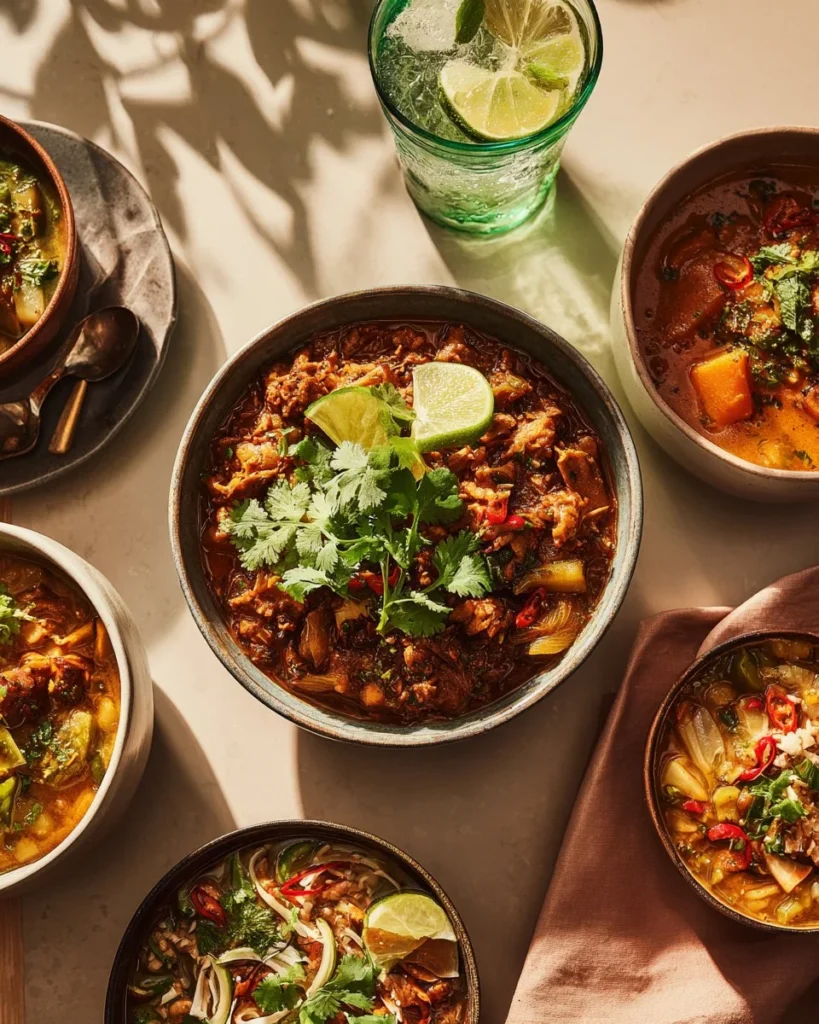
If you’ve been battling bloating, unpredictable digestion, or daily discomfort, you’re not alone. Chronic, low-level inflammation in the gut can sap energy, ruin sleep, and leave you feeling stuck. The good news: food is a powerful tool for calming inflammation and repairing the gut lining and your slow cooker can make healing meals easy, hands-off, and delicious.
This guide shares a healing-focused approach plus over 40 slow cooker recipe ideas and meal-building tips to calm inflammation, support your microbiome, and make weeknight dinners stress-free. If you want a quick list of gut-supporting ingredients to keep on hand, check this helpful anti-inflammatory foods list to get started.
What Is Happening in Your Gut
Your gut is an ecosystem of trillions of microbes, digestive enzymes, and immune cells. When things are balanced, digestion, nutrient absorption, and immune signals work smoothly. But when the balance is disturbed from stress, poor diet, antibiotics, or infections inflammation can set in.
Low-grade inflammation in the gut means the protective lining becomes irritated and sometimes a bit permeable. That allows food particles and toxins to activate the immune system, which keeps inflammation turned on. Over time this can affect mood, sleep, joints, and energy not just digestion.
Main Causes of This Gut Problem
- Poor diet: Lots of processed foods, sugar, and seed oils feed bad bacteria and drive inflammation.
- Stress: Chronic stress alters gut motility and lowers diversity of beneficial microbes.
- Antibiotics and medications: These can wipe out helpful bacterial communities.
- Infections: Parasites, C. difficile, and other infections cause inflammation if untreated.
- Food sensitivities: Repeatedly eating foods you’re sensitive to (like gluten or dairy) keeps the immune system active.
- Sedentary lifestyle: Movement helps move food along and supports microbial diversity.
- Poor sleep: Inadequate sleep changes hormone signals and raises inflammation markers.
Warning Signs Your Gut Needs Help
- Bloating, gas, and irregular bowel movements.
- Chronic fatigue or low energy after meals.
- Food sensitivities that seem to appear out of nowhere.
- Brain fog, anxiety, or mood swings tied to meals.
- Skin issues like eczema or rashes.
- Joint stiffness or unexplained aches.
If several of these fit your experience, your gut likely needs focused care.
Best Foods to Heal and Repair Gut
- Bone broth: Rich in collagen and amino acids that support the gut lining.
- Low-sugar fermented foods: Unsweetened kefir, sauerkraut, and kimchi (if tolerated) for microbes.
- Prebiotic fibers: Cooked then cooled potatoes, onions, garlic, leeks, and asparagus feed beneficial bacteria.
- Fiber-rich vegetables: Leafy greens, squash, carrots, and non-starchy roots.
- Omega-3 rich foods: Wild salmon, sardines, chia, and walnuts reduce inflammation.
- Anti-inflammatory spices: Turmeric (with black pepper), ginger, and cinnamon.
- Polyphenol-rich foods: Berries, green tea, and colorful vegetables support microbial diversity.
- Healthy fats: Extra-virgin olive oil and avocado nourish cells without driving inflammation.
For easy lunch ideas that follow gut-friendly principles, try this simple anti-inflammatory lunch recipe to keep you fueled and calm between meals.
Worst Foods That Damage Gut Health
- Ultra-processed foods: Long ingredient lists often mean additives and refined oils that feed bad microbes.
- Excess sugar and high-fructose corn syrup: Rapidly ferment in the gut and promote dysbiosis.
- Artificial sweeteners: Linked to negative shifts in gut bacteria.
- High amounts of alcohol: Irritates the gut lining and disrupts microbial balance.
- Seed oils high in omega-6s: Can promote inflammation when consumed in excess.
- Persistent food triggers: If you react to gluten, dairy, or soy, repeated exposure prolongs inflammation.
Natural Remedies That Actually Work
- Turmeric with black pepper: Curcumin’s bioavailability increases with piperine. Add to slow cooker meals or smoothies.
- Ginger: Anti-nausea and anti-inflammatory steep fresh ginger in hot water or add to broths.
- Probiotic foods and supplements: Choose strains with evidence for gut support (Lactobacillus, Bifidobacterium). Start low and monitor symptoms.
- Slippery elm or marshmallow root: Soothing demulcents that coat irritated gut tissue. Use as teas or powders.
- Deglycyrrhizinated licorice (DGL): Helps with mucosal repair for some people (ask your clinician if on blood pressure meds).
- Omega-3 supplements: Fish oil can reduce systemic inflammation when dietary intake is low.
Daily Habits That Improve Digestion Fast
- Eat regularly and slowly: Give your body time to signal fullness; avoid rushed meals.
- Hydrate between meals: Water supports digestion but try to avoid large drinks right during meals.
- Prioritize sleep: Aim for 7–9 hours; poor sleep raises inflammatory markers.
- Move daily: Even short walks after meals help motility and blood sugar responses.
- Manage stress: Deep breathing, meditation, or gentle yoga lowers gut-directed stress.
- Chew well: Proper mechanical digestion eases the load on your stomach and intestines.
- Use the slow cooker: Long, low cooking breaks down fibers and proteins, making food gentler for sensitive guts.
7-Day Gut Reset Plan
This simple plan pairs anti-inflammatory meals (many made in the slow cooker) with habits that support healing. Adjust based on food sensitivities.
Day 1: Clean slate
- Morning: Warm water with lemon, simple probiotic yogurt if tolerated.
- Lunch: Slow cooker bone broth with steamed greens.
- Dinner: Slow-cooked wild salmon stew with turmeric and ginger.
Day 2: Add fiber and prebiotics
- Morning: Oat porridge with berries and chia.
- Lunch: Slow cooker shredded chicken with carrots and leeks (use cooled potatoes later in the week for resistant starch).
- Dinner: Lentil and vegetable slow cooker stew (if legumes are tolerated).
Day 3: Fermented focus
- Morning: Kefir or unsweetened fermented probiotic drink.
- Lunch: Slow cooker turkey chili with anti-inflammatory spices.
- Dinner: Steamed veggies and a small portion of fermented sauerkraut.
Day 4: Collagen and repair
- Morning: Bone broth sip.
- Lunch: Slow cooker beef and vegetable pot roast.
- Dinner: Light salad with olive oil and lemon.
Day 5: Diverse colors
- Morning: Smoothie with spinach, berries, and flax.
- Lunch: Slow cooker shredded chicken tacos with avocado use lettuce leaves if grain-free.
- Dinner: Roasted root vegetables and lentil soup.
Day 6: Gentle fasting day (optional)
- Keep meals light: Bone broth, steamed fish, and gentle soups. Hydrate and rest.
Day 7: Maintenance and reflection
- Use leftovers and plan next week’s grocery list around diverse vegetables, healthy fats, and probiotic-rich choices.
A helpful collection of anti-inflammatory recipes can inspire your slow cooker meal prep and keep things varied explore the full anti-inflammatory recipes category for more ideas.
Common Mistakes to Avoid
- Over-relying on packaged “healthy” convenience meals. Many are labeled healthy but contain inflammatory oils and additives.
- Skipping protein: Balanced meals help blood sugar and reduce cravings. Slow cooker proteins are easy to portion.
- Expecting immediate fixes: Gut healing takes weeks to months; consistent habits matter more than occasional perfect meals.
- Ignoring hydration and sleep: Diet alone won’t heal a stressed gut.
- Using too much salt or sugar in slow-cooker sauces: Taste as you go and prefer whole herbs and vinegar for flavor.
- Counting calories over quality: Focus on nutrient-dense, anti-inflammatory ingredients.
Expert Tips for Faster Gut Healing
- Rotate proteins and vegetables to encourage microbial diversity.
- Cook low and slow: Gentle cooking breaks down tough fibers and creates better nutrient availability for sensitive guts.
- Cool some cooked starches (rice, potatoes) and eat them later cooled starch forms resistant starch which feeds good bacteria.
- Add acidity for flavor and gut benefits: A splash of apple cider vinegar or lemon brightens slow cooker dishes and may aid digestion.
- Use fresh herbs and spices for antioxidants and anti-inflammatory compounds.
- Keep an elimination journal if you suspect food sensitivities; remove suspect foods for 2–4 weeks and reintroduce slowly.
- Work with a clinician if symptoms are severe or persistent tests can rule out infections, SIBO, or other issues.
40+ Slow Cooker Anti-Inflammatory Recipe Ideas
Below are practical slow cooker meal templates you can adapt. Use wild proteins, seasonal vegetables, and anti-inflammatory spices. Each idea can yield multiple servings for easy meal prep.
- Turmeric-Ginger Chicken Bone Broth
- Slow Cooker Wild Salmon Stew with Fennel
- Shredded Chicken with Carrots and Leeks (great for tacos or bowls)
- Slow Cooker Beef and Root Vegetable Pot Roast
- Lentil and Kale Slow Cooker Soup (use soaked lentils if sensitive)
- Slow Cooker Turkey Chili with Sweet Potato
- Moroccan-Spiced Lamb with Apricots and Cumin
- Slow Cooker Collagen-Packed Beef Bone Broth Base
- Miso and Ginger Slow Cooker Cod (add miso late to preserve probiotics)
- Slow Cooker Vegetable Ratatouille with Herbs
- Slow Cooker Pumpkin and Turmeric Soup with Coconut Milk
- Slow Cooker White Fish with Tomatoes and Olives
- Slow Cooker Chicken with Garlic, Lemon, and Olives
- Slow Cooker Pork Shoulder with Apple Cider and Rosemary
- Slow Cooker Chickpea and Spinach Stew (if legumes are tolerated)
- Slow Cooker Salmon Chowder with Coconut Milk (dairy-free)
- Slow Cooker Quinoa and Vegetable Stew (pre-cook quinoa separately if worried about texture)
- Slow Cooker Sweet Potato and Black Bean Chili (optional)
- Slow Cooker Ginger Beef with Bok Choy
- Slow Cooker Citrus-Herb Turkey Breast
- Slow Cooker Thai Coconut Chicken with Lime and Basil
- Slow Cooker Balsamic Beef with Mushrooms
- Slow Cooker Moroccan Chickpea Tagine (or swap chickpeas for zucchini)
- Slow Cooker Pumpkin, Sage, and White Bean Soup
- Slow Cooker Lamb and Eggplant Stew with Turmeric
- Slow Cooker Cabbage and Pork Soup with Ginger
- Slow Cooker Apple-Cinnamon Steel-Cut Oats (for simple breakfasts)
- Slow Cooker Bone Broth Pho (add herbs and lime at the end)
- Slow Cooker Vegetable and Tempeh Curry (if fermented soy is tolerated)
- Slow Cooker Oxtail Stew with Collagen-Rich Broth
- Slow Cooker Chicken Adobo with Coconut Aminos
- Slow Cooker Mackerel Stew with Tomatoes and Capers
- Slow Cooker Parsnip and Carrot Soup with Turmeric
- Slow Cooker Pork and Sauerkraut (fermented for probiotics)
- Slow Cooker Rosemary Lemon Chicken with Artichokes
- Slow Cooker Beet and Red Cabbage Stew (rich in polyphenols)
- Slow Cooker Mung Bean and Ginger Soup (gentle legume option)
- Slow Cooker Herb Salmon en Papillote (use slow cooker-safe pouch)
- Slow Cooker Cauliflower and Turmeric Dal (lentil-style if tolerated)
- Slow Cooker Spiced Pumpkin and Lentil Stew
Bonus: Make large batches of shredded protein (chicken, turkey, beef) to add to salads, soups, and grain bowls all week. For tons of shredded protein ideas, bookmark this collection of easy shredded chicken recipes from a trusted recipe source.
How to Make Slow Cooker Meals More Gut-Friendly
- Sear proteins first for flavor without adding processed sauces.
- Add delicate herbs and probiotic foods at the end of cooking to preserve beneficial compounds.
- Use natural thickeners like pureed vegetables or a spoon of almond butter instead of flour.
- Limit added sugars; use small amounts of maple or dried fruit if needed.
- Store leftovers properly and reheat gently; avoid overheating oils.
FAQs
Q: Are slow cooker meals good for people with IBS?
A: Many slow cooker meals are gentle because slow cooking breaks down fibers and proteins. Choose low-FODMAP ingredients if you have IBS and introduce fermentable foods slowly. Keep a symptom journal to track tolerance.
Q: How often should I eat bone broth for gut healing?
A: Some people sip bone broth daily for a few weeks to support repair. Others use it a few times a week. Focus on variety bone broth is a helpful tool but not the only answer.
Q: Can I use canned beans in slow cooker recipes?
A: Canned beans are convenient and fine for many people, but if you have a sensitive gut, soaking and pre-cooking dried beans reduces lectins and can be easier to digest. Start with small portions.
Q: How long before I see improvements in digestion?
A: Some people notice less bloating and more energy within a week; deeper changes in the microbiome and reduced inflammation can take 4–12 weeks of consistent habit changes.
Q: Are slow-cooked meals safe from nutrient loss?
A: Slow cooking can reduce some heat-sensitive nutrients, but it also increases bioavailability of others (like collagen) and softens fibers for gentler digestion. Use fresh herbs and raw greens at the table to add back vitamin C and fresh nutrients.
Conclusion
Slow cooker meals can be one of the kindest, most consistent tools for calming gut inflammation, nourishing the microbiome, and simplifying meal prep. For more recipe inspiration beyond the ideas here, explore this comprehensive roundup of 40+ slow cooker anti-inflammatory recipes that are perfect for busy weeks. If you want a collection of shredded-protein ideas to speed up meal assembly and create endless gut-friendly bowls and salads, check out these 40+ easy shredded chicken recipes for simple build-your-own meals.
Final thoughts: healing a sensitive gut is a journey. Prioritize whole foods, gentle cooking methods, and daily habits that support rest and movement. Small, consistent changes make a big difference and your slow cooker can help you stay on track while enjoying warm, comforting meals that actually help you feel better.